

Comparison of Prescription Weight-Loss Diets for Dogs — Hill's r/d vs Royal Canin Satiety
If your dog has been diagnosed with obesity, a veterinarian-prescribed diet is safer than a regular weight-loss food. Here’s a clear comparison of Hill’s r/d and Royal Canin Satiety in terms of nutritional composition, design philosophy, and feeding guidelines.
What Are Prescription Weight-Loss Diets for Dogs?

The Key Difference Between Regular Diet Food and Prescription Diets
Key Nutritional Comparison: Hill's r/d vs Royal Canin Satiety
| Item | Hill's r/d Canine | Royal Canin Satiety Support |
|---|---|---|
| Protein (dry, approx.) | 30% or higher | 30% or higher |
| Fat (dry, approx.) | 8–9% (very low) | Around 10% |
| Crude fiber (dry, approx.) | Around 13% | 17% or higher (very high) |
| Calorie density | Low calorie | Low calorie |
| Specialized ingredients | L-carnitine added (aids fat burning) | Multiple dietary fiber blend (maximizes satiety) |
| Clinical concept | Fat reduction + metabolic support type | Satiety + voluntary intake restraint type |
| Prescription required | Veterinary prescription recommended | Veterinary prescription recommended |
This is general information based on label declarations. For exact figures and the latest specifications, please check the manufacturer's official nutritional statement.
Hill's r/d Features — The Classic Formula That Lowers Fat and Supports Metabolism
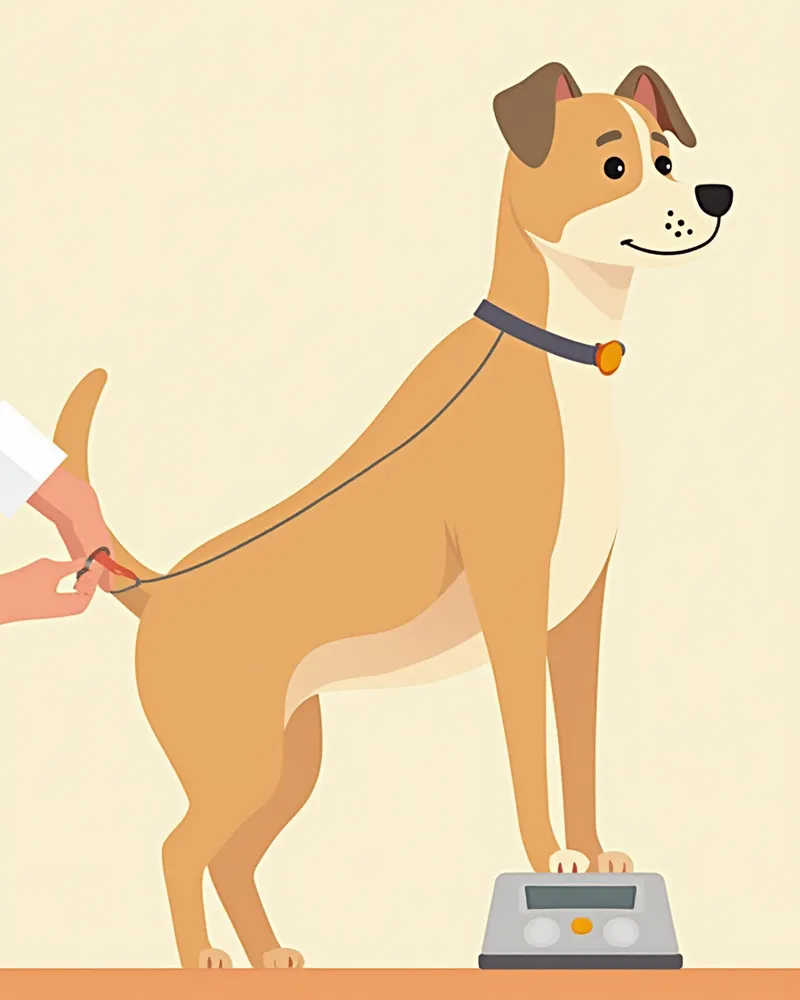
Royal Canin Satiety Features — Designed to Boost Satiety with Dietary Fiber

What to Check Before Starting a Prescription Diet
Weight-loss prescription diets are therapeutic foods that should only be started after a veterinarian evaluates your dog’s body condition score (BCS), any concurrent medical conditions, and current and target body weights. For dogs with a history of kidney or liver disease, or pancreatitis, the ideal dietary composition—specifically the balance of protein, fat, and fiber—may need to be adjusted based on their specific health issues. Therefore, the appropriate prescription diet must be selected in consultation with your veterinarian, based on diagnostic test results such as blood work. We do not recommend arbitrarily reducing portion sizes or mixing two different prescription diets.
Which One Is Right for Your Dog?
Key Points to Follow When Feeding Prescription Diets

Reviewed by a veterinarian

Dr. Tony — Punnawat Phongkittirak
VeterinarianA veterinarian who majored in veterinary medicine at Khon Kaen University, Thailand, and completed the IVSA program at North Carolina State University in the United States. Drawing on clinical experience at animal hospitals, he works in the pet healthcare field and is dedicated to building a digital care environment that connects pet parents with veterinarians.
Reviewed 2026-05-07
Frequently Asked Questions
Do I need to give my pet this prescription medication for life?
Can I mix it with regular pet food?
When will the effects start to show?
Since it’s pricey, can’t I just reduce the amount of regular kibble instead?
Are there any side effects?
Share
Related Guides

Chitosan Effects and Obesity/Fat Absorption

Top 5 Weight-Management Dog Food Recommendations for 2026

7 Best Cat Weight-Loss Diets Recommended by Veterinarians and How to Choose

Natural Death vs. Euthanasia: A Comparison Guide for Your Pet’s Final Choice

Dry Food vs. Wet Food Comparison — Which Should You Feed?

Comparison of Prescription Diets vs. Regular Pet Food

Heartworm Preventative Comparison (Heartgard, Interceptor, Tri-Hart)

Comparing Dog Vaccine Types (3-way, 5-way, 7-way): Differences and How to Choose

Basic vs. Comprehensive Checkups — Which Is Right for Your Pet?

Pet MRI vs CT — Which Test Is Right for Your Child?
References
[1] Fascetti AJ, Delaney SJ. Applied Veterinary Clinical Nutrition, 2nd Ed — Chapter 8: Commercial and Home-Prepared Diets
[2] Hand MS, Thatcher CD, Remillard RL, Roudebush P, Novotny BJ. Small Animal Clinical Nutrition, 5th Ed — Chapter 27: Obesity
[3] Ettinger SJ, Feldman EC. Textbook of Veterinary Internal Medicine, 8th Ed — Nutritional Management of Obesity