Like
Share
멍실장
고양이 비뇨기 처방식 비교 — Hill's c/d vs Royal Canin Urinary SO

Comparing Feline Urinary Prescription Diets — Hill’s c/d vs Royal Canin Urinary SO

UrinaryComparisonsMeongsiljang Veterinary Advisory Board

We compare two leading feline urinary prescription diets, Hill’s c/d Multicare and Royal Canin Urinary SO, based on their ingredients, mechanisms of action, palatability, and price. We also summarize their suitability for different types of urinary stones and provide a step-by-step guide for transitioning your cat to the new diet.

What Are Feline Urinary Prescription Diets?
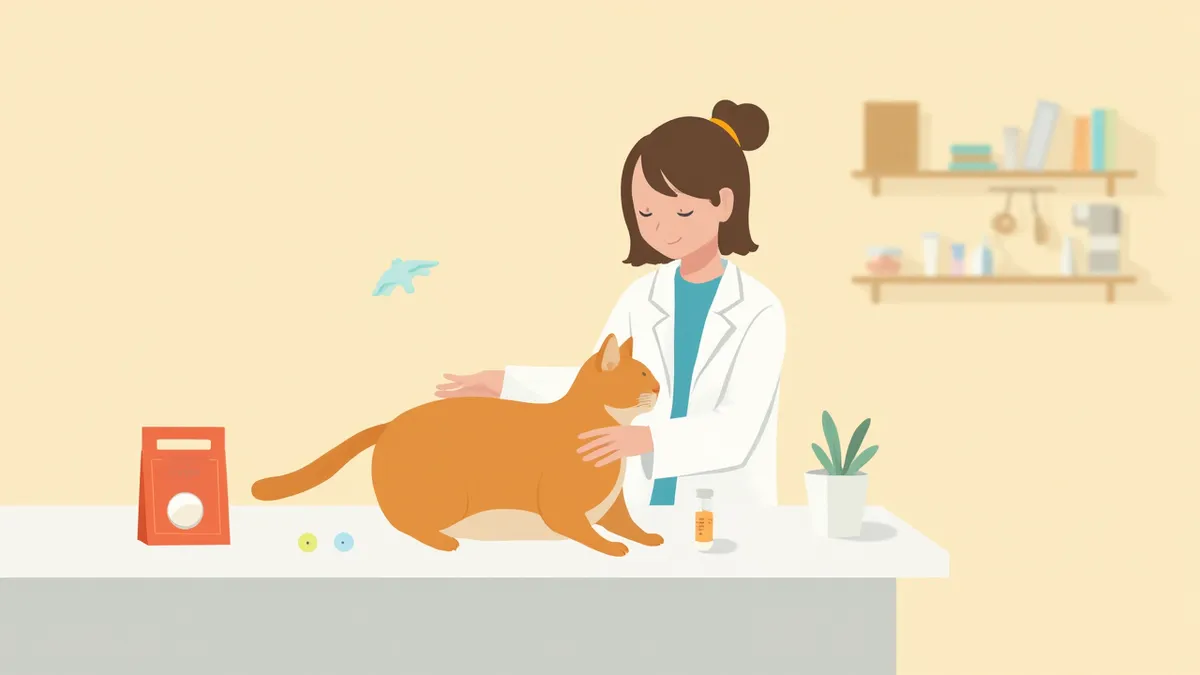
A cat undergoing a urinary tract examination at the veterinary clinic
Feline urinary prescription diets are therapeutic foods medically formulated to manage urinary tract conditions such as cystitis, urinary stones, and lower urinary tract disease by carefully controlling mineral content and urine pH. The most important point is that prescription diets must only be selected after a veterinary diagnosis. This is because the appropriate prescription diet varies significantly depending on whether the stones are struvite or calcium oxalate. Feeding the wrong product based on self-diagnosis can reduce one type of stone while promoting the formation of another.

Why Are Urinary Prescription Diets Necessary?

Cats that have developed cystitis or urinary tract stones require lifelong dietary management. Because idiopathic cystitis and stones are known to recur frequently, consistent care is essential. Prescription diets work through three mechanisms: - Mineral restriction: Reduces magnesium and phosphorus, which are building blocks for struvite stones. - Urine pH control: Maintains urine in an acidic range (approximately pH 5.5–6.5) to help dissolve struvite. - Increased water intake: Slightly higher sodium content encourages drinking more water, diluting the urine and lowering the concentration of stone-forming minerals. All three mechanisms must work together to be truly effective. However, keep in mind that calcium oxalate stones require the opposite approach—alkalinization rather than acidification.

Hill’s c/d Multicare vs Royal Canin Urinary SO: At a Glance

ItemHill's c/d MulticareRoyal Canin Urinary SO
Main target stoneStruvite (dissolution + prevention)Struvite (dissolution + prevention)
Calcium oxalate responsePartial response, consider separate lineClaims formation inhibition (prevention) — dietary dissolution not possible
Magnesium restrictionTrueTrue
Salt (sodium) strategyModerate restrictionIntentionally increased (increases water intake)
Target urine pHAcidification (approx. pH 5.5–6.5, <6.5)Acidification (approx. pH 5.5–6.5, <6.5)
Omega-3 enrichmentTrueTrue
Stress / idiopathic cystitis linec/d Multicare StressUrinary SO + Calm
Palatability rating (large individual variation)ModerateExcellent
Price range (based on 2kg dry food)Approx. $20 to $30Approx. $20 to $30

These are estimated market prices as of May 2026. Actual prices vary by store, discounts, and timing. The target pH refers to the acidifying range for struvite dissolution and prevention (textbook standard pH 5.5–6.5, <6.5 for prevention). It is recommended to purchase prescription diets from an animal hospital or veterinary prescription channel.

Detailed Analysis of Hill’s c/d Multicare
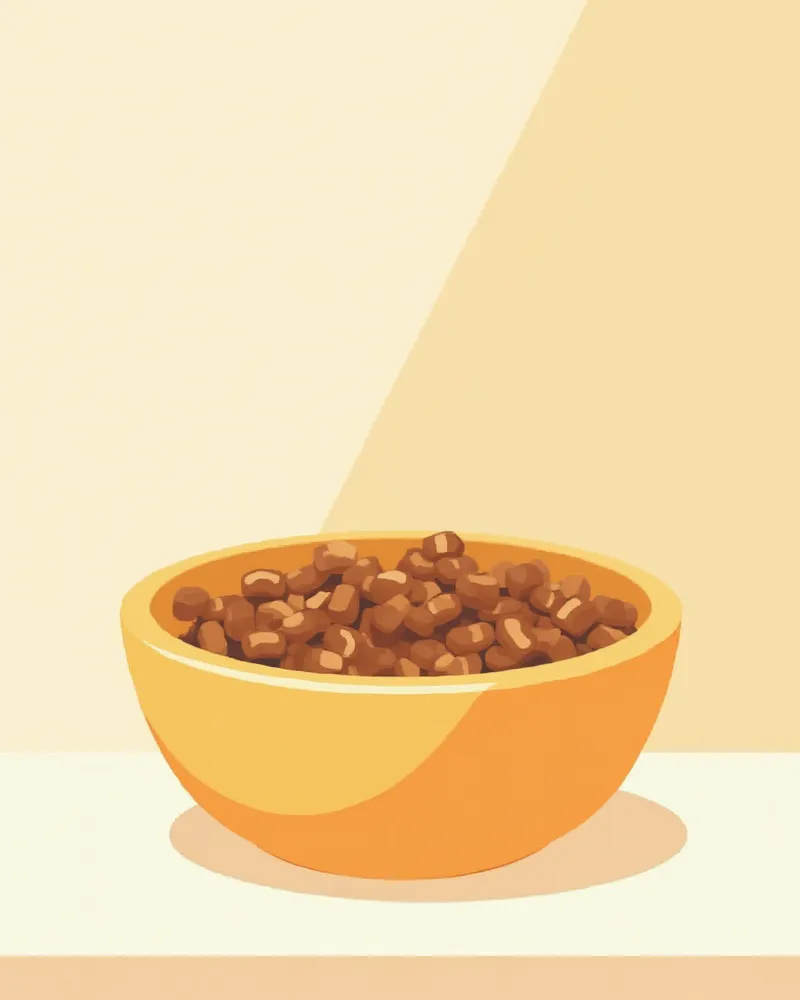
Hill’s c/d Multicare is a multifunctional prescription diet designed to dissolve struvite stones while preventing their recurrence. In randomized, double-blind clinical trials, sterile (non-infectious) struvite stones were reported to dissolve completely in an average of about 27 days (approximately 4 weeks), compared to an average of 13 days for the dedicated dissolution diet, s/d. The formula limits magnesium and phosphorus content and promotes urine acidification (approximately pH 5.5–6.5, below 6.5) to inhibit stone formation. It is also marketed as being enriched with omega-3 fatty acids, such as EPA and DHA. The c/d Multicare Stress line adds alpha-casozepine (a calming component derived from milk protein) and tryptophan to help manage feline idiopathic cystitis associated with stress. Because it does not excessively increase sodium levels, it is relatively safe for cats with concurrent heart or kidney conditions.
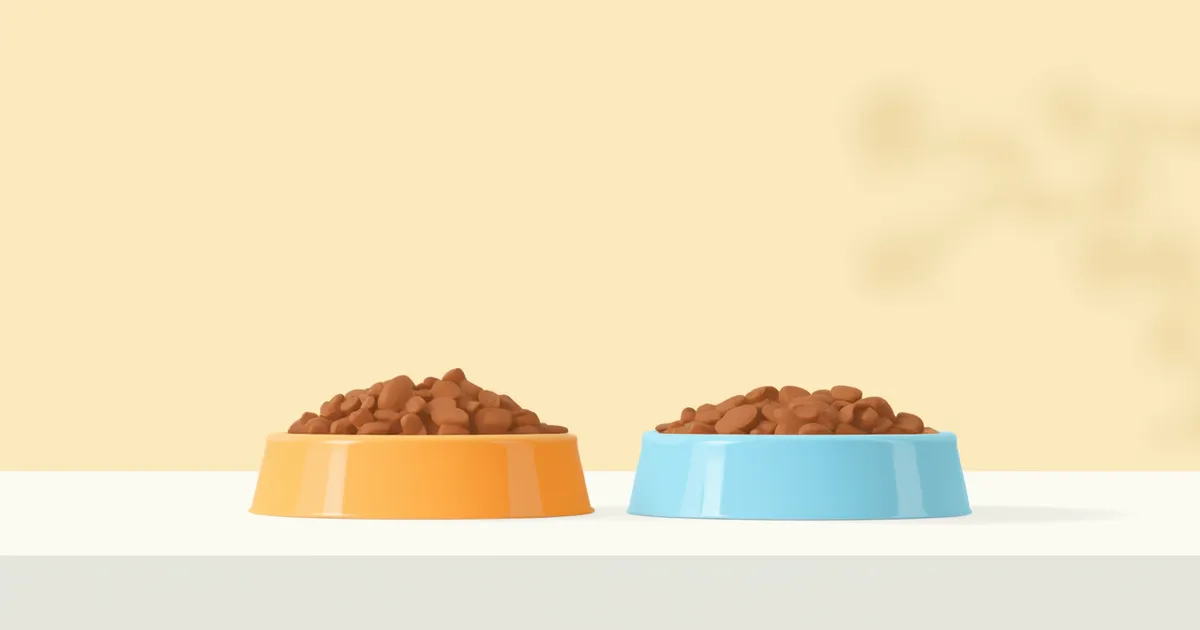
Close-up of urinary prescription dry food

Detailed Analysis of Royal Canin Urinary SO
Royal Canin Urinary SO is formulated with "SO (Solubility Optimum)" technology, which aims to create an environment less prone to stone formation by reducing the supersaturation of minerals in the urine. However, only struvite stones can be dissolved through diet; calcium oxalate stones cannot be dissolved by food. Therefore, for calcium oxalate, SO works to inhibit formation (prevention) rather than dissolve existing stones. One study reported that sterile struvite stones were dissolved in a median of approximately 15 days using a high-sodium SO diet. Its most notable feature is the intentional increase in salt content. Higher salt intake encourages cats to drink more water, increasing urine volume and lowering the concentration of stone-forming minerals. However, caution is required if heart or kidney disease is present, as the increased salt load can be burdensome, so consultation with a veterinarian is essential. Urinary SO + Calm is a line enhanced with alpha-casozepine and tryptophan, designed to help manage stress-related feline idiopathic cystitis.
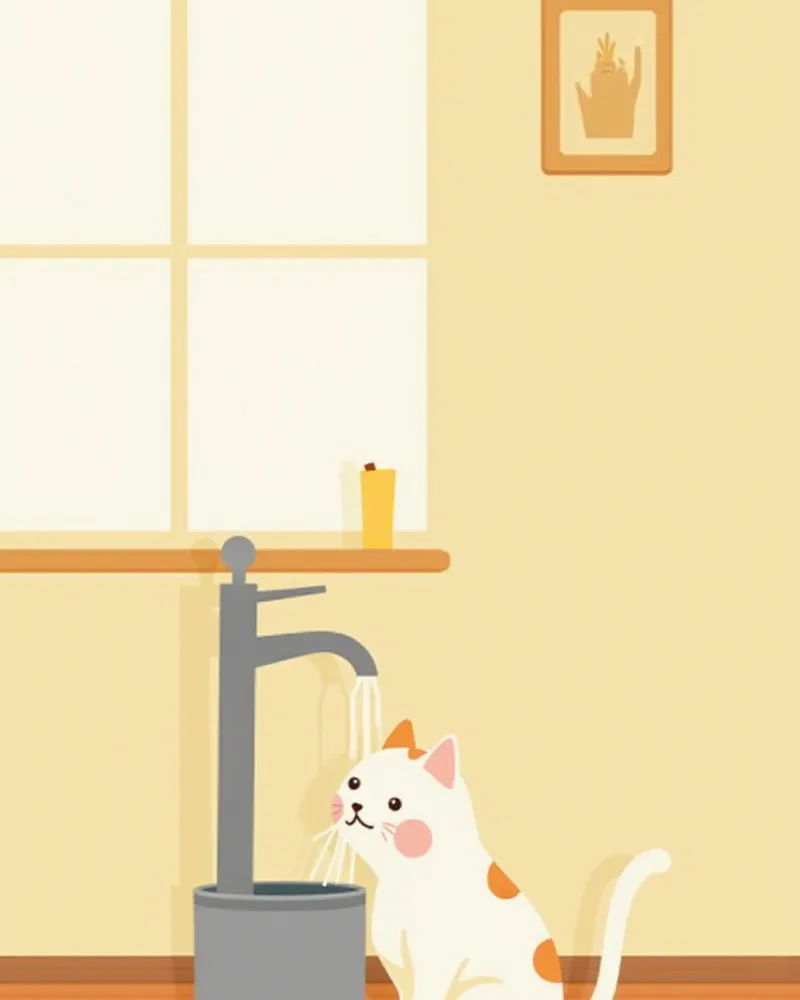
Cats drinking water from a water dispenser

Never Self-Prescribe Without Confirming Stone Type

Urinary prescription diets work in opposite directions depending on the type of stone. Struvite stones dissolve in acidic urine, whereas calcium oxalate stones actually form more readily in an acidic environment. Starting a prescription diet without first identifying the crystal or stone type through imaging (X-rays or ultrasound) and urinalysis may resolve one issue while worsening the other. Always choose a product based on a veterinarian’s diagnosis, and recheck effectiveness with urinalysis every 4 to 8 weeks.

Transitioning to and Feeding Prescription Diets
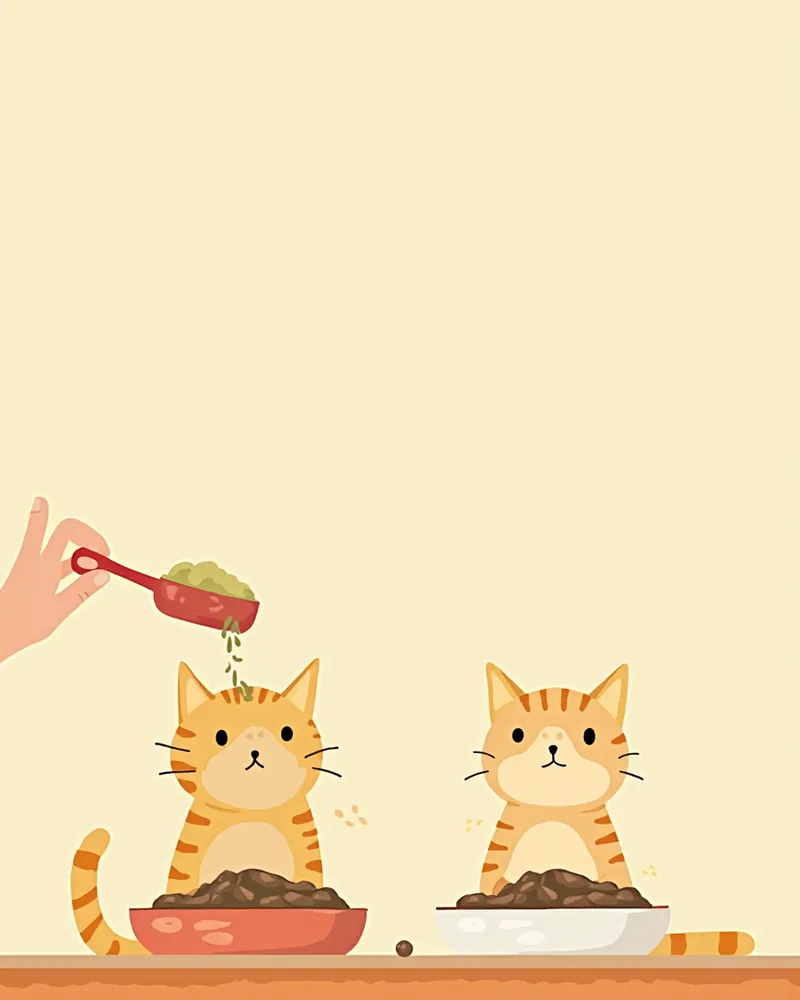
When switching from your pet’s current food to a prescription diet, transition gradually over 7–10 days. - Days 1–3: 75% current food + 25% prescription diet. - Days 4–6: 50% current food + 50% prescription diet. - Days 7–10: 100% prescription diet. Sudden changes can cause diarrhea, loss of appetite, or vomiting. Canned (wet) prescription diets are more effective than dry kibble at increasing water intake. Whenever possible, mix wet and dry food, or use a fountain-style automatic water dispenser to encourage hydration. Treats and milk outside of the main diet can disrupt mineral balance, so only offer them after consulting your veterinarian.
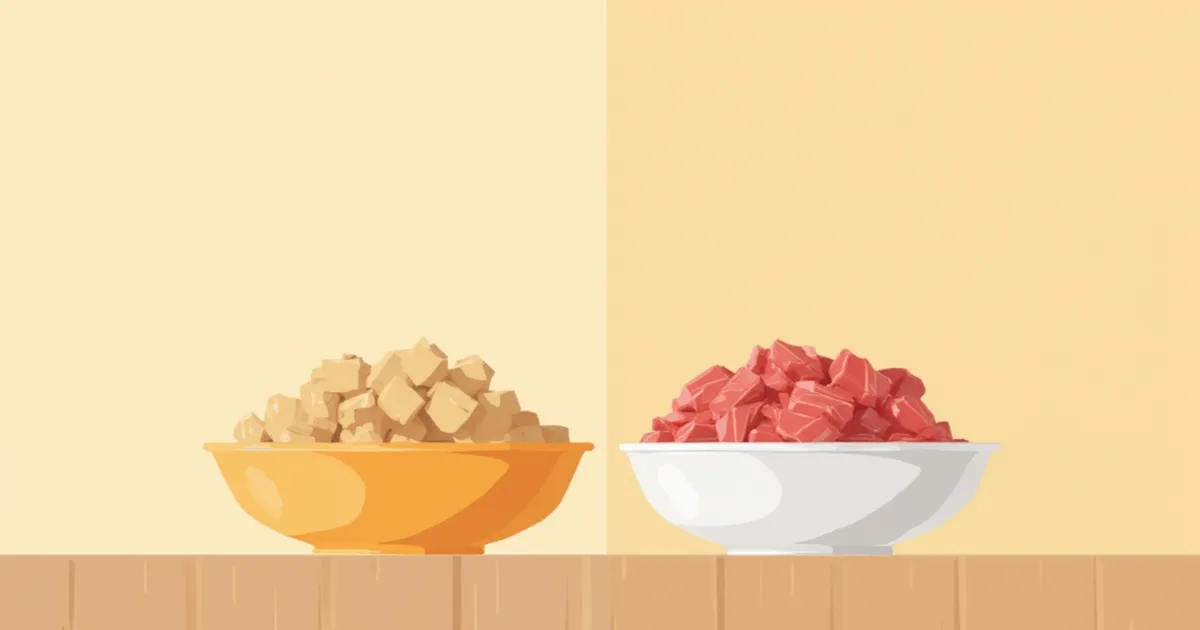
Mixing two products in the correct proportions for transitioning to a new diet

Essential Monitoring After Starting Prescription Diets

Starting prescription food is just the beginning. You’ll need to monitor your pet’s progress with urinalysis every 4–8 weeks to check if crystals or stones are decreasing and whether urine pH has reached the target range. Keep a daily log of weight changes, appetite, urination frequency, and any signs of blood in the urine—this information will be invaluable at your next vet visit. If your pet remains stable for more than 6 months, consult your veterinarian about gradually transitioning to a maintenance diet (such as c/d Multicare Maintenance) or a standard urinary care formula.

Reviewed by a veterinarian

Dr. Tony — Punnawat Phongkittirak

Dr. Tony — Punnawat Phongkittirak

Veterinarian

A veterinarian who majored in veterinary medicine at Khon Kaen University, Thailand, and completed the IVSA program at North Carolina State University in the United States. Drawing on clinical experience at animal hospitals, he works in the pet healthcare field and is dedicated to building a digital care environment that connects pet parents with veterinarians.

Frequently Asked Questions

Is it okay to mix Hill’s c/d and Royal Canin Urinary SO for my pet?
I don't recommend it. Both products are prescription diets with precisely balanced minerals and acidity, so mixing them would disrupt their intended formulation. For accurate results and effective monitoring, it's best to consistently feed just one product.
Do I need to give my pet this prescription medication for life?
Cats with a history of urinary stones are at high risk of recurrence, so long-term feeding of a therapeutic diet is recommended. However, if the cat remains stable for six months or longer, your veterinarian may advise a gradual transition to a maintenance prescription diet or a standard urinary-care formula. Never switch back to regular cat food on your own without veterinary guidance.
Which is more effective, dry food or canned food?
Wet food (canned) is more effective. With a moisture content of over 75%, it naturally increases water intake and dilutes urine, reducing the concentration of crystals. If your cat eats only dry food, you should provide additional water sources, such as a water fountain or multiple water bowls placed in different locations.
Can both products be used for calcium oxalate stones?
Royal Canin Urinary SO is formulated to address calcium oxalate stones. In addition to Hill’s c/d, you may need to consider their separate line specifically designed for calcium oxalate management. Your veterinarian will select the most appropriate product based on the stone composition analysis.
Can I buy prescription medications from regular online stores?
In Korea, prescription pet food is only distributed through official channels such as veterinary clinics or with a veterinarian’s prescription. We do not recommend purchasing from unofficial sources, as it is difficult to verify expiration dates, storage conditions, and product authenticity.

Share

Related Guides

References

[1] Ettinger SJ et al., Textbook of Veterinary Internal Medicine, 8th Edition — Feline Lower Urinary Tract Diseases

[2] Little SE, The Cat: Clinical Medicine and Management, 2nd Edition — Urinary System

[3] Hand MS et al., Small Animal Clinical Nutrition, 5th Edition — Feline Urolithiasis and Lower Urinary Tract Disease

This information is based on veterinary literature and does not replace diagnosis or treatment. Please consult a veterinarian for specific health concerns.

Metapet Co., Ltd. | CEO: Park Sung-yong | Business Reg. No. 417-88-02562 | Seoul, South Korea | Customer Center

Cat Urinary Prescription Diets: Hill's c/d vs Royal Canin SO | Meongsiljang