

Comparison of Dental Supplements and Chews
We compare dental supplements and dental chews for dogs and cats based on ingredients, mechanisms of action, and safety. This is a practical guide to choosing the right product for managing tartar, bad breath, and gum health.
What Are Dental Supplements and Chews?

Dental Products Fall Into Four Main Categories
At-a-Glance Comparison by Product Type
| Item | Dental Chews/Chews | Water Additives | Toothpaste/Gel | Oral Supplements |
|---|---|---|---|---|
| Main Action | Physical friction | Antibacterial/plaque suppression | Enzyme/friction | Regulates oral bacteria |
| Tartar Removal | △ (new only) | X | △ | X |
| Plaque Prevention | O | O | O | △ |
| Bad Breath Improvement | △ | O | △ | O |
| Ease of Use | High | Very high | Low | High |
| Recommended Frequency | Once a day | Daily in drinking water | 1–2 times a day | Once a day |
O=clear effect, △=adjunctive, X=almost none / Already hardened tartar cannot be removed by any product and requires scaling.
Key Ingredients in Dental Supplements
해조류 추출물(Ascophyllum nodosum)
구강 세균 바이오필름 형성을 억제해 치석·구취 완화
Dosage: 체중에 맞춘 권장량 준수
다수 임상 연구에서 치석 감소 확인
폴리인산나트륨(Sodium Hexametaphosphate)
침 속 칼슘과 결합해 치석 석회화를 늦춤
Dosage: 덴탈껌·수첨가제에 소량 첨가
VOHC 인증 제품 다수에 포함
클로르헥시딘(Chlorhexidine)
강력한 항균 작용으로 플라크 감소
Dosage: 수의사 지시에 따라 단기간 사용
장기간 사용 시 착색·맛 거부 가능
프로바이오틱스(구강 유산균)
유익균을 늘려 구취 원인균 억제
Dosage: 제품별 용량 따름
초기 임상 단계, 보조적 사용 권장
녹차 폴리페놀(EGCG)
항산화·항균으로 잇몸 염증 완화 보조
Dosage: 경구 영양제·츄에 첨가
수의치과 보조 성분으로 사용
How to Choose Dental Chews

Dental Chews and Supplements to Avoid
- Bone fragments, deer antlers, and dried hooves: These are the leading causes of fractured teeth. - Products containing xylitol: These can cause life-threatening hypoglycemia and liver damage in dogs. - Imported products with unknown origins: These frequently have discrepancies between listed and actual ingredients. - Human toothpaste: The fluoride and surfactants it contains are toxic to pets. If your pet’s teeth are already loose or their gums are bleeding, supplements or dental chews won’t solve the problem. Professional scaling or tooth extraction is necessary.
How to Use Water Additives and Toothpaste
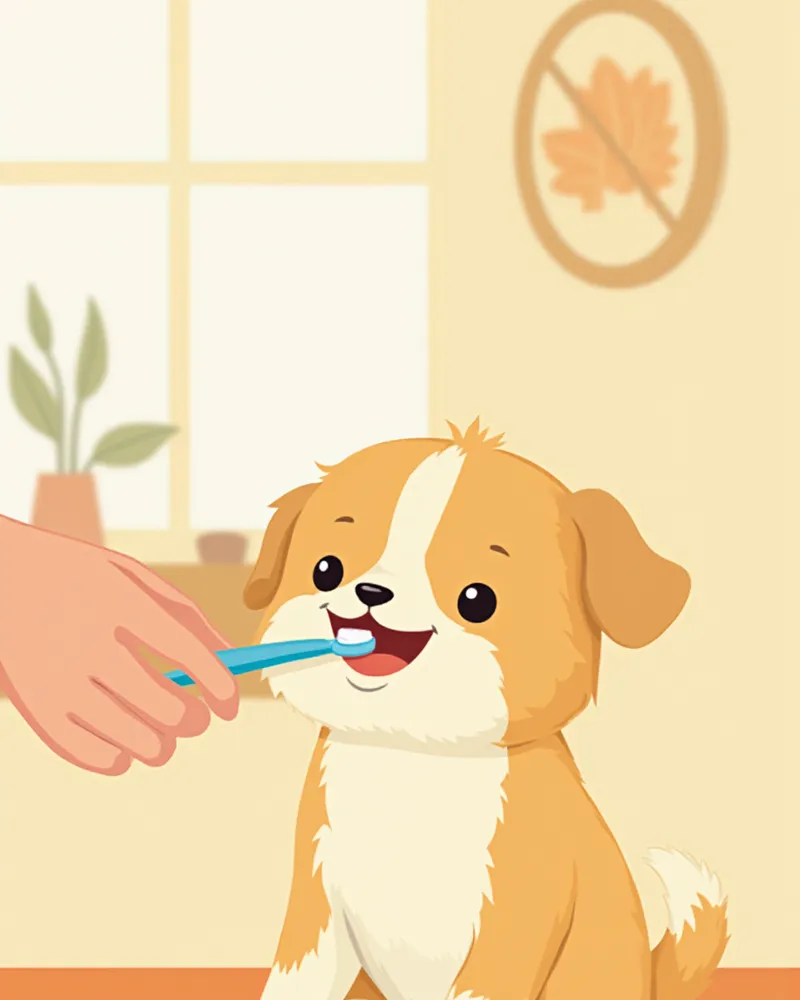
Cats Are a Little Different
When to See a Vet Before Using Supplements or Chews
If you notice any of the following signs, please consult a veterinarian before selecting a product: - A severe bad breath from the mouth that persists for more than two weeks - Red or bleeding gums - Chewing on only one side or dropping food - Excessive drooling - Frequent face scratching or swelling on one side of the face These symptoms are highly indicative of existing periodontitis or a periapical abscess. Please remember that nutritional supplements are intended for prevention and maintenance, not for treating active disease.
Reviewed by a veterinarian

Dr. Tony — Punnawat Phongkittirak
VeterinarianA veterinarian who majored in veterinary medicine at Khon Kaen University, Thailand, and completed the IVSA program at North Carolina State University in the United States. Drawing on clinical experience at animal hospitals, he works in the pet healthcare field and is dedicated to building a digital care environment that connects pet parents with veterinarians.
Reviewed 2026-04-26
Frequently Asked Questions
Does giving my pet dental chews mean I don’t need to brush their teeth?
What is VOHC certification?
My child won’t drink water because the water additive has an odd taste.
How long does it take to see results from oral supplements?
Are there any products that can be used by both dogs and cats?
Share
Related Guides

7 Best Cat Dental Chews for Tartar Prevention Recommended by Veterinarians and Selection Criteria

Top 5 Recommended Dental Treats for Dogs in 2026 — VOHC Certification Criteria

7 Criteria for Choosing Dog Tartar Prevention Dental Chews Recommended by Veterinarians
Comparing Prescription Joint Diets for Dogs — Hill's j/d vs Royal Canin Mobility

Pet Hotel vs. Pet Sitter Comparison Guide

Freeze-Dried vs. Raw Diets: Which Is Better for Your Pet?
Where to Take Your Pet: Differences Between General Practitioners and Specialists, and When to Visit

Perfect Comparison of Nutritional Differences Between Dogs and Cats

Dogs vs Cats — How Do Diet, Exercise, and Immune Management Differ?

Persian vs. Himalayan — Personality, Health, and Care: Which Cat Is Right for Your Home?
References
[1] Delaney S.J., Fascetti A.J. (eds.), Applied Veterinary Clinical Nutrition, 2nd Ed, Chapter on Dental Health and Nutrition, 2023
[2] Harvey C.E. et al., Correlation of Diet, Other Chewing Activities and Periodontal Disease in North American Client-Owned Dogs, J Vet Dent, 1996
[3] Ingham K.E. et al., Effect of a dental chew on dental substrates and gingivitis in cats, J Vet Dent, 2002
[4] VOHC (Veterinary Oral Health Council) Accepted Products List, 2024