

Natural Death vs. Euthanasia: A Comparison Guide for Your Pet’s Final Choice
We’ve put together a clear comparison of natural death versus euthanasia in pets, along with a table outlining the key factors pet owners should consider—such as pain levels, timing, and procedural guidelines.
What’s the Difference Between Natural Death and Euthanasia?
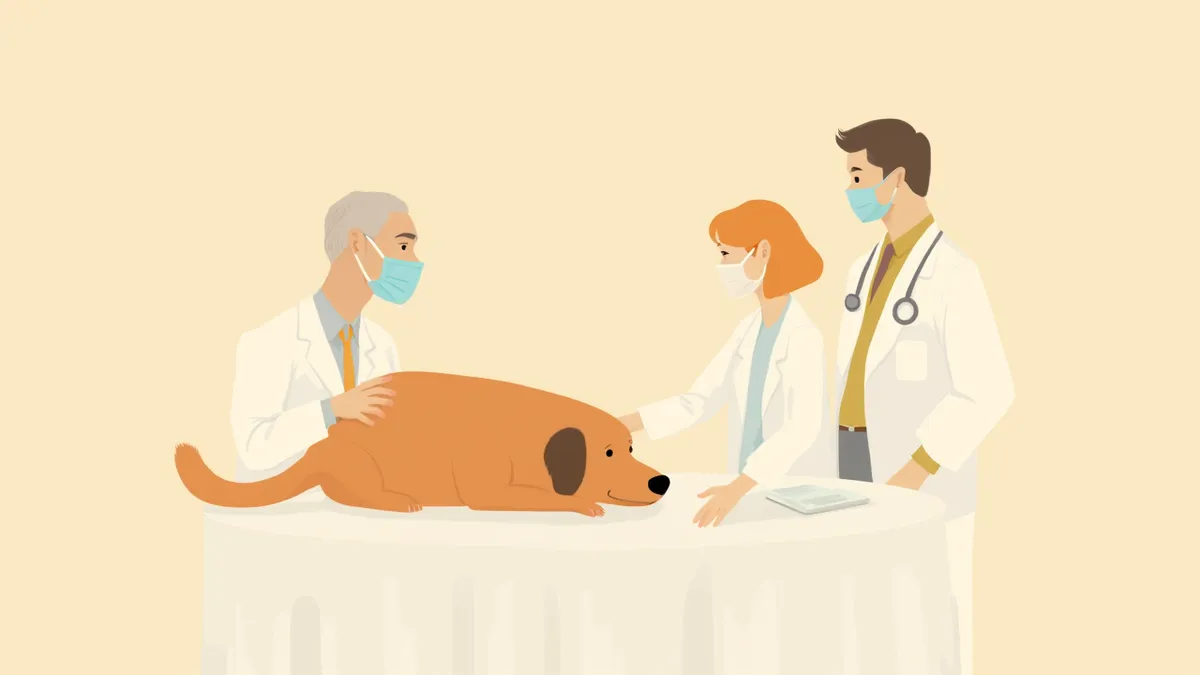
What Is Natural Death? The Process of Letting Life End Naturally
What Is Euthanasia? A Medical Procedure to End Suffering

Key Comparison: Natural Death vs. Euthanasia
| Item | Natural death | Euthanasia |
|---|---|---|
| Method | Observation without medical intervention | Veterinarian administers medication after sedation |
| Pain control | Only 'relief' possible with analgesics | Immediate, complete elimination of pain |
| Time required | Days to weeks (hard to predict) | Seconds to minutes (two-stage procedure) |
| Burden on guardian | Long caregiving and emotional exhaustion | Brief but the weight of the decision |
| Location | Home or clinic | Clinic or home visit (some cases) |
| Cost | Ongoing caregiving and medication costs | One-time procedure cost (varies by clinic) |
| When appropriate | Pain manageable, peaceful course | Pain or breathing difficulty uncontrollable |
Neither approach is 'better'—it depends on the level of your pet's suffering.
How to Assess Pain
If these signs persist or pain remains uncontrolled even with medication, it is time to discuss euthanasia with your veterinarian. Since pain manifests differently in each animal, it is best for the vet to objectively assess it using one or more pain evaluation tools. - Refusing favorite foods and treats entirely - Unable to stand on their own and losing control of bowel and bladder functions - Irregular breathing that does not improve even with oxygen support - Continued screaming, trembling, or labored breathing despite pain medication - Showing no response to previously enjoyed activities, such as walks or petting
When to Consult with Your Veterinarian

Care for the Caregiver’s Heart — Guilt Is Not a Mistake
Please Avoid These Mistakes
- Do not attempt home treatment: Sourcing medications online and trying to administer them at home constitutes animal cruelty. Euthanasia must be performed by a licensed veterinarian in strict accordance with AVMA guidelines. - Avoid impulsive decisions: Instant judgments, such as fearing your pet won’t survive the night, can be dangerous. Take sufficient time to observe changes in pain levels and consciousness together with your veterinarian before making a decision. - Avoid aggressive life-prolonging measures: Forced intravenous fluids or oxygen therapy in cases with no chance of recovery can actually increase suffering. - Do not decide alone: Decisions made after thorough consultation with family members and your veterinarian are less likely to lead to regret later on.
Reviewed by a veterinarian

Dr. Tony — Punnawat Phongkittirak
VeterinarianA veterinarian who majored in veterinary medicine at Khon Kaen University, Thailand, and completed the IVSA program at North Carolina State University in the United States. Drawing on clinical experience at animal hospitals, he works in the pet healthcare field and is dedicated to building a digital care environment that connects pet parents with veterinarians.
Reviewed 2026-04-28
Frequently Asked Questions
Can euthanasia be performed at home?
Is it okay to give my pet food if they show interest in eating right before euthanasia?
Is it better to let other pets witness the final moments?
What if my pet seems to be in too much pain during the natural passing process?
What decisions need to be made immediately after euthanasia?
Share
Related Guides

Primary vs. Secondary Veterinary Hospitals: A Comparison

5 Easy-to-Raise Cat Breeds for First-Time Owners — Grooming Difficulty Comparison

Top 7 Short-Legged Dog Breeds

Comparison of Dog Skin Supplement Ingredients by Type — Key Points on Omega-3, Zinc, and Biotin
Comparing Prescription Joint Diets for Dogs — Hill's j/d vs Royal Canin Mobility
Pet Hotel vs. Pet Sitter Comparison Guide

Freeze-Dried vs. Raw Diets: Which Is Better for Your Pet?
Where to Take Your Pet: Differences Between General Practitioners and Specialists, and When to Visit

Perfect Comparison of Nutritional Differences Between Dogs and Cats

Dogs vs Cats — How Do Diet, Exercise, and Immune Management Differ?
References
[1] Plumb's Veterinary Drug Handbook, 10th Edition — Pentobarbital (Euthanasia)
[2] Small Animal Anesthesia and Pain Management: A Color Handbook, 3rd Edition — Two-stage Euthanasia, Ch.33
[3] Underwood W, Anthony R. AVMA Guidelines for the Euthanasia of Animals: 2020 Edition. AVMA, 2020.
[4] Kollias NS et al., Literature review on current practices of pentobarbital euthanasia, J Am Vet Med Assoc, 2023;261(5):733-8.