Like
Share
멍실장
기본 검진 vs 정밀 검진, 우리 아이에게 뭐가 맞을까?

Basic vs. Comprehensive Checkups — Which Is Right for Your Pet?

ImmunityComparisonsMeongsiljang Veterinary Advisory Board

Compare the differences between basic and comprehensive checkups for dogs and cats, including test items, costs, and ideal scenarios at a glance. We’ll guide you on how to choose the right checkup based on your pet’s age and health status.

Basic vs. Comprehensive Checkups: What’s the Difference?

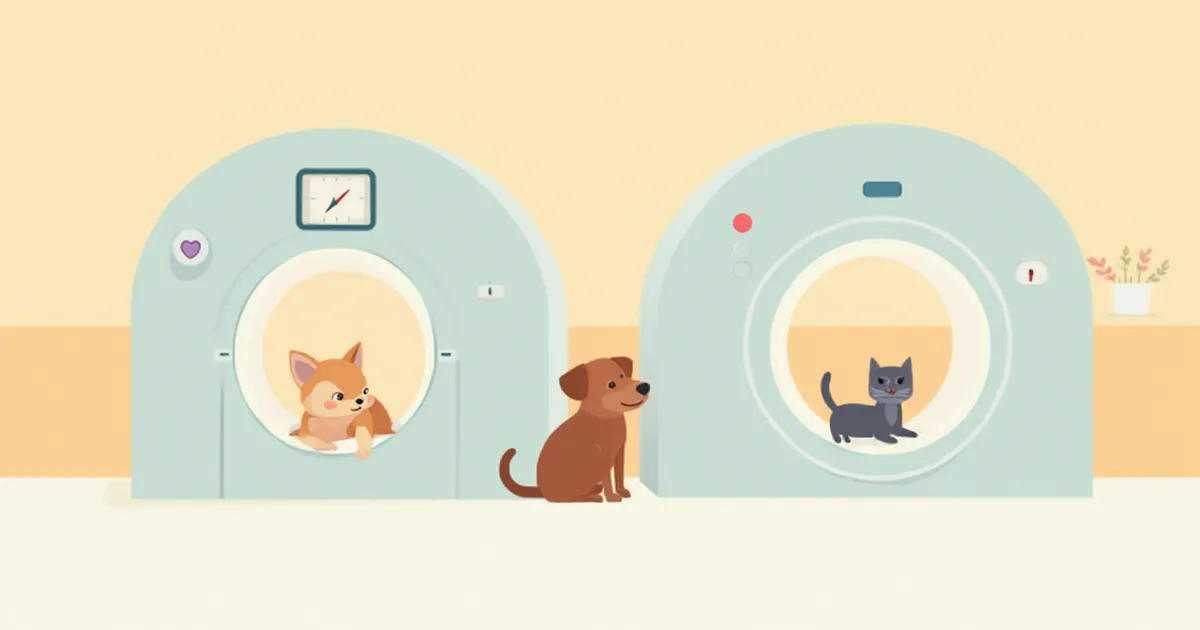
A veterinarian examining a puppy and a kitten.
Pet health checkups are preventive medical procedures divided into basic and comprehensive exams. The most important factors are your pet’s age and overall health. For young, healthy pets, a basic exam is usually sufficient, but comprehensive exams are recommended for seniors aged seven and older or those with underlying health conditions. Since the number of tests, time required, and cost can differ by two to five times, the key is choosing the appropriate exam for your pet rather than automatically opting for the more expensive option.

Why Are Regular Checkups Necessary?

Pets can’t tell us when they’re in pain. Cats, in particular, are masters at hiding signs of discomfort or illness, so by the time owners notice something’s wrong, the disease has often progressed significantly. Veterinary preventive care guidelines emphasize that the core purpose of regular check-ups is disease prevention and early detection, urging pet owners not to overlook subtle, early warning signs. Some conditions remain invisible despite a seemingly healthy appearance and only become apparent through a “minimum database” of blood, urine, and imaging tests. For this reason, regular veterinary exams are not optional—they’re essential.

Basic vs. Comprehensive Checkups at a Glance

ItemCategoryBasic checkupComprehensive checkup
Number of test itemsCategory10–15 items30–50+ items
Time requiredCategory30 minutes–1 hour2–4 hours (same day or overnight)
Blood testCategoryBasic CBC and biochemistry, 8–12 panelsAdvanced biochemistry 20–30 panels + hormones
Imaging examCategoryBasic X-rayX-ray + ultrasound (+ CT/MRI)
Cardiac examCategoryAuscultation onlyEchocardiography + electrocardiography
Estimated costCategory100K–250K KRW400K–1,000K KRW or more
Recommended forCategoryHealthy adult dogs/cats aged 1–6Age 7+ / underlying conditions / specific symptoms

Costs may vary by hospital, region, and equipment. These are averages as of 2026.

When a Basic Checkup Is Sufficient
The basic checkup is designed as an annual wellness exam for healthy adult dogs and cats aged 1 to 6 years. Here are the main components:
Physical Examination: Assessment of overall health through weight, temperature, heart rate, and lymph node palpation.
Blood Work (CBC + Basic Biochemistry): Screening for anemia, liver and kidney abnormalities, and blood sugar irregularities.
Urinalysis: Evaluation of kidney function and detection of urinary tract infections.
Fecal Examination: Checking for parasites and gastrointestinal issues.
Basic X-rays: Screening for anatomical abnormalities in the chest and abdomen.
These tests align with the "minimum database" (CBC, biochemistry, urinalysis, and optional imaging) recommended in veterinary textbooks, serving as a foundational net to broadly screen for hidden conditions such as anemia, liver or kidney dysfunction, and metabolic disorders. However, since this panel does not detect every possible disease, additional testing is necessary if symptoms persist, even if the initial results are normal.
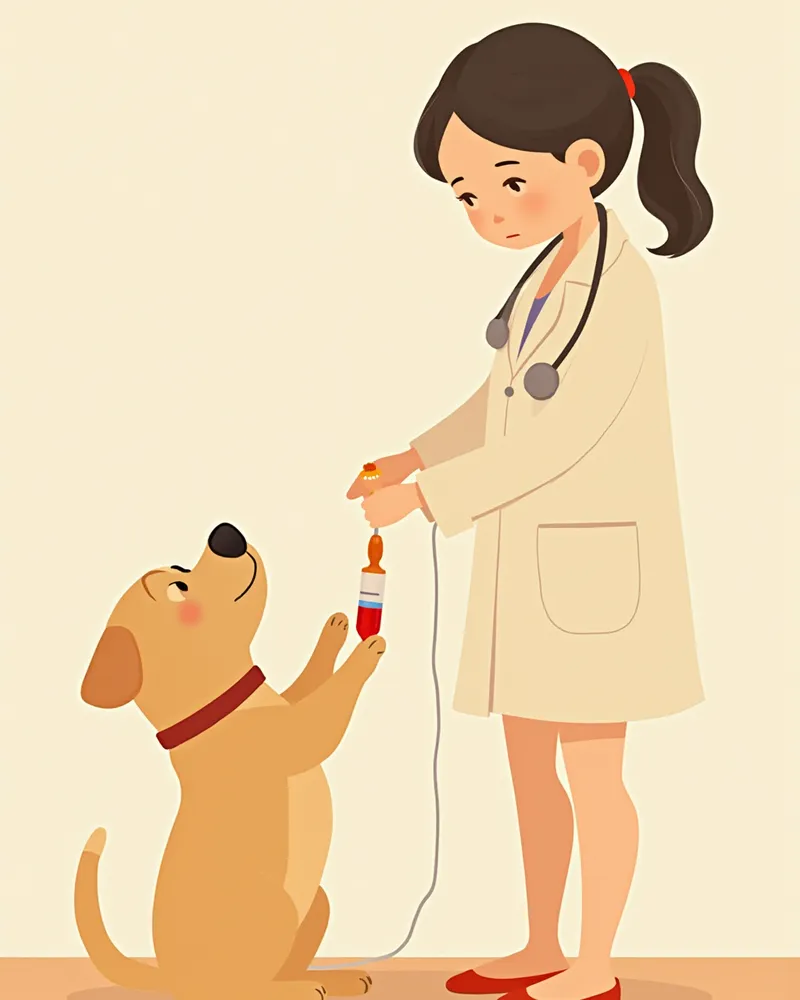
A dog undergoing a blood test as part of a routine health checkup.

When a Comprehensive Checkup Is Essential

Comprehensive diagnostics are in-depth tests designed to detect early-stage or complex conditions that routine check-ups may miss. In such cases, a basic exam alone isn’t enough.
Dogs aged 7 and older (middle-aged to senior): As dogs age, their risk of heart disease, kidney disease, and tumors increases, making more thorough screening essential.
Managing pre-existing conditions: Pets with diabetes, Cushing’s disease, thyroid disorders, or heart disease.
Symptoms present but cause unknown: Weight loss, frequent vomiting, or coughing.
Pre-surgery: Baseline testing to develop an anesthesia plan and assess risks.
Specific breeds: Brachycephalic breeds prone to respiratory issues, breeds predisposed to heart disease, and other breeds with known health susceptibilities.
In these situations, advanced tests such as abdominal and cardiac ultrasounds, along with hormone panels, become key to reaching an accurate diagnosis.

Signs That Require an Immediate Comprehensive Checkup

If any of the following symptoms persist for more than two weeks or recur, a comprehensive diagnostic workup is necessary rather than a routine checkup: • Unexplained weight loss (10% or more) • Noticeably increased water consumption • Weight loss or gain despite unchanged food intake • Frequent vomiting, diarrhea, or blood in the stool • Coughing, difficulty breathing, or refusal to exercise • Changes in gum color (pale or yellow) • A distended or bloated abdomen Even if a routine checkup yields a "normal" result, a comprehensive diagnostic workup must be performed if symptoms persist.

Recommended Checkup Frequency by Age

Because pets age faster than humans, their health can change significantly within a single year. For this reason, veterinary textbooks and preventive care guidelines recommend scheduling check-ups based on "life stage" rather than chronological age.
Puppy/Kitten (Birth to 1 year): Multiple basic health checks aligned with the vaccination schedule
Adult Dog/Cat (1–6 years, young adulthood): At least one basic check-up per year
Middle-aged to Senior (7–10 years): One check-up per year as a baseline, with additional detailed tests as needed
Geriatric (Over 10 years): Increased frequency and intensity of check-ups for more regular monitoring
Pets with underlying conditions: Shorter intervals as directed by your veterinarian
The senior care guidelines from the American Animal Hospital Association (AAHA) and the American Association of Feline Practitioners (AAFP) also recommend increasing the intensity of examinations as pets age.
A senior dog undergoing an ultrasound examination

Differences in Checkup Items: What’s Included?

Comprehensive checkups cost more because they include tests designed to uncover hidden diseases.
Echocardiogram: Detects early-stage heart disease that stethoscope exams alone might miss.
Abdominal Ultrasound: Reveals internal organ structures and tumors invisible on X-rays.
Thyroid Hormone (T4): Diagnoses hyperthyroidism in cats and hypothyroidism in dogs.
SDMA and Cushing’s Disease Tests: Catches early kidney and adrenal abnormalities even when blood creatinine levels appear normal.
Blood Pressure Measurement: Screens for kidney disease and hypertension complications in cats.
Intraocular Pressure and Ophthalmic Exams: Enables early detection of glaucoma and retinal abnormalities.
These tests can identify abnormalities months to years before clinical symptoms appear.

Smart Ways to Save on Checkup Costs

You don’t necessarily need to have a comprehensive checkup every year. Here are some cost-saving tips for pet owners: • Keep records of baseline checkup results when your pet is healthy: These serve as a reference point later on, helping to avoid unnecessary repeat tests. • Check for local government or insurance support: Some areas offer partial subsidies for senior pet checkups. • Use bundled checkup packages: Combining tests can be 20–30% cheaper than paying for each item individually. • Consult with your vet about which tests are necessary: This helps you choose only the items that are truly needed for your pet. The most expensive thing is a disease discovered too late. Early detection significantly reduces both treatment costs and stress.

Reviewed by a veterinarian

Dr. Tony — Punnawat Phongkittirak

Dr. Tony — Punnawat Phongkittirak

Veterinarian

A veterinarian who majored in veterinary medicine at Khon Kaen University, Thailand, and completed the IVSA program at North Carolina State University in the United States. Drawing on clinical experience at animal hospitals, he works in the pet healthcare field and is dedicated to building a digital care environment that connects pet parents with veterinarians.

Frequently Asked Questions

If the basic screening results are normal, do I still need to have a comprehensive examination?
If your pet is under seven years old and shows no symptoms, a routine checkup is usually sufficient. However, if they are seven or older or have any underlying health conditions, we recommend a comprehensive exam every two to three years, even if their routine checkup results are normal. This is because some early-stage diseases may not be detected during a basic examination.
Are the check-up items different for dogs and cats?
While the basic framework is the same, the areas of focus differ. For cats, thyroid hormone, kidney (SDMA), blood pressure, and oral exams are more important, while for dogs, heart, joint, and endocrine disease screenings take priority. Recommended tests also vary by breed, so it's best to consult with your veterinarian to determine the most appropriate options.
Is fasting before the check-up really necessary?
For accurate blood test results, an 8- to 12-hour fast is typically required. Water is fine to drink up to two hours before the checkup. However, for pets at risk of diabetes or hypoglycemia, prolonged fasting can be dangerous, so be sure to consult your veterinarian to adjust the fasting period accordingly.
Are there any detailed examination items that require anesthesia?
CT, MRI, endoscopy, and detailed dental exams require anesthesia or sedation to keep your pet still. Blood tests, urinalysis, ultrasound, and X-rays are usually done without anesthesia. For senior pets, it’s important to have heart, liver, and kidney checks before anesthesia to ensure safety.
Should I definitely keep a copy of the checkup results?
Yes, please be sure to keep your records. Tracking how values change over time is far more important than any single test result. Even if creatinine levels are within the normal range, a slight year-over-year increase could be an early sign of declining kidney function. Saving the reports as PDFs in the cloud ensures continuity of care, even if you switch clinics.

Share

Related Guides

References

[1] Stockham, S.L., Scott, M.A., Fundamentals of Veterinary Clinical Pathology, 3rd Edition

[2] Creedon, J.M.B., Davis, H., Advanced Monitoring for Small Animal Emergency and Critical Care, 2nd Edition

[3] AAHA Canine Life Stage Guidelines, 2019

This information is based on veterinary literature and does not replace diagnosis or treatment. Please consult a veterinarian for specific health concerns.

Metapet Co., Ltd. | CEO: Park Sung-yong | Business Reg. No. 417-88-02562 | Seoul, South Korea | Customer Center

Basic vs. Comprehensive Pet Checkups — Which Is Right? | Meongsiljang