Like
Share
멍실장
에너지·식욕 보조 영양제 비교 가이드

Comparison Guide to Energy and Appetite Supplements

WeightComparisonsMeongsiljang Veterinary Advisory Board

This guide compares energy and appetite supplements for dogs and cats by ingredients, effects, and precautions, and summarizes which supplement is suitable for each situation.

What Are Energy and Appetite Supplements?
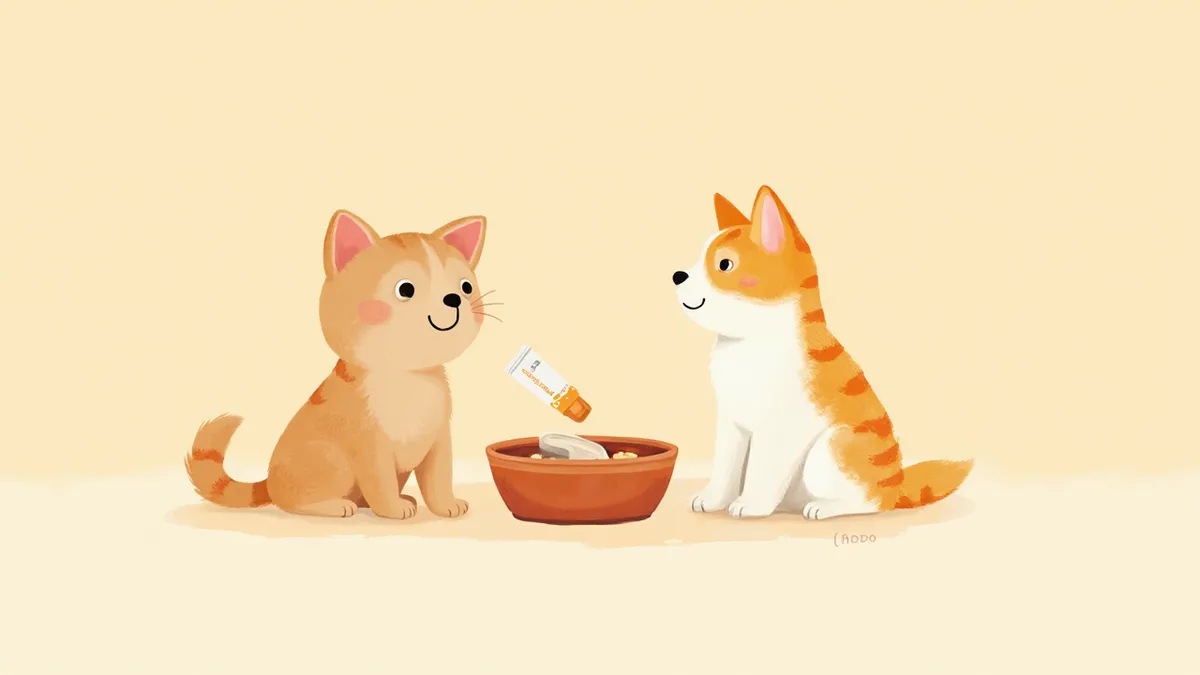
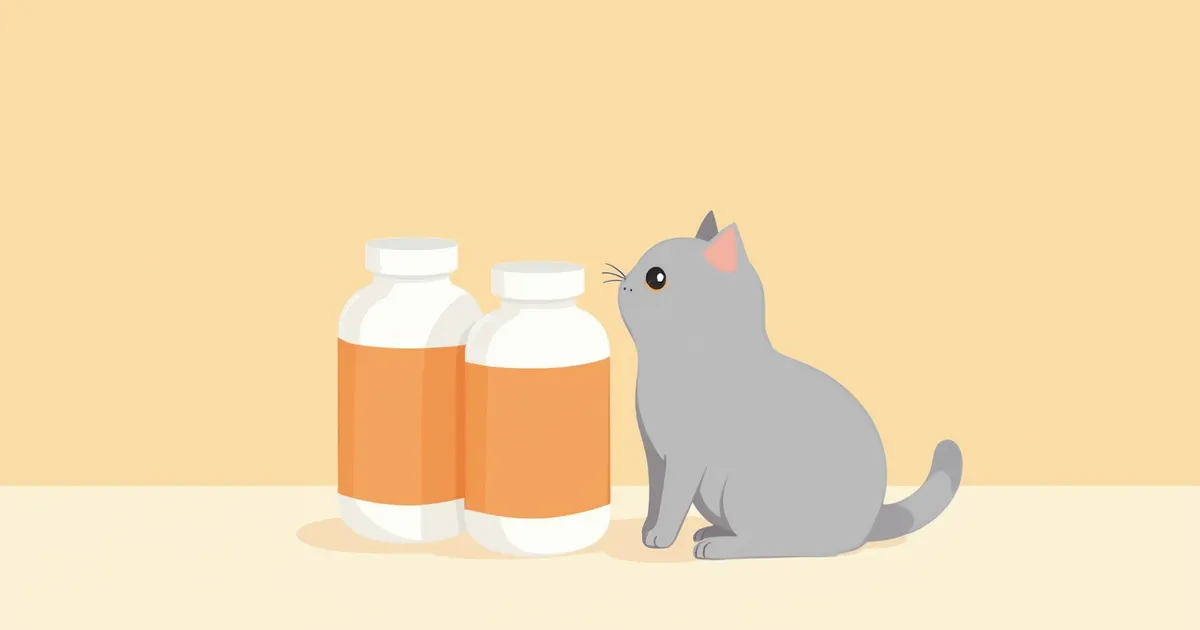
Illustration of a dog and a cat alongside an appetite-supporting supplement.
Energy and appetite support supplements provide an easy way to replenish high-calorie, high-nutrient intake for pets who are not eating well or have weakened physical strength during recovery. The most important thing is to first determine why they are not eating. Since it could be a sign of illness rather than just a picky appetite, if a loss of appetite persists for more than 24 hours, veterinary care should take priority over supplements. Supplements are ultimately just a supportive measure.

When Are They Needed?

Energy supplements help fill gaps in stamina and nutrition during specific situations. If your pet fits any of the following scenarios, you may consider using them as a supplement after consulting with your veterinarian: - Recovery Period: Weight loss and dehydration recovery after surgery, infection, or diarrhea - Senior Years: A time when muscle mass decreases and appetite declines - Picky Eaters: Small dogs and cats who don’t get enough calories from their regular food alone - Pregnancy and Lactation: Energy and nutrient needs increase significantly during pregnancy and nursing, making adequate nutrition especially important - Active Large Breeds: Dogs whose activity levels exceed their basal metabolic rate

Comparison of Main Energy and Appetite Supplement Types

ItemHigh-calorie gelNutritional pastePowdered supplementLiquid appetite stimulant
Main useShort-term energy supplementationComprehensive nutritional supportProtein/fat reinforcementStimulating decreased appetite
Key ingredientsDextrose, B vitaminsOils, vitamins, mineralsWhey protein, fatAmino acids, B12
Ease of administrationTrueTrueFalseTrue
Suitable for long-term useFalseTrueTrueFalse
Suitable for young/seniorTrueTrueFalseTrue

Actual products vary by situation, body weight, and underlying disease, so choose after consulting your veterinarian

Key Ingredient Cards for Supplements

Caution

덱스트로스(Dextrose)

즉각적인 에너지 공급

Dosage: 제품 기준 준수

저혈당 보조에 활용

Safe

비타민B군(Vitamin B Complex)

대사 촉진·식욕 개선

Dosage: 제품 기준

수의내과학 교과서 권장

Safe

L-카르니틴(L-Carnitine)

지방 에너지 전환 보조

Dosage: 체중별 상이

근육 유지 연구 보고

High risk

시프로헵타딘(Cyproheptadine)

고양이 식욕 자극제

Dosage: 수의사 처방 필수

처방약, 자가 투여 금지

Safe

오메가3(EPA/DHA)

염증 완화·회복 보조

Dosage: 체중 1kg당 기준

회복기 식욕 회복 보고

Important Checks Before Choosing a Supplement

If your pet’s loss of appetite lasts for several days or is accompanied by vomiting, diarrhea, or lethargy, don’t start with nutritional supplements—visit a veterinary clinic to identify the underlying cause. This is especially critical for cats, as even a few days of reduced food intake can significantly increase the risk of hepatic lipidosis (fatty liver disease). Prompt veterinary care is essential if symptoms persist. Nutritional supplements should only be used as a supportive measure after a proper diagnosis.

Dogs vs. Cats: Different Choices

Dogs and cats have different metabolic structures, so the same supplement may not be suitable for both. - Dogs: Dogs metabolize carbohydrates efficiently, making dextrose- or grain-based gels a suitable option. Dosage should be adjusted according to body weight and activity level. - Cats: Cats have higher requirements for protein and amino acids, so products containing taurine and arginine are more beneficial. Carbohydrate-heavy supplements are generally less suitable for cats. - Important precautions for both: Human multivitamins and "natural" supplements containing garlic or onion extracts are strictly prohibited.
An illustration showing the differences in energy supplements suitable for dogs and cats.

Situation-Based Selection Guidelines

If you’re unsure which supplement to choose, consider these situation-based guidelines: - Short-term hypoglycemia or exhaustion: High-calorie gel (for immediate absorption) - Nutritional gaps during recovery: Nutritional paste (for comprehensive support) - Chronic weight loss: Powdered protein and fat supplements (for long-term use) - Picky eating or reduced appetite: Liquid appetite stimulants (for short-term use) - Inflammation or joint recovery: Omega-3 fatty acids in combination Note that pharmaceutical appetite stimulants vary by species. Cats may be prescribed mirtazapine or cyproheptadine, while dogs may receive capromorelin, among others. All such medications require a prescription and must be used strictly under veterinary guidance.

Precautions for Long-Term Use

Energy supplements are typically high in calories, so long-term overuse can lead to obesity, fatty liver disease, and blood sugar imbalances. In pets with diabetes, pancreatitis, or kidney failure, even a single ingredient can worsen their condition. If you plan to use these supplements for more than two weeks, always consult your veterinarian and monitor with blood tests.

Proper Administration Methods
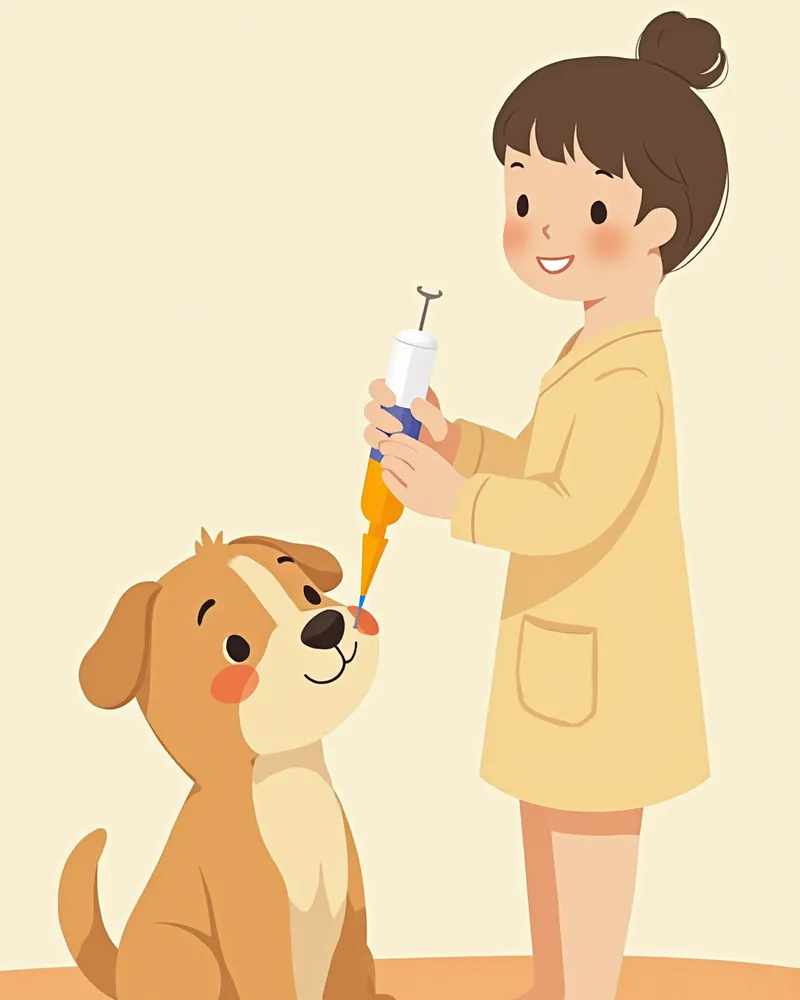
To get the most out of supplements, proper administration is key. - After meals, not on an empty stomach: Except in emergencies for hypoglycemia, give dextrose gel in small amounts after meals. - Divide into small doses: Giving too much at once can cause diarrhea or vomiting. - With water: To help prevent dehydration, offer pastes and powders alongside fresh water. - Maintain regular food intake: Continue feeding your pet’s regular diet so supplements don’t replace their main meals. - Check expiration dates: As a general rule, use within 4–6 weeks after opening.
A small amount of nutritional paste being fed to a puppy

Reviewed by a veterinarian

Dr. Tony — Punnawat Phongkittirak

Dr. Tony — Punnawat Phongkittirak

Veterinarian

A veterinarian who majored in veterinary medicine at Khon Kaen University, Thailand, and completed the IVSA program at North Carolina State University in the United States. Drawing on clinical experience at animal hospitals, he works in the pet healthcare field and is dedicated to building a digital care environment that connects pet parents with veterinarians.

Frequently Asked Questions

Can I give my pet human nutritional supplements?
No, you shouldn't. Products intended for humans may contain ingredients that are unsuitable for pets, and their nutrient ratios and dosages are formulated differently. To ensure your pet's safety, always use supplements specifically manufactured for animals.
Can I increase my pet’s weight with supplements alone?
It’s not that simple. Supplements are just a supportive measure, and for sustained weight gain, you’ll need to address the underlying condition and adjust the amount of food being fed. It’s best to work with your veterinarian to create a tailored nutrition plan.
Is it okay to give energy gel every day?
I don’t recommend it. Most of these products are intended for short-term emergency or recovery use, so daily long-term feeding can lead to excessive sugar and fat intake. Use them only for the necessary period, and for long-term nutritional support, a comprehensive nutritional paste is a better choice.
Can appetite stimulants be purchased without a prescription?
No, all appetite stimulants require a prescription. Cats may be prescribed mirtazapine or cyproheptadine, while dogs may receive capromorelin, among others. The appropriate medication varies depending on the species and any underlying health conditions. Because self-medicating poses significant risks of adverse effects and dosing errors, these drugs must only be used under veterinary supervision after a proper examination.
What type is most suitable for senior dogs and cats?
During the senior years, when muscle loss and decreased appetite often occur together, a nutritional paste containing protein, L-carnitine, and B vitamins can be beneficial. However, if your pet has any underlying health conditions, it's important to consult with your veterinarian to ensure each ingredient is appropriate for their specific needs.

Share

Related Guides

References

[1] National Research Council, Nutrient Requirements of Dogs and Cats, 2006

[2] Fascetti AJ, Delaney SJ, Applied Veterinary Clinical Nutrition, 2nd Ed, 2023

[3] Riviere JE, Papich MG, Handbook of Veterinary Pharmacology, 2009

This information is based on veterinary literature and does not replace diagnosis or treatment. Please consult a veterinarian for specific health concerns.

Metapet Co., Ltd. | CEO: Park Sung-yong | Business Reg. No. 417-88-02562 | Seoul, South Korea | Customer Center

Energy & Appetite Supplements Compared for Dogs & Cats | Meongsiljang