Like
Share
멍실장
MCT 오일 효능과 안전 급여량 — 강아지 고양이 체중 관리

MCT Oil Benefits and Safe Feeding Dosage — Weight Management for Dogs and Cats

WeightIngredientsMeongsiljang Veterinary Advisory Board

MCT oil is a medium-chain triglyceride extracted from coconut and palm kernel oils, commonly used to support weight management and cognitive brain function. We’ve outlined the safe dosage guidelines based on body weight, along with important precautions.

What is MCT Oil?
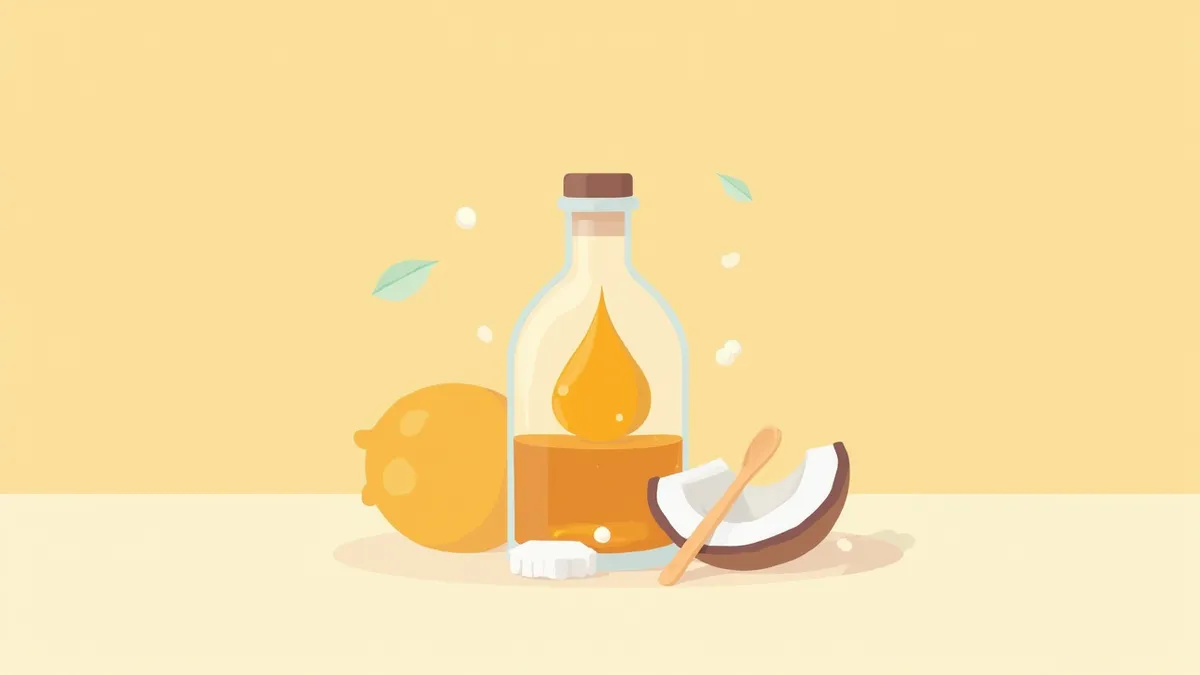
An image showing a bottle of MCT oil and coconut slices.
MCT oil (Medium-Chain Triglyceride Oil) is a plant-based oil derived from coconut and palm kernel oils, composed of medium-chain fatty acids. Weight management is a key consideration. Unlike long-chain fatty acids, MCTs are absorbed directly into the liver via the portal circulation after digestion, allowing them to be rapidly converted into energy. While specific claims regarding ketone body conversion or reduced fat storage rates are not clearly supported by the provided veterinary textbooks, MCT oil is used as a supplementary nutrient for senior dogs and overweight pets. However, since it is still a fat, excessive intake can lead to diarrhea or pancreatitis; therefore, it is essential to start with small amounts.

Key Benefits of MCT Oil

MCTs follow a different metabolic pathway than standard long-chain fatty acids, which gives them several distinctive benefits. - Rapid energy conversion: Unlike long-chain fatty acids, MCTs are absorbed directly into the liver via the portal circulation after digestion, allowing them to be quickly utilized as an energy source. - Support for weight management: They can be used as a supplementary aid when combined with a calorie-restricted diet. However, evidence from the provided veterinary textbooks is limited regarding their ability to inhibit body fat accumulation or induce satiety. - Nutritional support for senior pets: MCTs can serve as a supplementary energy source for older pets. That said, it is difficult to confirm their effectiveness in supplying energy to the aging brain or improving symptoms of cognitive dysfunction syndrome (CDS) based solely on the provided veterinary textbooks. Therefore, if you are considering them for these purposes, it is best to consult with your veterinarian. - Digestive and absorption efficiency: MCTs are easily hydrolyzed during digestion, making them a more efficiently absorbed source of fat energy compared to long-chain fatty acids. - Caution regarding other effects: It is difficult to confirm claims such as reduced seizure frequency or improved skin and coat condition based solely on the provided veterinary textbooks. If you intend to use MCTs for these purposes, please consult with your veterinarian.

Veterinary Research Evidence

The properties of MCTs are partially supported by veterinary nutrition textbooks. According to the National Research Council (NRC) veterinary textbook, MCTs consist mainly of C8 and C10 fatty acids with small amounts of C6 and C12. They are easily hydrolyzed during digestion and, unlike long-chain fatty acids, are absorbed as an efficient fat energy source via the portal circulation. While coconut oil is a source of MCTs, it also contains long-chain fatty acids, so a fractionation process is required to obtain pure MCTs. However, effects such as providing energy to the aging brain, improving clinical symptoms of cognitive dysfunction syndrome (CDS), reducing the frequency of idiopathic epilepsy seizures, and specific numerical findings from certain research teams (e.g., 5.5% MCT) cannot be confirmed solely based on the provided veterinary textbook evidence. Therefore, if you intend to use MCTs for these specific purposes, it is advisable to consult with a veterinarian.
An image of a veterinarian treating a senior dog

Key Components of MCT Oil

Safe

카프릴산(C8)

가장 빠른 케톤 전환, 에너지 공급

Dosage: MCT 중 50~60% 비율

수의영양학 교과서

Safe

카프르산(C10)

에너지 + 항균 보조

Dosage: MCT 중 30~40% 비율

보조 영양 연구

Caution

라우르산(C12)

항균·피부 보습

Dosage: 코코넛 유래 MCT에 포함

일반 MCT에선 낮은 비율 권장

Safe Feeding Dosage Guidelines by Weight

Always start with a small amount of MCT oil. Because MCT is high in fat, giving too much at once can cause diarrhea or digestive upset. The recommended veterinary approach is to begin with the lowest dose and gradually increase it over 3 to 7 days, stopping immediately if any adverse reactions occur. Since specific dosage figures, such as 0.1 to 0.25 ml per kilogram of body weight, are not supported by evidence in the provided veterinary textbooks, it is safest to follow the guidelines from your veterinarian or the product manufacturer. Pets with sensitivity to high-fat diets, a history of pancreatitis, or liver and biliary diseases must consult a veterinarian before administering MCT oil.

MCT Oil vs. Regular Plant-Based Oils

ItemMCT oilCoconut oilOlive/sunflower oil
Fatty acid lengthMedium-chain (C6–C12)Mix of medium- and long-chainMostly long-chain
Digestion & absorption pathwayEasy hydrolysis & portal absorptionMixed typeMostly long-chain absorption
Purity (refinement)Concentrated medium-chain fatty acidsFractionation requiredNot applicable
Use in weight managementCan be used as an adjunctLimitedOrdinary cooking oil
Caution with excessDiarrhea & digestive upsetDiarrheaWeight gain

MCT is a form in which coconut oil is fractionated to 'concentrate the medium-chain fatty acids (C6–C12),' so it is more efficient at hydrolysis and absorption than regular coconut oil, which contains a mix of long-chain fatty acids.

Proper Feeding Method

MCT oil is safest when mixed into your pet’s food. Giving it on an empty stomach can irritate the digestive tract and lead to diarrhea or vomiting. - Start: Begin with one-quarter of the recommended dose and monitor for three days. - Increase: If no adverse reactions occur, gradually increase to the target dose over 3–7 days. - Administration: Mix into the morning meal and administer once or twice daily in divided doses. - Storage: After opening, store in a cool place away from direct sunlight. - When to stop: Discontinue use immediately if diarrhea, vomiting, or decreased appetite occurs.
Puppies eating food mixed with MCT oil

Pets That Should Avoid MCT Oil

Since MCT oil is ultimately a fat, it can actually be harmful in certain conditions. - History of pancreatitis: High risk of recurrence due to fat stimulation - Diagnosis of hyperlipidemia: Caution advised for predisposed breeds such as Miniature Schnauzers - Biliary or liver disease: Impaired fat metabolism may lead to digestive issues - Acute phase of chronic diarrhea or IBD: Potential for symptom exacerbation - Pregnancy or lactation: Do not administer based on personal judgment; always consult a veterinarian If any of these conditions apply, you must consult your veterinarian before administering MCT oil.

Side Effects and Management
The most common side effects are soft stools or diarrhea. These usually occur when the feeding amount is too high or the increase in dosage was too rapid. In such cases, stop administration immediately, wait for 24 hours, and then try again starting with a dose of no more than half the original amount. If repeated vomiting, a hunched posture due to abdominal pain, or decreased appetite persists for more than 48 hours, these may be signs of pancreatitis, so you should visit a veterinarian immediately. Blood tests (lipase and cPL) may be necessary for confirmation.
An image of a veterinarian examining a dog's abdomen

Reviewed by a veterinarian

Dr. Tony — Punnawat Phongkittirak

Dr. Tony — Punnawat Phongkittirak

Veterinarian

A veterinarian who majored in veterinary medicine at Khon Kaen University, Thailand, and completed the IVSA program at North Carolina State University in the United States. Drawing on clinical experience at animal hospitals, he works in the pet healthcare field and is dedicated to building a digital care environment that connects pet parents with veterinarians.

Frequently Asked Questions

Are coconut oil and MCT oil the same thing?
They’re different. Coconut oil contains a mix of medium- and long-chain fatty acids, whereas MCT oil is a concentrated form consisting solely of medium-chain fatty acids (primarily C8 and C10, with small amounts of C6 and C12). Pure MCT oil is more efficient in terms of absorption and energy conversion.
Can I give MCT oil to my cat?
It is possible, but you should start with a much smaller amount than you would for a dog. According to veterinary literature, research on MCTs for cats is still limited, so it is safest to determine the exact dosage after consulting with your veterinarian. Cats are highly sensitive to dietary fat, so extra caution is required.
Is it safe to give it to my pet every day?
Studies suggest that when given in appropriate amounts to healthy pets, long-term administration is possible. However, it's a good idea to regularly check weight and blood values to monitor for any potential side effects.
Can I give my pet human-grade MCT oil?
Pure MCT oil without additives (such as flavorings or sweeteners) can be used for humans. However, pet-specific products have clear dosage guidelines, making them safer for first-time pet owners.
How long does it take to see the effects of the diet?
MCT oil alone won’t cause weight loss. It should be used alongside a calorie-controlled diet and exercise, and the time it takes to see results can vary from pet to pet. It’s important to work with your veterinarian to set weight management goals and monitor progress regularly.

Share

Related Guides

References

[1] Pan Y. et al., Dietary supplementation with medium-chain TAG has long-lasting cognition-enhancing effects in aged dogs, British Journal of Nutrition, 2010

[2] Law T.H. et al., A randomised trial of a medium-chain TAG diet as treatment for dogs with idiopathic epilepsy, British Journal of Nutrition, 2015

[3] Small Animal Clinical Nutrition, 5th Edition, Hand et al., Mark Morris Institute

This information is based on veterinary literature and does not replace diagnosis or treatment. Please consult a veterinarian for specific health concerns.

Metapet Co., Ltd. | CEO: Park Sung-yong | Business Reg. No. 417-88-02562 | Seoul, South Korea | Customer Center

MCT Oil for Dogs & Cats: Benefits and Safe Dosage | Meongsiljang