
Tryptophan Effects: Separation Anxiety and Calming
Tryptophan is an essential amino acid that serves as a precursor to serotonin, and it may help alleviate separation anxiety and aggression. We’ve summarized its effects, recommended dosage, and precautions based on veterinary evidence.
What Is Tryptophan? An Essential Amino Acid and Precursor to Serotonin
5 Main Effects of Tryptophan
What Veterinary Research Says
Tryptophan Ingredient Card
L-트립토판(L-Tryptophan)
세로토닌·멜라토닌 전구체로 불안·수면 조절 보조
Dosage: 체중 kg당 하루 약 10mg 내외 (수의사 처방 기준)
수의행동학 교과서, DeNapoli 2000, Kato 2012
α-카소제핀(Alpha-casozepine)
GABA 수용체 작용, 트립토판과 병용 시 불안 완화 시너지
Dosage: 처방식·영양제 제품 기준 용량
Kato 2012 처방식 연구
비타민 B6(Pyridoxine)
트립토판→세로토닌 전환 과정의 보조 인자
Dosage: 종합 영양제에 포함된 수준이면 충분
Recommended Dosage and Administration
Veterinary textbooks do not provide a clear, weight-based standard dosage for single-ingredient tryptophan supplements. Because the concentration and additional ingredients vary by product, please follow the dosage indicated on the supplement label, but be sure to consult your veterinarian before starting. Since tryptophan levels in the blood are regulated by homeostasis, it is safest to determine the appropriate dosage and administration method together with your veterinarian. Consistent administration over a period of time is needed for effects to appear, so it is important to follow your veterinarian’s guidance for your supplementation plan.
Side Effects and Drug Interactions to Watch For
Tryptophan vs. Other Calming Ingredients
| Item | Tryptophan | L-theanine | α-casozepine |
|---|---|---|---|
| Main action | Serotonin precursor | Calming/anxiety-relieving properties | Calming/anxiety-relieving properties |
| Evidence for separation anxiety | Limited (mainly feline anxiety studies) | Limited | Moderate (feline anxiety) |
| Time to notice effect | Several weeks or more (chronic) | Several weeks or more (chronic) | Several weeks or more (chronic) |
| Drugs requiring caution when combined | SSRIs, MAO inhibitors | Few special precautions | Few special precautions (non-sedating) |
| Safety | safe | safe | safe |
Perceived effects may vary depending on the individual product's dosage and combined ingredients.
When Supplements Aren’t Enough: Combining with Behavior Modification
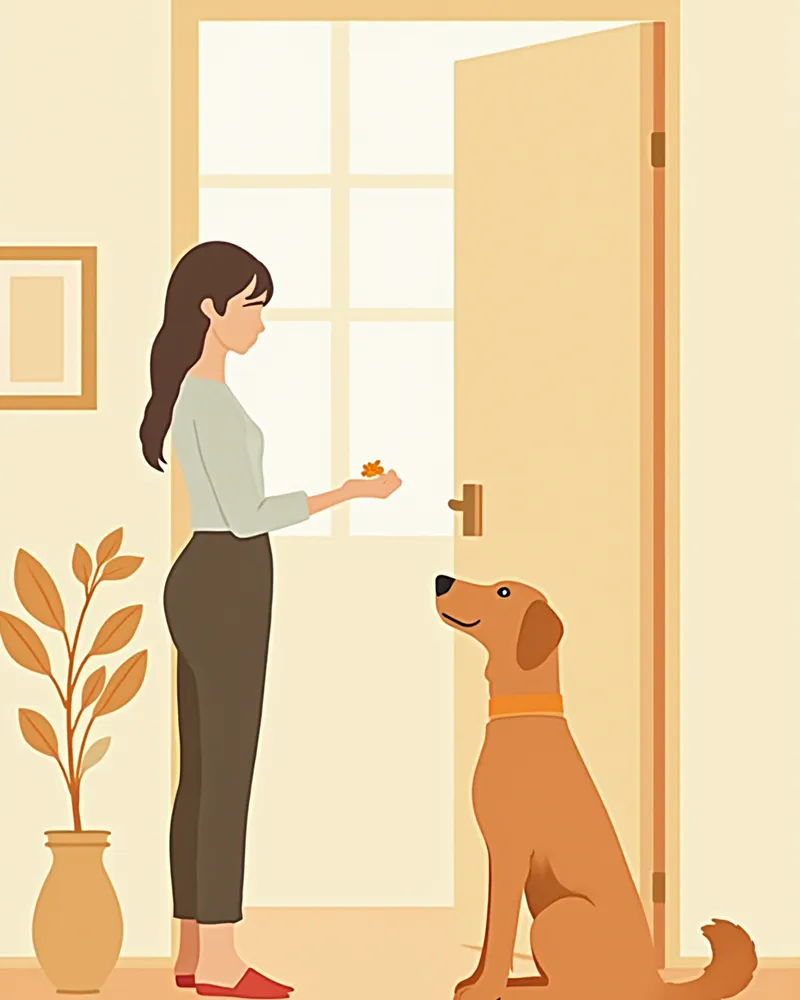
See a Vet First in These Cases
If your pet is showing any of the following symptoms, a veterinary visit should take priority over starting a tryptophan supplement: - Severe separation anxiety with persistent barking and destructive behavior throughout the day - Sudden changes in aggression or disorientation - Behavioral changes accompanied by seizures or convulsions - Loss of appetite and weight loss lasting more than two weeks Underlying issues such as pain, endocrine disorders, or neurological conditions may be causing these behavioral problems. Ruling out medical causes first is the safest approach for your pet.
Reviewed by a veterinarian

Dr. Tony — Punnawat Phongkittirak
VeterinarianA veterinarian who majored in veterinary medicine at Khon Kaen University, Thailand, and completed the IVSA program at North Carolina State University in the United States. Drawing on clinical experience at animal hospitals, he works in the pet healthcare field and is dedicated to building a digital care environment that connects pet parents with veterinarians.
Reviewed 2026-04-26
Frequently Asked Questions About Tryptophan
Will a tryptophan supplement produce an immediate calming effect?
Can I give my pet the tryptophan that humans take?
Can tryptophan supplements help cats as well?
Is it safe to give tryptophan supplements to a dog that is already taking antidepressants?
How long can I give my pet tryptophan?
Share
Related Guides

7 Behavioral Enrichment Strategies for Mental Stimulation Recommended by Veterinarians
Top 5 Calming Supplements for Dogs and Cats in 2026

L-Theanine Effects and Calming Support
What is Lutein? Effects on Dog Eye Health
Fish Oil Benefits and EPA·DHA Content Comparison
Creatine Effects and Feeding Guide for Active Dogs

What Are Pet Antioxidants? A Guide to Key Ingredients for Immune Support

What is Chondroitin for Dogs? Joint Health Benefits and Dosage
Cranberry Effects and Urinary Tract Health

Phosphatidylserine Effects and Senior Dog Cognitive Function Management
References
[1] Landsberg, Hunthausen, Ackerman, Behavior Problems of the Dog and Cat, 3rd ed., Chapter on Psychoactive Agents and Nutraceuticals
[2] Horwitz & Mills, BSAVA Manual of Canine and Feline Behavioural Medicine, 2nd ed., Chapter on Pharmacology and Dietary Intervention
[3] DeNapoli et al., Effect of dietary protein content and tryptophan supplementation on dominance aggression, territorial aggression, and hyperactivity in dogs, JAVMA, 2000
[4] Kato et al., Effects of prescription diet on dealing with stressful situations and behavioral signs of anxiety in dogs, Journal of Veterinary Behavior, 2012