Like
Share
멍실장
비타민A 효과와 급여 가이드

Vitamin A Benefits and Feeding Guide

ImmunityIngredientsMeongsiljang Veterinary Advisory Board

Vitamin A is an essential fat-soluble vitamin for dogs and cats, supporting vision, immune function, and skin health. Both deficiency and excess can cause problems, so it’s important to strictly follow the recommended dosage.

What is Vitamin A?

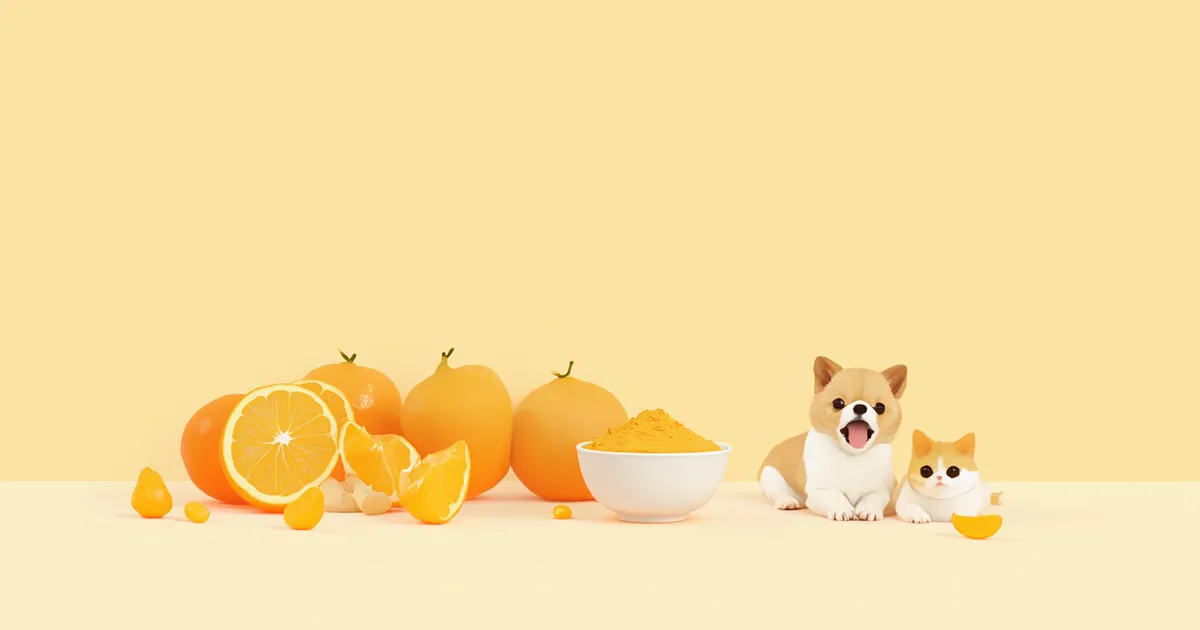
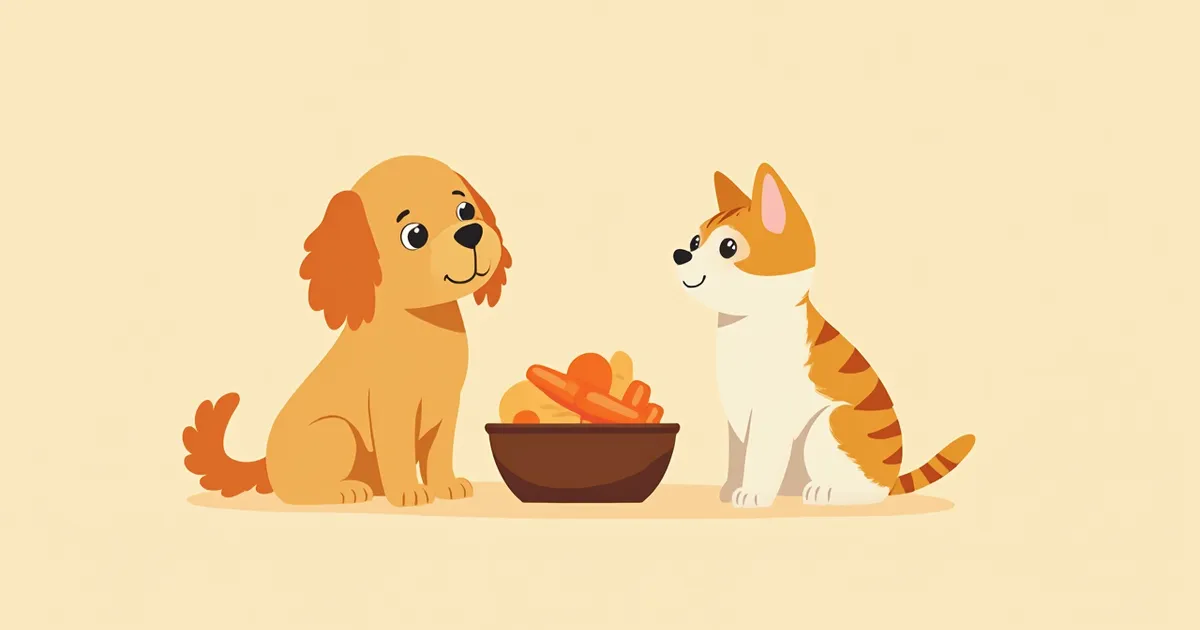
Vitamin A-rich foods for dogs and cats
Vitamin A (retinol) is a fat-soluble vitamin that supports vision, immune function, and skin and mucous membrane health in dogs and cats. The key is getting the right amount. Deficiency can lead to night blindness and an increased risk of infections, while excess intake may cause bone abnormalities such as cervical spondylosis and pelvic fractures, as well as anemia and blood clotting disorders. Cats, in particular, cannot convert beta-carotene into vitamin A, so it’s essential for them to obtain preformed vitamin A (retinol) directly from animal-based sources like liver and egg yolks.

Key Benefits of Vitamin A

Vitamin A plays a variety of roles in the body. According to veterinary nutrition textbooks, the following functions are particularly important:
Maintaining vision: Essential for the production of rhodopsin, which detects light in the retina.
Boosting immunity: Helps differentiate mucosal immune cells, enhancing resistance to infection.
Skin and coat health: Involved in the regeneration of epithelial cells and the regulation of keratinization.
Growth and reproduction: A vital nutrient for fetal development and normal growth.
Cell differentiation: Participates in regulating normal cell proliferation, differentiation, and apoptosis.

Characteristics of Vitamin A Forms

Safe

레티놀 (Retinol)

동물성 식품에 풍부, 흡수율 높음

Dosage: 간·달걀노른자·생선에 함유

고양이 필수 형태

Safe

레티닐 에스터 (Retinyl Ester)

저장형 비타민A, 간에 축적

Dosage: 사료 내 주요 공급 형태

Safe

베타카로틴 (Beta-Carotene)

식물성 전구체, 강아지는 일부 전환 가능

Dosage: 당근·고구마·호박

고양이는 전환 불가

Recommended Dosage for Dogs and Cats
The National Research Council (NRC) and the Association of American Feed Control Officials (AAFCO) set different recommended levels of vitamin A depending on species and life stage. The guidelines below apply to healthy adult dogs and cats; growing animals, as well as those that are pregnant or lactating, require higher amounts.
Adult Dogs: If you are feeding a dry, complete and balanced diet that meets NRC and AAFCO standards, it already contains the appropriate amount of vitamin A. There is no need for separate calculations; simply check the packaging to confirm that the food meets the stated nutritional standards.
Adult Cats: Cats have different requirements than dogs. Because they cannot convert beta-carotene into vitamin A, they must receive preformed vitamin A (retinol) from animal-based sources in their diet.
Growth, Pregnancy, and Lactation: Higher requirements are recommended compared to the maintenance stage. If you are preparing homemade meals, it is important to consult a veterinary nutritionist to ensure the diet is balanced and appropriate for your pet's specific life stage.
If your pet is eating a commercially available complete and balanced diet, it already contains sufficient vitamin A. Any additional supplementation should only be administered after consulting with your veterinarian.
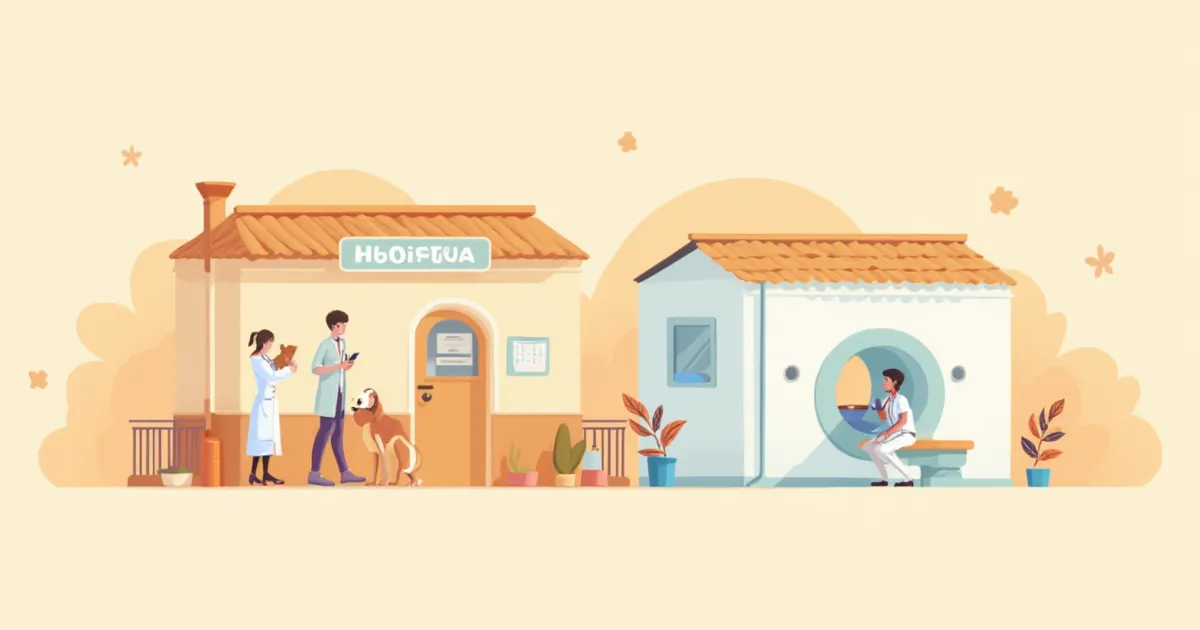
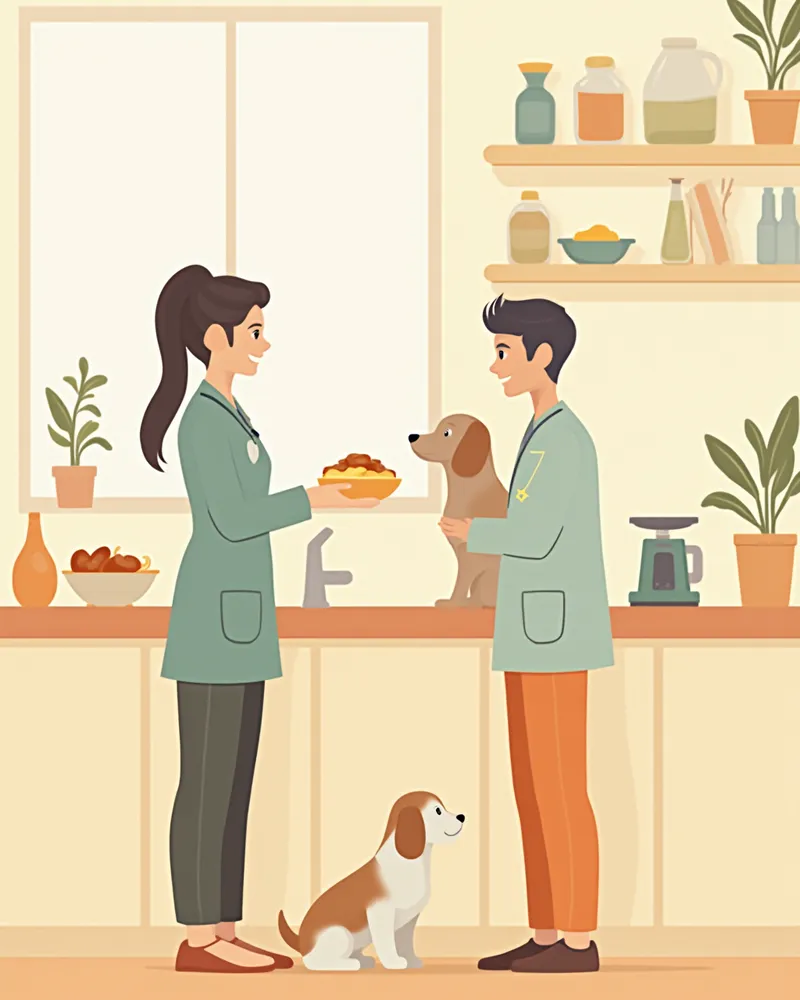
A veterinarian explaining the proper amount of dog food to a puppy's owner.

Caution Against Vitamin A Overconsumption

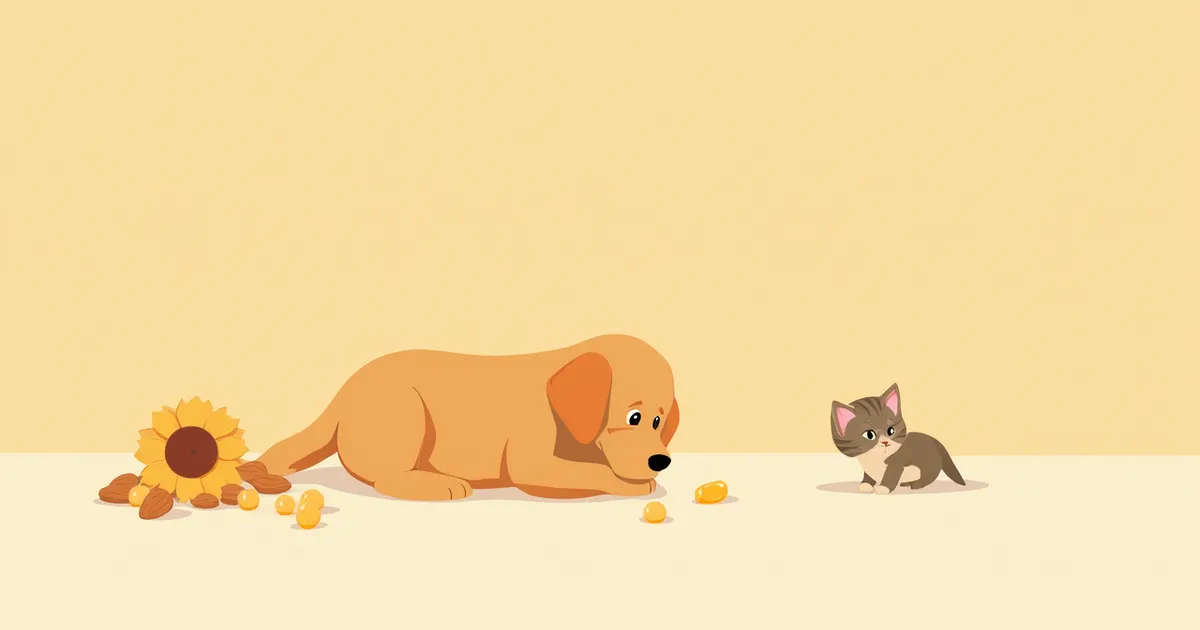
Vitamin A is fat-soluble and can accumulate in the body. Feeding raw liver frequently over a long period may lead to hypervitaminosis A. In particular, you should never give raw liver to cats on a daily basis. According to veterinary nutrition textbooks, symptoms may include neck stiffness, cervical spondylosis, exostoses at tendon and ligament attachment sites, osteoarthritis of the spine and major joints, pelvic bone abnormalities, blood clotting disorders, and anemia. Pets eating a complete and balanced commercial diet generally do not need additional vitamin A supplements.

Symptoms of Vitamin A Deficiency
Deficiencies are uncommon, but they can occur in pets fed exclusively homemade diets or those with fat malabsorption. According to the BSAVA Manual of Canine and Feline Dermatology, the following signs may be observed when a deficiency is present:
Night blindness: Difficulty seeing in low-light conditions
Dry eyes: Dryness of the eyes and corneal damage (keratoconjunctivitis sicca)
Skin hyperkeratosis: Excessive dandruff and rough, coarse fur
Increased susceptibility to infections: Overall reduced resistance to various infections
Growth retardation: Slowed growth in puppies and kittens
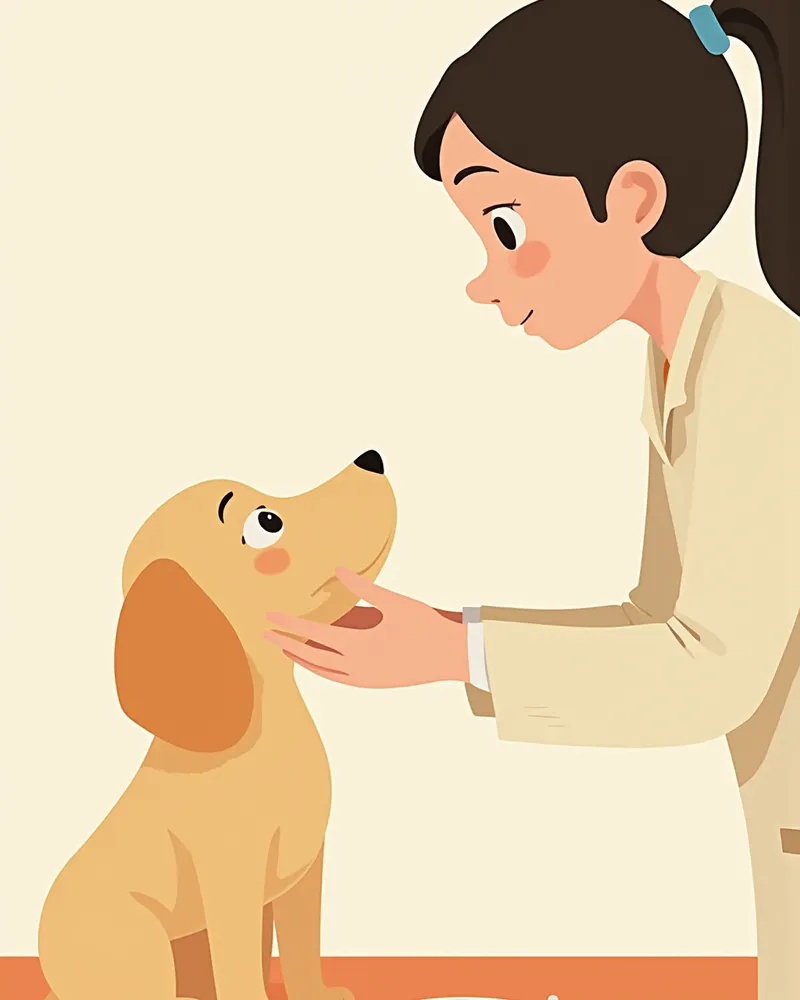
A veterinarian examining a dog’s eyes and skin condition.

Comparison of Vitamin A-Containing Foods

ItemBeef liver (raw)Egg yolkCarrotSweet potato
Vitamin A content (per 100g)16,900 IU381 IU16,706 IU14,187 IU
FormRetinolRetinolBeta-caroteneBeta-carotene
Use for catsPossible (small amount)PossibleLimitedLimited
Use for dogsPossible (small amount)PossiblePossiblePossible

Carrots and sweet potatoes are suitable as dog treats; for cats, prioritize animal-based sources.

When to Consult a Veterinarian

Vitamin A metabolism can change in pregnant or nursing pets, as well as in those with liver disease, pancreatitis, or chronic diarrhea. Always consult a veterinarian or veterinary nutritionist before feeding a homemade diet or adding supplements, as it’s essential to verify the correct dosage for your pet’s weight and ensure overall dietary balance for safety.

Tips for Proper Feeding

To safely provide vitamin A to a healthy pet, follow these guidelines:
Prioritize complete and balanced diets: If you feed a diet that meets AAFCO (Association of American Feed Control Officials) standards, no additional supplementation is necessary.
Limit liver to treat levels: Offer cooked liver only occasionally and in small amounts. Daily feeding can lead to vitamin A toxicity.
Feed vegetables in moderation: Carrots and sweet potatoes can be given as dog treats. However, because cats cannot convert beta-carotene into vitamin A, feeding vegetables does not contribute to their vitamin A intake.
Use supplements with caution: If your pet is already eating a complete diet, additional supplementation may pose a risk of overdose.
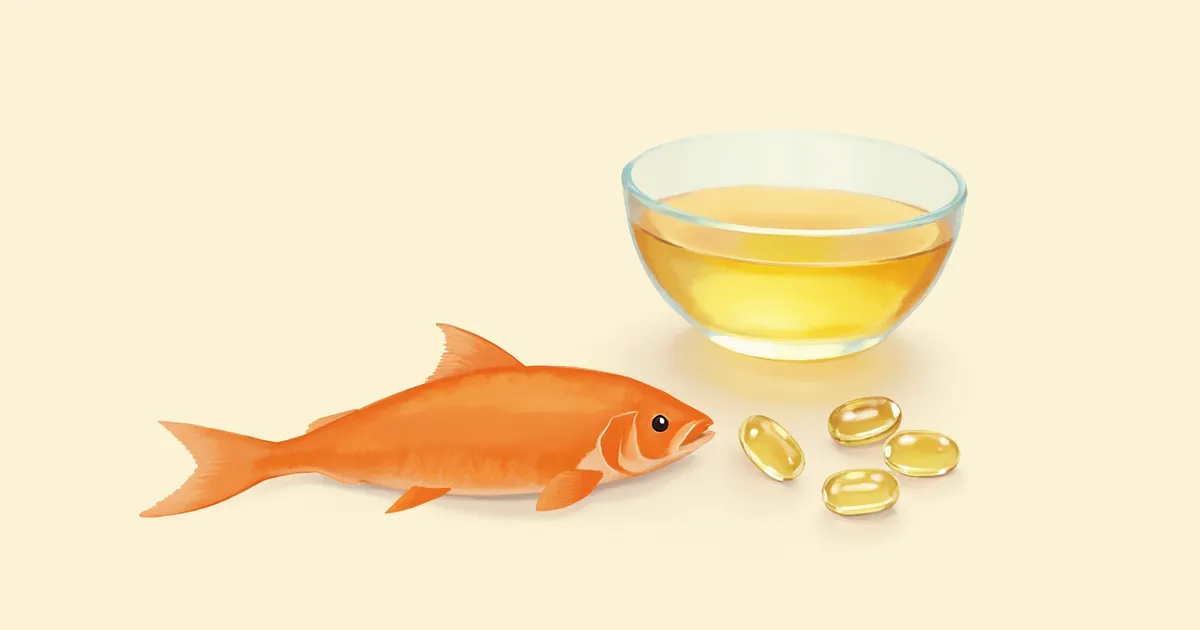
Be careful with fish oils: Consult your veterinarian to determine the appropriate dosage for supplements high in fat-soluble vitamins, such as cod liver oil.

Reviewed by a veterinarian

Dr. Tony — Punnawat Phongkittirak

Dr. Tony — Punnawat Phongkittirak

Veterinarian

A veterinarian who majored in veterinary medicine at Khon Kaen University, Thailand, and completed the IVSA program at North Carolina State University in the United States. Drawing on clinical experience at animal hospitals, he works in the pet healthcare field and is dedicated to building a digital care environment that connects pet parents with veterinarians.

Frequently Asked Questions

Can I give my dog carrots every day?
A small amount is perfectly fine. The beta-carotene in carrots can be converted into vitamin A by your dog. Just make sure that the daily snack calories do not exceed 10% of their total daily food intake.
Can cats also get vitamin A from carrots?
No, cats cannot convert beta-carotene into vitamin A. They must obtain retinol directly from animal-based foods such as liver, egg yolks, and fish.
Do I need to give my pet a separate vitamin A supplement?
For healthy dogs eating a complete and balanced commercial diet, supplements are usually unnecessary. If your dog is on a homemade diet or has a specific medical condition, consult your veterinarian before deciding whether to use them.
Why shouldn’t I give raw liver to my pet?
Raw liver is extremely high in vitamin A, so feeding it frequently can lead to toxicity. It also carries a risk of parasitic and bacterial infections, so be sure to cook it thoroughly and serve only in small amounts.
How can I tell if my pet is deficient in vitamin A?
A serum retinol test alone may not accurately reflect your pet’s total vitamin A status. If you suspect clinical signs such as night blindness, recurrent infections, or skin keratinization, it’s important to have your veterinarian conduct a thorough evaluation that considers these symptoms, dietary history, and physical examination findings.

Share

Related Guides

References

[1] National Research Council, Nutrient Requirements of Dogs and Cats, 2006

[2] BSAVA Manual of Canine and Feline Dermatology, 4th Edition

[3] Schweigert, F. J., Vitamin A in blood plasma and urine of dogs, Int. J. Vitam. Nutr. Res., 2000

This information is based on veterinary literature and does not replace diagnosis or treatment. Please consult a veterinarian for specific health concerns.

Metapet Co., Ltd. | CEO: Park Sung-yong | Business Reg. No. 417-88-02562 | Seoul, South Korea | Customer Center

Vitamin A for Dogs & Cats: Benefits and Feeding Guide | Meongsiljang