Like
Share
멍실장
비타민E 효과와 급여 가이드

Vitamin E Benefits and Feeding Guide

ImmunityIngredientsMeongsiljang Veterinary Advisory Board

Vitamin E is a key fat-soluble antioxidant that protects dogs’ and cats’ cell membranes and immune cells from oxidative stress. Here’s a summary of what pet owners need to know, including its benefits, veterinary evidence, recommended dosages, and potential side effects.

What is Vitamin E? Why is it needed for your pet?
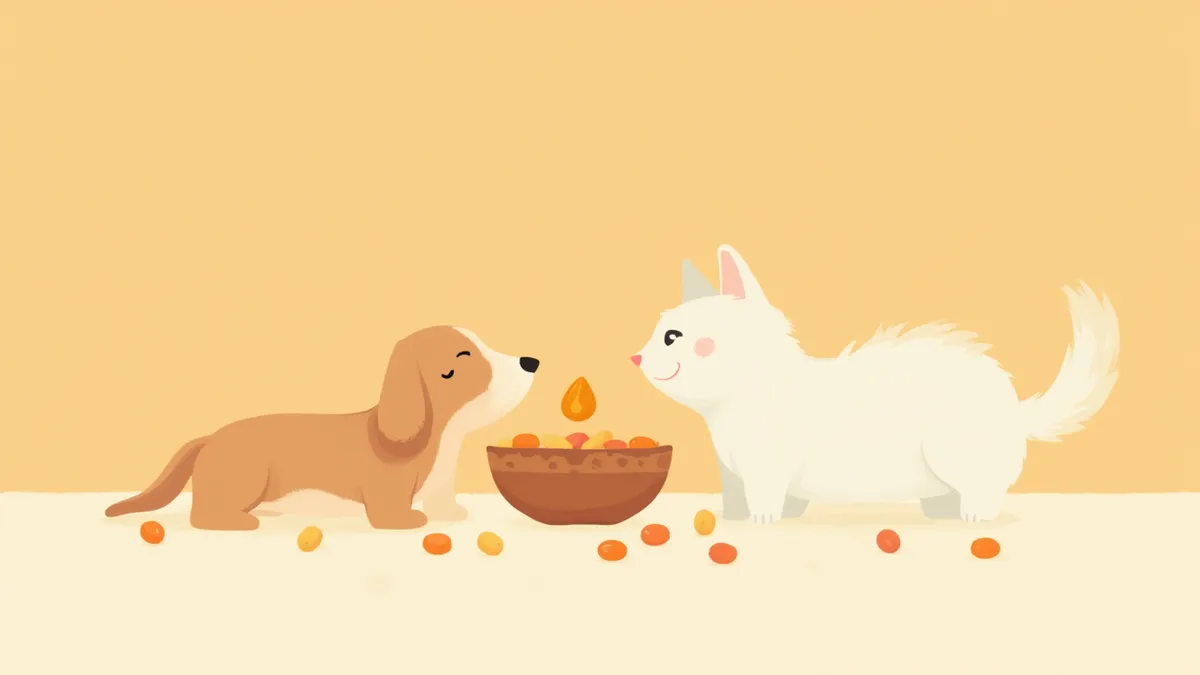
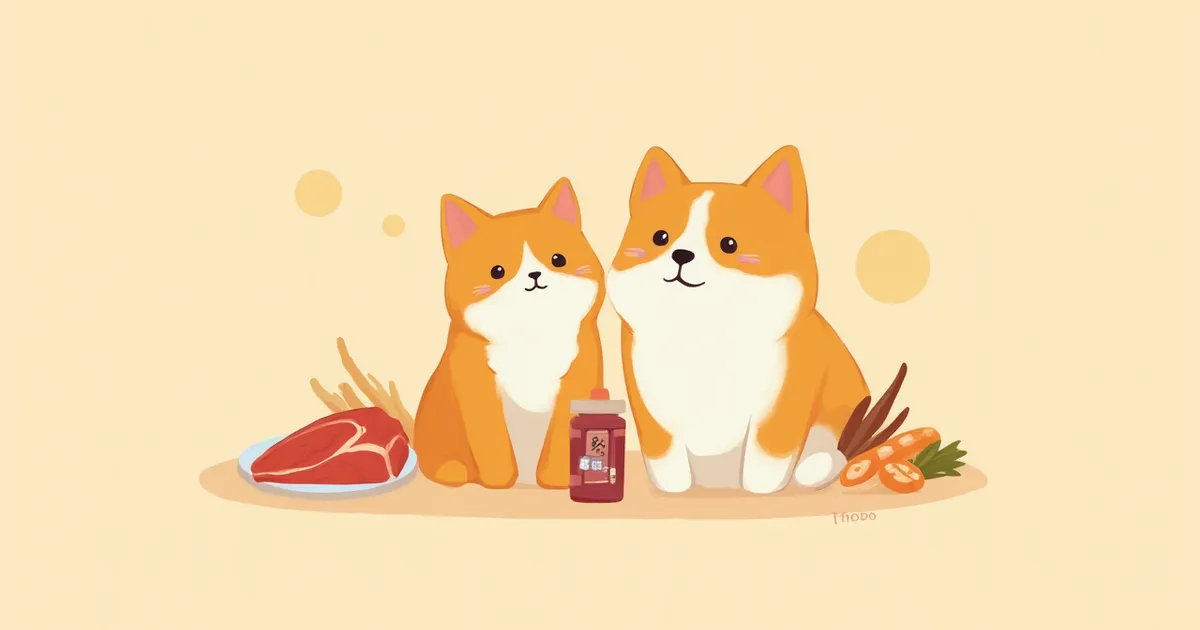
An image showing vitamin E capsules alongside dog and cat food.
Vitamin E is a key fat-soluble antioxidant that protects cell membranes in dogs and cats from oxidative stress. The key to supplementation is providing the right amount. Since pets cannot synthesize vitamin E on their own, it must be obtained through their diet. However, pets eating a complete and balanced commercial diet usually get all the vitamin E they need from their food alone. Vitamin E helps protect various tissues—including immune cells, skin, and muscles—from oxidative damage, and the required amount increases when feeding diets high in polyunsaturated fatty acids (PUFAs).

Key Benefits of Vitamin E for Pets

Vitamin E isn’t just a single-function ingredient; it performs multiple roles simultaneously, from protecting cell membranes to regulating the immune system.
Antioxidant activity: It directly neutralizes free radicals, helping to slow down cell membrane damage and aging.
Immune regulation: It helps maintain normal function of immune cells (T cells), supporting resistance to infections.
Skin health: By protecting skin cell membranes, it can help alleviate itching and inflammation.
Muscle and nerve protection: It prevents oxidative damage to muscle and nerve cells, making it especially important for senior dogs and cats.

What Does Veterinary Research Say?

The National Research Council (NRC) recognizes vitamin E as a metabolically essential nutrient for both dogs and cats. However, a specific dietary requirement has not been clearly established for pets consuming typical natural diets or complete and balanced commercial foods, although supplementation is particularly emphasized for cats on fish-based diets. Veterinary dermatology textbooks note that vitamin E is used as an adjunctive therapy for immune-mediated skin diseases by stabilizing lysosomal membranes and reducing prostaglandin E2 synthesis. It is repeatedly emphasized that the requirement for vitamin E increases in proportion to the intake of polyunsaturated fatty acids.
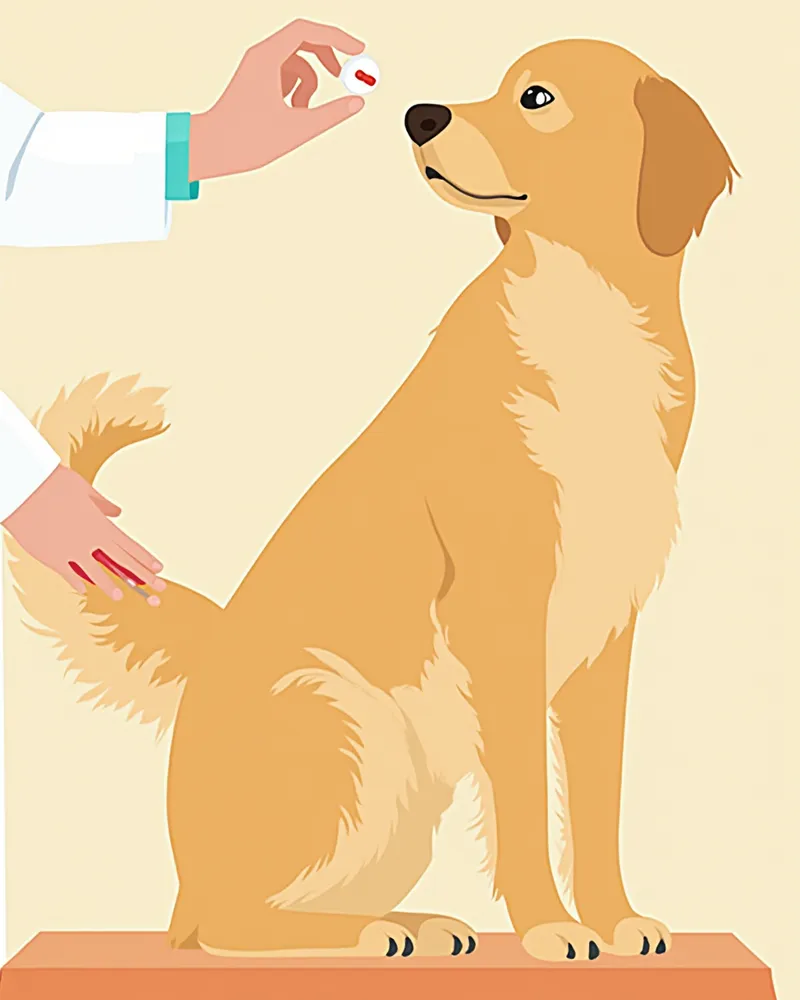
An image of a veterinarian showing a vitamin E supplement to a puppy

Vitamin E Key Information Card

Safe

비타민E (알파-토코페롤)

세포막 항산화, 면역세포 기능 유지, 피부·근육 보호

Dosage: 강아지 약 1IU/체중kg/일, 고양이 약 10IU/일 (사료 기준 충족 시 추가 불필요)

미국국립연구위원회(NRC) 반려동물 영양 기준

Caution

비타민E (피부질환 보조 용량)

면역 매개 피부질환 보조 요법

Dosage: 400~800IU/일 (수의사 처방 하에 한정)

수의피부과학 교과서 권장 보조 용량

Recommended Dosage: How to Remember It

For generally healthy pets already eating a complete and balanced diet, there is rarely any need to supplement with additional vitamin E. If you are considering supplementation, the primary indications are skin or immune system issues, or the need for supportive management of immune-mediated skin diseases. Because the correct dosage depends on a combination of factors—including body weight, underlying health conditions, and the nutrient profile of the current diet—it is safest to have a veterinarian determine the appropriate amount after an examination. In particular, never start a supportive dosage for skin conditions on your own without veterinary guidance.

Foods and Ingredients High in Vitamin E

Knowing how vitamin E is listed on pet food ingredient labels can make your choice easier.
Alpha-tocopheryl acetate: This is the most commonly used, stable synthetic form.
Mixed tocopherols: This blend contains multiple tocopherols, making it closer to a naturally extracted form.
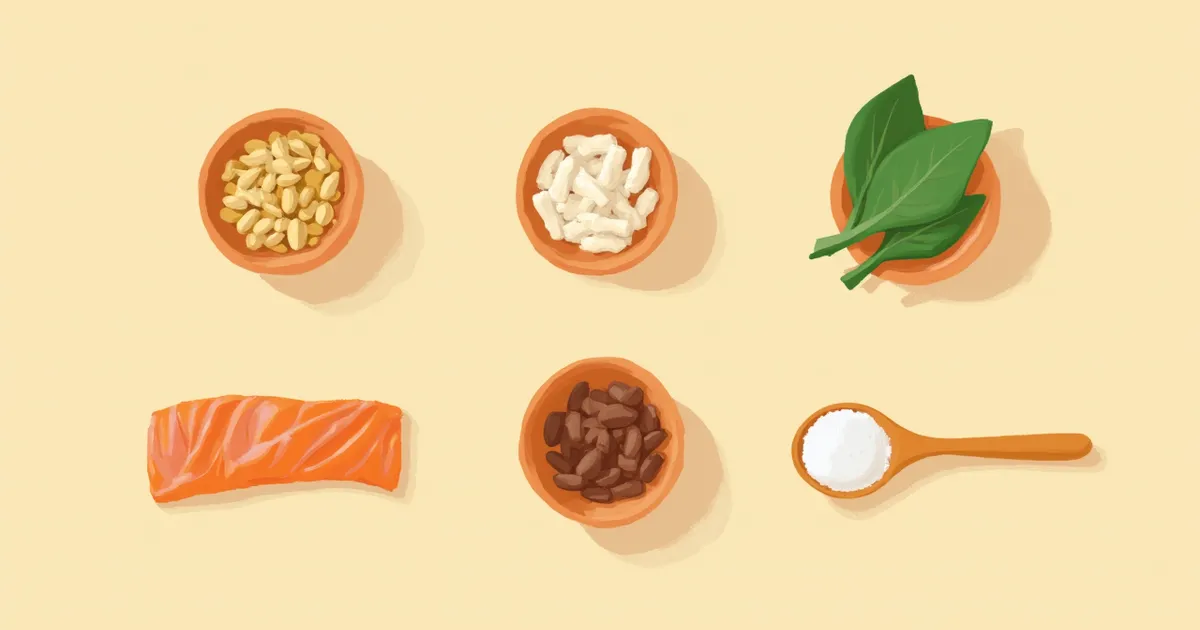
Sunflower seeds, almonds, wheat germ oil: While these are prominent natural food sources, they should only be considered in small amounts as treats.
Oily fish like salmon and trout: These contain vitamin E alongside omega-3 fatty acids, making them a great combination.

Side Effects and Precautions for Overdose
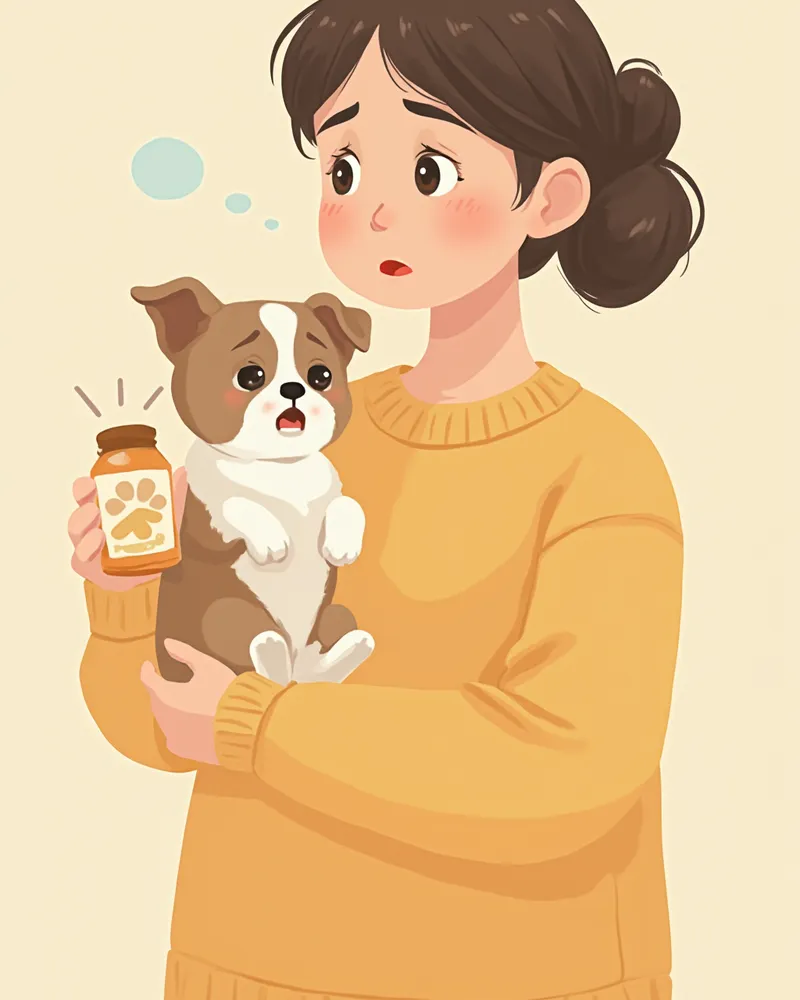
Vitamin E is a relatively safe ingredient, but the idea that “the more you give, the better” is a misconception. Because it’s fat-soluble, excessively high doses over a long period can accumulate in the body, so sticking to the appropriate dosage is essential. Even when used at high doses as an adjunct treatment for immune-mediated skin diseases, it may take 30 to 60 days to see results. Since it’s not used to address simple dietary deficiencies, it should always be administered under a veterinarian’s prescription and monitoring. If you’re starting a new supplement, your pet is on other medications, or surgery is upcoming, be sure to inform your vet about the vitamin E and have the proper dosage rechecked for safety.
An image of a pet owner holding their puppy while checking the label of a nutritional supplement.

Signs of Deficiency

While deficiencies are rare in pets consistently fed a complete and balanced commercial diet, the risk increases with homemade, low-fat home-prepared, or stale food. This is especially true for cats fed long-term diets consisting solely of canned red tuna or cod liver oil, which can lead to severe vitamin E deficiency and requires careful attention.
Skin and Coat Abnormalities: Vitamin E protects skin cell membranes from oxidative damage; deficiency can compromise the skin barrier. However, obvious dryness and flaking often occur in combination with essential fatty acid (EFA) deficiency, so differentiation is necessary.
Muscle and Myocardial Abnormalities: Oxidative damage to muscle cells has been reported to cause skeletal myositis and myocardial abnormalities.
Immune Suppression: Impaired T-cell function can reduce resistance to infection and slow wound healing.
Feline Pansteatitis: Severe vitamin E deficiency can cause inflammation and necrosis in subcutaneous and abdominal fat tissues. Symptoms include fever, loss of appetite, abdominal pain, and lethargy. The prognosis can be poor, requiring immediate veterinary attention, dietary correction, and vitamin E supplementation.
If you notice these signs, consult your veterinarian before administering any supplements.

Reviewed by a veterinarian

Dr. Tony — Punnawat Phongkittirak

Dr. Tony — Punnawat Phongkittirak

Veterinarian

A veterinarian who majored in veterinary medicine at Khon Kaen University, Thailand, and completed the IVSA program at North Carolina State University in the United States. Drawing on clinical experience at animal hospitals, he works in the pet healthcare field and is dedicated to building a digital care environment that connects pet parents with veterinarians.

Frequently Asked Questions

My pet is eating their food well. Do I still need to give them a separate vitamin E supplement?
If your pet is consistently eating a complete and balanced diet and has no skin or immune system issues, additional supplements are generally unnecessary. Consult your veterinarian to determine if supplementation is needed only when managing specific health conditions.
Can I split human vitamin E capsules for my dog?
The dosage differences are significant, and the additional ingredients vary, so we do not recommend it. Please use products specifically formulated for pets, or if you must use a human product, have a veterinarian determine the appropriate dosage based on your pet's weight.
Is it safe to give vitamin E and omega-3 together?
They actually make a great combination. As the amount of unsaturated fatty acids increases, so does the body’s need for vitamin E, which is why many supplements and pet foods are formulated with both in mind.
Do cats receive the same dosage as dogs?
It’s different. Cats have unique liver and fat metabolism, so you can’t simply apply dog guidelines to them. Always use products specifically formulated for cats and double-check the dosage.
Is it especially helpful for senior dogs and cats?
Senior dogs are prone to oxidative stress, making antioxidant nutrients especially important. However, because they may have underlying health conditions or be taking medications, we recommend consulting your veterinarian before starting any supplements.

Share

Related Guides

References

[1] National Research Council, Nutrient Requirements of Dogs and Cats, Vitamin E 챕터

[2] BSAVA Manual of Canine and Feline Dermatology, 4th Edition, Nutritional Support 챕터

[3] Chow C.K., Vitamin E regulation of oxidative stress, 2001

This information is based on veterinary literature and does not replace diagnosis or treatment. Please consult a veterinarian for specific health concerns.

Metapet Co., Ltd. | CEO: Park Sung-yong | Business Reg. No. 417-88-02562 | Seoul, South Korea | Customer Center

Vitamin E for Dogs & Cats: Benefits and Feeding Guide | Meongsiljang