Like
Share
멍실장
코엔자임Q10 효과와 급여 가이드

Coenzyme Q10 Benefits and Administration Guide

HeartIngredientsMeongsiljang Veterinary Advisory Board

We’ve compiled the benefits, administration methods, and precautions for coenzyme Q10 in supporting heart health in dogs and cats, based on veterinary textbook evidence.

What is Coenzyme Q10?

An illustration of a senior dog, highlighting the importance of heart health.
Coenzyme Q10 (CoQ10) is a component that acts as a cofactor for various mitochondrial enzymes in dogs and cats. Also known as ubiquinone, it possesses antioxidant properties. According to veterinary nutrition textbooks, CoQ10 is involved in energy production in heart muscle (myocardial energy metabolism). Since the heart is an organ that beats without rest day or night, it has a higher energy demand than any other tissue. Thanks to its role in energy production and its antioxidant effects, CoQ10 is considered a supplement of interest for heart health, particularly in the management of congestive heart failure (CHF). Therefore, its use as a nutritional supplement is being considered for pets with heart disease or those entering their senior years. However, since age-related changes in body levels and the effects of supplementation in companion animals have not yet been fully established, it is best to consult your veterinarian to determine whether and how to administer it.

Key Benefits of Coenzyme Q10

Antioxidant Effects: Coenzyme Q10 possesses antioxidant properties that may help protect heart cells from oxidative stress. Since the heart is an organ that works continuously, maintaining cellular health is essential.
Cardiac Energy Support: Coenzyme Q10 acts as a cofactor for several mitochondrial enzymes, playing a role in energy production within heart muscle (myocardial energy metabolism). A steady supply of this energy is necessary for the heart to beat strongly.
Adjunct Support for Congestive Heart Failure: Due to its antioxidant properties and involvement in myocardial energy production, Coenzyme Q10 is a supportive ingredient of interest in managing congestive heart failure (CHF). It is generally considered as part of a comprehensive approach alongside other cardiac supportive nutrients such as taurine, L-carnitine, and omega-3 fatty acids, rather than as a standalone treatment.
Nutritional Support for Senior Animals: Nutritional support for heart health may become increasingly important as pets age. While supportive nutrients like Coenzyme Q10 are believed to play a role in supporting cardiac function, it is also helpful to understand that the strength of the evidence varies depending on the specific nutrient.

Coenzyme Q10 in Veterinary Research

According to the textbook *Applied Veterinary Clinical Nutrition*, coenzyme Q10 acts as a cofactor for several mitochondrial enzymes, playing a role in energy production within heart muscle. Thanks to these properties and its antioxidant effects, coenzyme Q10 is highlighted as an ingredient of interest in the management of congestive heart failure (CHF). The same textbook notes that coenzyme Q10, along with L-carnitine, arginine, omega-3 fatty acids, and antioxidants, may play a role in managing heart disease. However, it also explains that the amount of supporting evidence varies depending on the type of supplement. Therefore, while coenzyme Q10 should be considered alongside other supportive nutrients such as taurine, L-carnitine, and omega-3s when managing heart disease, the current general consensus in veterinary medicine is to use it as a supportive supplement rather than a standalone treatment.
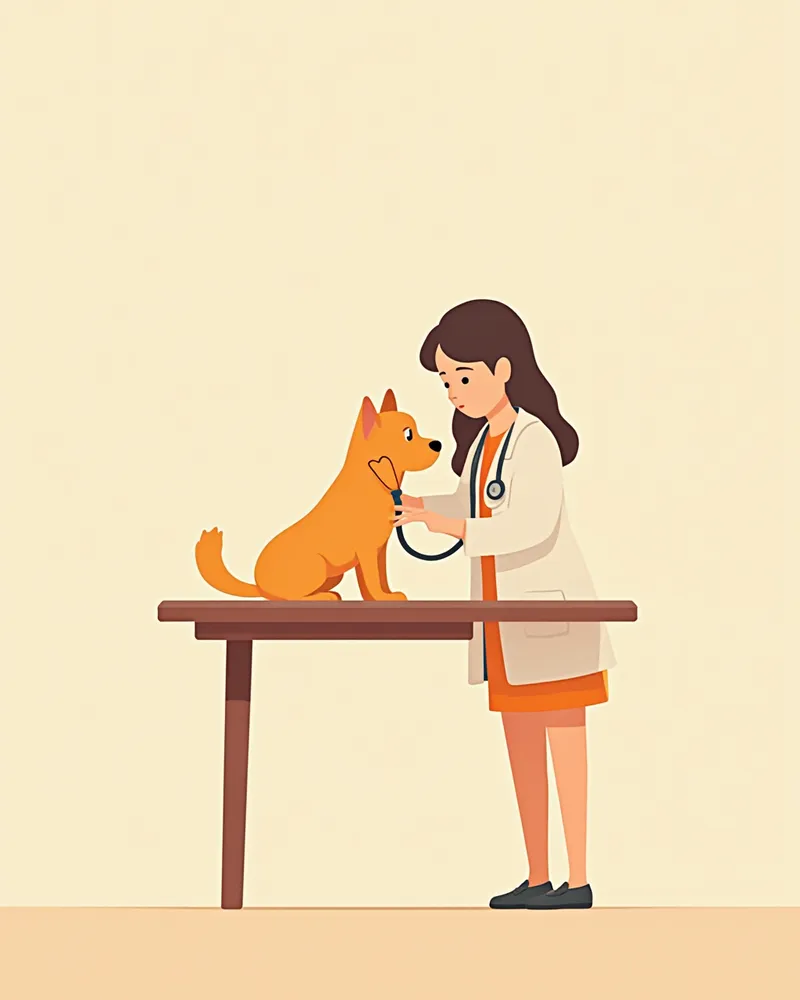
A veterinarian examining a dog's heart with a stethoscope

Important Precautions Before Administration

Coenzyme Q10 is a health supplement, not a treatment for heart disease. Always have your pet diagnosed by a veterinarian first, and administer it alongside prescribed treatments. If your pet is already taking heart medication, be sure to check with your vet for potential drug interactions.

How to Determine the Dosage

The appropriate dosage of coenzyme Q10 varies depending on your pet’s weight, overall health, and whether they have heart disease. For safety, it’s best to have your veterinarian assess your pet’s condition and determine the right dose. While veterinary nutrition textbooks mention coenzyme Q10 as a supportive supplement for heart disease, the optimal dosage for pets has not yet been firmly established. We do not recommend determining the dose on your own without a veterinarian’s guidance. For general health maintenance in healthy pets, start with a lower dose. If it’s being used to support heart disease, your veterinarian may recommend a higher dose. After starting supplementation, closely monitor your pet’s condition and maintain regular check-ins with your veterinarian.
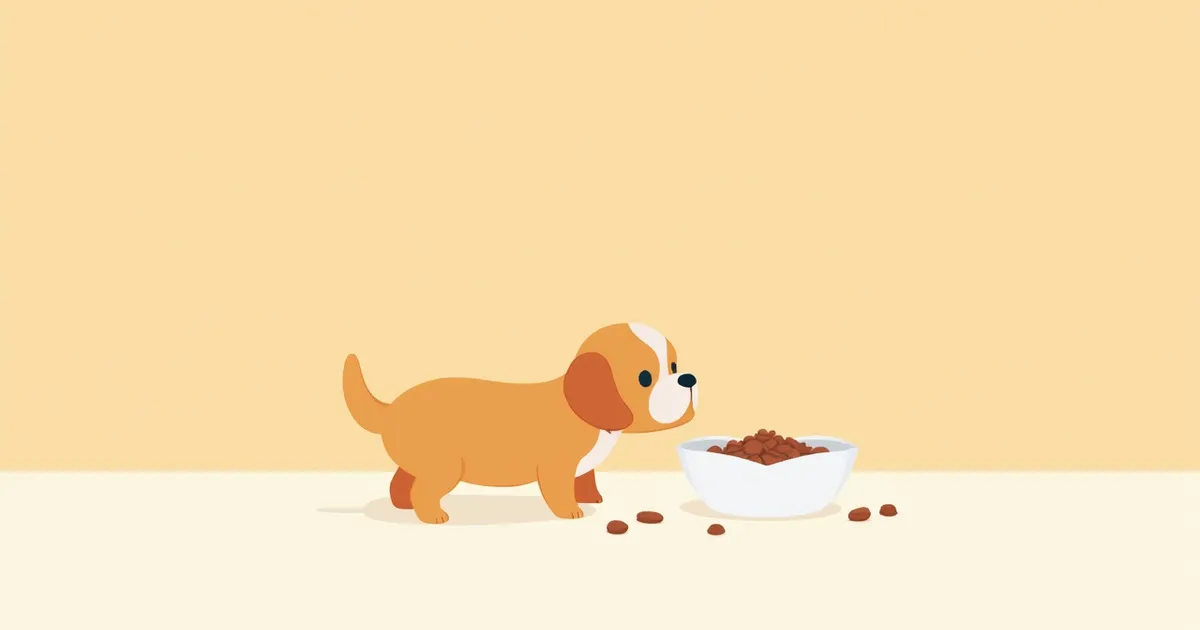
A puppy receiving nutritional supplements along with its regular food

Administration Methods and Product Selection Tips

Coenzyme Q10 is fat-soluble, so giving it with a meal that contains some fat improves absorption. It may not be absorbed well on an empty stomach, so always administer it with meals.
Choosing the right form: It comes in various forms such as capsules, powders, and chews. It’s important to choose a form your pet will accept and enjoy.
Ubiquinone vs. Ubiquinol: There are two forms—oxidized (ubiquinone) and reduced (ubiquinol). While ubiquinol is known to have higher absorption rates in the body, ubiquinone is more commonly found in products specifically formulated for pets.
Storage instructions: Since it is sensitive to light and heat, store it in a cool, dark place in a tightly sealed container.
Do not use human products: Human supplements may contain additives harmful to pets, such as xylitol. Always use products specifically designed for pets.

Side Effects and Precautions

Coenzyme Q10 is generally considered a safe supplement, but there are a few important precautions to keep in mind.
Digestive upset: When first introducing it, your pet may experience gastrointestinal symptoms such as vomiting or diarrhea. It’s best to start with a small dose and gradually increase it.
Drug interactions: If your pet is currently taking heart medications, blood pressure medications, or anticoagulants, please consult your veterinarian before administering Coenzyme Q10, as it may interfere with the effectiveness of these drugs.
Pregnant or nursing pets: Since safety has not been sufficiently established for pregnant or nursing animals, it is recommended to avoid use during these periods.
Avoid over-supplementation: More is not necessarily better. Excessive amounts can worsen gastrointestinal side effects, so please adhere to the dosage recommended by your veterinarian.
Dogs and cats that need health care

Administering with Other Heart-Supporting Nutrients

Coenzyme Q10 can be considered in combination with other heart-supporting nutrients such as omega-3 fatty acids, taurine, and L-carnitine. Veterinary nutrition textbooks also recommend considering multiple supportive nutrients, including L-carnitine, omega-3s, and antioxidants, when managing heart disease. However, the strength of evidence supporting each nutrient varies, and the appropriate combination and dosage depend on your pet’s individual condition, so always consult your veterinarian before determining the specific ingredients and dosages.

Reviewed by a veterinarian

Dr. Tony — Punnawat Phongkittirak

Dr. Tony — Punnawat Phongkittirak

Veterinarian

A veterinarian who majored in veterinary medicine at Khon Kaen University, Thailand, and completed the IVSA program at North Carolina State University in the United States. Drawing on clinical experience at animal hospitals, he works in the pet healthcare field and is dedicated to building a digital care environment that connects pet parents with veterinarians.

Frequently Asked Questions

Can Coenzyme Q10 be given to both dogs and cats?
Yes, it can be given to both dogs and cats. However, the appropriate dosage varies depending on weight and health status, so it's safest to consult with a veterinarian before administering.
Can I give Coenzyme Q10 to a healthy dog?
Even healthy pets can benefit from nutritional support for cardiac energy metabolism as they enter their senior years. However, there’s no need to supplement young, healthy pets. If your pet is aging or you have concerns about their heart health, consult your veterinarian.
How long should I give my pet Coenzyme Q10 before I start seeing results?
Coenzyme Q10 is an ingredient that provides long-term supportive benefits rather than immediate effects. Consistent administration is key, and it’s safest to have your veterinarian determine the appropriate duration and when to stop based on your pet’s individual condition.
Can I give my pet human Coenzyme Q10 supplements?
Human products may contain additives harmful to pets, such as xylitol and artificial sweeteners, so they can be dangerous. Always use products specifically formulated for pets.
Are Coenzyme Q10 and ubiquinol different things?
They are different forms of the same substance. Coenzyme Q10 (ubiquinone) is the oxidized form, while ubiquinol is the reduced form. Although ubiquinol is known to have higher absorption rates, most pet-specific products are available in the ubiquinone form. Regardless of the form, it's best to choose a product recommended by your veterinarian.

Share

Related Guides

References

[1] Applied Veterinary Clinical Nutrition, 2nd Ed — Chapter 25: Nutritional Management of Cardiovascular Diseases

[2] Nutrient Requirements of Dogs and Cats — National Research Council, Chapter: Vitamins and Other Organic Compounds

[3] The Cat: Clinical Medicine and Management, 2nd Edition — Chapter: Cardiac Disease

[4] Shizukuishi S et al., Coenzyme Q10 and periodontal disease in dogs, Journal of Dental Research

This information is based on veterinary literature and does not replace diagnosis or treatment. Please consult a veterinarian for specific health concerns.

Metapet Co., Ltd. | CEO: Park Sung-yong | Business Reg. No. 417-88-02562 | Seoul, South Korea | Customer Center

Coenzyme Q10 for Dogs and Cats: Benefits and Dosage | Meongsiljang