
Beta-Carotene for Eye Health and Feeding Guide
Beta-carotene is a plant-based antioxidant that supports your dog’s eye health and immune system. I’ll explain the differences between dogs and cats, safe dosage guidelines, and important precautions.
What Is Beta-Carotene?
Key Benefits of Beta-Carotene
Dogs vs. Cats: What’s the Difference?
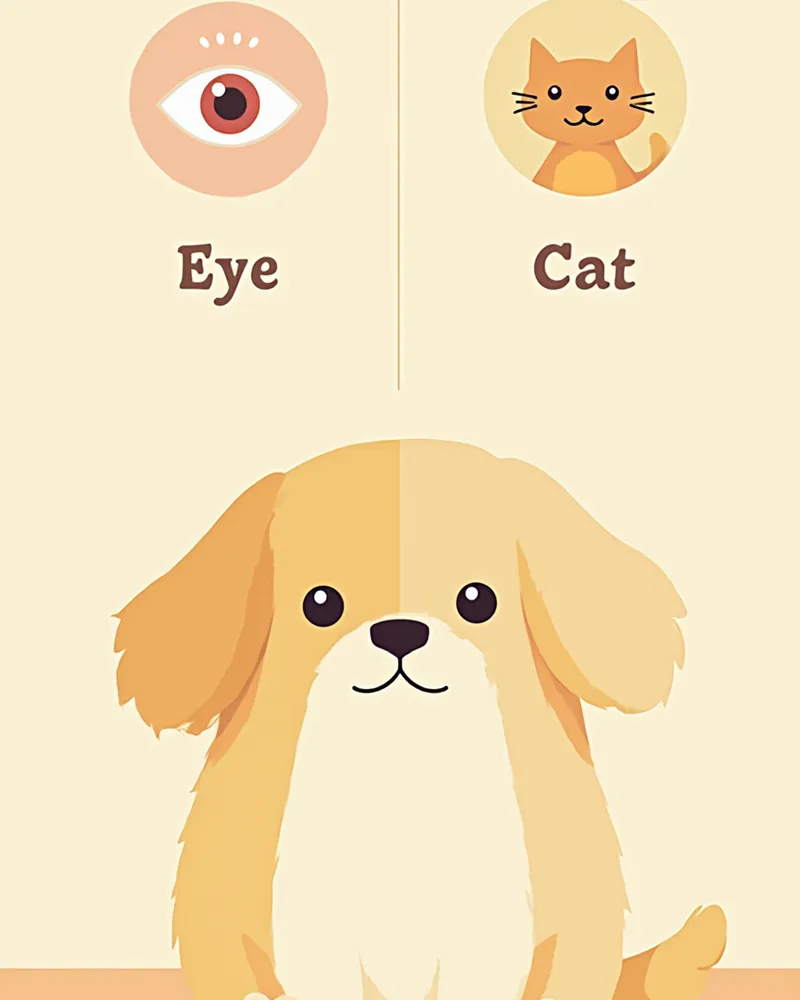
Beta-Carotene Key Facts Card
베타카로틴 (강아지용)
비타민A 전환 → 눈 건강·야간 시력·항산화
Dosage: 체중 1kg당 약 50~100μg/일
미국국립연구위원회 권장
베타카로틴 (고양이용)
면역 자극·항산화 (비타민A 전환 X)
Dosage: 체중 1kg당 약 30~50μg/일
Chew 연구팀(2000) 보고
Recommended Feeding Guidelines
Beta-carotene is a carotenoid that is fat-soluble rather than water-soluble, so its absorption improves when given with food. Since it is often already present in sufficient amounts in regular pet food, please consult your veterinarian before deciding to use any additional supplements. Administering high doses on your own for extended periods can lead to carotenemia, a condition that causes the skin to turn yellow.
Providing Beta-Carotene Through Natural Foods

Veterinary Research Evidence
Precautions to Keep in Mind
The conversion of beta-carotene to vitamin A in the body is known to be regulated, so it’s difficult to definitively say it carries the same risk as typical vitamin A toxicity. However, long-term administration of high-dose beta-carotene supplements should be approached with caution. In particular, for senior dogs and cats with compromised liver function, pregnant or nursing pets, and those with a history of pancreatitis, please consult your veterinarian before administering. If you notice yellowing of the skin or mucous membranes, stop use immediately and seek veterinary care.
Reviewed by a veterinarian

Dr. Tony — Punnawat Phongkittirak
VeterinarianA veterinarian who majored in veterinary medicine at Khon Kaen University, Thailand, and completed the IVSA program at North Carolina State University in the United States. Drawing on clinical experience at animal hospitals, he works in the pet healthcare field and is dedicated to building a digital care environment that connects pet parents with veterinarians.
Reviewed 2026-04-23
Frequently Asked Questions
Can giving carrots to cats help improve their eye health?
What happens if your pet consumes too much beta-carotene?
My pet food already contains beta-carotene. Is it still necessary to supplement it separately?
Does beta-carotene help prevent cataracts?
Can I give my dog raw carrots as they are?
Share
Related Guides

Top 5 Dog Tear Supplements Recommended for 2026
What is Lutein? Effects on Dog Eye Health

The Best Canine Uveitis Management Products and Selection Criteria: A Comprehensive Guide

Riboflavin (B2): Effects on Energy and Skin
5 Key Benefits of Vitamin B6 (Pyridoxine) for Dogs, According to Veterinarians
5 Benefits of EPA for Pets Explained by Veterinarians — Standalone Feeding Guide

Colostrum Benefits and Complete Guide to Immune Support

DHA Cognitive and Brain Health Benefits and Feeding
Chitosan Effects and Obesity/Fat Absorption

Curcumin Efficacy and Anti-inflammatory/Joint Support
References
[1] National Research Council, Nutrient Requirements of Dogs and Cats, Chapter 8 (Cats) & Chapter 7 (Dogs), 2006
[2] Chew BP et al., Effects of beta-carotene on immune response in dogs and cats, Recent Advances in Canine and Feline Nutrition, 2000
[3] Machlin LJ, Critical assessment of the epidemiological data concerning the impact of antioxidant nutrients on cancer and cardiovascular disease, 1993