

7 Benefits of Thiamine (B1) for Dogs Highlighted by Veterinarians — Key to Nerve Health
We’ve summarized the key points pet owners should know about thiamine (vitamin B1), including its benefits for nerve health, symptoms of deficiency, and recommended daily intake.
What Is Thiamine (B1)?

Key Effects of Thiamine
Thiamine at a Glance
티아민(Thiamine, B1)
신경·뇌 에너지 대사, 심장·소화 기능 유지
Dosage: 강아지 0.56mg/1,000kcal, 고양이 1.4mg/1,000kcal
미국국립연구위원회(NRC) 권장
Veterinary Research Evidence
Recommended Feeding Amounts
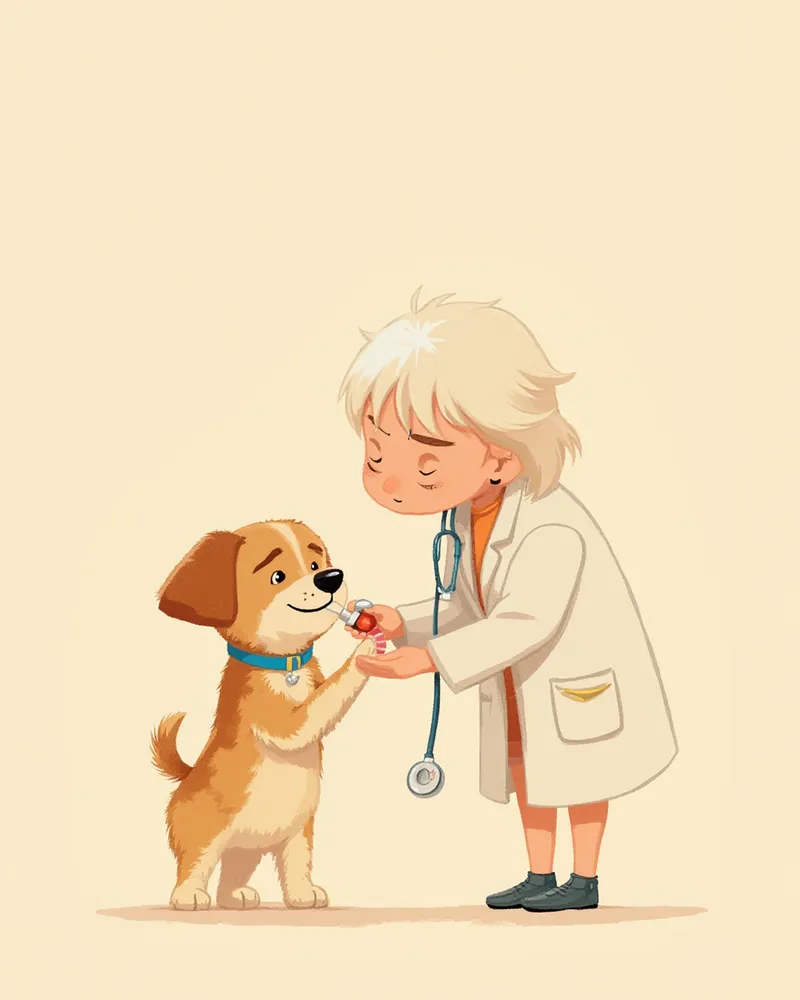
According to the National Research Council (NRC), thiamine is an essential nutrient required daily for both dogs and cats. Cats are particularly susceptible to deficiency, which is frequently reported in cases where they consume raw fish. Feeding a balanced, complete diet that meets Association of American Feed Control Officials (AAFCO) standards typically provides adequate amounts. However, one study found that approximately 13% of commercial canned cat foods failed to meet the AAFCO minimum requirements, so it is important to be mindful of both food selection and storage. Any additional supplements should only be administered after consulting with a veterinarian.
Symptoms of Deficiency

Foods Rich in Thiamine
Situations to Watch Out For
Commercial canned fish, homemade raw fish diets, and home-cooked or canned meals that have been heated at high temperatures for extended periods increase the risk of thiamine deficiency. Thiamine is particularly heat-sensitive and can be easily destroyed when food or meat is excessively heated; in fact, cases of deficiency caused by canned foods or overcooked meat have been reported. Additionally, raw fish containing thiaminase and meat preserved with sulfur dioxide can also lead to deficiency. Cats are especially vulnerable to thiamine deficiency and may develop neurological symptoms relatively quickly, so homemade diets should always be designed in consultation with a veterinarian or veterinary nutritionist.
Reviewed by a veterinarian

Dr. Tony — Punnawat Phongkittirak
VeterinarianA veterinarian who majored in veterinary medicine at Khon Kaen University, Thailand, and completed the IVSA program at North Carolina State University in the United States. Drawing on clinical experience at animal hospitals, he works in the pet healthcare field and is dedicated to building a digital care environment that connects pet parents with veterinarians.
Reviewed 2026-04-26
Frequently Asked Questions
Is it okay to give a thiamine supplement separately?
Is it safe to consume excessive amounts of thiamine?
Why do cats need more thiamine than dogs?
Can feeding fish frequently lead to a deficiency?
Is thiamine deficiency reversible?
Share
Related Guides

7 Behavioral Enrichment Strategies for Mental Stimulation Recommended by Veterinarians

Top 5 Calming Supplements for Dogs and Cats in 2026

L-Theanine Effects and Calming Support

Colostrum Benefits and Complete Guide to Immune Support
Beta-Carotene for Eye Health and Feeding Guide

DHA Cognitive and Brain Health Benefits and Feeding
Chitosan Effects and Obesity/Fat Absorption

Curcumin Efficacy and Anti-inflammatory/Joint Support

Coenzyme Q10 Benefits and Administration Guide

Benefits of Omega-3 for Dogs and a Guide to Proper Feeding
References
[1] National Research Council, Nutrient Requirements of Dogs and Cats, 2006, Chapter: Water-Soluble Vitamins - Thiamin
[2] Baggs RB, deLaHunta A, Averill DR. Thiamine deficiency encephalopathy in a specific-pathogen-free cat colony. Lab Anim Sci, 1978;28:323-326.
[3] Small Animal Clinical Nutrition, 5th Edition, Mark Morris Institute