Like
Share
멍실장
커큐민 효과와 항염·관절

Curcumin Efficacy and Anti-inflammatory/Joint Support

JointIngredientsMeongsiljang Veterinary Advisory Board

Curcumin is a natural ingredient that helps relieve joint pain thanks to its strong anti-inflammatory effects. Here’s a summary of its efficacy, recommended dosage, absorption rate, and precautions, all backed by veterinary evidence.

What is Curcumin? Why It’s Used for Pet Joints
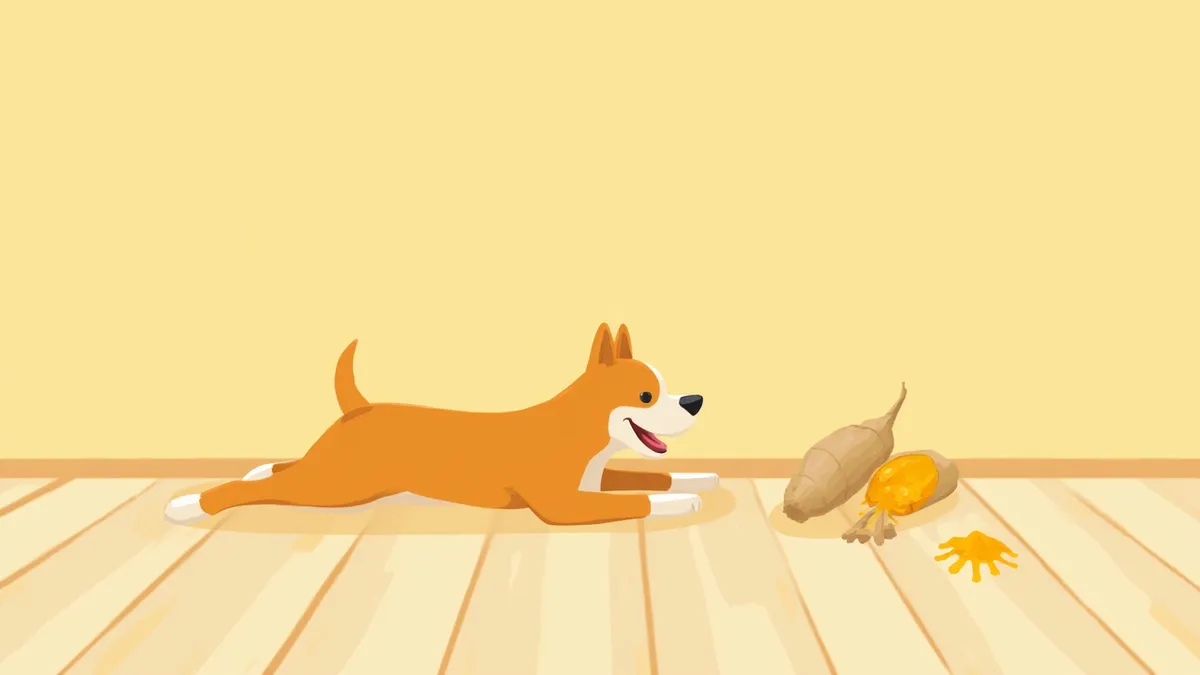
A senior dog resting with its legs stretched out next to turmeric root and powder.
Curcumin is a yellow compound derived from the roots of turmeric (Curcuma longa) and is being studied as a supportive ingredient for joint health in dogs and cats. The key point is that it serves as a consistent supplement for chronic arthritis. It is not a medication that immediately relieves acute pain, but rather is evaluated as an additive to existing joint care routines rather than a standalone treatment. Veterinary textbooks note that various nutraceutical ingredients, such as glucosamine and omega-3 fatty acids, play supportive roles in arthritis management, and curcumin is one of the ingredients being researched in combination supplements alongside green-lipped mussel. If you are considering a supportive ingredient due to difficulties with long-term NSAID use, please consult your veterinarian to confirm whether it is suitable for your pet.

Key Benefits of Curcumin for Pets

Curcumin is typically studied not as a standalone ingredient, but as part of a complex supplement for joint health management.
Anti-inflammatory and Joint Support: Veterinary clinical nutrition textbooks note that complex supplements containing green-lipped mussel, curcumin, and blackcurrant leaf extract are used to manage osteoarthritis symptoms.
Joint Health Support: Clinical studies in companion animals have reported some improvement in osteoarthritis-related indicators after administering complex supplements containing curcumin. However, since most studies used multi-ingredient products, it is difficult to isolate the specific effects of curcumin alone.
Antioxidant Properties: The antioxidant effects of curcumin are not clearly confirmed in the referenced veterinary textbooks, so it is prudent to consider this an area requiring further research rather than making definitive claims.
Supportive Use: Curcumin is evaluated as a supportive ingredient used alongside existing joint treatments, rather than as a standalone therapy. Multimodal management is recommended for osteoarthritis, and it is best to use curcumin within an existing treatment plan under veterinary guidance.
Gastrointestinal Effects: The effect of curcumin in alleviating gastrointestinal inflammation has not yet been sufficiently validated in veterinary medicine, making this an area that requires further research.

How Does the Anti-inflammatory Effect Work?
Curcumin’s anti-inflammatory effect is often described as working by suppressing inflammatory signals, but its exact mechanism of action is difficult to pinpoint based solely on the veterinary textbooks provided. However, these textbooks and related literature treat curcumin not as an immediate pain reliever, but as a supportive supplement that should be administered consistently over time. In simple terms, while NSAIDs act relatively quickly on osteoarthritis pain—like turning off a fire that’s already burning—curcumin is closer to a supportive ingredient that requires consistent, long-term administration rather than providing instant relief. Therefore, its effects are not immediate, and the time it takes for individual pets to notice changes can vary depending on their specific condition and overall health status.
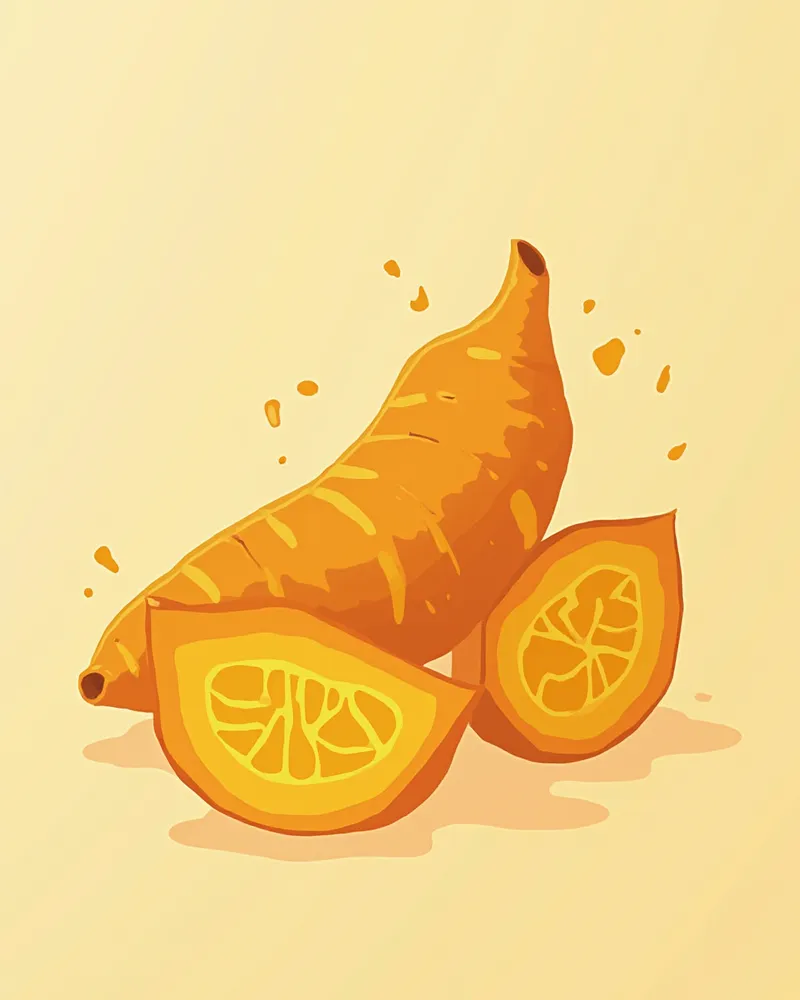
Close-up of a cross-section of turmeric root

Joint Effects Based on Veterinary Research

Veterinary clinical nutrition textbooks and related literature have reported the joint-supporting effects of complex supplements containing curcumin. A study introduced in the textbook Applied Veterinary Clinical Nutrition (Corbee, 2022) found that administering a complex supplement containing green-lipped mussel (GLM), curcumin, and blackcurrant leaf extract to dogs and cats resulted in positive changes in osteoarthritis-related indicators. The textbook also notes that it is desirable for such nutraceutical studies to be conducted using double-blind, placebo-controlled designs and objective indicators. Furthermore, the textbook points out that strong placebo effects can occur in owner-assessment-based studies, requiring caution when interpreting the results. Since most studies target complex ingredient products rather than curcumin alone, it is currently common practice to use curcumin as part of a complex supplement or as an adjunct to existing treatments, rather than as a standalone therapy.

Recommended Dosage by Body Weight

Curcumin varies significantly across products in terms of raw material concentration and bioavailability, so it is important to determine the appropriate dosage by reviewing the product label and consulting with a veterinarian. Currently, veterinary textbooks do not officially establish a standard dosage for curcumin administered alone to pets. The appropriate dose may vary depending on body weight, health status, and whether other medications are being taken, so always follow the instructions provided on the product and your veterinarian’s recommendations. When first administering curcumin, start with a low dose, monitor gastrointestinal response for two weeks, and then adjust gradually as needed.

Key Tips to Improve Absorption Rate

Curcumin is known to have relatively low bioavailability, so it’s often explained that simply giving it as-is may not result in adequate absorption. However, since specific methods for improving absorption aren’t covered in standard veterinary textbooks, it’s best to view these suggestions as general references rather than definitive guidelines.
Administer with fat: Curcumin is a fat-soluble compound, so it’s commonly recommended to give it alongside healthy fats like salmon oil or coconut oil.
Combine with piperine: The use of piperine, an extract from black pepper, is sometimes mentioned, but you should consult your veterinarian first to confirm its efficacy and safety for your pet.
Give after meals rather than on an empty stomach: Administering curcumin right after a meal is generally considered more suitable.
Turmeric powder, fish oil capsules, and black peppercorns

Comparison of Curcumin-Related Ingredients

Safe

커큐민(Curcumin)

강한 항염·항산화, 관절 통증 완화

Dosage: 소형견 50~100mg/일

Comblain 2017 RCT 등 다수

Caution

피페린(Piperine)

커큐민 흡수율 향상

Dosage: 제품 기준 소량 병용

약물 대사 영향 가능

Safe

보스웰리아(Boswellia)

커큐민과 병용 시 항염 시너지

Dosage: 20mg/kg/일

수의학 관절염 연구

Side Effects and Precautions

Curcumin is generally safe, but there are a few important precautions to keep in mind.
Gastrointestinal symptoms: High doses may cause vomiting, diarrhea, or decreased appetite. Start with a low dose.
Surgery and blood-related considerations: Curcumin may affect blood-related functions. If your pet is scheduled for surgery or is taking blood-related medications, consult your veterinarian before use.
Biliary tract considerations: For pets with biliary tract diseases, it is safest to consult your veterinarian before administering curcumin.
Nutritional interaction considerations: If your pet has anemia or specific nutritional deficiencies, consult your veterinarian before use.
Drug interactions: If your pet is taking NSAIDs, steroids, or diabetes medications, be sure to consult your veterinarian first.

Consult a Veterinarian First in These Cases

Do not administer curcumin without veterinary guidance to pets that are pregnant or nursing, scheduled for surgery, diagnosed with liver or biliary tract disease, or taking anticoagulants or diabetes medications. If your pet is already receiving a joint supplement, overlapping ingredients may require recalculation of the total dosage. For more detailed information on comprehensive joint care, please refer to our Pet Joint Supplement Selection Guide.

Reviewed by a veterinarian

Dr. Tony — Punnawat Phongkittirak

Dr. Tony — Punnawat Phongkittirak

Veterinarian

A veterinarian who majored in veterinary medicine at Khon Kaen University, Thailand, and completed the IVSA program at North Carolina State University in the United States. Drawing on clinical experience at animal hospitals, he works in the pet healthcare field and is dedicated to building a digital care environment that connects pet parents with veterinarians.

Frequently Asked Questions

Can I give my pet human-grade turmeric powder?
We don’t recommend it. Human products are difficult to dose correctly and often contain additives. Use a product formulated specifically for pets, or if you choose to give pure turmeric powder, consult your veterinarian about the appropriate dosage first.
How long does it take to see the effects?
Even with consistent administration, immediate changes are unlikely; most pet owners notice improvements only after regular use over a period of time. The timing of these noticeable effects can vary from one pet to another. Curcumin is not a fast-acting pain reliever but is regarded as a supportive ingredient that helps manage inflammation.
Is it safe for cats too?
Research on complex supplements containing green-lipped mussel and curcumin has been conducted on both dogs and cats. However, since cats may be more sensitive to the metabolism of these ingredients, start with a small amount and always consult your veterinarian before administering.
Can I use curcumin alone instead of NSAIDs?
For moderate to severe arthritis, we don’t recommend using it as a standalone treatment. Curcumin is a supportive ingredient, so it’s unlikely to provide pain relief strong enough to replace conventional therapy. Please discuss a combined treatment plan with your veterinarian.
My pet’s stool has turned yellow. Is this something to worry about?
Due to curcumin’s yellow pigment, your pet’s stool may temporarily turn yellow. This is a common and harmless reaction, so there’s no need to worry. However, if diarrhea occurs, reduce the dosage.

Share

Related Guides

References

[1] Innes JF et al., Curcuminoids in the management of canine osteoarthritis: a systematic review, Veterinary Record, 2019

[2] Colitti M et al., Transcriptome modification of white blood cells after dietary administration of curcumin and non-steroidal anti-inflammatory drug in osteoarthritic affected dogs, Vet Immunol Immunopathol, 2012

[3] Comblain F et al., A randomized, double-blind, prospective, placebo-controlled study of the efficacy of a diet supplemented with curcuminoids extract in dogs with osteoarthritis, The Veterinary Journal, 2017

[4] Plumb's Veterinary Drug Handbook, 9th Edition — Curcumin/Turmeric monograph

This information is based on veterinary literature and does not replace diagnosis or treatment. Please consult a veterinarian for specific health concerns.

Metapet Co., Ltd. | CEO: Park Sung-yong | Business Reg. No. 417-88-02562 | Seoul, South Korea | Customer Center

Curcumin for Dogs & Cats: Anti-inflammatory Joint Support | Meongsiljang