
Like
Share
멍실장
강아지 엠에스엠(MSM)이란? 관절 통증 완화 효과

What is MSM for Dogs? Effects on Relieving Joint Pain

JointIngredientsMeongsiljang Veterinary Advisory Board

We’ve compiled the effects, side effects, and proper administration methods of MSM (methylsulfonylmethane) for relieving joint pain in dogs, based on veterinary textbooks.

How Does MSM Help Your Dog’s Joints?

A puppy sitting comfortably with healthy joints, illustrated with natural ingredients.
Methylsulfonylmethane (MSM) is a natural sulfur compound used as a nutritional supplement to support joint health in dogs. MSM is an organic sulfur component found in small amounts in nature, such as in fruits, vegetables, and grains. Cartilage contains glycosaminoglycans (GAGs) that include sulfur, such as chondroitin sulfate. Veterinary nutrition textbooks describe chondroitin sulfate as a GAG that constitutes cartilage, and glucosamine as its precursor. However, textbook-level evidence directly addressing the joint effects of MSM itself remains limited. Therefore, MSM is considered a joint-supporting supplement used alongside glucosamine and chondroitin for dogs experiencing joint stiffness or pain as they age.

Key Effects of MSM

We’ve summarized the roles MSM is said to play in supporting your dog’s joint health. However, it’s important to note that veterinary textbooks offer limited evidence directly proving the efficacy of MSM as a standalone ingredient.
Anti-inflammatory effects: MSM is known to potentially contribute to reducing inflammatory responses around the joints. However, in the management of osteoarthritis, anti-inflammatory effects are more clearly established with non-steroidal anti-inflammatory drugs (NSAIDs) and omega-3 fatty acids.
Pain relief: In veterinary medicine, osteoarthritis is a degenerative condition characterized by cartilage degeneration, pain, and reduced range of motion in the joints. Nutritional supplements are used as part of a multifaceted management approach, and MSM may be expected to play a supportive role in this context. However, studies often report that the effects of such supplements are based on short-term and subjective evaluations.
Cartilage protection: According to veterinary nutrition textbooks, chondroitin sulfate is a glycosaminoglycan (GAG) that constitutes cartilage, while glucosamine is known as its precursor. Although MSM is often used alongside these cartilage-supporting ingredients, textbook evidence specifically proving MSM’s own cartilage-protective effects remains limited.
Antioxidant effects: The antioxidant role of reducing joint tissue damage caused by free radicals is primarily associated with ingredients like vitamin E in textbooks. Currently, veterinary textbook-level evidence supporting the antioxidant effects of MSM is limited.

What Does Veterinary Research Say?

The joint health benefits of MSM can be understood within a veterinary context. According to veterinary nutrition textbooks, oral administration of chondroitin sulfate has been shown to increase its concentration in the synovial fluid of dogs. Clinical advantages in cartilage protection have been reported when glucosamine and chondroitin are administered together, and it is known that their combination can produce a synergistic effect. However, these benefits are often based on short-term and subjective evaluations, and it has not yet been clearly confirmed that they improve the cartilage structure itself. MSM is also used as an adjunctive ingredient that supplies sulfur alongside this combination. Veterinary orthopedic textbooks describe osteoarthritis management as a multifaceted approach integrating nonsteroidal anti-inflammatory drugs (NSAIDs), weight management and exercise, chondroprotective agents, omega-3-rich diets, adjunctive ingredients, and physical rehabilitation. As a nutritional supplement rather than a drug, MSM can play a supportive role in this comprehensive management strategy.
An illustration of a veterinarian reviewing veterinary research materials alongside a dog.

What If Fed with Glucosamine and Chondroitin?
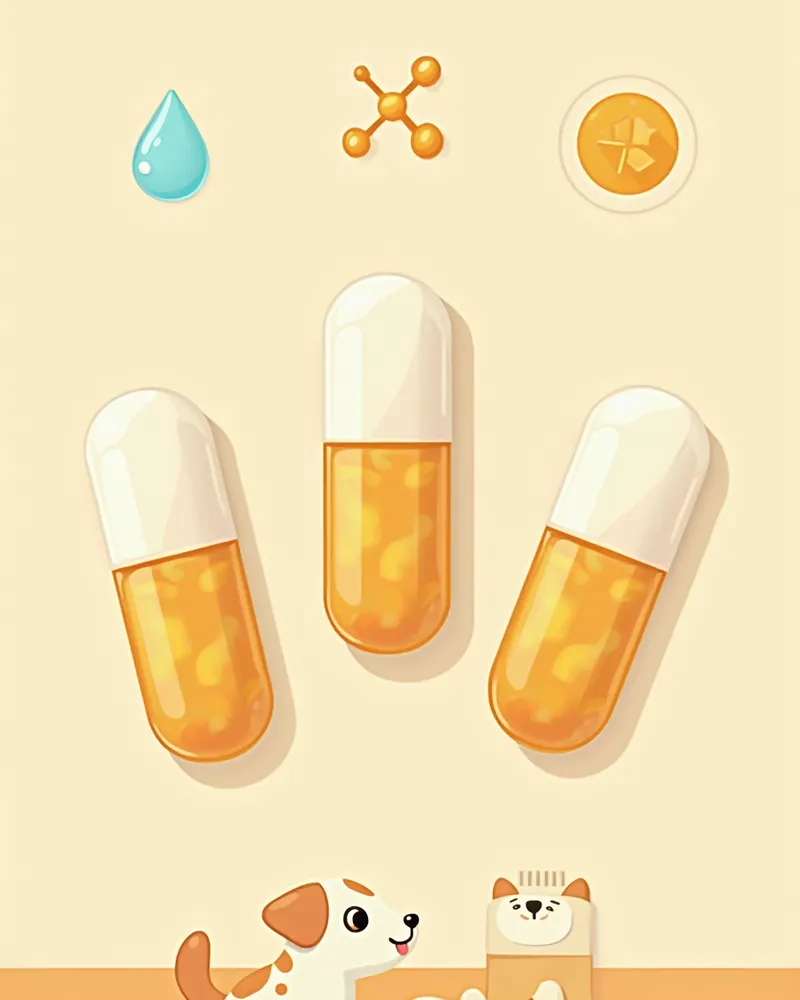
When searching for joint supplements, you’ll often find MSM combined with other ingredients rather than used alone. There’s a good reason for this.
Glucosamine + MSM: According to veterinary nutrition textbooks, glucosamine is a precursor needed for the synthesis of glycosaminoglycans (GAGs) in cartilage and is known to help limit or slow the progression of osteoarthritis in senior dogs. MSM serves as a sulfur-supplementing adjunct, working alongside glucosamine to support joint health from different angles.
Chondroitin + MSM: Chondroitin is a glycosaminoglycan found in joint cartilage. Textbooks explain that it stimulates GAG synthesis and inhibits the activity of enzymes that break down cartilage. It is commonly paired with MSM, which acts as an additional source of sulfur.
Three-Ingredient Combination: Veterinary textbooks note that administering glucosamine and chondroitin together has been shown to provide clinical benefits and synergistic effects. MSM is added as a supplementary ingredient to provide sulfur. If you’d like to learn more about each component, check out the Glucosamine Guide and Chondroitin Guide.
Illustration of the synergistic effect of glucosamine, chondroitin, and MSM

Always Consult Your Veterinarian for Dosage

The appropriate dosage of MSM for your dog depends on their weight, age, and overall health. Since MSM content varies among different supplement products, it is safest to consult with your veterinarian to determine the right dosage. When first introducing MSM, we recommend starting with a small amount and closely monitoring your dog’s response.

Side Effects and Precautions

MSM is generally recognized as a relatively safe supplement, but there are some important precautions to keep in mind.
Digestive issues: When first introduced or given in excessive amounts, it may cause gastrointestinal symptoms such as diarrhea, vomiting, or gas. It’s best to start with a small dose and gradually increase it.
Allergic reactions: Although rare, some dogs may be sensitive to MSM itself. If you notice skin itching or redness, discontinue use and consult your veterinarian.
Drug interactions: Always consult your veterinarian before adding any new supplement to your dog’s routine, especially if they are already on medication. This is particularly important if your dog is taking drugs that affect blood clotting (such as anticoagulants), as thorough discussion with your vet is essential before introducing any supplements.
An illustration of a pet owner carefully checking a supplement label with their dog.

Which Dogs Will Benefit?

MSM isn’t essential for every dog, but it can be especially beneficial in the following situations:
Senior dogs with osteoarthritis: As dogs age, their joint cartilage wears down, leading to pain. MSM can help reduce inflammation and alleviate discomfort.
Dogs managing patellar luxation: It plays a supportive role in maintaining the health of tissues surrounding the joints. If you’d like to learn more about patellar luxation, check out our Patellar Luxation Symptoms Guide.
Large-breed dogs: Due to their greater body weight, large breeds place more pressure on their joints. Many owners give them joint supplements as a preventive measure.
Highly active dogs: Dogs with high activity levels may experience faster joint wear, so MSM can provide helpful support.

In These Cases, Always Consult Your Veterinarian Before Feeding

Since the safety of MSM has not been sufficiently established for pregnant or nursing dogs, it is best to avoid giving it to them. For dogs scheduled for surgery or currently taking other medications, always consult with your veterinarian before starting MSM supplementation.

Reviewed by a veterinarian

Dr. Tony — Punnawat Phongkittirak

Dr. Tony — Punnawat Phongkittirak

Veterinarian

A veterinarian who majored in veterinary medicine at Khon Kaen University, Thailand, and completed the IVSA program at North Carolina State University in the United States. Drawing on clinical experience at animal hospitals, he works in the pet healthcare field and is dedicated to building a digital care environment that connects pet parents with veterinarians.

Frequently Asked Questions

How long does it take for MSM to show its effects?
Generally, joint-support supplements need to be given consistently for several weeks or longer before you can expect to see any changes. The exact time it takes for the benefits to become apparent can vary depending on your dog’s condition and the product’s ingredient levels, so the most important thing is to follow your veterinarian’s guidance and administer the supplement consistently.
Can I give my dog human MSM supplements?
We don’t recommend it. Human products may contain additives that are harmful to dogs. In particular, artificial sweeteners like xylitol are extremely dangerous for dogs. Always use products specifically formulated for pets.
Can MSM be given together with anti-inflammatory medication?
Please consult with your veterinarian. Although MSM is a nutritional supplement, it may interact with anti-inflammatory medications. It’s safest to have your veterinarian assess your pet’s condition and determine whether it’s safe to use them together.
Does MSM work when given alone, without glucosamine?
Veterinary textbooks offer limited evidence directly supporting the efficacy of MSM as a standalone supplement. These texts explain that combining glucosamine and chondroitin provides clinical benefits and synergistic effects. Therefore, if your goal is to support joint health, choosing a multi-ingredient product containing these components together may be more beneficial.
What form of MSM supplement is best?
They come in various forms, such as powders, tablets, and chewables. Choose the form your dog enjoys the most, but the most important factors are the MSM content and quality. It’s best to select a product with clear ingredient analysis data.

Share

Related Guides

References

[1] Handbook of Veterinary Pharmacology — Chapter: Miscellaneous Anti-inflammatory Drugs (DMSO and Related Compounds)

[2] Nutrient Requirements of Dogs and Cats, National Research Council — Chapter: Nutrient Requirements and Dietary Concentrations (Chondroprotective Agents)

[3] Textbook of Veterinary Orthopaedic Surgery — Section: Osteoarthritis Management and Nutraceuticals

This information is based on veterinary literature and does not replace diagnosis or treatment. Please consult a veterinarian for specific health concerns.

Metapet Co., Ltd. | CEO: Park Sung-yong | Business Reg. No. 417-88-02562 | Seoul, South Korea | Customer Center

What Is MSM for Dogs? Effects on Relieving Joint Pain | Meongsiljang