

5 Benefits of Pantothenic Acid (B5) Veterinarians Focus On — Key Summary for Skin, Coat, and Energy
Pantothenic acid (vitamin B5) is a water-soluble vitamin essential for skin and coat health as well as energy metabolism. Here’s how it benefits dogs and cats, along with recommended dosages and important precautions.
What Is Pantothenic Acid (B5)?

Key Benefits of Pantothenic Acid
Evidence from Veterinary Nutrition Research
Recommended Feeding Dosage Guidelines
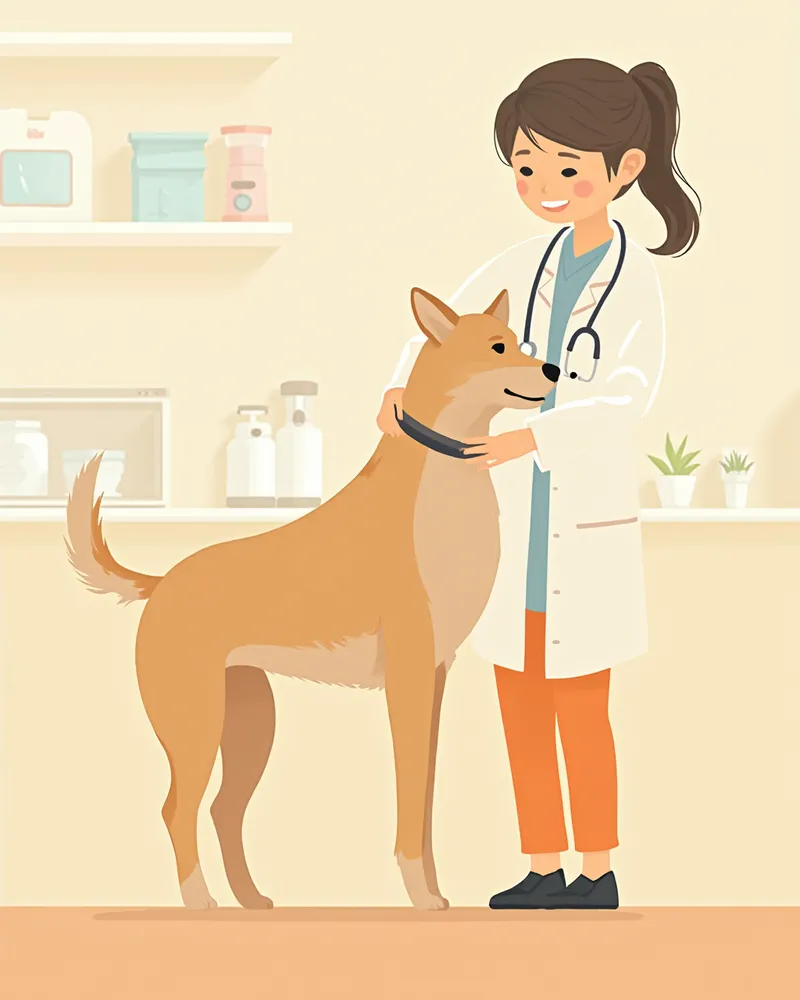
According to NRC guidelines, adult cats require approximately 4.6 mg of pantothenic acid per kilogram of dry matter in their diet (the minimum requirement) up to 5.75 mg (the recommended intake level). Pantothenic acid has also been confirmed as an essential nutrient for dogs; however, because their specific daily needs vary depending on body weight, age, and health status, it is difficult to express this as a single fixed value per unit of body weight. Most complete and balanced commercial diets that meet AAFCO standards already contain sufficient amounts. Before using any supplements, always consult your veterinarian to determine the appropriate dosage based on your pet’s weight and health condition.
Pantothenic Acid Summary Card
판토텐산(Pantothenic Acid)
피모 윤기·에너지 대사·피부 재생
Dosage: 강아지 0.4mg/kg/일, 고양이 0.14mg/kg/일
미국국립연구위원회(NRC) 권장
Side Effects and Precautions

Natural Foods Rich in Pantothenic Acid
Important Checks Before Using Supplements
Commercial vitamin B complex supplements contain pantothenic acid along with several other ingredients. For pets already eating a balanced diet, these supplements can lead to excessive intake, and in certain breeds or medical conditions, interactions with other vitamins may occur. Always show your veterinarian the ingredient list and consult them before combining these supplements with any existing medications or nutritional products.
Reviewed by a veterinarian

Dr. Tony — Punnawat Phongkittirak
VeterinarianA veterinarian who majored in veterinary medicine at Khon Kaen University, Thailand, and completed the IVSA program at North Carolina State University in the United States. Drawing on clinical experience at animal hospitals, he works in the pet healthcare field and is dedicated to building a digital care environment that connects pet parents with veterinarians.
Reviewed 2026-04-26
Frequently Asked Questions
What symptoms occur when there is a deficiency of pantothenic acid?
Can I give my dog human vitamin B5 supplements?
Do cats also need pantothenic acid?
My pet’s coat has become dry and brittle. Is supplementing with pantothenic acid alone sufficient?
Share
Related Guides

Top 5 Medicated Dog Shampoos — For Pyoderma and Bacterial Infections

Veterinarian-Recommended Top 5 Medicated Shampoos for Canine Yeast Dermatitis — Relieves Itching and Greasiness
Top 5 Medicated Cat Shampoos Recommended by Veterinarians — Fungal Dermatitis and Fungal Care

Curcumin Efficacy and Anti-inflammatory/Joint Support

Coenzyme Q10 Benefits and Administration Guide

Benefits of Omega-3 for Dogs and a Guide to Proper Feeding

What is MSM for Dogs? Effects on Relieving Joint Pain

L-Theanine Effects and Calming Support

Psyllium Husk Benefits for Constipation and Dietary Fiber

Melatonin: A Complete Guide to Its Effects on Sleep, Anxiety, and Hair Loss
References
[1] Hand MS et al., Small Animal Clinical Nutrition, 5th Edition, 2010
[2] National Research Council, Nutrient Requirements of Dogs and Cats, 2006
[3] Case LP et al., Canine and Feline Nutrition, 3rd Edition, 2011