

What Is Glucosamine for Dogs? A Guide to Effects, Side Effects, and Recommended Dosage
We’ve compiled the effects, side effects, and proper administration methods of glucosamine for supporting your dog’s joint health, based on veterinary textbooks.
Does Glucosamine Really Help Your Dog’s Joints?

Key Effects of Glucosamine
Better Results When Given with Chondroitin

What Does Veterinary Research Say?
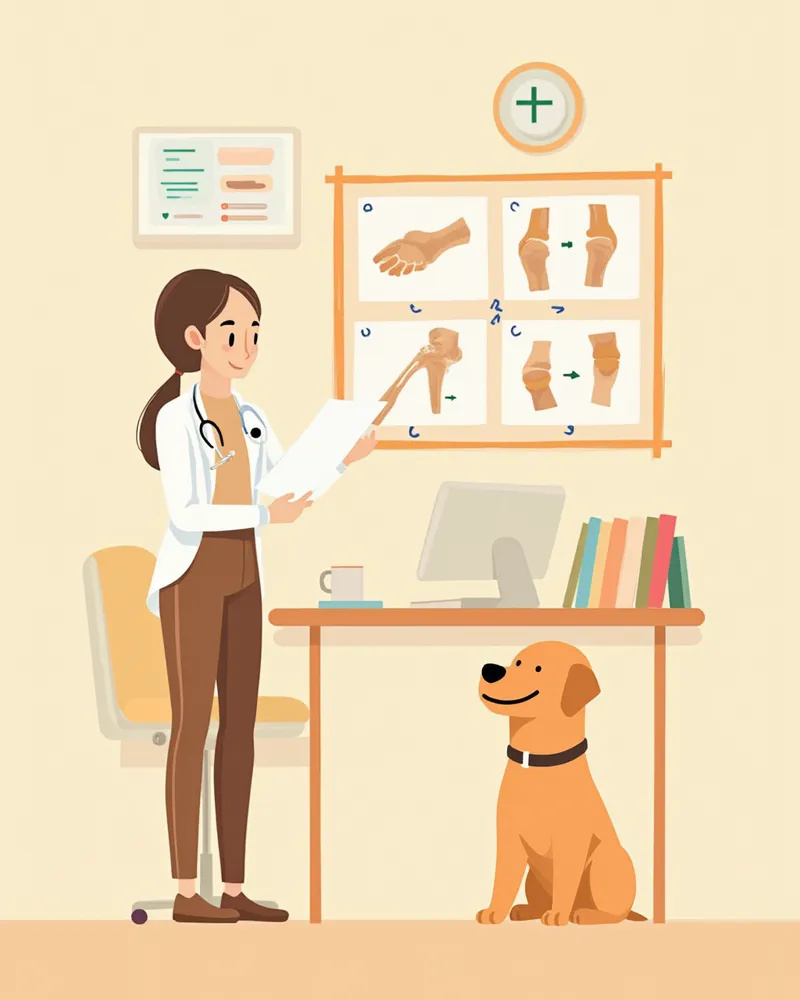
Always Consult Your Veterinarian for Dosage
The appropriate glucosamine dosage depends on your dog’s weight, age, and joint condition. Your veterinarian can assess your pet’s specific needs and recommend the right product and dosage. Since joint supplements work best with consistent, long-term use rather than short-term administration, please follow your veterinarian’s instructions and avoid arbitrarily increasing the dose or stopping the supplement.
How to Choose a Good Glucosamine Product
Side Effects and Precautions
Dogs That Require Veterinary Consultation Before Administration
Do not administer glucosamine to pregnant or nursing dogs, dogs with diabetes, or dogs scheduled for surgery without veterinary guidance. If your dog is taking other medications, there may be interactions with the supplement, so please consult your veterinarian before starting any new supplement.
Reviewed by a veterinarian

Dr. Tony — Punnawat Phongkittirak
VeterinarianA veterinarian who majored in veterinary medicine at Khon Kaen University, Thailand, and completed the IVSA program at North Carolina State University in the United States. Drawing on clinical experience at animal hospitals, he works in the pet healthcare field and is dedicated to building a digital care environment that connects pet parents with veterinarians.
Reviewed 2026-04-13
Frequently Asked Questions
At what age should I start giving glucosamine?
Can I give my dog human glucosamine?
How long does it take for glucosamine to start showing effects?
My pet was diagnosed with arthritis. Is glucosamine alone enough?
Can it help dogs with patellar luxation?
Share
Related Guides
Top 5 Patellar Support Braces for Dogs — Stage-by-Stage Size Guide

Curcumin Efficacy and Anti-inflammatory/Joint Support

Top 5 Recommended Joint Supplements for Dogs in 2026

Cysteine Effects and Glutathione Precursor

7 Benefits of Thiamine (B1) for Dogs Highlighted by Veterinarians — Key to Nerve Health

Tryptophan Effects: Separation Anxiety and Calming

7 Roles of Copper Explained by Veterinarians — A Key Guide to Coat Color and Liver Health

7 Key Benefits of Iodine for Pet Thyroid Health, Explained by Veterinarians

Iron Benefits, Deficiency Symptoms, and Feeding Guide

SAM-e Liver Protection and Cognitive Benefits: A Comprehensive Summary
References
[1] Nutrient Requirements of Dogs and Cats, National Research Council — Chapter: Nutrient Requirements and Dietary Concentrations (Chondroprotective Agents)
[2] Applied Veterinary Clinical Nutrition, 2nd Edition — Chapter: Joint Health and Nutrition
[3] The Cat, Clinical Medicine and Management, 2nd Edition — Section: Chondroprotective Joint Supplements