Like
Share
멍실장
라이신 고양이 면역 보조 효과

L-Lysine: Immune Support Benefits for Cats

HeartIngredientsMeongsiljang Veterinary Advisory Board

L-lysine is an essential amino acid used to help manage feline herpesvirus and support immune function. Here’s a veterinary-backed overview of its benefits, recommended dosage, and important precautions.

What is L-Lysine?
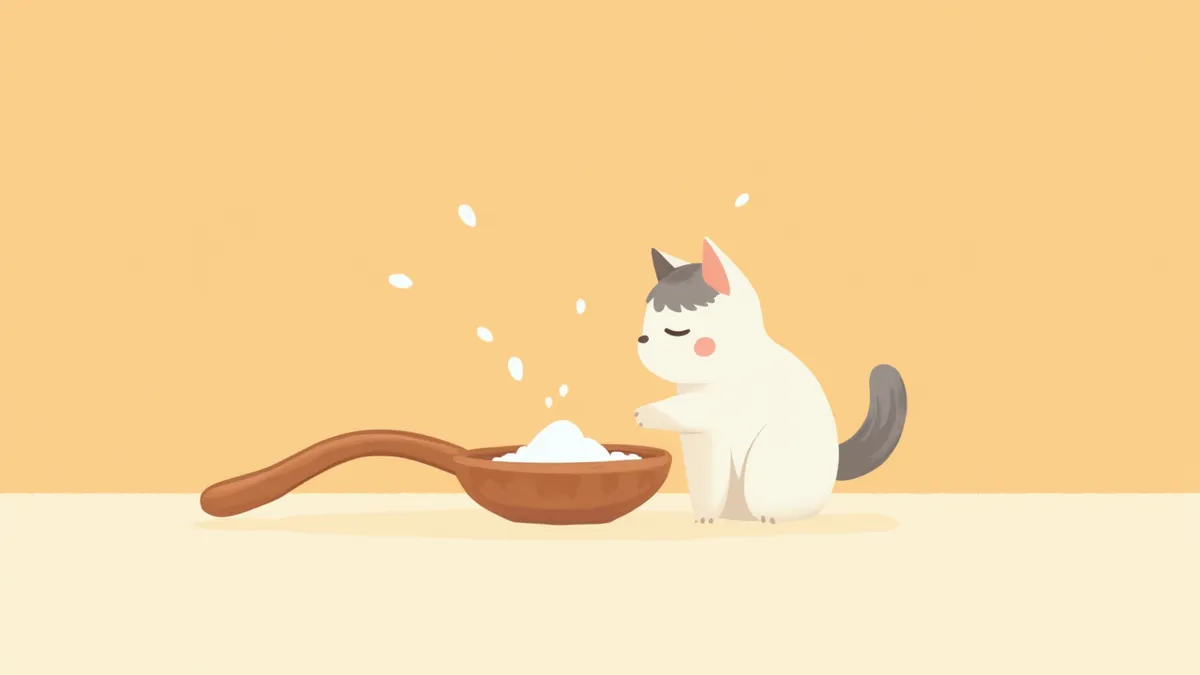
A spoon filled with lysine supplement powder, with a cat watching on.
L-Lysine is an essential amino acid that makes up proteins. Since cats cannot synthesize enough of it on their own, it is important to obtain it through their diet. Lysine is involved not only in protein synthesis and growth but also in maintaining the collagen structure of the skin, blood vessels, and bones as a precursor to hydroxylysine. Veterinarians often recommend it to help manage recurrent feline herpesvirus (FHV-1) infections. However, a 2015 systematic review found no evidence supporting its preventive or therapeutic efficacy. Therefore, if your cat experiences recurring symptoms such as sneezing, eye discharge, or conjunctivitis, it is safer to consult your veterinarian before deciding whether to administer lysine, rather than making the decision on your own.

Expected Benefits for Cats

Lysine plays three main roles, each connected to a cat’s overall health and protein metabolism. - Protein and growth support: As an essential amino acid for protein structure, lysine is involved in feline growth and overall protein synthesis. - Unclear efficacy for herpes symptoms: Although a mechanism has been proposed in which lysine competes with arginine to inhibit viral replication, a 2015 systematic review found no evidence that lysine prevents or treats FHV-1. Some cases have even reported concerns that it may increase the frequency or severity of recurrences. - Maintenance of body protein: As an essential amino acid required for protein synthesis, lysine helps maintain body protein in growing and senior cats. - Collagen synthesis: As a precursor to hydroxylysine, lysine is involved in maintaining the cross-linked structure of collagen in connective tissues of the skin, blood vessels, and bones.

Veterinary Evidence for Herpesvirus

Feline herpesvirus type 1 (FHV-1) is a virus that many cats carry for life. It can reactivate when stress or environmental changes weaken the immune system, leading to recurrent symptoms such as ocular discharge, conjunctivitis, and upper respiratory signs. A 2003 study by the Maggs research team suggested that lysine might interfere with protein synthesis required for viral replication by competing with arginine. However, a 2015 systematic review by Bol and Bunnik concluded that lysine supplementation is not effective in preventing or treating FHV-1 infection, and raised concerns that it could even increase the frequency of reactivation or the severity of clinical signs in some cats. Given current veterinary evidence, you should always consult your veterinarian before using lysine for FHV-1 management.
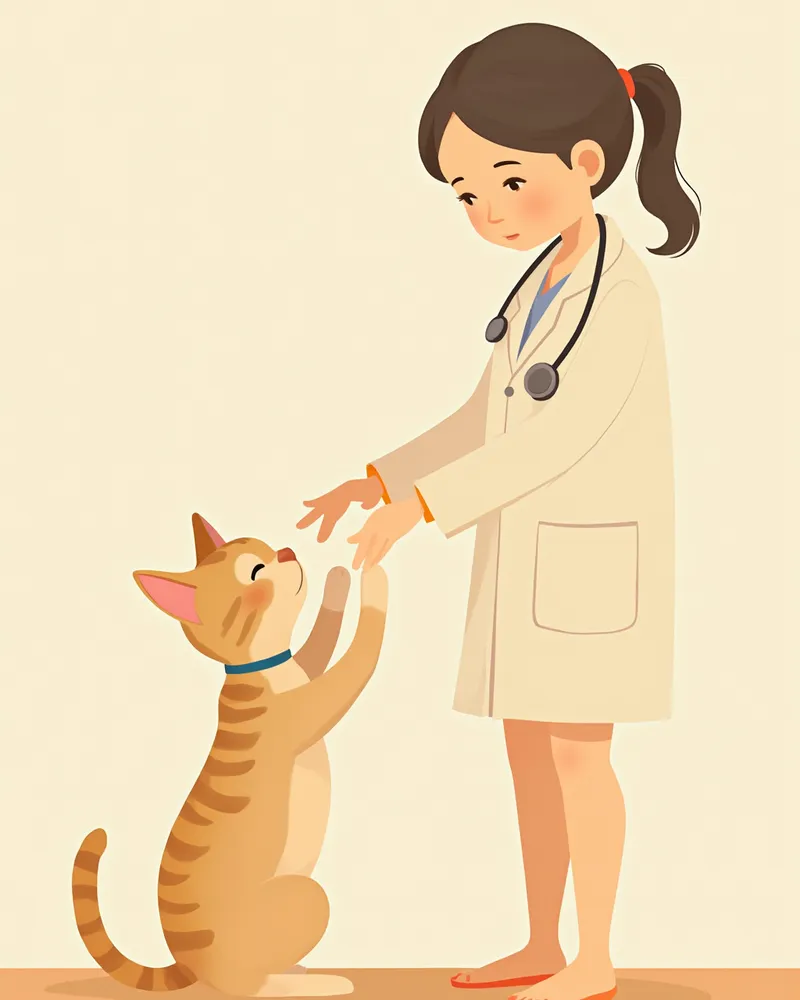
A veterinarian’s hands examining a cat with crusted eyes

L-Lysine Key Information Card

Safe

L-라이신(L-Lysine)

면역 기능 보조, 허피스 증상 재발 관리 보조

Dosage: 하루 250~500mg (고양이 체중·수의사 지시에 따라)

수의내과학 교과서 권장, 임상 보조 요법

Recommended Dosage Guidelines

The appropriate dosage varies depending on your cat’s weight, age, and health status. Since there is no officially established standard dosage in current veterinary textbooks, it is safest to follow the label instructions of the commercial product or adhere to your veterinarian’s prescription. Your veterinarian will adjust the dosage based on your cat’s weight, age, and severity of symptoms, so please consult a professional rather than increasing the dose on your own. For kittens, as well as pregnant or nursing cats, it is essential to strictly follow your veterinarian’s guidance.

How to Administer L-Lysine
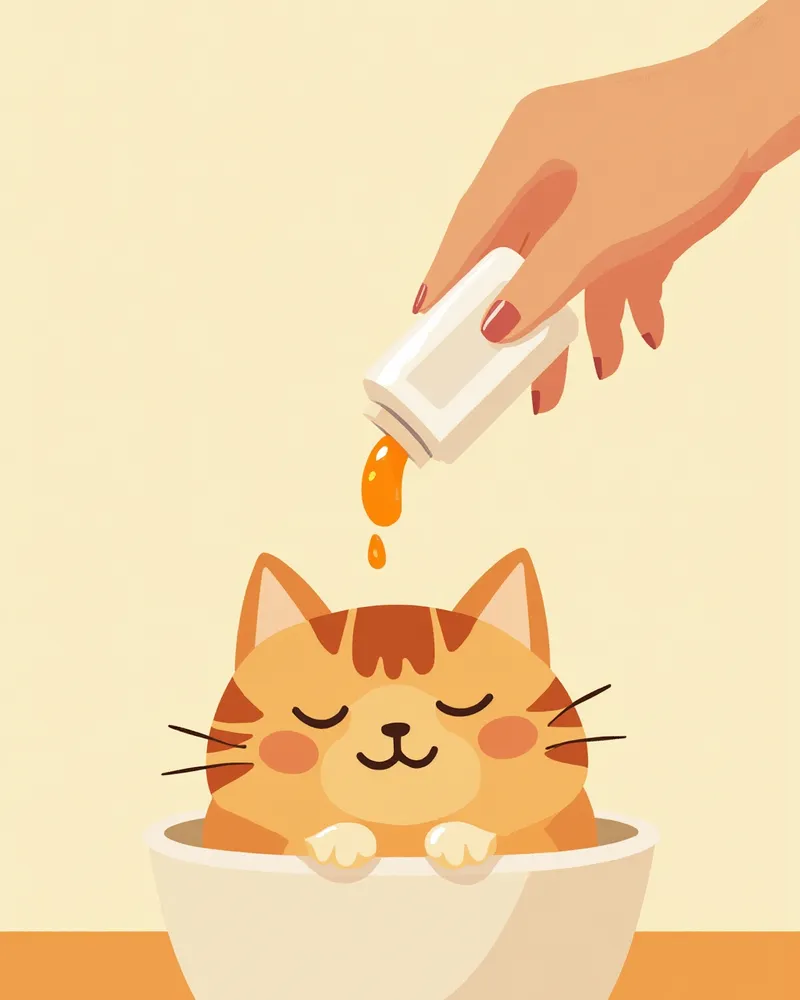
L-lysine supplements come in powder, gel, and treat forms. Since cats are sensitive to bitter tastes, palatability is very important. - Gel/paste type: Apply to the paw pads or mix with treats for administration; this form has the least resistance. - Powder type: Mix into moist food for administration; it’s easy to adjust the dosage. - Treat type: Give like a regular treat; great for consistent daily use. It’s best to administer after meals rather than on an empty stomach to reduce gastrointestinal burden.
Squeezing lysine gel onto cat food and mixing it in

Side Effects and Precautions

L-lysine is a relatively safe supplement, as no clinical toxicity has been reported even when administered to cats in high doses. However, please keep the following precautions in mind: - Potential worsening of herpesvirus symptoms: Some studies have raised concerns that L-lysine supplementation might actually increase the frequency of FHV-1 reactivation or the severity of clinical signs. - Arginine antagonism: L-lysine competes with arginine. Since cats can suffer serious health issues from arginine deficiency, consult your veterinarian before administering high doses of L-lysine alone for extended periods. - Cats with underlying conditions: Cats with pre-existing conditions, such as kidney or liver disease, must be evaluated by a veterinarian before starting any nutritional supplements. If symptoms do not improve after two weeks of supplementation, please schedule a recheck to investigate other potential causes.

When to Consult a Veterinarian

In the following situations, a veterinary diagnosis should take priority over self-administered supplementation, as the condition may not be resolved by lysine alone: - When eye discharge, nasal discharge, or sneezing persists for more than three days - When accompanied by decreased appetite or lethargy - In cats with a history of kidney or liver disease - In kittens, pregnant cats, or nursing queens - When other supplements or medications are being administered concurrently

Reviewed by a veterinarian

Dr. Tony — Punnawat Phongkittirak

Dr. Tony — Punnawat Phongkittirak

Veterinarian

A veterinarian who majored in veterinary medicine at Khon Kaen University, Thailand, and completed the IVSA program at North Carolina State University in the United States. Drawing on clinical experience at animal hospitals, he works in the pet healthcare field and is dedicated to building a digital care environment that connects pet parents with veterinarians.

Frequently Asked Questions

Should I give lysine to a healthy cat?
Healthy cats that eat a balanced diet generally don’t need any additional supplements. While some veterinarians may recommend them as a supportive measure for cats showing symptoms related to FHV-1, current veterinary literature does not consistently support their effectiveness.
How long does it take for the effects to show?
Current veterinary evidence does not consistently confirm the clinical efficacy of lysine for FHV-1, making it difficult to specify when effects may occur. If symptoms persist, please consult a veterinarian first.
Which is better, lysine treats or supplements?
The best option is a form that your pet can consistently take. If precise dosing is important, consider a supplement; if your pet strongly resists it, try a treat-style version instead.
Can I give my pet human-grade lysine?
We don’t recommend it. Human products may contain additives harmful to cats, such as sweeteners and flavorings. Please use products specifically formulated for cats.
Can I give this supplement alongside other supplements?
While it can be safely administered alongside general probiotics and omega-3 supplements, please always consult your veterinarian before combining it with amino acid complexes or prescription medications.

Share

Related Guides

References

[1] Little, S.E. The Cat: Clinical Medicine and Management, 2nd Edition, Elsevier, 2020

[2] National Research Council. Nutrient Requirements of Dogs and Cats, National Academies Press, 2006

[3] Maggs DJ, Sykes JE et al., Effects of L-lysine and L-arginine on in vitro replication of feline herpesvirus type-1, American Journal of Veterinary Research, 2000

This information is based on veterinary literature and does not replace diagnosis or treatment. Please consult a veterinarian for specific health concerns.

Metapet Co., Ltd. | CEO: Park Sung-yong | Business Reg. No. 417-88-02562 | Seoul, South Korea | Customer Center

L-Lysine: Immune and Herpesvirus Support for Cats | Meongsiljang