Like
Share
멍실장
비타민B 복합체 효과와 급여

Effects of Vitamin B Complex and Feeding Guidelines

ImmunityIngredientsMeongsiljang Veterinary Advisory Board

Vitamin B complex is a group of eight water-soluble vitamins essential for energy metabolism and nerve function. We’ve summarized the key information pet owners need to know, including deficiency symptoms, recommended dosages, and important precautions.

What is Vitamin B Complex?
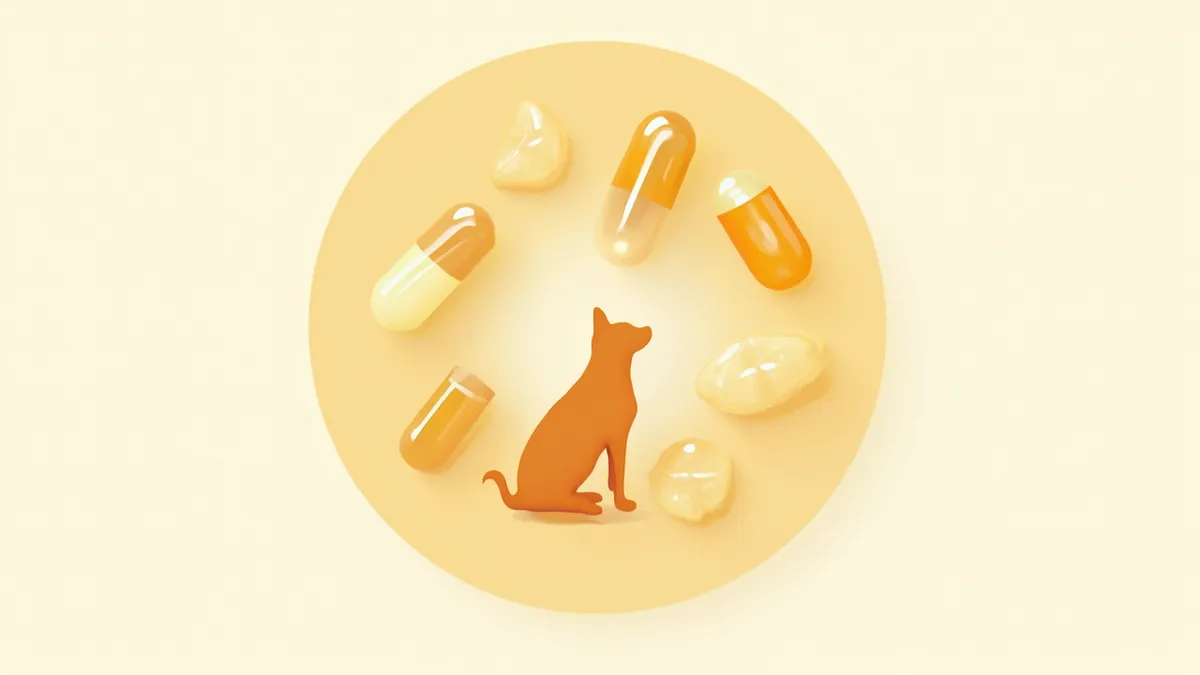
Eight types of vitamin B complex and pet illustrations
Vitamin B complex refers to a group of eight water-soluble vitamins (B1, B2, B3, B5, B6, B7, B9, and B12) that play key roles in energy metabolism, nerve transmission, and red blood cell production. Because they are water-soluble, they are not stored in the body in significant amounts and must be supplied consistently through daily meals. Cats, in particular, have high activity of amino transferase enzymes due to continuous glucose gluconeogenesis, resulting in a pyridoxine (B6) requirement approximately four times higher than that of dogs. Deficiency can lead to decreased appetite, weight loss, and neurological symptoms such as seizures. If your cat is already eating a balanced, complete diet, additional supplementation is usually unnecessary. However, separate supplementation may be needed in cases of chronic diarrhea, kidney disease, or picky eating.

Roles of Each of the Eight B Vitamins

The B-complex vitamins consist of eight distinct types, each with its own specific role. A deficiency in just one can disrupt your pet’s overall metabolism.
B1 (Thiamine): Converts carbohydrates into energy and supports nerve transmission.
B2 (Riboflavin): Aids cellular respiration and provides antioxidant support.
B3 (Niacin): Maintains skin and digestive tract health.
B5 (Pantothenic Acid): Supports fat metabolism and hormone synthesis.
B6 (Pyridoxine): Facilitates protein metabolism and red blood cell production.
B7 (Biotin): Promotes healthy skin, paw pads, and coat.
B9 (Folate): Essential for DNA synthesis and fetal development during pregnancy.
B12 (Cobalamin): Supports nerve function and red blood cell production.

B Vitamins Requiring Special Attention in Pets

Caution

티아민(B1)

신경 전달·탄수화물 대사

Dosage: 강아지 0.56mg/1,000kcal, 고양이 5.6mg/1,000kcal

고양이는 티아민 요구량이 강아지의 약 4배, 결핍 시 신경 증상

Safe

코발라민(B12)

적혈구 생성·신경 기능

Dosage: 강아지 27μg/1,000kcal, 고양이 22.5μg/1,000kcal

만성 장염·췌장 질환 시 흡수 저하로 보충 필요

Safe

엽산(B9)

DNA 합성·임신 중 태아 발달

Dosage: 강아지 67.5μg/1,000kcal, 고양이 187.5μg/1,000kcal

임신·수유기 요구량 증가

Signs of Vitamin B Deficiency

Vitamin B isn’t stored in the body, so deficiency symptoms can appear relatively quickly. If you notice any of the following signs, it may be time to review your pet’s diet.
Loss of appetite: An early sign that can occur with deficiencies in B6, B2, or B7
Weight loss: Indicates impaired energy metabolism
Hair loss and flaky skin: Signs of insufficient B7, B2, or B3
Skin inflammation and redness: Possible indicators of skin health issues due to B2 or B7 deficiency
Neurological symptoms: Head tilting, seizures, or abnormal gait are warning signs of B1 or B6 deficiency
Anemia and pale gums: Can result from deficiencies in B9 or B12
A scene examining symptoms of vitamin B deficiency

Situations Requiring Special Caution

Cats that have been on a fish-heavy diet for a long time can develop a rapid vitamin B1 deficiency because the enzyme thiaminase in fish breaks down thiamine. If you notice your cat tilting its head, stumbling, or experiencing sudden seizures, take it to a veterinary clinic immediately. Additionally, dogs and cats with chronic diarrhea or inflammatory bowel disease (IBD) often have impaired vitamin B12 absorption, so veterinarians frequently recommend supplementation via injection.

Evidence from Veterinary Research

According to pet nutrition literature based on National Research Council (NRC) data, cats have different requirements for B vitamins compared to dogs. In particular, because of their continuous glucose gluconeogenesis, cats have higher activity of amino group transfer enzymes (transaminases), resulting in a reported requirement for pyridoxine (B6) that is approximately four times higher than that of dogs. Additionally, cobalamin (B12) status is closely linked to gastrointestinal function. In fact, low blood levels of B6, B12, and folate have been reported in some cats with hypertrophic cardiomyopathy and arterial thromboembolism. When absorption is impaired, oral supplementation alone may be insufficient, so veterinarians may consider subcutaneous injections to ensure adequate supplementation.
Veterinary textbooks and vitamin B supplements

Recommended Dosages and Supplementation Criteria

If you’re feeding a complete diet that meets AAFCO (Association of American Feed Control Officials) standards, additional vitamin B supplementation is usually unnecessary. Consider supplementation only in the following cases: - Long-term feeding of homemade or raw diets - Reduced B12 absorption due to chronic diarrhea, inflammatory bowel disease (IBD), or pancreatitis - Pregnant or lactating female pets - When a veterinarian confirms a deficiency through blood tests Dosage must always be determined by a veterinarian based on your pet’s weight and health condition. Administering human B-complex supplements without professional guidance can lead to overdose or absorption issues.

Side Effects and Precautions
Vitamin B is water-soluble, so excess amounts are mostly excreted in urine. However, long-term high-dose use requires some precautions.
B6 excess: Prolonged high-dose administration can cause hypervitaminosis, so be careful not to exceed the prescribed dosage.
B3 (niacin) excess: Excessive intake may cause toxic reactions, so it is important to stay within the safe dosage range recommended by your veterinarian.
B12 injection site irritation: Temporary pain or swelling may occur after subcutaneous injection.
Caution with human products: Products containing xylitol or sweeteners can be fatal to dogs.
Always choose products approved for pets, and consult your veterinarian before combining with other supplements.
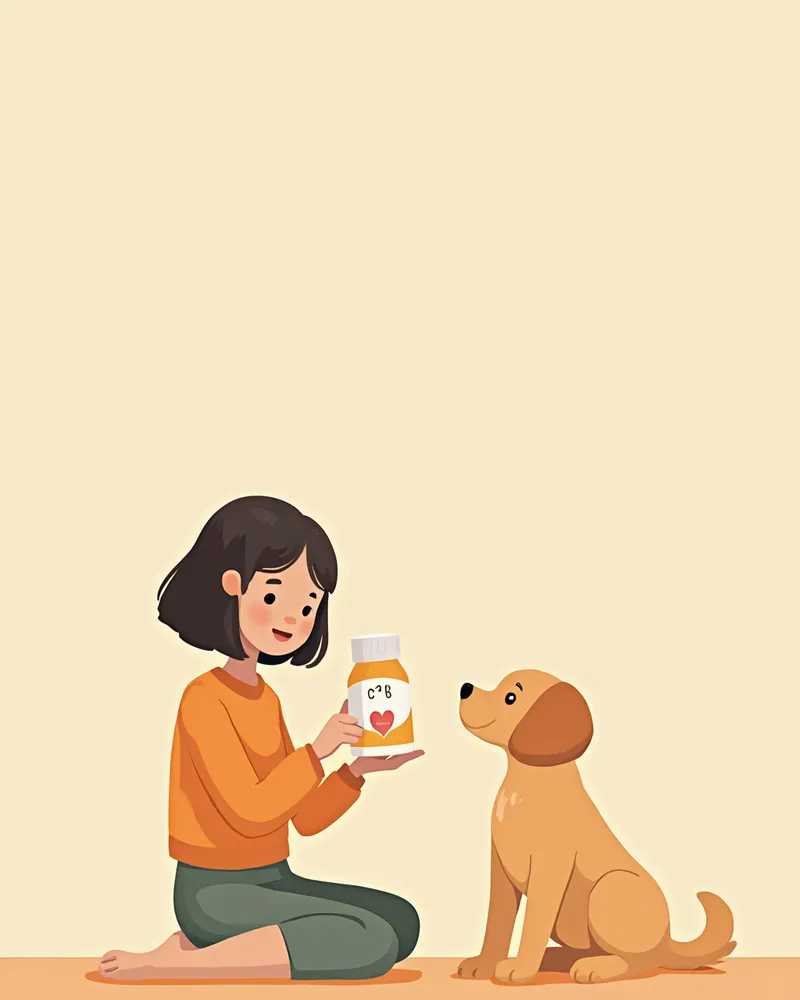
A pet owner checking the label of a nutritional supplement

Reviewed by a veterinarian

Dr. Tony — Punnawat Phongkittirak

Dr. Tony — Punnawat Phongkittirak

Veterinarian

A veterinarian who majored in veterinary medicine at Khon Kaen University, Thailand, and completed the IVSA program at North Carolina State University in the United States. Drawing on clinical experience at animal hospitals, he works in the pet healthcare field and is dedicated to building a digital care environment that connects pet parents with veterinarians.

Frequently Asked Questions

Can I give my dog human vitamin B complex supplements?
We do not recommend it. Human products are formulated for different body weights and often contain additives harmful to dogs, such as xylitol and artificial sweeteners. Always use products specifically designed for pets, and follow your veterinarian’s instructions for dosage.
How often should vitamin B12 injections be administered?
This depends on your veterinarian’s assessment. Since cobalamin absorption relies on gastrointestinal function, pets with chronic intestinal disease may require subcutaneous injections rather than oral supplementation. Your veterinarian will determine the appropriate injection interval and dosage based on blood test results, so please do not set an administration schedule on your own.
Even if my pet eats only complete and balanced commercial food, do they still need a vitamin B supplement?
Generally, it’s not necessary. Complete and balanced diets that meet AAFCO standards already contain adequate levels of B vitamins. However, for senior pets, those with chronic conditions, or pets on homemade diets, it’s safest to check blood levels and consult your veterinarian before making any decisions.
I’m worried about my cat developing a vitamin B1 deficiency because they love eating fish.
Cooked fish is generally safe for pets. The concern lies with raw fish, which contains an enzyme called thiaminase that can destroy vitamin B1. Feeding raw fish as the main part of the diet over a long period may lead to vitamin B1 deficiency. Always cook the fish before serving, or offer it alongside a complete and balanced pet food.
My pet’s coat is dry and brittle, and they’re shedding a lot. Would supplementing with biotin (vitamin B7) help improve this?
Biotin supplementation can help if a deficiency is the cause, but skin issues in pets have many potential causes. Allergies, parasites, and hormonal imbalances are more common culprits, so it’s best to have your veterinarian diagnose the underlying issue before starting any supplements. Once the cause is confirmed, your vet can advise whether biotin or other treatments are appropriate.

Share

Related Guides

References

[1] National Research Council. Nutrient Requirements of Dogs and Cats. Washington: National Academies Press, 2006.

[2] Rivlin, R. S., and Pinto, J. T. Riboflavin (Vitamin B2). Handbook of Vitamins, 3rd ed., 2001.

[3] Blackwell's Five-Minute Veterinary Consult Clinical Companion, Small Animal Toxicology, 3rd Edition.

This information is based on veterinary literature and does not replace diagnosis or treatment. Please consult a veterinarian for specific health concerns.

Metapet Co., Ltd. | CEO: Park Sung-yong | Business Reg. No. 417-88-02562 | Seoul, South Korea | Customer Center

Vitamin B Complex for Pets: Benefits & Feeding Guide | Meongsiljang