

Vitamin D Benefits and Recommended Dosage
Vitamin D is an essential fat-soluble vitamin for maintaining bone health and immune function in dogs and cats. Since both deficiency and excess can be dangerous, it’s important to know the correct dosage.
What Is Vitamin D? Why Is It Necessary for Pets?

Key Benefits of Vitamin D
How Is Vitamin D Activated?
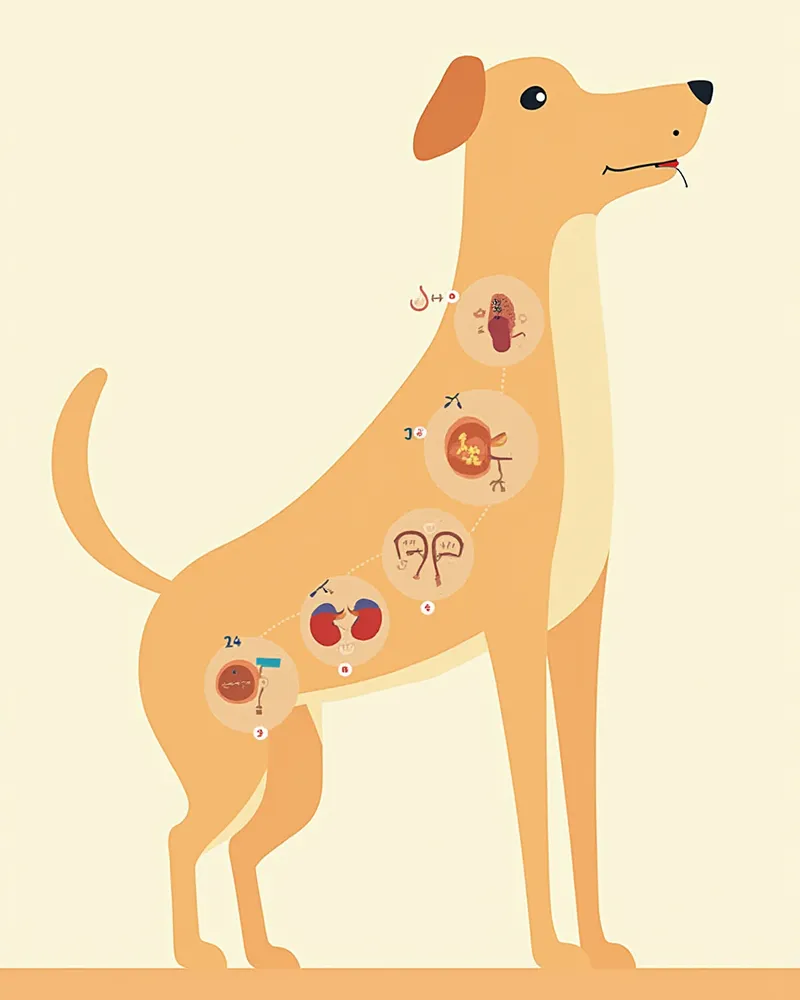
Vitamin D Key Information Card
비타민D3 (콜레칼시페롤)
뼈·치아 건강, 칼슘 흡수 촉진
Dosage: 강아지 13.8 IU/kg, 고양이 5.6 IU/kg (1일 기준)
미국국립연구위원회 권장
비타민D2 (에르고칼시페롤)
식물·버섯 유래 비타민D
Dosage: D3와 동일 수준
수의영양학 교과서
활성형 비타민D
1,25-다이하이드록시 형태, 신장질환 치료용
Dosage: 수의사 처방 필수
수의내과학 처방 기준
Signs That May Indicate Vitamin D Deficiency
If these symptoms persist, it may indicate a vitamin D deficiency or malabsorption. This is especially important to watch for in growing puppies and kittens, as it can lead to rickets. - Legs appear bowed or bones seem weak during the growth phase - Adult dogs and cats may develop osteomalacia, a condition where bones soften - Muscle tremors or seizures may occur due to hypocalcemia (low blood calcium) - Loss of appetite and lethargy persist for an extended period - In severe cases, heart rate abnormalities such as bradycardia (slow heart rate) may also occur However, a deficiency must always be confirmed through a blood test.
Daily Recommended Intake for Dogs and Cats
| Item | Dog | Cat |
|---|---|---|
| NRC (2006) recommended amount (IU/kg feed DM) | 552 IU/kg DM (growth stage, based on 4000 kcal ME/kg) | Not confirmable in the provided sources |
| AAFCO (2022) minimum standard (IU/kg feed DM) | 500 IU/kg DM (based on 4000 kcal ME/kg) | Not confirmable in the provided sources |
| Maximum allowable amount | Not confirmable in the provided sources | Not confirmable in the provided sources |
| Main sources | Salmon, sardine, liver, egg yolk, feed | Salmon, sardine, liver, fish oil, feed |
| Ability to synthesize in skin | Almost none | Almost none |
Based on NRC (2006) and AAFCO (2022) standards; based on feed dry matter (DM), not on body weight (kg). Cat values are not confirmed in the provided sources. Commercial feeds often already meet the standards.
Excessive Intake Is More Dangerous
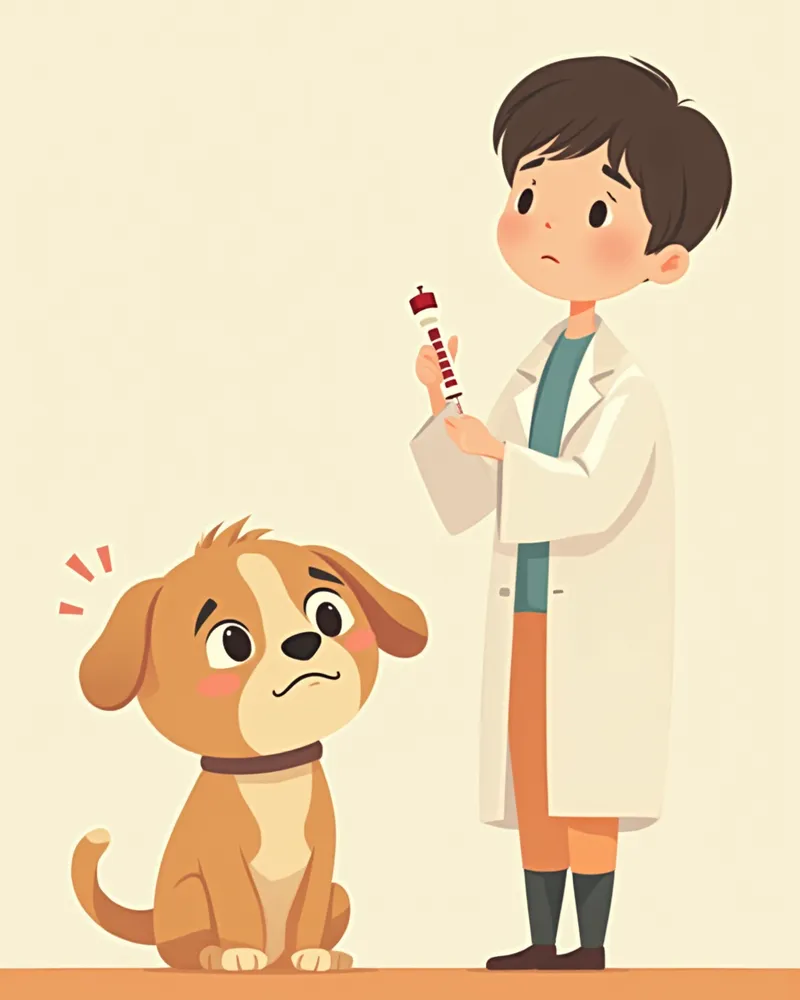
Be Sure to Check Before Feeding Supplements
Most commercial pet foods already contain adequate levels of vitamin D, formulated to meet the standards set by the Association of American Feed Control Officials (AAFCO). Supplementing beyond this can lead to dangerous excesses, so please review the following guidelines carefully: - First, check the vitamin D content in your pet’s current food. - Supplementation may only be necessary if you are feeding a homemade diet. - Never give human vitamin supplements directly to your pet. - Pets with kidney or liver disease should only receive supplements after consulting with a veterinarian. - Puppies, kittens, pregnant or nursing pets, and senior animals may require adjusted dosages.
Reviewed by a veterinarian

Dr. Tony — Punnawat Phongkittirak
VeterinarianA veterinarian who majored in veterinary medicine at Khon Kaen University, Thailand, and completed the IVSA program at North Carolina State University in the United States. Drawing on clinical experience at animal hospitals, he works in the pet healthcare field and is dedicated to building a digital care environment that connects pet parents with veterinarians.
Reviewed 2026-04-19
Frequently Asked Questions
Do dogs and cats produce vitamin D when exposed to sunlight?
Can I split a human vitamin D supplement to give to my pet?
Will feeding salmon frequently provide enough vitamin D?
How is vitamin D deficiency tested?
I’m feeding my pet a homemade diet. How should I ensure they get enough vitamin D?
Share
Related Guides
Primary vs. Secondary Veterinary Hospitals: A Comparison

5 Easy-to-Raise Cat Breeds for First-Time Owners — Grooming Difficulty Comparison

Top 7 Short-Legged Dog Breeds
Magnesium Benefits and Feeding

Guide to Feeding for Calcium-Phosphorus Balance
Vitamin E Benefits and Feeding Guide

Vitamin C Benefits and Feeding Guide
What is Lutein? Effects on Dog Eye Health
Fish Oil Benefits and EPA·DHA Content Comparison

Creatine Effects and Feeding Guide for Active Dogs
References
[1] National Research Council, Nutrient Requirements of Dogs and Cats, 2006
[2] Textbook of Veterinary Orthopaedic Surgery - Vitamin D Metabolism
[3] Fundamentals of Veterinary Clinical Pathology, 3rd Edition - Vitamin D Sources and Metabolism
[4] BSAVA Manual of Canine and Feline Dermatology, 4th Ed