
Glutamine's Effect on Intestinal Mucosa Recovery
Glutamine is the primary energy source for intestinal cells, and it helps repair damaged intestinal mucosa and manage diarrhea and IBD.
What is Glutamine?
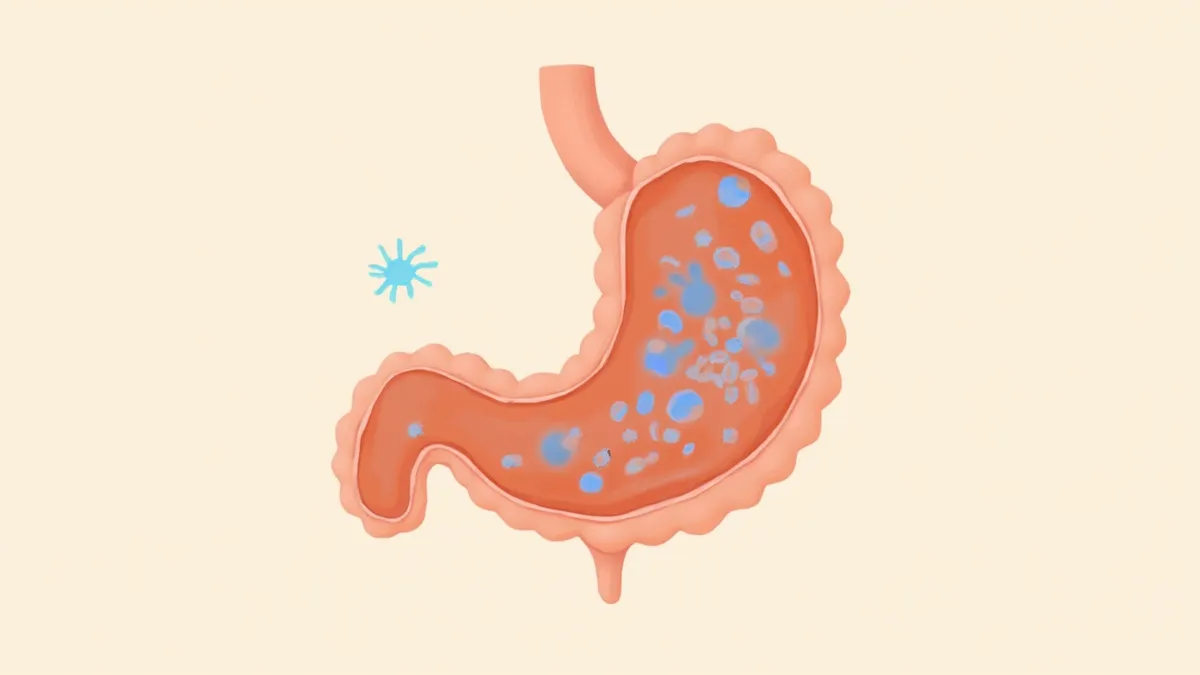
Key Effects of Glutamine
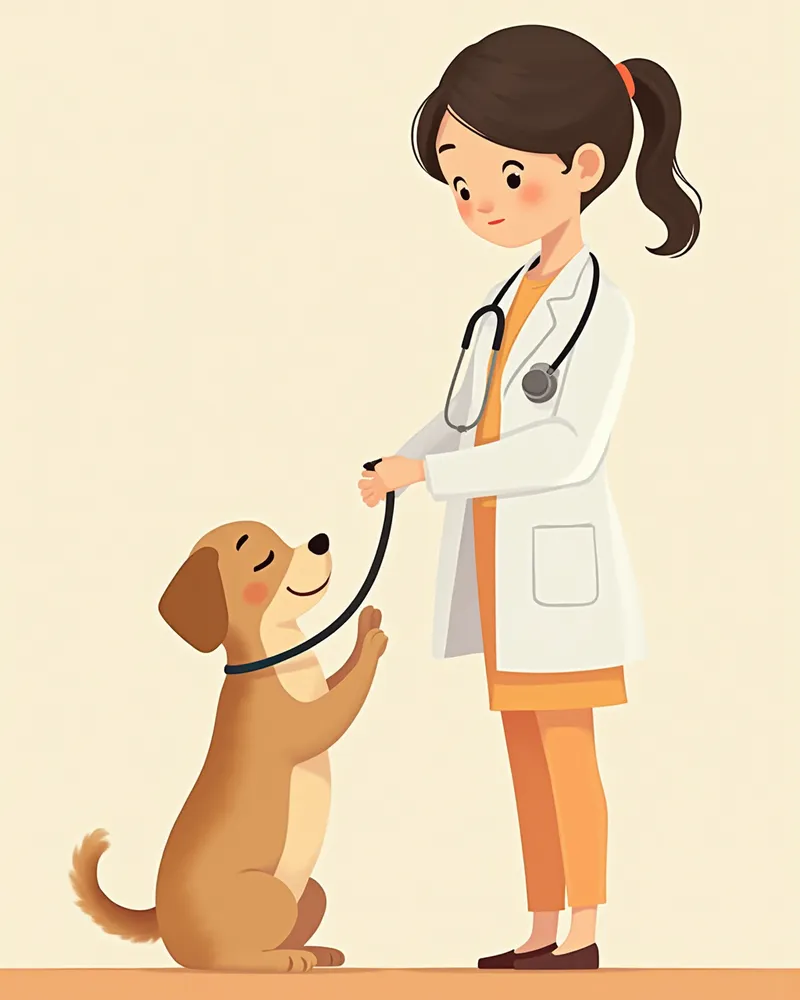
Veterinary Research Evidence
Glutamine Ingredient Card
L-글루타민(L-Glutamine)
장 점막 재생, 장벽 기능 유지, 면역 세포 에너지 공급
Dosage: 체중 1kg당 약 250~500mg/일 (수의사 처방 기준)
수의임상영양학 교과서 권장
Recommended Feeding Guide
For general health maintenance, glutamine is sufficiently obtained through regular pet food and protein-rich meals. Even when supplemental glutamine is considered beneficial for intestinal recovery or post-surgical support, standardized dosing protocols for dogs and cats have not yet been established in veterinary medicine. The precise dosage and duration must be individually determined by your veterinarian based on your pet’s body weight and specific health condition. Administering high doses for extended periods without professional guidance can disrupt amino acid balance and potentially cause harm.
Especially Helpful in These Situations

Side Effects and Precautions
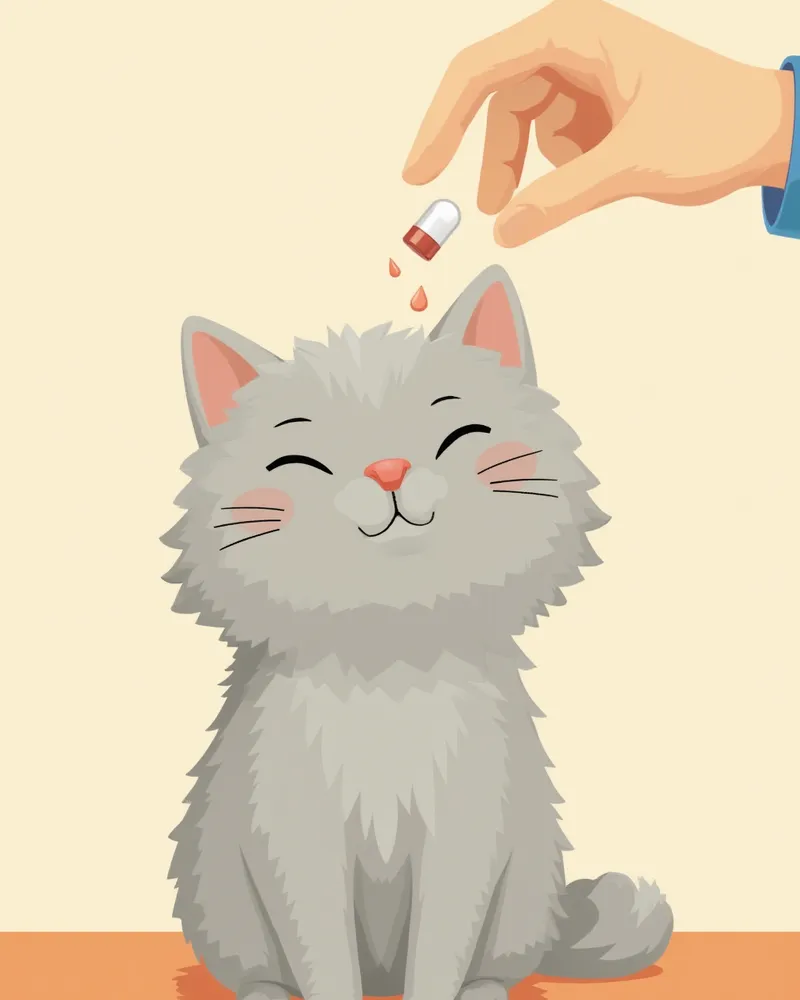
Stop Feeding If You See These Signs
If your pet shows decreased appetite, repeated vomiting, worsening diarrhea, or lethargy after administration, stop immediately and consult your veterinarian. This is especially important for pets with pre-existing liver or kidney disease; avoid giving any amount without veterinary guidance. Administering human-grade glutamine powder without adjusting for body weight can be dangerous.
Reviewed by a veterinarian

Dr. Tony — Punnawat Phongkittirak
VeterinarianA veterinarian who majored in veterinary medicine at Khon Kaen University, Thailand, and completed the IVSA program at North Carolina State University in the United States. Drawing on clinical experience at animal hospitals, he works in the pet healthcare field and is dedicated to building a digital care environment that connects pet parents with veterinarians.
Reviewed 2026-04-23
Frequently Asked Questions
Should I give glutamine to my pet every day?
Can I give my dog human-grade glutamine?
How quickly will the effects be noticeable?
Can this be given alongside other gut health supplements?
Does this apply to cats as well?
Share
Related Guides
My Senior Cat Won’t Eat — A Complete Guide to Choosing Food for Cats with Weak Digestion
Top 5 Prescription Diets for Feline Pancreatitis Recommended by Veterinarians — Low-Fat, Highly Digestible Food Guide
Royal Canin vs Hill’s vs Purina vs Orijen — Which Brand Is Right for Your Pet, According to Veterinarians?
Guide to Feeding for Calcium-Phosphorus Balance
Vitamin E Benefits and Feeding Guide

Vitamin C Benefits and Feeding Guide
What is Lutein? Effects on Dog Eye Health
Fish Oil Benefits and EPA·DHA Content Comparison
Creatine Effects and Feeding Guide for Active Dogs
What Are Pet Antioxidants? A Guide to Key Ingredients for Immune Support
References
[1] Delaney S.J., Fascetti A.J., Applied Veterinary Clinical Nutrition, 2nd Edition, Wiley-Blackwell, 2023
[2] National Research Council, Nutrient Requirements of Dogs and Cats, National Academies Press, 2006
[3] Wu G. et al., Glutamine and the immune system, Amino Acids, 2001
[4] Song J.H. et al., The role of glutamine in intestinal mucosal recovery, Journal of Clinical Nutrition, 2015