
5 Inulin Benefits Veterinarians Are Watching — Prebiotic for Dog Gut Health
Inulin is a well-known prebiotic dietary fiber that helps nourish beneficial gut bacteria. Here’s a clear overview of its benefits, recommended serving sizes, and important precautions.
What Is Inulin?
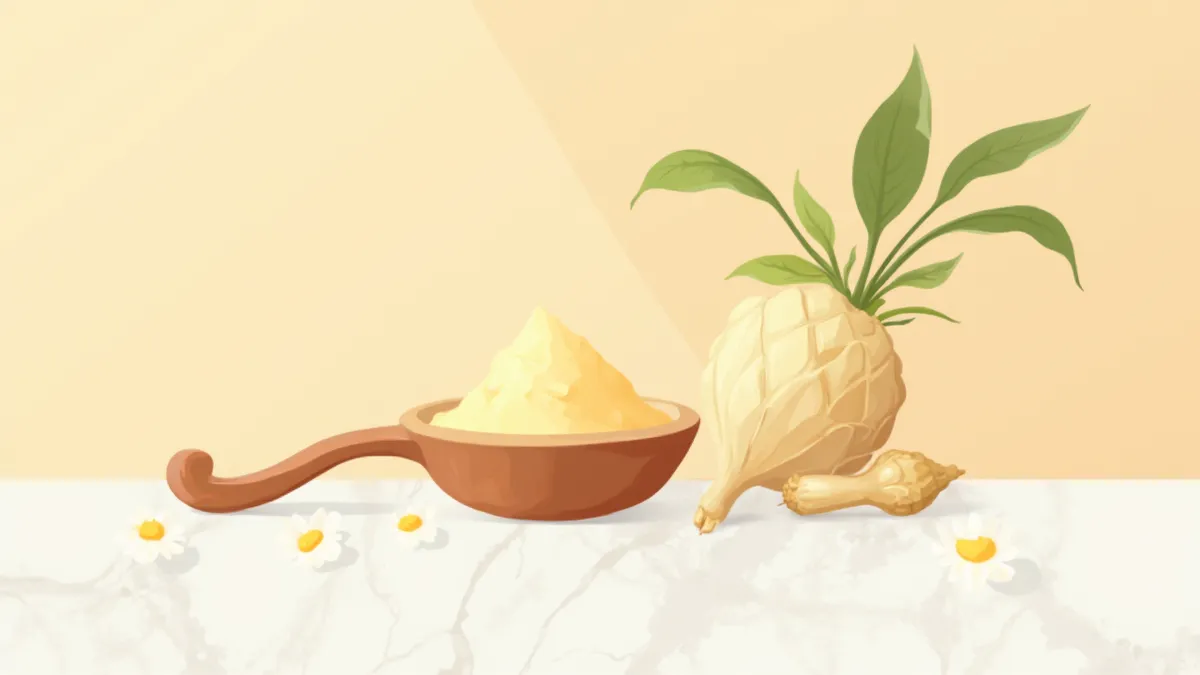
What Inulin Does (Summary of Effects)
Veterinary Research Evidence
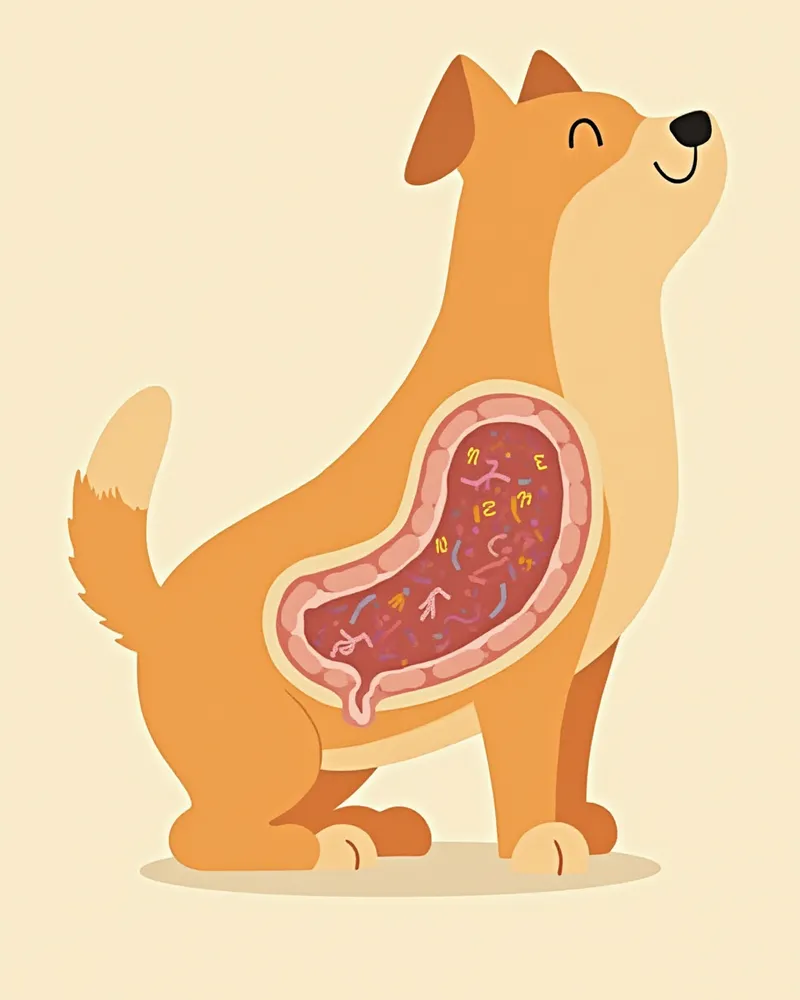
Summary of Inulin’s Key Actions
이눌린(Inulin)
장내 유익균 증식, 단쇄지방산 생성
Dosage: 체중 kg당 0.5~1g/일 (제품 라벨 기준)
수의영양학 교과서 권장
프락토올리고당(FOS)
이눌린과 유사한 프리바이오틱 작용
Dosage: 사료 기준 0.5~1% 포함
NRC 반려동물 영양 지침
Recommended Feeding Amounts and Starting Principles
The appropriate amount of inulin to feed depends on your pet’s body weight, gastrointestinal condition, and current diet, so there’s no one-size-fits-all dosage. When starting, it’s safest to begin with a small amount and gradually increase it over 1–2 weeks. Sudden large doses can cause gas or loose stools. The optimal dose for your pet should be determined by a veterinarian after directly assessing their weight and gut health.
Side Effects and Precautions

Is It Safe to Give to Cats?
While cats can be given inulin, it’s generally safest to start with a small amount and introduce it gradually. Cats have different digestive and dietary traits compared to dogs, and individual responses can vary, so giving too much at once may lead to soft stools or gastrointestinal discomfort. It’s important to begin with a small dose, monitor your cat’s stool, and adjust the amount gradually over one to two weeks. For safety, always consult your veterinarian to determine the appropriate starting dose and whether inulin is suitable for your cat.
Especially Helpful for These Pets
Reviewed by a veterinarian

Dr. Tony — Punnawat Phongkittirak
VeterinarianA veterinarian who majored in veterinary medicine at Khon Kaen University, Thailand, and completed the IVSA program at North Carolina State University in the United States. Drawing on clinical experience at animal hospitals, he works in the pet healthcare field and is dedicated to building a digital care environment that connects pet parents with veterinarians.
Reviewed 2026-04-26
Frequently Asked Questions
Can inulin and probiotics be given together?
Can I give my pet human inulin powder?
When will I start noticing the effects?
My dog has diabetes. Is it safe to give this to them?
Is it safe for pregnant or nursing pets?
Share
Related Guides
My Senior Cat Won’t Eat — A Complete Guide to Choosing Food for Cats with Weak Digestion
Top 5 Prescription Diets for Feline Pancreatitis Recommended by Veterinarians — Low-Fat, Highly Digestible Food Guide

Royal Canin vs Hill’s vs Purina vs Orijen — Which Brand Is Right for Your Pet, According to Veterinarians?

What Are Pet Antioxidants? A Guide to Key Ingredients for Immune Support

What is Chondroitin for Dogs? Joint Health Benefits and Dosage
Cranberry Effects and Urinary Tract Health

Phosphatidylserine Effects and Senior Dog Cognitive Function Management

Lactoferrin: Benefits for Immune Defense and Antibacterial Effects

Silymarin Effects and Liver Protection (Active Ingredient of Milk Thistle)
5 Signs of Histidine Deficiency in Dogs and Feeding Guidelines Explained by Veterinarians
References
[1] National Research Council, Nutrient Requirements of Dogs and Cats, 2006
[2] Hand et al., Small Animal Clinical Nutrition 5th Edition, Chapter on Fiber and Prebiotics
[3] Swanson KS et al., Supplemental fructooligosaccharides and mannanoligosaccharides influence immune function, ileal and total tract nutrient digestibilities, microbial populations and concentrations of protein catabolites in the large bowel of dogs, J Nutr, 2002
[4] Verlinden A et al., Food allergy in dogs and cats: a review, Crit Rev Food Sci Nutr, 2006