Like
Share
멍실장
칼슘·인 균형 급여 가이드

Guide to Feeding for Calcium-Phosphorus Balance

JointIngredientsMeongsiljang Veterinary Advisory Board

The calcium-to-phosphorus ratio is a key indicator that determines your pet’s bone and joint health. Here’s a summary of the recommended ratios for each life stage and important considerations when feeding.

What Is Calcium-Phosphorus Balance?

Healthy dogs and cats gazing at their food bowls
Maintaining the calcium-phosphorus balance is a nutritional management principle that keeps the ratio of calcium (Ca) to phosphorus (P) in your pet’s diet appropriate for bone and joint health. The key focus is on the “ratio,” not the “amount.” Simply feeding more calcium isn’t beneficial; the ideal Ca:P ratio varies by life stage and species (approximately 1.2:1 to 1.4:1 for growing puppies, 1.1:1 to 2:1 for adult dogs, and 1.1:1 to 1.5:1 for cats). Significant deviations from these ranges can lead to calcium loss from bones or place undue stress on the kidneys.

What Do Calcium and Phosphorus Do in the Body?

Calcium and phosphorus are essential minerals that make up bones and teeth, with most of the body's calcium stored in the bones. According to veterinary pharmacology textbooks, parathyroid hormone (PTH) is secreted when blood calcium levels drop, promoting calcium release from bones (increasing bone resorption), enhancing calcium reabsorption in the kidneys, and activating vitamin D (calcitriol) in the kidneys to indirectly boost calcium absorption in the intestines. Phosphorus is a major component of bone minerals and is also crucial for cellular energy (ATP) metabolism. These two minerals work in a delicate balance, like a seesaw, where an excess of one can lead to a deficiency of the other.

Why Is the “Ratio” Important?

An excess of calcium can interfere with phosphorus absorption, while too much phosphorus can lower blood calcium levels, triggering an overproduction of parathyroid hormone. If this imbalance persists, it can lead to nutritional secondary hyperparathyroidism, which weakens the bones.
Bone Strength: Bone mineralization is most stable when the calcium-to-phosphorus ratio is appropriate.
Kidney Strain: Excess phosphorus can burden kidney function and increase the risk of chronic kidney disease.
Growth-Related Bone Disorders: In large-breed puppies, excessive calcium can disrupt normal bone development and increase the risk of skeletal deformities.
Urinary Tract Health: In cats, high phosphorus levels can place additional strain on the urinary tract.
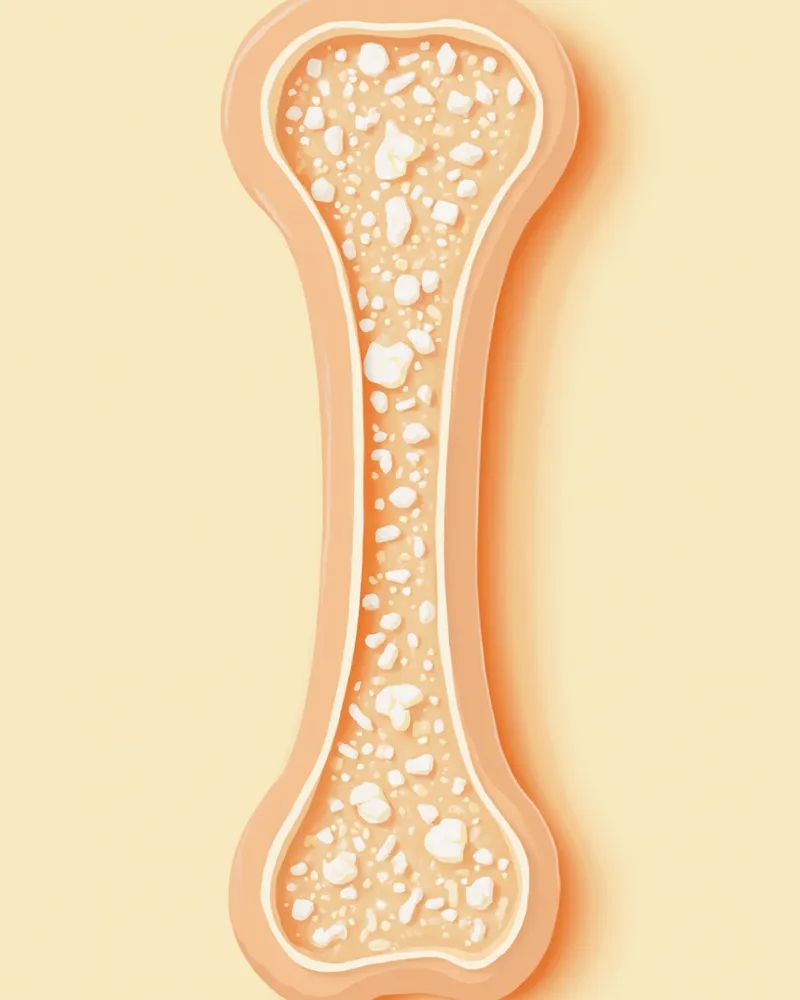
An illustration showing the structure of calcium and phosphorus minerals within bones.

Recommended Ca:P Ratios by Life Stage

ItemGrowing puppyAdult dogGrowing kittenAdult cat
Recommended Ca:P ratio1.2:1–1.4:11.1:1–2:11.1:1–1.5:11.1:1–1.5:1
Calcium lower limit (dry matter)1.2%0.5%1.0%0.6%
Phosphorus lower limit (dry matter)1.0%0.4%0.8%0.5%
Special cautionCalcium upper limit 1.8% for large-breed dogsPhosphorus restriction in kidney diseaseTaurine supplementation neededPhosphorus restriction in old age

Refer to the AAFCO (American Association of Feed Control Officials) 2023 nutritional standards. Veterinary adjustment is needed depending on body weight and disease status.

Suspect an Imbalance If You See These Symptoms

If your dog frequently limps, walks stiffly, or if a young puppy experiences bowed legs or recurrent fractures, it could signal a calcium-phosphorus imbalance. In cats, loss of appetite, excessive thirst and urination, or recurring urinary stones may also indicate excessive phosphorus levels. If these signs persist for more than two weeks, blood tests should be conducted to check calcium, phosphorus, and parathyroid hormone levels.

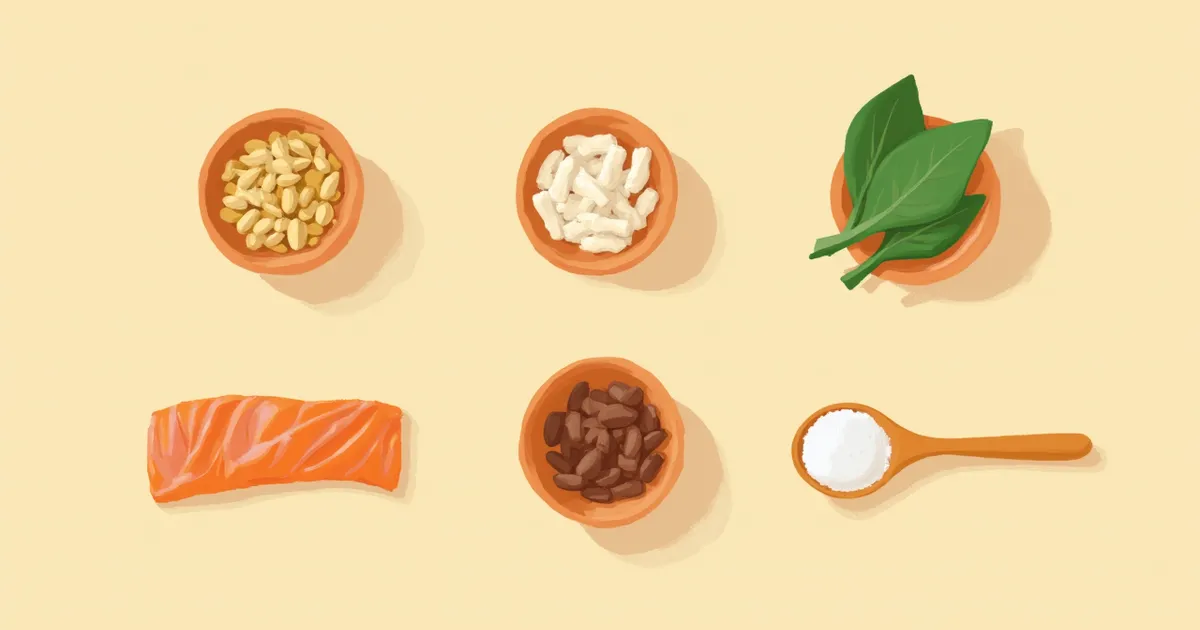
Key Ingredients for Calcium and Phosphorus Supply

Caution

탄산칼슘(Calcium Carbonate)

칼슘 40% 함유, 가장 농축된 공급원

Dosage: 체중·식단 수의사 조정

자가식단 보정용으로 가장 널리 사용

Safe

구연산칼슘(Calcium Citrate)

흡수율 높음, 위산 적어도 흡수 가능

Dosage: 체중·식단 수의사 조정

고령·위산 저하 반려동물에 권장

Caution

골분(Bone Meal)

칼슘과 인이 자연 비율(약 2:1)로 함유

Dosage: 라벨 기준 준수

중금속 오염 우려, 인증 제품 사용

Safe

에그쉘 파우더

칼슘 38% 함유, 인 거의 없음

Dosage: 수의사 조정

자가식단에서 칼슘 단독 보충 시 유용

Mistakes When Feeding Homemade Diets or Raw Feeding

Diets based primarily on raw meat or chicken breast contain excessive phosphorus relative to calcium, leading to a significant imbalance in the calcium-to-phosphorus ratio. Feeding such a diet as-is causes blood calcium levels to drop, which overstimulates the parathyroid glands. Veterinary internal medicine textbooks cite this as the most common cause of metabolic bone disease.
Include bones: Add bone-in parts, such as chicken necks and wings, to balance the ratio.
Calcium supplements are essential: If the diet excludes bones, correct the balance with eggshell or calcium carbonate.
Limit organ meat: Restrict liver and kidneys to no more than 10% of the total diet.
Raw ingredients for homemade diets and eggshell powder

Consult a Veterinarian First in These Cases

Pets with a history of chronic kidney disease, parathyroid disorders, or urinary tract stones require a phosphorus-restricted diet, while calcium excess in large-breed puppies can actually trigger bone diseases. Rather than arbitrarily adding over-the-counter supplements, please first have blood tests to check calcium, phosphorus, creatinine, and parathyroid hormone levels, and then adjust the diet accordingly.

No Need to Worry If Feeding Complete Diets?
Complete and balanced diets that meet AAFCO standards already have the appropriate calcium-to-phosphorus ratio for each life stage. In such cases, adding a calcium supplement can lead to excess intake. Supplementation is generally only necessary for homemade diets, boneless raw feeding, therapeutic diets for specific conditions, or during recovery. If you’re unsure which joint supplement to choose, check out our Joint Supplement Selection Guide for more guidance.
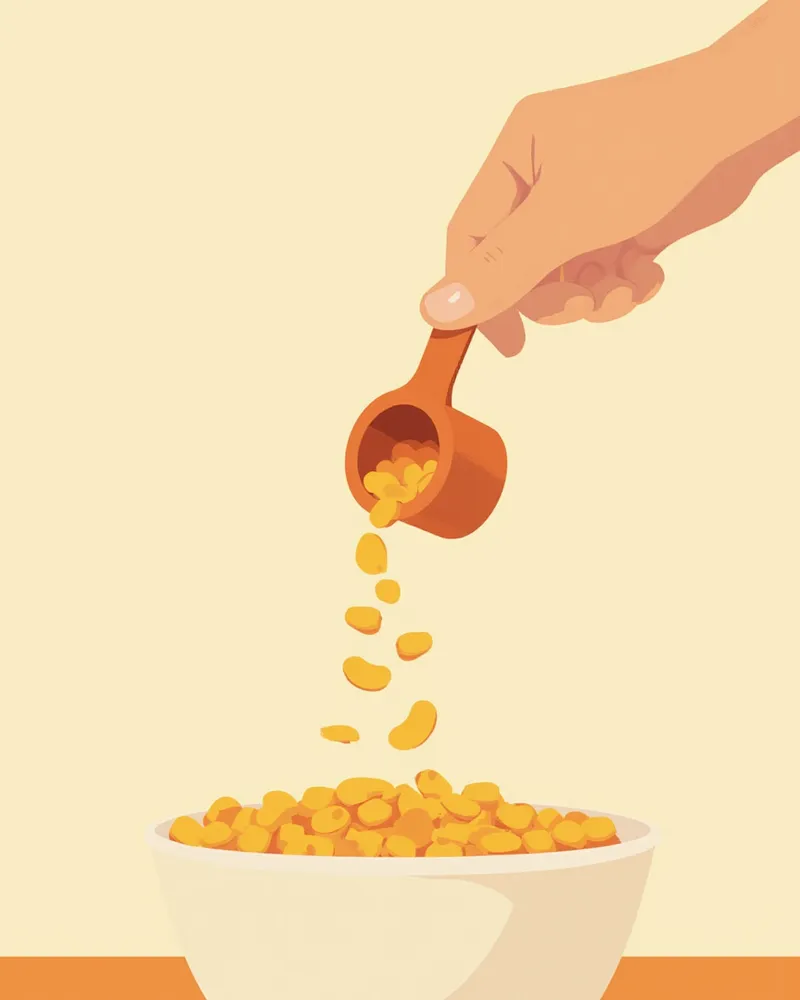
Feeding kibble using a measuring cup

Reviewed by a veterinarian

Dr. Tony — Punnawat Phongkittirak

Dr. Tony — Punnawat Phongkittirak

Veterinarian

A veterinarian who majored in veterinary medicine at Khon Kaen University, Thailand, and completed the IVSA program at North Carolina State University in the United States. Drawing on clinical experience at animal hospitals, he works in the pet healthcare field and is dedicated to building a digital care environment that connects pet parents with veterinarians.

Frequently Asked Questions

Can I give my dog human calcium supplements?
We don’t recommend it. Human products have different vitamin D and magnesium levels than what’s safe for pets, which can lead to dangerous overdoses. Always use pet-specific products and consult your veterinarian first.
Do cats need calcium supplements?
Adult cats eating a complete and balanced diet rarely need any additional supplements. In fact, avoiding excess phosphorus is more important for supporting kidney health.
Will giving milk help supplement calcium?
While milk contains calcium, many pets have difficulty digesting lactose, which can lead to diarrhea. Lactose-free products specifically formulated for pets or dedicated calcium supplements are safer alternatives.
Should I also give my pet vitamin D?
Vitamin D is essential for calcium absorption, but excessive intake can lead to toxicity. Most complete and balanced diets already contain adequate amounts, so additional supplementation is generally not recommended.
How can you tell if your pet is showing signs of calcium overdose?
Polyuria, decreased appetite, vomiting, and lethargy are the most common signs. If these symptoms persist for a long time, kidney stones or soft tissue calcification may develop, so blood tests are necessary.

Share

Related Guides

References

[1] Handbook of Veterinary Pharmacology, III. Hormones and Agents Affecting Endocrine Function

[2] The Cat, Clinical Medicine and Management, 2nd Edition — Disorders of Calcium Metabolism

[3] Feline Emergency and Critical Care Medicine, 2nd Ed — Calcium and Phosphorus Homeostasis

[4] 미국사료관리협회(AAFCO) Dog and Cat Food Nutrient Profiles, 2023

This information is based on veterinary literature and does not replace diagnosis or treatment. Please consult a veterinarian for specific health concerns.

Metapet Co., Ltd. | CEO: Park Sung-yong | Business Reg. No. 417-88-02562 | Seoul, South Korea | Customer Center

Calcium-Phosphorus Balance: A Feeding Guide for Pets | Meongsiljang