
Like
Share
멍실장
단모종 vs 장모종 관리 비용, 월 얼마나 차이날까?

Short-haired vs. Long-haired Dogs: How Much Do Monthly Care Costs Differ, and Which Is Right for Your Dog?

Skin & CoatComparisonsMeongsiljang Veterinary Advisory Board

We’ve compared the coat characteristics, grooming and supply costs, and skin care expenses for short-haired and long-haired dog breeds, item by item, and summarized the average monthly cost differences along with breed-specific care tips.

Comparing Dog Coat Types: How Different Are the Care Costs for Short-haired and Long-haired Breeds?

A short-haired Beagle and a long-haired Maltese sitting side by side
This analysis compares short-haired and long-haired dog breeds in terms of coat characteristics, grooming difficulty, and monthly costs. What truly matters isn’t just coat length, but coat structure. Depending on whether a dog has a double coat, single coat, or curly coat, grooming frequency and monthly expenses can differ by two to three times. On average, short-haired breeds cost about $20 to $40 per month, while long-haired breeds range from $60 to $100. Establishing a grooming routine tailored to your dog’s breed in advance can help reduce skin issues and lower overall costs.

What’s the Difference Between Short-haired and Long-haired Breeds?

Short-haired breeds have coats that are 2 cm or shorter and tend to be stiff. Representative examples include the Beagle, Dachshund, French Bulldog, and short-haired Chihuahua. In contrast, long-haired breeds typically have coats that grow to 5 cm or more and are often soft. The Maltese, Shih Tzu, Yorkshire Terrier, and Pomeranian fall into this category. The key factor here is whether the breed has a double coat. Double-coated breeds have an additional layer of undercoat beneath the outer guard hairs, resulting in significantly heavier shedding during seasonal coat changes in spring and autumn, which greatly increases grooming demands.

Average Monthly Care Costs for Short-haired vs. Long-haired Breeds

ItemShort-haired breedsLong-haired breeds
Professional grooming frequencyOnce every 2–3 monthsOnce every 4–6 weeks
Cost per grooming session$20 to $40$40 to $90
Monthly grooming costAbout $10 to $20About $40 to $70
Shampoo / conditioner$10 to $10 per month$10 to $30 per month
Comb / tool replacement$10 to $10 per year$40 to $70 per year
Skin care products$10 to $10 per month$10 to $20 per month
Estimated monthly totalAbout $20 to $40About $60 to $100

Average market prices for the Seoul metropolitan area as of April 2026. Varies by breed, size, and salon grade.

Short-haired Breed Care Features: Lower Costs, but More Shedding
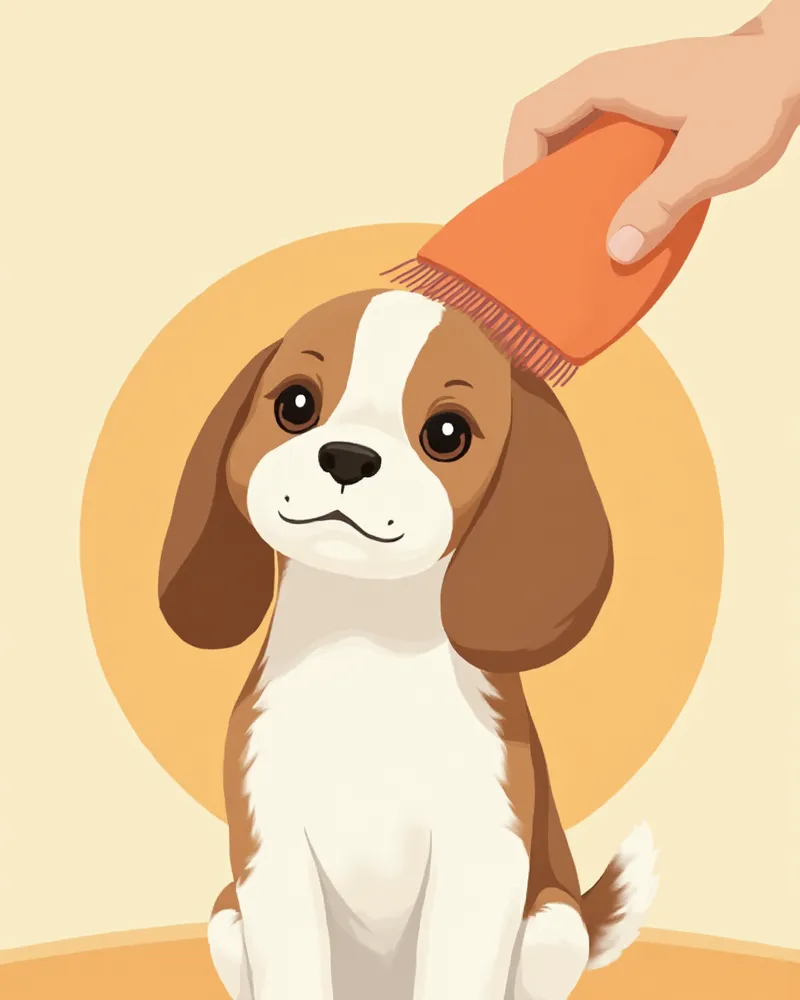
Short-haired breeds require less frequent grooming and have lower per-session costs, resulting in lower monthly expenses. However, this characteristic is both an advantage and a disadvantage. - Shedding volume: During the seasonal coat change, short-haired double-coated breeds (such as Beagles and Welsh Corgis) can actually create more cleaning burdens than long-haired breeds. - Skin exposure: Their short coats leave the skin more vulnerable to ultraviolet rays, insects, and injuries. - Short-coat-specific brushes: A single rubber brush is sufficient, so there is virtually no cost for grooming tools.
Using a rubber brush to groom a short-haired Beagle's coat

Long-haired Breed Care Features: Daily Brushing Is Essential

Long-haired breeds require daily brushing because their coats are prone to tangling. Skipping even a single day can lead to matting, which may cause skin pain, inflammation, and bacterial infections. - Grooming schedule: Professional grooming every 4–6 weeks is necessary to maintain coat length and shape. - Tools: At least three types of tools—such as a slicker brush, comb, and pin brush—are required, resulting in initial equipment costs of over $70. - Shampoo and care: Consistent use of specialized conditioners and moisturizers is essential, leading to higher monthly expenses for grooming supplies.
Using a slicker brush to gently detangle the long coat of a Maltese, a long-haired breed.

For Long-haired Breeds, Managing Mats (Tangled Fur) Is Most Important

Leaving matted fur untreated can pull on the skin, causing pain, and trap moisture, leading to skin conditions such as eczema, pyoderma, and hot spots. Pay special attention to areas prone to matting—behind the ears, under the armpits, in the groin, and along the underside of the tail—and check them daily. If mats are severe, avoid forcefully combing them out; instead, have a professional groomer carefully detangle them to prevent skin damage.

Including Skin Condition Costs, Long-haired Breeds Cost More

Veterinary dermatology textbooks do not claim that the incidence of fungal or bacterial dermatitis is determined solely by whether a dog is short-haired or long-haired. However, the way skin conditions manifest externally can vary depending on hair length and density, and matted fur or inadequate hygiene can increase the risk of bacterial infections such as pyoderma. In practice, textbooks recommend trimming long, dense coats to ensure topical medications reach the skin, which means long-haired breeds generally require more hands-on care. - Dermatology consultation fees: Typically $40 to $100 per visit; when including prescribed medications and medicated shampoos, costs can exceed $100. - Prevention costs: Long-haired breeds often incur higher annual hygiene expenses due to the need for partial baths, paw cleaning, and other maintenance tasks. Conversely, short-haired breeds are more susceptible to UV exposure and external irritants because of their sparse coats, so they require focused management for external parasites and sun protection.

Essential Care Tools and Supplies by Coat Type

Safe

러버 브러시(단모종)

죽은 털 제거, 피부 자극 최소화

Dosage: 주 2~3회 사용

단모종 더블코트 환모기 필수

Safe

슬리커 브러시(장모종)

엉킨 털 풀기, 속털 관리

Dosage: 매일 1회 빗질

장모종 매트 예방 기본 도구

Safe

보습 컨디셔너(장모종)

정전기·엉킴 방지, 털 윤기

Dosage: 목욕 시마다

Caution

자외선 차단 크림(단모종)

피부 노출 부위 보호

Dosage: 산책 전 배·코

털이 얇거나 흰 단모종에 특히 권장

Practical Tips for Reducing Costs

If grooming costs for long-haired breeds are a concern, increasing home care is the most effective solution. Extend the interval between professional grooming sessions to every 6–8 weeks, and in between, perform partial grooming at home focusing only on the paw pads, face, and perianal area. - Initial tool investment: Purchasing a set of slicker brushes, combs, and electric clippers once can reduce annual grooming expenses by over 30%. - Bathing frequency: Bathing every 2–3 weeks is appropriate. Over-bathing can compromise the skin barrier, potentially leading to higher costs for treating skin conditions.
A neatly arranged set of grooming essentials for home use, including a brush, shampoo, and towel.

Check for Breed-specific Special Care Needs

Even among long-haired breeds, care needs vary by breed. Poodles and Bichons have hair that doesn’t shed but grows continuously, requiring grooming every four weeks. Pomeranians and Siberian Huskies have double coats, making seasonal shedding management challenging. Among short-haired breeds, French Bulldogs and Pugs incur additional costs for treating skin inflammation in their facial folds. Be sure to review breed-specific care requirements before adopting.

Reviewed by a veterinarian

Dr. Tony — Punnawat Phongkittirak

Dr. Tony — Punnawat Phongkittirak

Veterinarian

A veterinarian who majored in veterinary medicine at Khon Kaen University, Thailand, and completed the IVSA program at North Carolina State University in the United States. Drawing on clinical experience at animal hospitals, he works in the pet healthcare field and is dedicated to building a digital care environment that connects pet parents with veterinarians.

Frequently Asked Questions

Do short-haired dogs really not need brushing?
Not at all. Short-haired breeds should be brushed two to three times a week. In particular, double-coated short-haired breeds like Beagles and Welsh Corgis require daily brushing during their shedding season. Brushing is important not only for removing loose hair but also for promoting skin blood circulation and evenly distributing natural oils.
How much can I save by doing all the grooming for a long-haired dog at home?
It's difficult to completely replace professional grooming. A practical approach is to handle home care for the face, paw pads, and around the anus, while leaving the full haircut to professionals. This method can reduce monthly grooming costs by 30-40%.
Do short-haired breeds really shed less?
It varies by breed. Single-coated short-haired breeds (such as Dachshunds and Chihuahuas) shed less, whereas double-coated short-haired breeds (such as Beagles and Pugs) can actually shed more than long-haired breeds during their shedding season. It's important to understand your dog's coat structure.
Is it better to give a long-haired dog a short haircut in the summer?
We don’t recommend shaving your pet’s coat too short, down to the skin. Fur serves as a protective barrier against UV rays and external irritants, so shaving it too short can actually increase the risk of skin issues. During the summer, we suggest trimming the coat slightly shorter, to about 3–5 cm.
Does the incidence of skin disease really vary significantly depending on the breed?
Veterinary textbooks do not definitively state that long-haired breeds are more prone to fungal or bacterial dermatitis. Skin conditions like atopic dermatitis commonly affect both short-haired and long-haired breeds; the difference lies in how the disease manifests and the management approach required for each coat type. Long-haired dogs face a higher risk of bacterial infection if their fur becomes matted or if hygiene is neglected, while short-haired dogs are more susceptible to ultraviolet radiation, external irritants, and parasites due to their lack of protective fur coverage. Since prevention strategies vary by coat type, please tailor your care routine to your pet’s specific hair structure.

Share

Related Guides

References

[1] Hnilica, K.A., Patterson, A.P., Small Animal Dermatology: A Color Atlas and Therapeutic Guide, 4th Edition, 2017

[2] Miller, W.H., Griffin, C.E., Campbell, K.L., Muller and Kirk's Small Animal Dermatology, 7th Edition, 2013

[3] 한국반려동물산업협회, 반려동물 미용 서비스 이용 실태 보고서, 2024

This information is based on veterinary literature and does not replace diagnosis or treatment. Please consult a veterinarian for specific health concerns.

Metapet Co., Ltd. | CEO: Park Sung-yong | Business Reg. No. 417-88-02562 | Seoul, South Korea | Customer Center

Short-haired vs Long-haired Dogs: Monthly Care Costs | Meongsiljang