

What’s the Difference in Immune Supplements? — Comparing Beta-Glucan, Colostrum, and Probiotics
We compare the five key ingredients in immune-supporting supplements for dogs and cats based on their efficacy, safety, and recommended dosage. We’ve also summarized the criteria for choosing the right supplement for your pet at a glance.
What Are Immune Supplements? Roles Vary by Ingredient
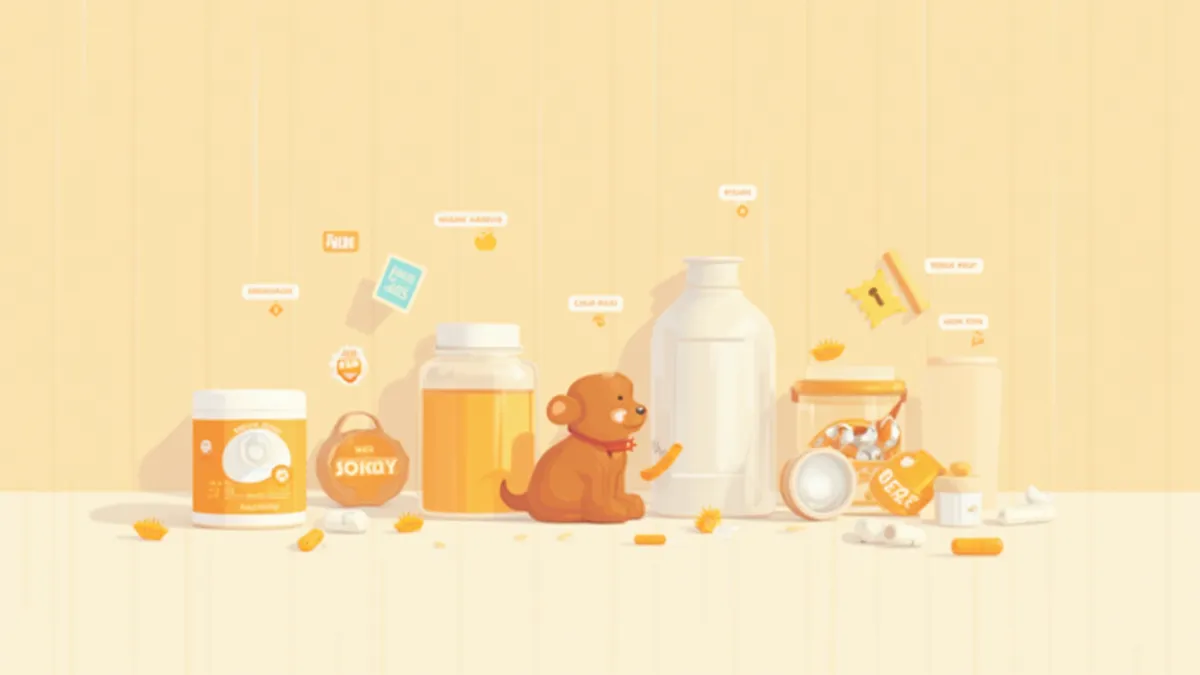
When Immune Supplements Are Needed
Five Key Ingredients in Immune Supplements
베타글루칸(Beta-Glucan)
대식세포·NK세포 활성화로 선천면역 강화
Dosage: 체중 1kg당 2~10mg/일
수의면역학 교과서 수록
콜로스트럼(Colostrum)
IgG 항체·락토페린으로 점막 면역 지원
Dosage: 체중 5kg 기준 500~1000mg/일
유제품 알레르기 시 주의
프로바이오틱스(Probiotics)
장내 유익균 증식으로 장 면역 70% 담당 영역 강화
Dosage: 1억~50억 CFU/일
면역저하 시 균주 선택 주의
비타민E(Vitamin E)
항산화·T세포 기능 유지
Dosage: 체중 1kg당 1~2 IU/일
과량 시 혈액응고 저해 가능
오메가3(Omega-3 EPA/DHA)
염증 조절·면역 균형 유지
Dosage: 체중 1kg당 EPA+DHA 30~50mg/일
고용량 시 지혈 영향
At-a-Glance Comparison by Ingredient
| Item | Beta-Glucan | Colostrum | Probiotics | Vitamin E | Omega-3 |
|---|---|---|---|---|---|
| Main Action | Stimulates innate immunity | Supplies antibodies | Gut immunity | Antioxidant | Regulates inflammation |
| Suitable for Dogs | True | True | True | True | True |
| Suitable for Cats | True | True | True | True | True |
| Recommended for Senior Age | True | False | True | True | True |
| For Gut Trouble | False | True | True | False | False |
| Allergy Support | True | False | True | False | True |
| Safety | Generally on the safe side | Caution if sensitive to dairy | Generally on the safe side | Caution with overdose | Caution with high doses |
※ Among the actions of each ingredient in the table, aside from the gut immune-regulating role of probiotics, efficacy and safety may vary by individual and product. Always consult a veterinarian before actual administration, and check for ingredient overlap in combination products.
What to Check Before Choosing an Immune Supplement
The goal of immune-support supplements is to maintain immune balance, not simply to “boost” immunity. In pets being treated for autoimmune diseases such as lupus or pemphigus, giving ingredients that stimulate the immune system (e.g., beta-glucan or colostrum) can actually worsen the condition. If your pet is taking steroids or other immunosuppressive medications, or has been diagnosed with an immune-related disease such as lymphoma, always consult your veterinarian before starting any supplement.
Recommended Ingredient Combinations by Situation

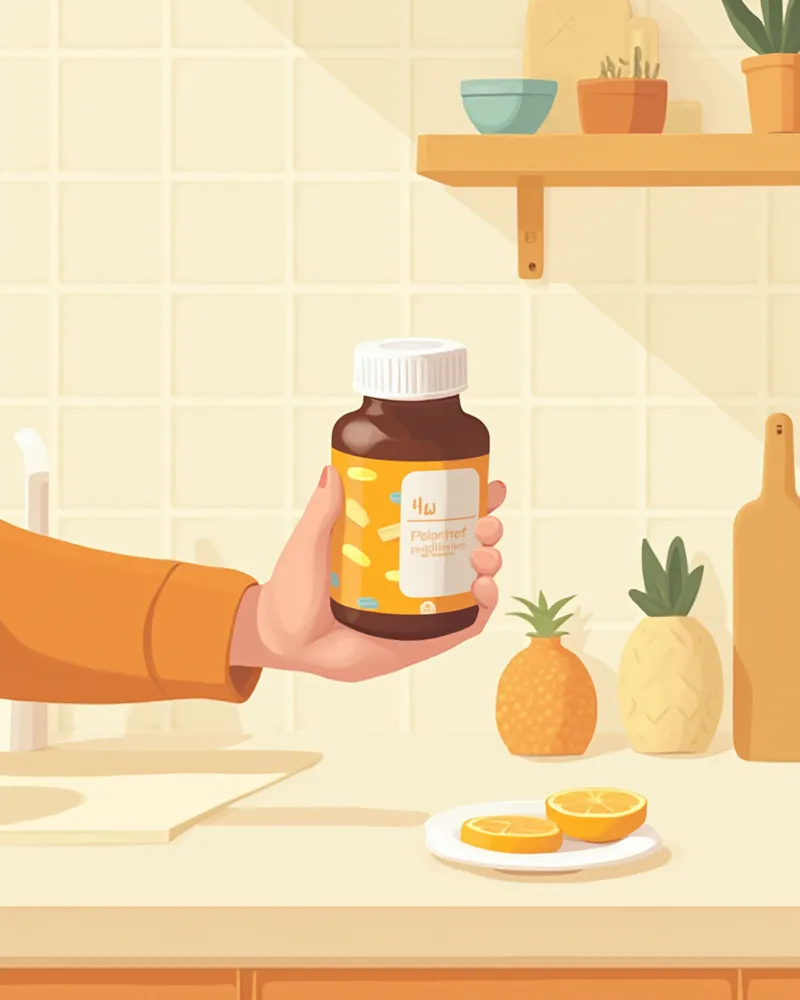
How to Read the Label — Checking Content and CFU
Note on Ingredient Differences Between Dogs and Cats
You should not give products intended for dogs to cats without modification. Cats require taurine as an essential nutrient and are particularly sensitive to certain herbs and essential oils due to their unique liver metabolism. Conversely, dogs must strictly avoid xylitol and grape extracts. Avoid products labeled only as "for pets" without specifying the target species, and always choose products clearly marked as "for dogs only," "for cats only," or "for both dogs and cats."
Reviewed by a veterinarian

Dr. Tony — Punnawat Phongkittirak
VeterinarianA veterinarian who majored in veterinary medicine at Khon Kaen University, Thailand, and completed the IVSA program at North Carolina State University in the United States. Drawing on clinical experience at animal hospitals, he works in the pet healthcare field and is dedicated to building a digital care environment that connects pet parents with veterinarians.
Reviewed 2026-04-26
Frequently Asked Questions
When is the best time to start giving an immune-supporting supplement?
Is it safe to give multiple ingredients at once?
How long does it take for the effects to appear?
Is it safe to give additional immune-support supplements if the pet food already contains immune-boosting ingredients?
Can I give my pet immune-supporting supplements if they have an autoimmune disease?
Share
Related Guides

Primary vs. Secondary Veterinary Hospitals: A Comparison

5 Easy-to-Raise Cat Breeds for First-Time Owners — Grooming Difficulty Comparison

Top 7 Short-Legged Dog Breeds

Comparison of Prescription Weight-Loss Diets for Dogs — Hill's r/d vs Royal Canin Satiety

Comparison of Hydrolyzed Allergy Prescription Diets for Dogs — Hill’s z/d vs Royal Canin HP vs Purina HA
Dog Gastrointestinal Prescription Diets — Hill’s i/d vs Royal Canin GI: Which Is Right for Your Dog Based on Symptoms?
Homemade Dog Treats vs. Commercial Treats — Safety and Nutritional Comparison

Natural Death vs. Euthanasia: A Comparison Guide for Your Pet’s Final Choice

Dry Food vs. Wet Food Comparison — Which Should You Feed?
Comparison of Prescription Diets vs. Regular Pet Food
References
[1] Tizard, I.R., Veterinary Immunology, 11th Edition, Elsevier, 2023
[2] Fascetti, A.J. & Delaney, S.J., Applied Veterinary Clinical Nutrition, 2nd Edition, Wiley-Blackwell, 2023
[3] Mora, J.R., Iwata, M., von Andrian, U.H., Vitamin effects on the immune system: vitamins A and D take centre stage, Nat. Rev. Immunol. 8, 685–698, 2008
[4] Chattha, K.S. et al., Vitamin A deficiency impairs adaptive B and T cell responses, PLoS One 8, e82966, 2013