
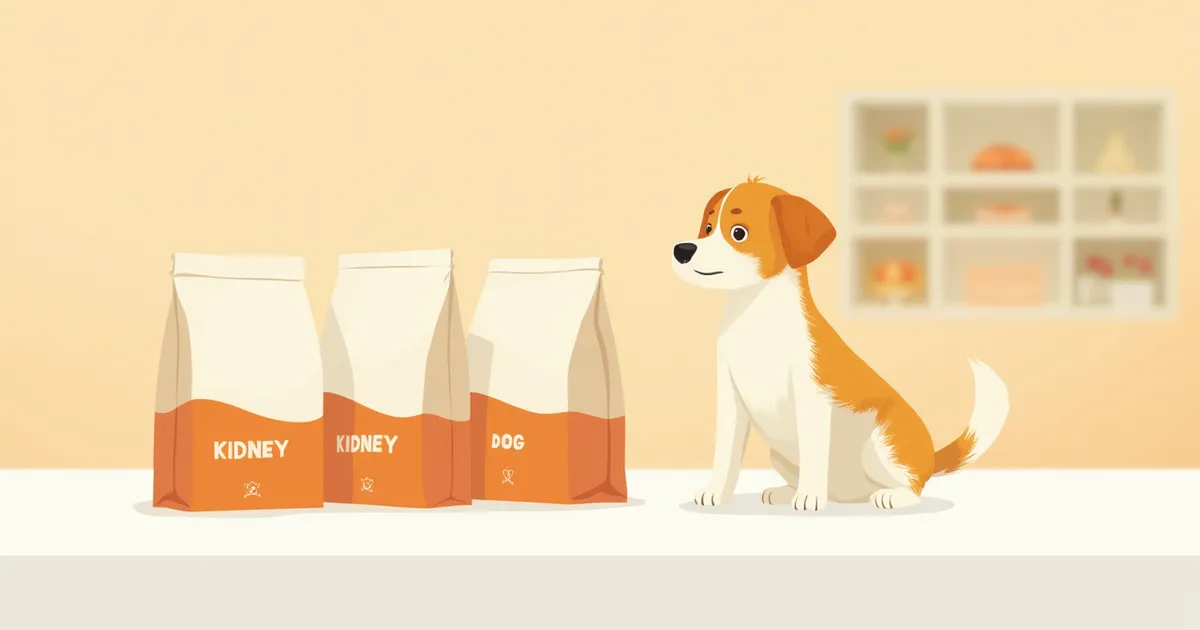
Comparison of Prescription Kidney Diets for Dogs — Hill's k/d vs Royal Canin Renal vs Purina NF
We’ve compared and summarized the nutritional profiles, clinical data, and selection criteria based on palatability and disease stage for the three leading prescription diets formulated for dogs diagnosed with chronic kidney disease (CKD).
What Are Prescription Kidney Diets for Dogs?

Common Nutritional Principles of Renal Prescription Diets
Hill's k/d vs Royal Canin Renal vs Purina NF — At a Glance
| Item | Hill's Prescription Diet k/d | Royal Canin Renal | Purina Pro Plan NF |
|---|---|---|---|
| Protein (DM basis) | Approx. 14.2% | Approx. 14.4% | Approx. 14.0% |
| Phosphorus (DM basis) | Approx. 0.42% | Approx. 0.32% | Approx. 0.33% |
| Sodium (DM basis) | Approx. 0.21% | Approx. 0.21% | Approx. 0.20% |
| Omega-3 (DM basis) | Approx. 0.99% | Approx. 0.66% | Approx. 0.45% |
| Caloric Density | Moderate | Moderate | Relatively high |
| Formulation Lineup | Dry food, canned | Dry food, pouch, canned | Dry food, canned |
| Palatability (Owner-reported) | Moderate to good | Good | Moderate |
| Key Strength | Clinical data | Low phosphorus content | High calories |
Approximate values based on each manufacturer's official datasheet (as of 2024). Figures may differ by lineup and lot, so check the latest label before purchase.
Features of Hill's Prescription Diet k/d

Features of Royal Canin Renal
Features of Purina Pro Plan NF (NF Kidney Function)

Transition to Prescription Diet Gradually Over 7–10 Days
Renal prescription diets contain lower levels of protein and phosphorus than regular pet food, and their taste may be unfamiliar, so switching abruptly can lead to decreased appetite or digestive upset. It’s best to transition gradually over several days by mixing the new food with the old in increasing proportions. A slow transition helps reduce food refusal and gastrointestinal issues, making it easier for your pet to accept the new diet. Additionally, the appropriate diet varies depending on the stage of kidney disease (IRIS stages 1–4), and while diet can help manage the condition, it cannot reverse existing kidney damage. Therefore, do not start a prescription diet on your own—always consult your veterinarian for a diagnosis and have blood and urine tests performed to determine and adjust the right diet. Switching back to regular food without veterinary guidance can accelerate disease progression.
How to Choose the Right Prescription Diet for Your Dog

Prescription Diet Alone Is Not Enough — Comprehensive Management Is Essential
A renal prescription diet is just one piece of the puzzle in managing chronic kidney disease. It needs to be combined with other treatments at each stage, such as phosphate binders, blood pressure medications (ACE inhibitors or ARBs), fluid therapy support, and omega-3 supplementation. Additionally, every 3 to 6 months, we reevaluate whether the diet is appropriate through blood tests (BUN, creatinine, SDMA, phosphorus) and urine specific gravity and urine protein-to-creatinine ratio (UPC) tests. Regular monitoring with your veterinarian is essential.
Reviewed by a veterinarian

Dr. Tony — Punnawat Phongkittirak
VeterinarianA veterinarian who majored in veterinary medicine at Khon Kaen University, Thailand, and completed the IVSA program at North Carolina State University in the United States. Drawing on clinical experience at animal hospitals, he works in the pet healthcare field and is dedicated to building a digital care environment that connects pet parents with veterinarians.
Reviewed 2026-05-07
Frequently Asked Questions
Do dogs need to eat kidney prescription food for their entire lives?
Which of the three products is the most effective?
What should I do if my dog refuses to take its prescribed medication?
Can I give my pet prescription medication and regular supplements together?
Is a prescription diet really necessary for early-stage kidney disease?
Share
Related Guides

Top 5 Prescription Diets for Cats with Chronic Kidney Disease — Stage-Specific Protein Adjustment

7 Emergency Signs and Causes of Acute Kidney Failure in Dogs You Must Not Miss

Top 5 Cat Kidney Supplements Recommended for 2026

Comparison of Prescription Diets vs. Regular Pet Food

Heartworm Preventative Comparison (Heartgard, Interceptor, Tri-Hart)

Comparing Dog Vaccine Types (3-way, 5-way, 7-way): Differences and How to Choose

Basic vs. Comprehensive Checkups — Which Is Right for Your Pet?
Pet MRI vs CT — Which Test Is Right for Your Child?

Comparison of Carbohydrate Ingredients in Dog Food (Rice, Sweet Potato, Potato, Corn)
Comparison of Protein Types in Dog Food (Beef, Chicken, Salmon, Lamb, etc.)
References
[1] Langston CE, Eatroff AE. Chronic Kidney Disease. In: Small Animal Critical Care Medicine, 3rd Edition.
[2] International Renal Interest Society (IRIS). IRIS Staging of CKD (modified 2023).
[3] Polzin DJ. Chronic Kidney Disease. In: Textbook of Veterinary Internal Medicine, 8th Edition (Ettinger, Feldman, Côté).
[4] Jacob F et al. Clinical evaluation of dietary modification for treatment of spontaneous chronic kidney disease in dogs. JAVMA, 2002.