

Homemade Dog Treats vs. Commercial Treats — Safety and Nutritional Comparison
We compare the safety, nutritional value, and shelf stability of homemade dog treats versus commercially available ones based on veterinary nutrition standards, and guide you on how to choose the best option for your pet.
What’s the Difference Between Homemade and Commercial Dog Treats?

Advantages and Limitations of Homemade Treats
Advantages and Limitations of Commercial Treats
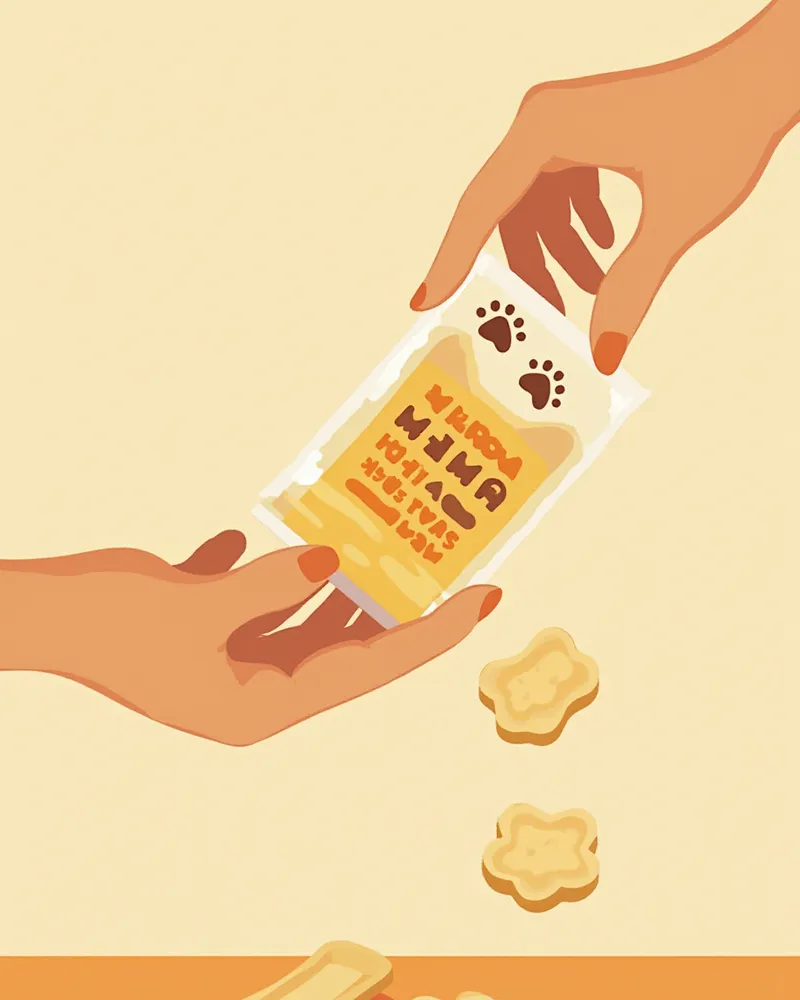
Homemade vs. Commercial Treats at a Glance
| Item | Homemade treats | Commercial treats |
|---|---|---|
| Ingredient transparency | Very high | Label check needed |
| Nutritional balance | Prone to imbalance | Design-based balance |
| Preservatives & additives | False | True |
| Storage period | 3–7 days (refrigerated) | Several months |
| Mold & rancidity risk | High | Low |
| Allergy management | Advantageous | Varies by ingredient |
| Cost (monthly basis) | Ingredient cost + time | Product price only |
Source: Based on Applied Veterinary Clinical Nutrition, general comparison as of 2026.
Ingredients to Absolutely Avoid When Making Homemade Treats
Allium species such as onions, garlic, chives, and green onions contain compounds that can damage red blood cells and cause anemia. Chocolate should also be avoided, as theobromine can place strain on the heart. Grapes and raisins are known to cause kidney damage, while xylitol can lead to acute hypoglycemia and liver injury. Cooked or raw, broken chicken or pork bones can lodge in the esophagus or intestines, potentially causing foreign body obstruction or perforation. All human seasonings, including salt, soy sauce, and sugar, must be excluded. The basic principles are single ingredients, no added salt, and complete drying.
Safe Storage Methods for Homemade Treats
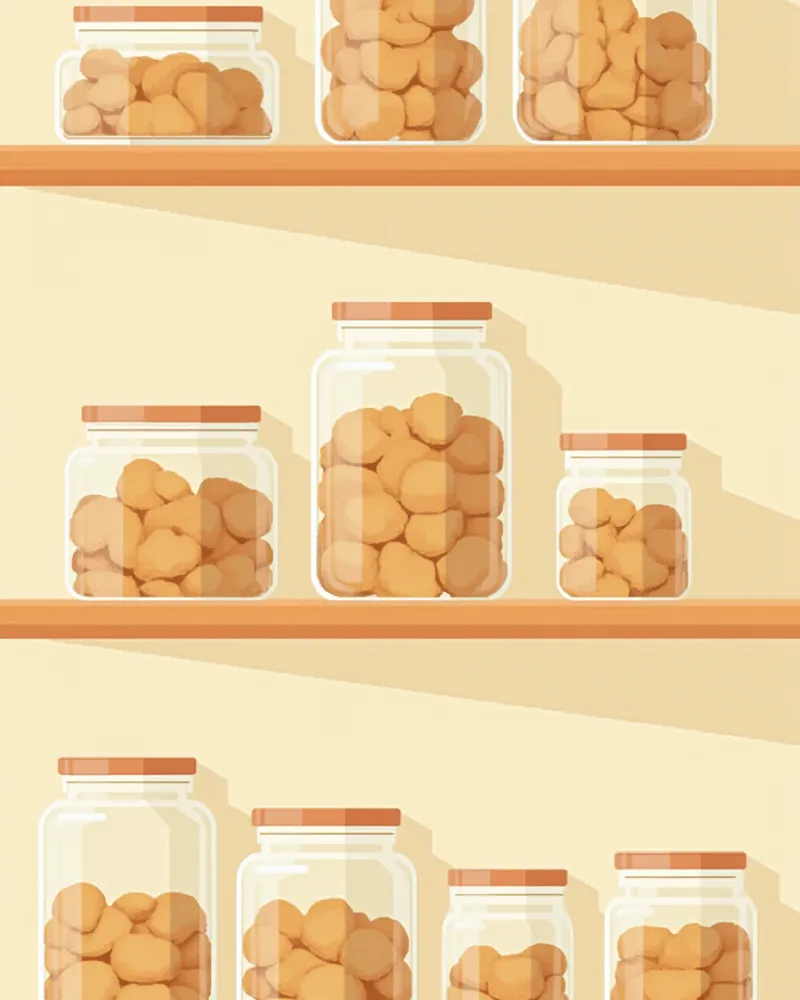
How to Read Labels When Choosing Commercial Treats
Treats Should Not Exceed 10% of Daily Caloric Intake
Treats, whether homemade or store-bought, should never replace your dog’s main diet. If treats exceed 10% of your dog’s daily caloric intake, the essential nutritional balance provided by their primary food can be compromised (nutritional deficiencies are rare when at least 90% of daily calories come from a complete and balanced diet). Since a dog’s daily caloric needs vary significantly based on body weight (BW^0.75) and activity level, it’s best to first determine your dog’s recommended daily calorie intake and then limit treats to within 10% of that amount (for example, about 2–3 cubes of sweet potato). If your dog has a history of obesity, gastrointestinal issues, or pancreatitis, always consult your veterinarian to determine the appropriate treat portion.
Recommendations by Situation — Which Treat Is Right for Your Pet?
Reviewed by a veterinarian

Dr. Tony — Punnawat Phongkittirak
VeterinarianA veterinarian who majored in veterinary medicine at Khon Kaen University, Thailand, and completed the IVSA program at North Carolina State University in the United States. Drawing on clinical experience at animal hospitals, he works in the pet healthcare field and is dedicated to building a digital care environment that connects pet parents with veterinarians.
Reviewed 2026-04-30
Frequently Asked Questions
Is it okay to only feed homemade treats?
Are preservatives in commercially available treats really dangerous?
How many days can homemade treats be stored?
My dog only likes store-bought treats. Should I switch to homemade ones?
What’s best for a pet with allergies?
Share
Related Guides

My Senior Cat Won’t Eat — A Complete Guide to Choosing Food for Cats with Weak Digestion

Top 5 Prescription Diets for Feline Pancreatitis Recommended by Veterinarians — Low-Fat, Highly Digestible Food Guide

Royal Canin vs Hill’s vs Purina vs Orijen — Which Brand Is Right for Your Pet, According to Veterinarians?

Guide to Comparing Ingredients in Behavioral Calming Supplements

Comparison of Dental Supplements and Chews
Comparison Guide to Cat Kidney Supplements
Which Dog Eye Supplement Is Best? How to Choose by Ingredient: Lutein and Astaxanthin

What’s the Difference in Immune Supplements? — Comparing Beta-Glucan, Colostrum, and Probiotics

Comparison of Dog Skin Supplement Ingredients by Type — Key Points on Omega-3, Zinc, and Biotin
Comparing Prescription Joint Diets for Dogs — Hill's j/d vs Royal Canin Mobility
References
[1] Applied Veterinary Clinical Nutrition, 2nd Ed — Treats and Snacks Chapter
[2] Clinical Medicine of the Dog and Cat, 4th Ed — Dietary Management
[3] Nutrient Requirements of Dogs and Cats (NRC, 미국국립연구위원회)