Like
Share
멍실장
고양이 신장 영양제 비교 가이드

Comparison Guide to Cat Kidney Supplements

KidneyComparisonsMeongsiljang Veterinary Advisory Board

There are different types of kidney supplements for cats, depending on their ingredients and intended purpose. We’ve put together a clear comparison of chronic kidney disease stages, ingredients, and prices to help you choose the right product for your pet.

What Are Cat Kidney Supplements?
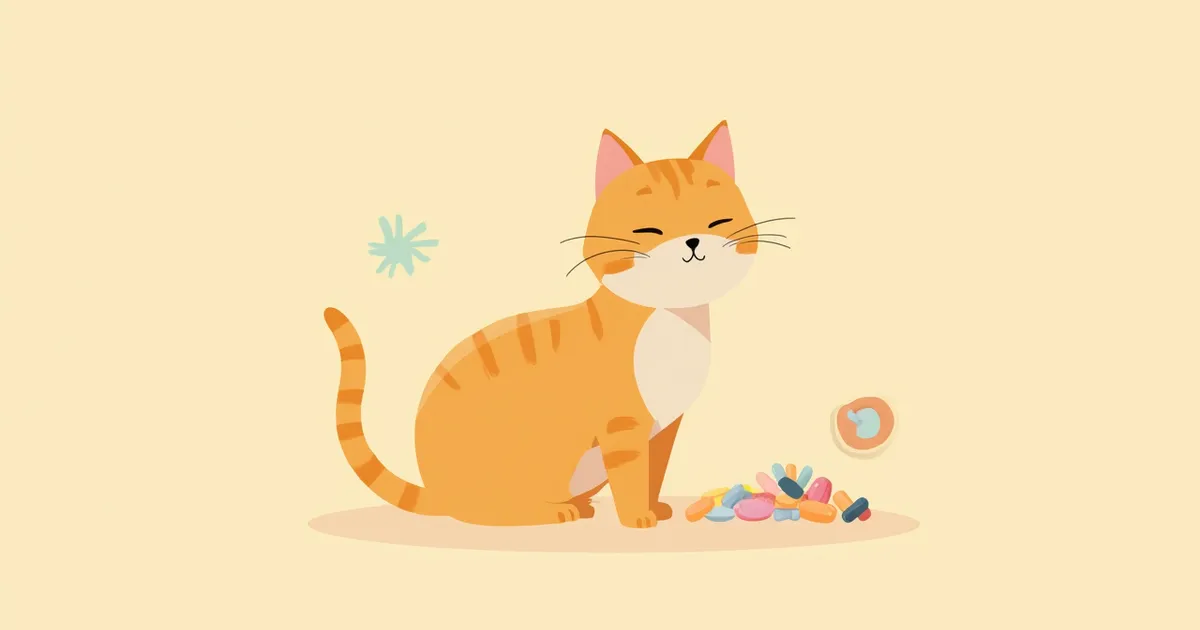
An image of a senior cat sitting in front of a kidney supplement.
Feline kidney supplements are supportive aids given to slow the progression of chronic kidney disease (CKD), which is common in senior cats, and to support renal function. The key lies in the "ingredient combination." Phosphate binders that regulate blood phosphorus (P) levels, omega-3 fatty acids used as a primary ingredient in renal prescription diets, and antioxidants that reduce oxidative stress are core elements with relatively strong textbook evidence. While dietary fiber and probiotics are also used as adjuncts, clinical evidence for their use in feline CKD is still insufficient, so it is safest to consult your veterinarian before deciding. Because the ingredient ratios and purposes vary by product, you must choose one tailored to your cat’s CKD stage (IRIS stages 1–4) to expect any benefit.

Why Are Kidney Supplements Necessary?

Chronic kidney disease (CKD) is one of the most common age-related conditions in cats, with incidence rates rising as cats grow older. Because damaged kidney tissue cannot regenerate, the primary goal of management is to preserve remaining renal function. Kidney supplements can support this by helping to regulate blood phosphorus levels, alleviate uremic symptoms, and reduce oxidative stress, thereby addressing key factors associated with disease progression such as hyperphosphatemia, proteinuria, and anemia. Research has shown that dietary management, particularly through prescription renal diets, can improve both survival time and quality of life for cats with CKD. Therefore, it is essential to establish a prescription diet as the foundation of care and then add supplements as a complementary support.

Key Ingredients in Kidney Supplements

Caution

인 흡착제 (Phosphate Binder)

장에서 인 흡수를 차단해 혈중 인 수치 조절

Dosage: 체중에 따라 수의사 처방

IRIS 2기 이상 권장

Safe

오메가3 (EPA/DHA)

신장 염증 감소, 사구체 보호

Dosage: 40mg/kg/일 EPA+DHA

수의내과학 교과서 근거

Safe

프로바이오틱스 (Azodyl 등)

장내 요독 물질 배출 보조

Dosage: 1~2캡슐/일

보조적 효과

Safe

비타민 B군

다뇨로 손실되는 수용성 비타민 보충

Dosage: 제품 표기 기준

CKD 고양이 필수 보충

Caution

SDMA·요소 개선 허브 (Rehmannia 등)

한방 기반 신장 기능 보조

Dosage: 제품별 상이

연구 근거 제한적

What Are the Effects of Each Ingredient?

Phosphate binders: These can be considered from Stage 2 CKD onward, either alongside or in addition to dietary restrictions, depending on blood phosphorus levels. According to IRIS guidelines, the target serum phosphorus range for Stage 2 is 2.5–4.5 mg/dL. The approach to achieving this—whether through dietary restriction alone or in combination with phosphate binders—should be determined based on the individual patient’s response.
Omega-3 fatty acids: A key ingredient included in renal prescription diets, omega-3s have been reported to support kidney protection and help reduce inflammation. They are utilized as a primary component of renal diets, offering antioxidant benefits alongside their renal-supportive effects.
Probiotics: While some studies have explored their potential supportive role in managing uremic toxins, there is currently insufficient clinical evidence at the level of veterinary textbooks to strongly recommend probiotics for cats with CKD. It is safest to discuss with your veterinarian whether probiotics are appropriate for your cat.
Vitamin B: Cats with CKD may lose fluids and certain nutrients due to increased urination. The need for water-soluble vitamin supplementation should be determined on a case-by-case basis, guided by your veterinarian’s assessment. Rather than focusing on a single supplement, a comprehensive approach that considers phosphorus control, omega-3 fatty acids, and other necessary nutrients is recommended.
Image explaining the effects of each ingredient in a cat kidney supplement

Comparison of Leading Cat Kidney Supplements

ItemAzodylEpakitinRenal Advanced
Main Ingredients3 types of probioticsChitosan + calcium carbonate (phosphorus binder)Omega-3 + B-complex + antioxidants
Main EffectExcretes intestinal uremic toxinsRegulates blood phosphorus levelsRelieves inflammation/overall kidney support
Recommended CKD StageStage 2–4Stage 2–4Stage 1–3
FormulationCapsule (refrigerated storage)Powder (mixed into food)Liquid or softgel
Administration DifficultyDifficult (swallowing capsule)EasyEasy
Veterinary Prescription RequiredTrueFalseFalse

Domestic distribution information as of April 2026; products are examples, and consultation with a veterinarian is essential before purchase.

Supplements Alone Cannot Treat Kidney Disease

Kidney supplements are not "medications" but rather "supportive aids." If your pet has been diagnosed with chronic kidney disease (CKD), it is essential to start with a prescription renal diet (such as Hill's k/d or Royal Canin Renal) as the foundation, and use supplements only as an additional layer on top. Starting supplements without checking blood test values (BUN, creatinine, SDMA, phosphorus) can be counterproductive, as certain ingredients may become toxic. In particular, phosphorus binders can cause electrolyte imbalances if used without confirming serum phosphorus levels, so they must always be used under veterinary guidance based on test results.

How to Choose the Right Supplement for Your Pet
CKD Stage Assessment: In IRIS Stage 1, focus on omega-3 fatty acids and antioxidants. From Stage 2 onward, add phosphate binders. Stages 3 and 4 require comprehensive management.
Ease of Administration: If your cat is difficult to medicate, powder or liquid formulations are more convenient.
Check for Concurrent Medications: There may be interactions with heart or thyroid medications.
Overlap with Prescription Diets: If your prescription diet already includes phosphate control, additional phosphate binders may not be necessary. Please confirm blood values before making a decision.
An image of a veterinarian examining a cat while explaining nutritional supplements.

Proper Feeding Methods and Monitoring

After starting the supplement, have blood tests done every 4 to 6 weeks to monitor changes in key values, particularly phosphorus, calcium, BUN, and creatinine. For powder formulations, it is important to mix the supplement evenly into your pet’s food at every meal; administering it all at once reduces absorption. Store capsule formulations in the refrigerator and always check the expiration date. For cats that do not drink enough water, combining wet food with a water fountain can enhance the effectiveness of the supplement.

When Immediate Veterinary Consultation Is Needed

If any of the following symptoms appear while administering the supplement, stop giving it immediately and visit a veterinary clinic: - Vomiting or diarrhea lasting more than 48 hours - Sudden loss of appetite and lethargy - A sharp decrease in urine output - Pale or bluish gums These signs may indicate worsening chronic kidney disease (CKD) or adverse effects from the supplement. Ignoring these symptoms can lead to a rapid progression to uremia.

Reviewed by a veterinarian

Dr. Tony — Punnawat Phongkittirak

Dr. Tony — Punnawat Phongkittirak

Veterinarian

A veterinarian who majored in veterinary medicine at Khon Kaen University, Thailand, and completed the IVSA program at North Carolina State University in the United States. Drawing on clinical experience at animal hospitals, he works in the pet healthcare field and is dedicated to building a digital care environment that connects pet parents with veterinarians.

Frequently Asked Questions

Can I give my pet multiple kidney supplements at the same time?
Yes, it’s possible as long as the ingredients don’t overlap. For example, you can safely use a phosphorus binder alongside omega-3 supplements. However, using multiple phosphorus binders simultaneously may lead to unnecessary electrolyte imbalances, so please consult your veterinarian before making a decision.
Can healthy cats also take this as a preventive measure?
While omega-3 fatty acids and antioxidants are generally safe for most cats, it is standard practice to administer phosphate binders and probiotic supplements only after a diagnosis of chronic kidney disease (CKD). Since senior cats are at a higher risk of developing CKD, we recommend starting with a blood test to assess kidney function if you notice any suspicious symptoms or if your cat is elderly.
When can I expect to start seeing results?
Blood test results can vary from pet to pet, so regular monitoring through blood work is essential. Individual differences are also significant when it comes to subjective changes in appetite and energy levels. For the most accurate assessment, continue administering the treatment as directed and evaluate progress based on laboratory values under your veterinarian’s guidance.
If my pet is only on prescription food, do they still need nutritional supplements?
In stages 1–2 of chronic kidney disease, a prescription diet alone is often sufficient. If the condition progresses to stage 3 or higher, or if it becomes difficult to maintain target values, we may consider adding nutritional supplements. However, simply increasing the amount of food isn’t always beneficial.
Can I give my pet human-grade omega-3 supplements?
We do not recommend it. While antioxidant ingredients like omega-3 fatty acids and vitamin E have been reported to benefit kidney health, human products may contain sweeteners such as xylitol or other additives and concentrations that are unsuitable for cats. Therefore, please always use products specifically formulated for pets or those recommended by your veterinarian, administered at the appropriate dosage.

Share

Related Guides

References

[1] Langston CE, Eatroff AE, Chronic Kidney Disease, Small Animal Critical Care Medicine, 3rd Ed

[2] The Cat, Clinical Medicine and Management, 2nd Edition — Chronic Kidney Disease in Cats

[3] Plantinga EA et al., Retrospective study of survival of cats with CKD on renal diet, 2005

This information is based on veterinary literature and does not replace diagnosis or treatment. Please consult a veterinarian for specific health concerns.

Metapet Co., Ltd. | CEO: Park Sung-yong | Business Reg. No. 417-88-02562 | Seoul, South Korea | Customer Center

Cat Kidney Supplements Compared: Ingredients & Choice | Meongsiljang