
Like
Share
멍실장
사료 탄수화물 종류 비교 (쌀·고구마·감자·옥수수)

Comparison of Carbohydrate Ingredients in Dog Food (Rice, Sweet Potato, Potato, Corn)

DigestiveComparisonsMeongsiljang Veterinary Advisory Board

We compare the digestibility, allergy risk, and nutritional characteristics of four common carbohydrate ingredients in dog food (rice, sweet potato, potato, and corn), and guide you on how to choose the right ingredient for your pet.

What Are Carbohydrates in Dog Food?
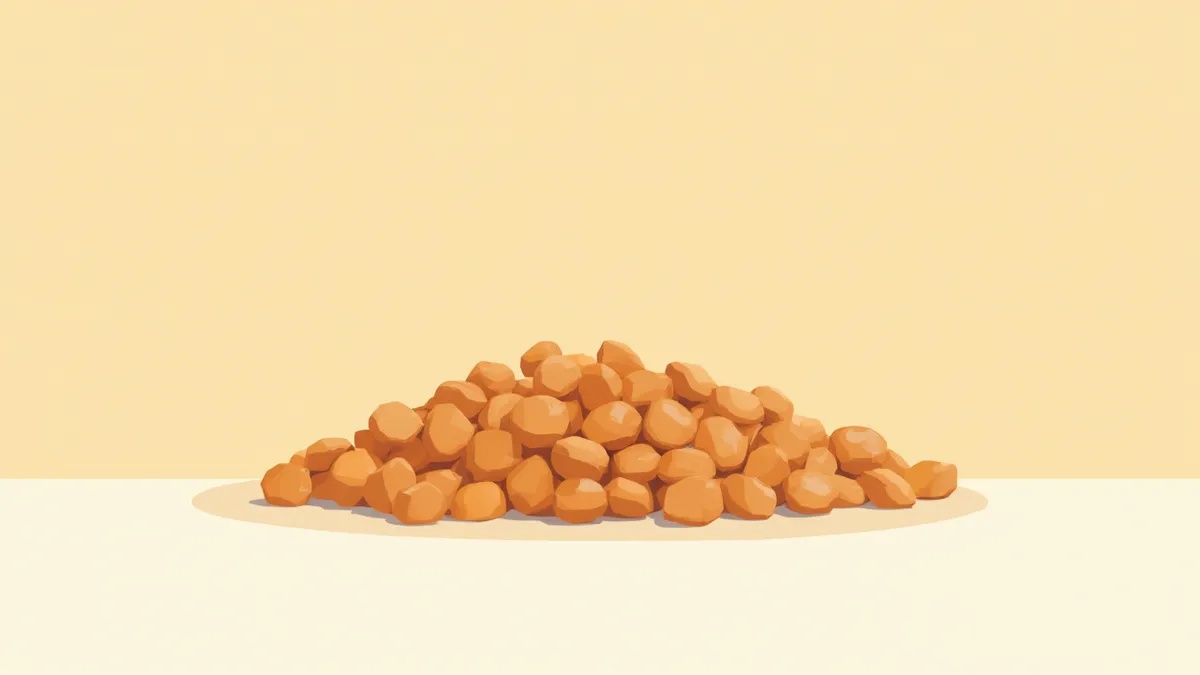
A close-up of premium dog food with visible rice and sweet potato ingredients.
Carbohydrates in dog food are a primary nutrient that provides energy and helps form stool, sourced from ingredients like grains and root vegetables such as rice, sweet potatoes, potatoes, and corn. The most important thing is the choice of ingredients. Even among carbohydrates, rice is easy to digest, corn carries a risk of allergies, and sweet potatoes and potatoes have different glycemic indices (GI). You should choose ingredients based on your dog's constitution, allergy history, and weight.

Why Is the Choice of Carbohydrate Ingredients Important?

Carbohydrates are not an essential nutrient for dogs. However, commercial dog foods often include them in significant amounts—typically around 30–50%—to provide energy, ensure processing stability, and support proper stool formation. Functionally, carbohydrates can be classified as absorbable, digestible, fermentable, or non-fermentable. Even among starches, digestibility and blood sugar responses vary depending on the ingredient source and processing method. If a diet contains many poorly digestible ingredients, it may lead to gas and loose stools, meaning the choice of ingredients and how they are processed directly impacts gastrointestinal health.

Rice, Sweet Potato, Potato, and Corn at a Glance

ItemRiceSweet potatoPotatoCorn
DigestibilityHigh (very easily digested)Relatively highMediumMedium
GI (glycemic index)Medium to highMedium (on the lower side)HighMedium
Allergy riskOn the low sideOn the low sideOn the low sideCan be relatively higher
Dietary fiberLowHighMediumMedium
Calories (100g)About 120-130kcalAbout 90kcalAbout 80kcalAbout 95kcal
Recommended constitutionSensitive gut, recovery dietObesity, constipationLow-allergyHealthy adult dogs

Because precise digestibility figures per ingredient could not be confirmed from textbook excerpts alone, general tendencies are noted. Digestibility and glycemic index (GI) can vary depending on cooking and feed-processing methods.

Rice: The Safest, Low-Irritation Ingredient

Rice is considered one of the most easily digestible carbohydrate sources for dogs. In fact, rice slurry is often used for dogs with difficulty digesting fats or those in recovery, as it is gentle on the stomach. White rice, in particular, is highly recommended for dogs with sensitive intestines, those recovering from diarrhea, and senior dogs. However, its drawbacks include low dietary fiber content and a high starch composition, which can cause blood sugar levels to rise relatively quickly. - Recovery from digestive issues: White rice is easier on the stomach. - Regular meals: A mix of brown rice and glutinous rice offers better nutritional balance.
A bowl of cooked white rice placed next to the dog food

Sweet Potato: Rich in Fiber and Antioxidants

Sweet potatoes are relatively high in dietary fiber, and fiber-rich complex carbohydrates tend to raise blood sugar more gradually than starch-heavy ingredients. They also contain beta-carotene, a precursor to vitamin A. This makes them a helpful option for pets dealing with constipation or those needing weight management. - Gut health: The fiber supports healthy bowel movements and proper stool formation. - Vision and immunity: Beta-carotene contributes to these areas. However, because sweet potatoes can be high in potassium, pets with kidney disease should only consume them after consulting your veterinarian. Additionally, since sweet potatoes are still a carbohydrate source, pets with diabetes shouldn’t view them as a “diabetes-friendly” ingredient; instead, it’s crucial to manage the total carbohydrate intake and always consult your veterinarian before feeding.

Potato: A Low-Allergy Grain-Free Alternative

Potatoes are a staple ingredient in grain-free diets for pets with grain allergies. While widely used as a carbohydrate source, there are important precautions to keep in mind. Raw potatoes, their skins, and sprouts contain solanine, a toxic compound, so they must always be cooked. Additionally, the American Veterinary Medical Association has investigated a potential link between potato-heavy grain-free diets and dilated cardiomyopathy (DCM), making formulas that combine potatoes with other ingredients a safer choice than those relying on potatoes as the sole ingredient.

Corn: Misconceptions and Facts

Corn is often unfairly labeled as a “cheap filler,” but when properly processed, it boasts a respectable digestibility rate of 70–80%. It also contains beneficial nutrients like linoleic acid (an essential fatty acid) and lutein. However, corn is one of the most common allergens for dogs, so it’s best to avoid it if your pet suffers from itchy skin or gastrointestinal issues. If your dog has a corn allergy, you may also want to read about symptoms and management of dog food allergies.
Corn kernels and pet food served in a wooden bowl

Precautions When Choosing Carbohydrate Ingredients

When changing your pet’s food, transition gradually over 7–10 days by slowly mixing the new food with the old. Sudden changes can cause vomiting or diarrhea. If recurring skin itching or loose stools appear after feeding a specific ingredient, an allergy may be present; consult your veterinarian to identify the cause through an elimination diet. Pets with diabetes, kidney disease, or pancreatitis must be fed a prescribed therapeutic diet, and you should never modify the ingredients on your own.

How to Choose the Right Ingredient for Your Dog

Recommended ingredients vary depending on your dog’s constitution and health status. - For dogs with sensitive stomachs: White rice is the top choice. - For dogs with obesity or constipation: Sweet potatoes are beneficial. - For dogs with suspected allergies: Avoid corn and wheat, and try formulas with potato or sweet potato as the sole carbohydrate source. - For healthy adult dogs: Formulas combining multiple ingredients offer better nutritional balance. If a carbohydrate ingredient appears within the first three items on the ingredient list, it is considered a primary ingredient.
A happy dog gazing at the food bowl provided by its owner

Reviewed by a veterinarian

Dr. Tony — Punnawat Phongkittirak

Dr. Tony — Punnawat Phongkittirak

Veterinarian

A veterinarian who majored in veterinary medicine at Khon Kaen University, Thailand, and completed the IVSA program at North Carolina State University in the United States. Drawing on clinical experience at animal hospitals, he works in the pet healthcare field and is dedicated to building a digital care environment that connects pet parents with veterinarians.

Frequently Asked Questions

Do dogs really need carbohydrates?
While not an essential nutrient, carbohydrates play a vital role in providing energy, forming stool, and aiding in the manufacturing of pet food. Most commercial pet foods contain between 30% and 50% carbohydrates.
Is grain-free food better?
Not necessarily. The American Veterinary Medical Association has investigated a potential link between certain grain-free diets and dilated cardiomyopathy (DCM). It’s best to choose grain-free options only if your pet has a confirmed grain allergy.
Can I mix rice into my pet's food every day?
A small amount of cooked white rice is fine, but it should not exceed 10% of the total meal to maintain nutritional balance.
Do I absolutely need to avoid dog food that contains corn?
Not at all. Corn is perfectly fine for healthy pets without a corn allergy. However, if your pet is experiencing skin irritation or itching, it may be a good idea to switch to a food with different ingredients.
Which is better for pets, sweet potatoes or regular potatoes?
Sweet potatoes are generally recommended because they have a lower glycemic index and are rich in dietary fiber and vitamin A. Potatoes can be a good alternative for pets with grain allergies.

Share

Related Guides

References

[1] Fascetti AJ, Delaney SJ, Applied Veterinary Clinical Nutrition, 2nd Ed, Chapter 8: Commercial and Home-Prepared Diets

[2] Hand MS et al., Small Animal Clinical Nutrition, 5th Ed, Chapter 5: Commercial Pet Foods

[3] Case LP et al., Canine and Feline Nutrition, 3rd Ed, Chapter 9: Carbohydrates

This information is based on veterinary literature and does not replace diagnosis or treatment. Please consult a veterinarian for specific health concerns.

Metapet Co., Ltd. | CEO: Park Sung-yong | Business Reg. No. 417-88-02562 | Seoul, South Korea | Customer Center

Dog Food Carbs Compared: Rice, Sweet Potato, Potato, Corn | Meongsiljang