Like
Share
멍실장
MRI vs CT 차이와 선택 기준

Pet MRI vs CT — Which Test Is Right for Your Child?

ImmunityComparisonsMeongsiljang Veterinary Advisory Board

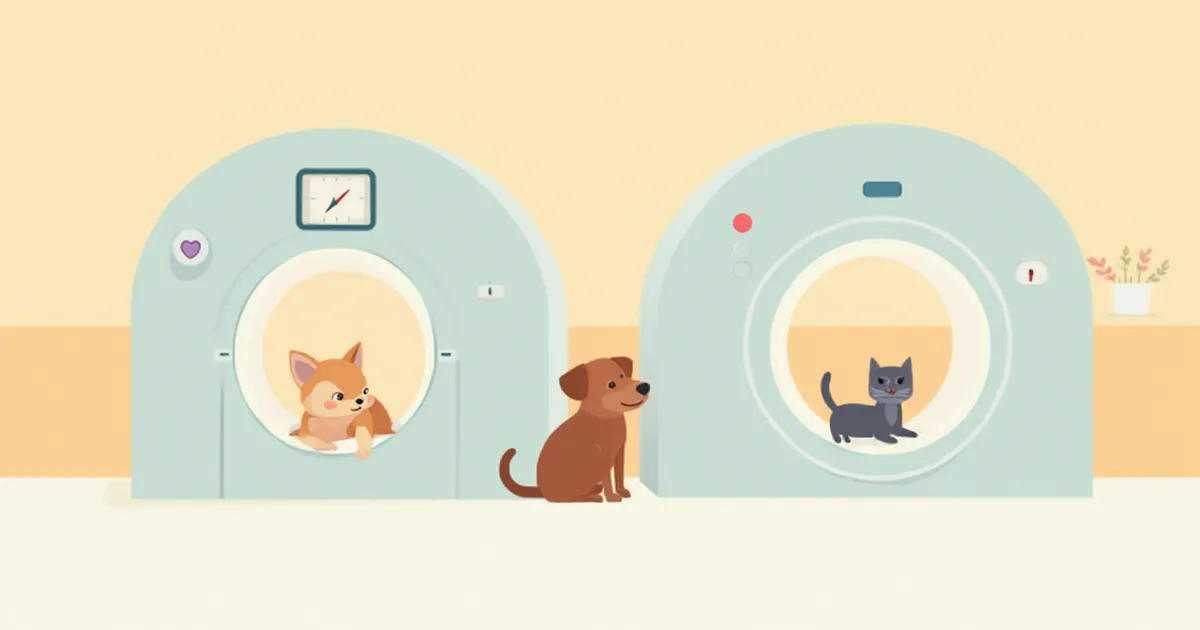
MRI and CT scans differ in their imaging principles and the areas they best visualize. MRI is preferred for examining nerves and soft tissues, while CT is the first choice for bones and emergency situations.

MRI and CT, Summarized in One Sentence
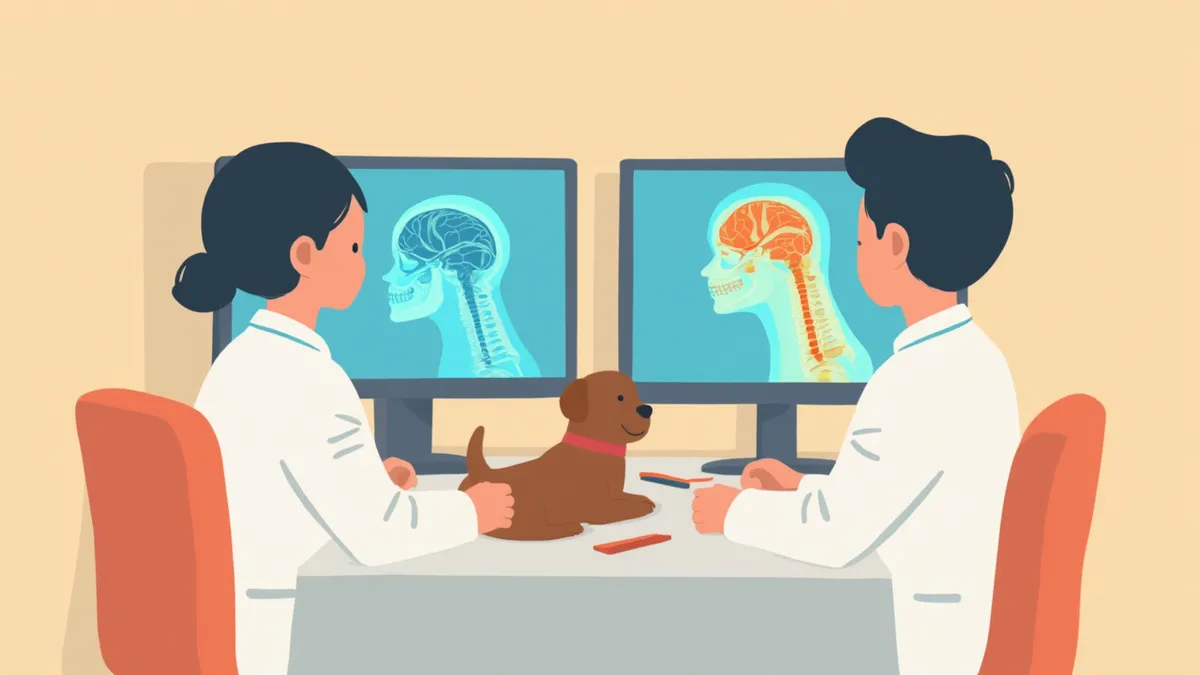
A veterinary radiologist comparing MRI and CT images of a dog's brain and spine on a monitor
MRI and CT scans are advanced imaging tests that allow us to see inside your dog or cat’s body in cross-sectional detail. MRI uses magnetic fields, while CT uses X-rays, each highlighting different types of tissues. Choosing between them is straightforward: MRI is preferred for soft tissues like the brain, spinal cord, and muscles, as well as nerve-related issues. CT is the go-to for bone fractures, emergency chest or abdominal conditions, and checking for tumor spread. Both tests require the animal to remain completely still, but they differ in anesthesia needs. Because MRI takes longer, general anesthesia is almost always necessary. In contrast, CT scans are quicker and can often be done with just sedation, sometimes avoiding general anesthesia altogether.

The Principles of the Tests Differ

A CT scan takes X-ray images as the machine rotates 360 degrees around the body and combines them on a computer to create a 3D image. Although it uses radiation, the scan time is very short. On the other hand, an MRI uses strong magnetic fields and radio waves to detect signals from hydrogen atoms inside the body to produce images. It involves no radiation exposure and offers much higher resolution for soft tissues, but the scan takes longer and the equipment is quite noisy. Simply put, CT is like a fast bone camera, while MRI is like a detailed soft-tissue camera.

Key Comparison Table: MRI vs CT

ItemMRICT
Imaging principleMagnetic field + radio wavesRotating X-ray imaging
Radiation exposureNoneYes
Best-visualized areasBrain, spinal cord, muscle, ligamentBone, lung, abdominal cavity, blood vessels
Exam duration30–90 minutes5–15 minutes
Anesthesia requiredGeneral anesthesia mandatoryPossible with sedation (anesthesia if needed)
Emergency suitabilityLowHigh
Approximate cost rangeRelatively highRelatively low

Cost and time vary widely by equipment and hospital, so consult the hospital before the actual exam.

When MRI Is Essential
Lesions of the brain, spinal cord, and peripheral nerves can only be accurately visualized with MRI. Veterinary internal medicine textbooks also recommend MRI as the standard diagnostic test for confirming neurological conditions such as ischemic stroke, granulomatous meningoencephalitis (GME), necrotizing meningoencephalitis, and intervertebral disc disease. - Seizures or postural abnormalities: To identify brain lesions - Hindlimb paralysis or gait abnormalities: To assess spinal cord compression - Suspected peripheral nerve tumors: To evaluate nerve root tumors - Chronic otitis media or interna: To determine the extent of soft tissue inflammation
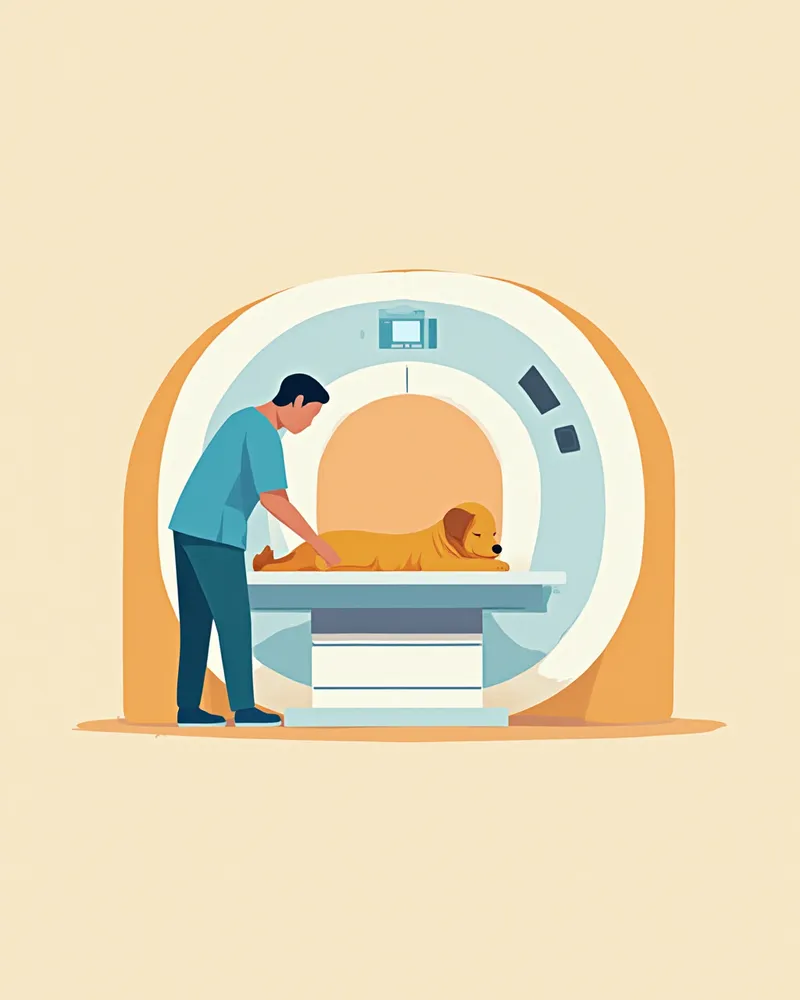
A veterinarian gently positioning a dog on the MRI examination table

When CT Is More Advantageous

CT scans are faster and more accurate for areas with distinct density differences, such as bones, lungs, and abdominal organs. The short scan time reduces stress for emergency cases and older pets or those with underlying conditions who may be at higher risk from anesthesia. - Multiple fractures after traffic accidents or falls - Assessing the extent of nasal and sinus tumors - Detecting lung metastasis, pneumonia, or pneumothorax - Pre-surgical evaluation for ureteral stones or abdominal tumors - Evaluating teeth, temporomandibular joints, and middle ear structures

Both Involve Anesthesia Burdens

Because MRI scans take longer, general anesthesia is almost always required to keep the animal completely still. In contrast, CT scans are much faster, so they can often be performed with just sedation, and in critically ill patients, diagnostic images can sometimes be obtained without any sedation at all. However, for pets with heart or kidney disease, or senior animals, blood tests and a cardiac evaluation are essential before administering any anesthesia or sedation. In urgent trauma cases, CT may be the better option due to its shorter duration and lower anesthetic burden. The veterinarian will determine the appropriate anesthesia or sedation plan and fasting period based on your pet’s weight and overall health status.

Why Contrast Agents Are Used
Both tests use contrast agents to make blood vessels, tumors, and inflamed areas more visible. CT scans typically use iodine-based contrast, while MRI scans use gadolinium-based contrast. Since contrast agents are excreted through the kidneys, it’s important to perform preliminary tests for pets with compromised kidney function. Veterinary radiology textbooks also recommend the use of contrast agents as a standard procedure for evaluating tumor boundaries and distinguishing inflammatory lesions.
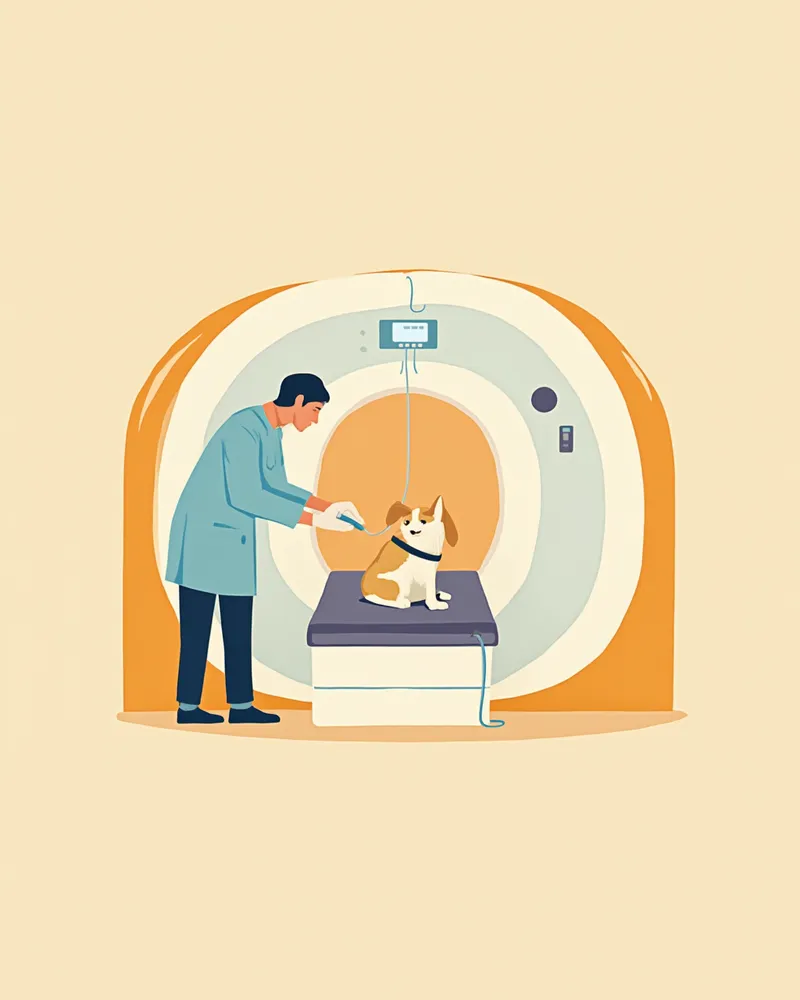
A veterinary technician prepares to administer a contrast injection to a puppy on the CT examination table.

Recommended Test Flow by Symptom

Instead of choosing tests yourself, it’s best to describe your pet’s symptoms accurately to the veterinarian, who will then select the most appropriate diagnostic procedures. Here’s how the process typically unfolds: - Seizures, behavioral changes, or vision problems: Initial blood work → MRI - Sudden hindlimb paralysis: Neurological exam → MRI (spinal cord) - Traffic accidents or falls: X-ray → CT scan - Coughing, difficulty breathing, or suspected metastasis: X-ray → Thoracic CT - Facial swelling or chronic nasal discharge: Endoscopy or CT (nasal cavity) - Dental or jaw pain: Dental CT

Additional Considerations Based on Breed and Body Type

Brachycephalic breeds (French Bulldogs, Pugs, and Shih Tzus) and senior cats face greater risks from anesthesia, making pre-procedural respiratory and cardiac evaluations essential. Border Collies and other Collie-type breeds may carry the MDR1 gene mutation, which can affect drug sensitivity and necessitate adjustments in anesthetic selection. For toy breeds and cats weighing under 2 kg, positioning within an MRI coil can be challenging, making CT scans a more practical option.

Reviewed by a veterinarian

Dr. Tony — Punnawat Phongkittirak

Dr. Tony — Punnawat Phongkittirak

Veterinarian

A veterinarian who majored in veterinary medicine at Khon Kaen University, Thailand, and completed the IVSA program at North Carolina State University in the United States. Drawing on clinical experience at animal hospitals, he works in the pet healthcare field and is dedicated to building a digital care environment that connects pet parents with veterinarians.

Frequently Asked Questions

Isn't an MRI always the better diagnostic test?
Not at all. In cases of bone fractures, lung diseases, or emergencies, CT scans are much more advantageous. The best imaging equipment is the one that suits the purpose of the examination.
Are both tests ever performed at the same time?
Yes, in patients with tumors, it’s common to use MRI to evaluate the primary tumor site and CT scans of the chest and abdomen to check for metastasis. These imaging studies are often performed during a single anesthesia session.
Is CT radiation harmful to pets?
The radiation exposure from a single scan is within a safe, manageable range. However, if repeated imaging is necessary, your veterinarian will carefully monitor the intervals between scans and the cumulative exposure.
Why does an MRI cost more?
This is due to the high cost of equipment, the expense of maintaining the magnetic field, and the longer examination time, which requires more staff and extended anesthesia. Costs vary significantly from one clinic to another.
Is fasting required before the test?
Yes, since anesthesia will be used, it’s standard to withhold food for 8 to 12 hours. Please follow your clinic’s guidelines regarding water restriction.

Share

Related Guides

References

[1] Clinical Medicine of the Dog and Cat, 4th Ed — Chapter 14. Disorders of the Nervous System and Muscle

[2] Advanced Monitoring for Small Animal Emergency and Critical Care, 2nd Ed

[3] BSAVA Manual of Canine and Feline Advanced Veterinary Nursing — Diagnostic Imaging

This information is based on veterinary literature and does not replace diagnosis or treatment. Please consult a veterinarian for specific health concerns.

Metapet Co., Ltd. | CEO: Park Sung-yong | Business Reg. No. 417-88-02562 | Seoul, South Korea | Customer Center

Pet MRI vs CT — Which Scan Is Right for Your Dog or Cat? | Meongsiljang