Like
Share
멍실장
일반의 vs 전문의 차이, 우리 아이 언제 어디로 가야 할까?

Where to Take Your Pet: Differences Between General Practitioners and Specialists, and When to Visit

ImmunityComparisonsMeongsiljang Veterinary Advisory Board

We compare the roles, scope of care, and costs of general practitioners and specialists in veterinary medicine. We’ll help you decide which type of vet to visit first based on your pet’s symptoms.

General Practitioner vs. Specialist for Pets: What’s the Difference?

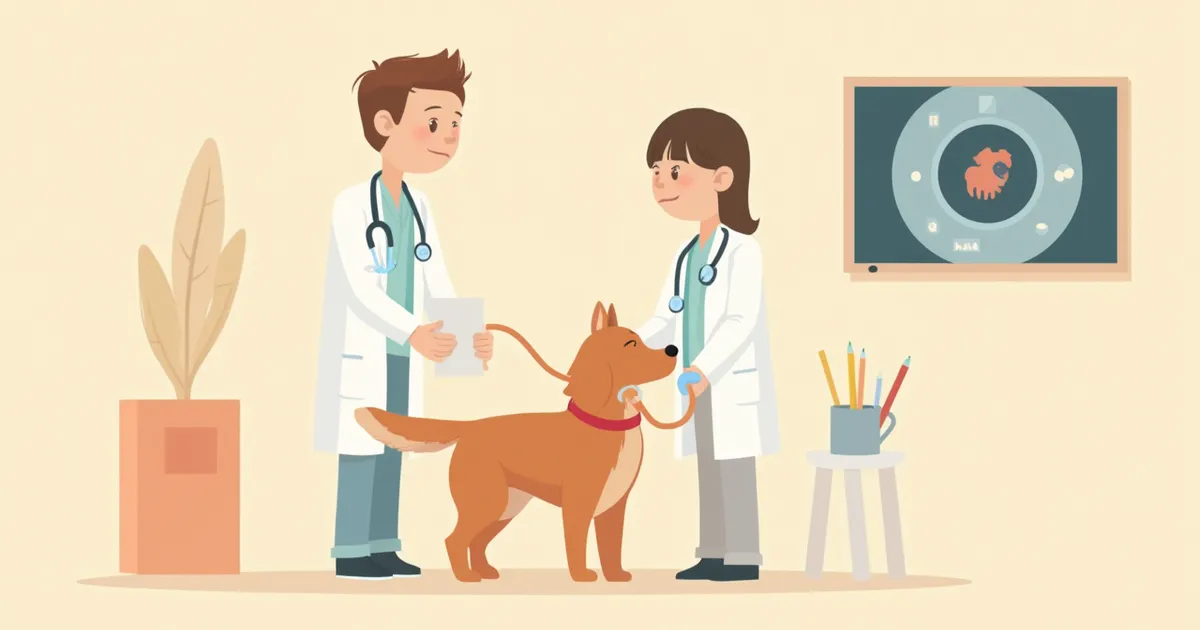
An image comparing the consultation scenes of a general practitioner and a specialist side by side.
A general practitioner (GP) is your pet’s local primary care veterinarian, handling everything from vaccinations and routine check-ups to diagnosing and treating common illnesses. In contrast, a specialist has completed additional training and certification in a specific field. The safest approach is to start with a GP and seek a referral to a specialist when necessary. For complex cases requiring specialized equipment and expertise—such as intricate surgeries, cancer, or heart and neurological conditions—your GP will directly connect you with the appropriate specialist.

What a General Practitioner Does

A general practitioner serves as your pet’s primary care veterinarian, overseeing their overall health. - Preventive Medicine: They handle vaccinations, heartworm prevention, and routine health check-ups. - Basic Care: They diagnose and treat common conditions such as colds, diarrhea, dermatitis, and otitis externa. - Primary Surgery: They perform spay/neuter procedures, simple tumor removals, and general dental treatments. Most everyday health concerns can be fully addressed by a general practitioner. Since they have seen your pet the most over time, they are also the ones who know your pet’s normal baseline health best.

General Practitioner vs. Specialist: A Quick Comparison

ItemGeneral practitioner (GP)Specialist
Training pathGraduation from veterinary schoolAdditional post-graduate training such as internship/residency + passing certification exam
Main rolePrevention, primary care, basic surgeryAdvanced diagnosis and treatment in a specific field
Scope of practiceBroad and generalNarrow and deep
EquipmentBasic blood work, X-ray, ultrasoundPrecision equipment such as CT, MRI, endoscopy
Consultation costRelatively inexpensiveGenerally higher (varies widely by time, tests, and equipment)
Visit methodGuardian books directlyUsually booked via GP referral

Specific costs vary by hospital and region

What a Specialist Handles
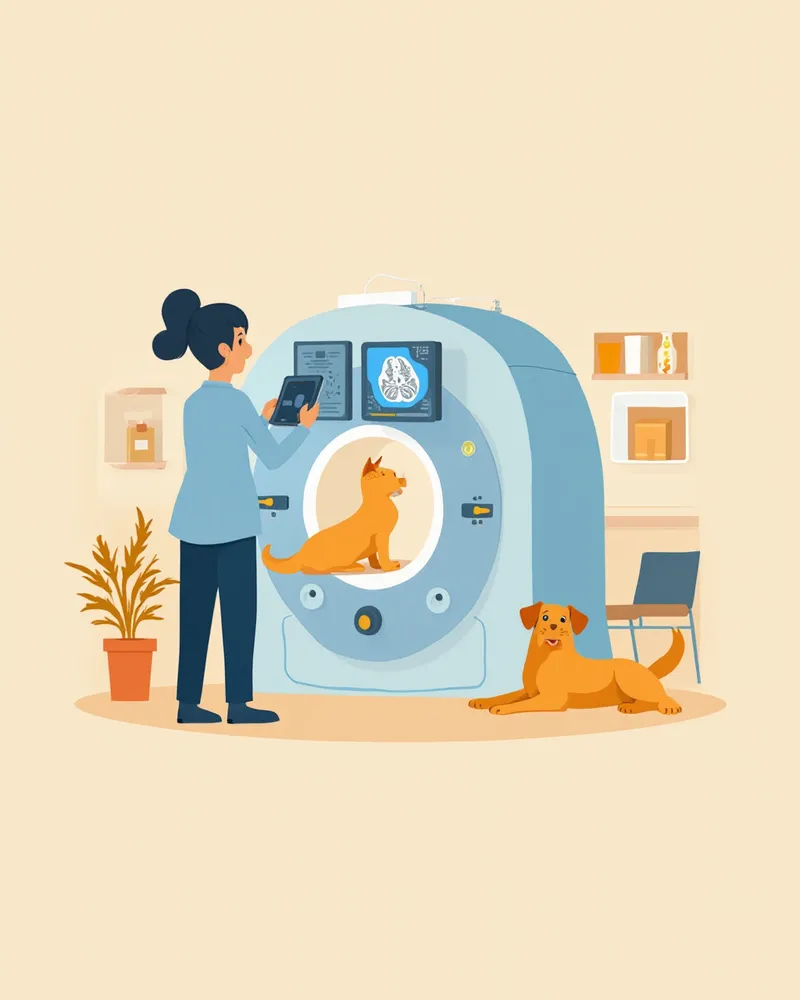
A veterinary specialist is a veterinarian who, after graduating from veterinary school, completes additional training such as internships and residencies, and then passes a certification exam administered by a recognized professional organization, such as the American College of Veterinary Internal Medicine (ACVIM), to earn a Diploma or Board Certification in a specific field. - Internal Medicine Specialist: Manages chronic kidney disease, diabetes, and immune-mediated disorders. - Surgical Specialist: Performs orthopedic surgeries and complex tumor removals. - Neurology Specialist: Treats seizures, intervertebral disc disease, and other brain disorders. Specialization extends into other subspecialties, including ophthalmology, dermatology, and oncology. In Korea, these specialists primarily work at university veterinary hospitals and select secondary-care clinics.
A veterinary specialist interpreting an MRI scan

When Specialist Care Is Essential

In the following situations, general veterinary care alone may not be sufficient: recurrent seizures, chronic conditions with unclear diagnoses, complex orthopedic surgeries (such as stage 4 patellar luxation or cranial cruciate ligament rupture), cases requiring chemotherapy after a cancer diagnosis, and neurological or tumor-related conditions requiring MRI or CT scans. In these cases, your general veterinarian will directly refer you to a specialist by writing a referral letter, so consulting with your general vet first is the fastest route.

How the Specialist Referral Process Works
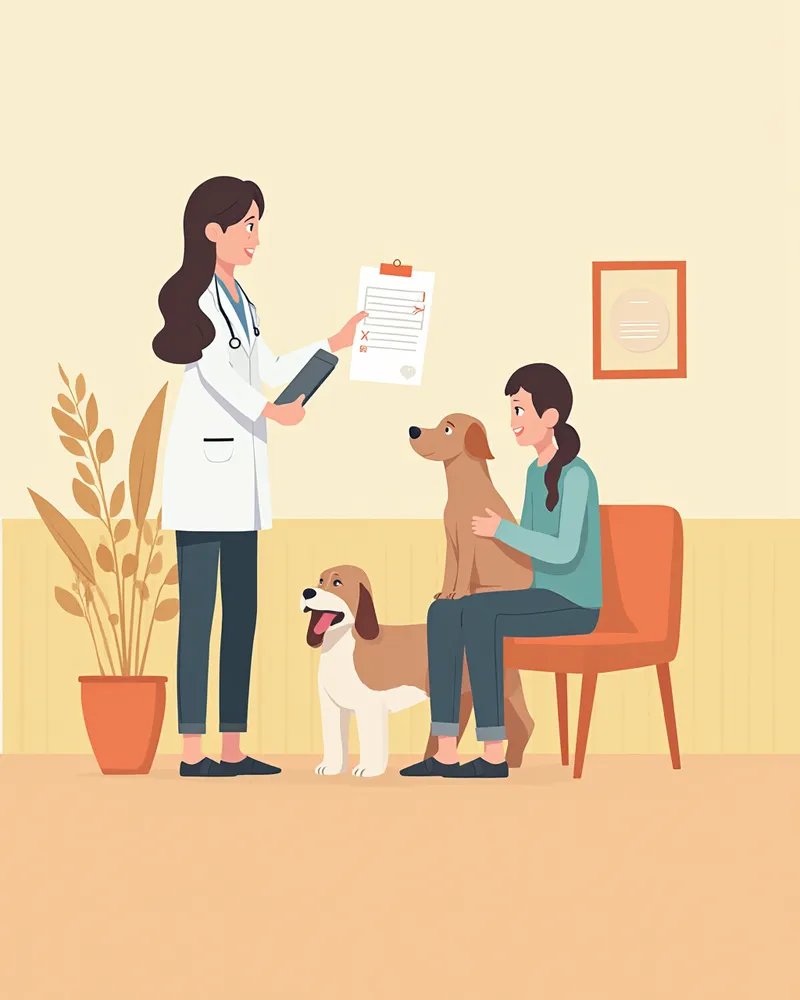
Specialist consultations are typically scheduled through a referral from a general practitioner. - Step 1: Visit a general practitioner for an initial assessment of symptoms and basic tests (blood work and X-rays). - Step 2: If the general practitioner deems it necessary, they will forward a referral letter and test records to the specialist. - Step 3: The specialist reviews the test results in advance before scheduling the appointment. - Step 4: After a thorough diagnosis, a treatment plan is developed, and ongoing care is managed through collaborative consultation with the general practitioner. This process helps reduce duplicate testing and saves on costs.
A general practitioner explaining the referral process to a specialist for the pet owner.

Why You Should See a General Practitioner First

Some owners prefer to see a specialist from the start because they seem more authoritative, but I don’t recommend this approach. - Reason 1: Specialists focus on specific areas, so if the root cause of the symptoms lies elsewhere, diagnosis may be delayed. - Reason 2: Specialist consultations are significantly more expensive, and appointments can take weeks to schedule. - Reason 3: Having a primary care veterinarian who knows your pet’s usual health status allows for quicker detection of subtle changes. Think of your general practitioner as the one who continues your pet’s “health story.”

Notes on the Veterinary Specialist System in South Korea

Unlike the United States, South Korea does not yet have a legally established system for board-certified veterinary specialists. As a result, clinics that use the title "specialist" typically employ veterinarians who hold international board certifications (such as ACVIM, ECVIM, or ACVS) or are university hospital professors or residents in specialized training. When choosing a clinic, it is helpful to verify on their website whether the veterinarians hold board certifications, have completed specialized residency training, or have worked at university hospitals. Relying solely on a clinic name that includes "center" is not a reliable way to assess their level of expertise.

Reviewed by a veterinarian

Dr. Tony — Punnawat Phongkittirak

Dr. Tony — Punnawat Phongkittirak

Veterinarian

A veterinarian who majored in veterinary medicine at Khon Kaen University, Thailand, and completed the IVSA program at North Carolina State University in the United States. Drawing on clinical experience at animal hospitals, he works in the pet healthcare field and is dedicated to building a digital care environment that connects pet parents with veterinarians.

Frequently Asked Questions

Can’t I just go straight to a specialist from the start?
It’s possible, but I don’t recommend it. Seeing a general practitioner first can help reduce unnecessary tests and save costs. Additionally, having a primary care vet who knows your pet’s usual condition allows for a more accurate treatment plan.
How much more does a specialist visit cost compared to a general practitioner?
Even for an initial visit, consultations with specialists tend to cost more. This is because specialists dedicate more time to each case and utilize advanced equipment and facilities for more thorough examinations. Adding detailed tests like CT or MRI scans can further increase the cost difference. Since specific fees vary by clinic and location, be sure to confirm the costs before making an appointment.
Where can I get ongoing care after seeing a specialist?
Most patients return to their general practitioner for ongoing care through a collaborative approach. The specialist designs the treatment plan and prescribes medications, while the more accessible general practitioner typically handles routine follow-up visits and medication refills.
What should I do if there’s no specialist in my area?
Cases are referred to university-affiliated veterinary hospitals, such as those at Seoul National University, Konkuk University, and Chungbuk National University, or to secondary and tertiary care hospitals in major cities. Since general practitioners will connect you with the most suitable specialist in your area, there’s no need to seek one out on your own.
Should I still see a general practitioner first in an emergency?
No. In emergency situations (difficulty breathing, heavy bleeding, decreased consciousness, or persistent seizures), you should go directly to a 24-hour emergency animal hospital. Emergency room doctors are typically well-experienced in emergency medicine, so you can rest assured.

Share

Related Guides

References

[1] American College of Veterinary Internal Medicine (ACVIM), Specialty Certification Guidelines

[2] Ettinger SJ, Feldman EC, Cote E. Textbook of Veterinary Internal Medicine, 8th Edition, 2017

[3] American Veterinary Medical Association (AVMA), Veterinary Specialties Overview

This information is based on veterinary literature and does not replace diagnosis or treatment. Please consult a veterinarian for specific health concerns.

Metapet Co., Ltd. | CEO: Park Sung-yong | Business Reg. No. 417-88-02562 | Seoul, South Korea | Customer Center

Vet GP vs Specialist: Key Differences & When to Visit | Meongsiljang