Like
Share
멍실장
펫호텔 vs 펫시터 비교 가이드

Pet Hotel vs. Pet Sitter Comparison Guide

ImmunityComparisonsMeongsiljang Veterinary Advisory Board

We’ve outlined the differences, pros and cons, and selection criteria between pet hotels and pet sitters from a pet owner’s perspective. Compare at a glance to determine which type of care best suits your pet’s personality and health status.

What’s the Difference Between Pet Hotels and Pet Sitters?

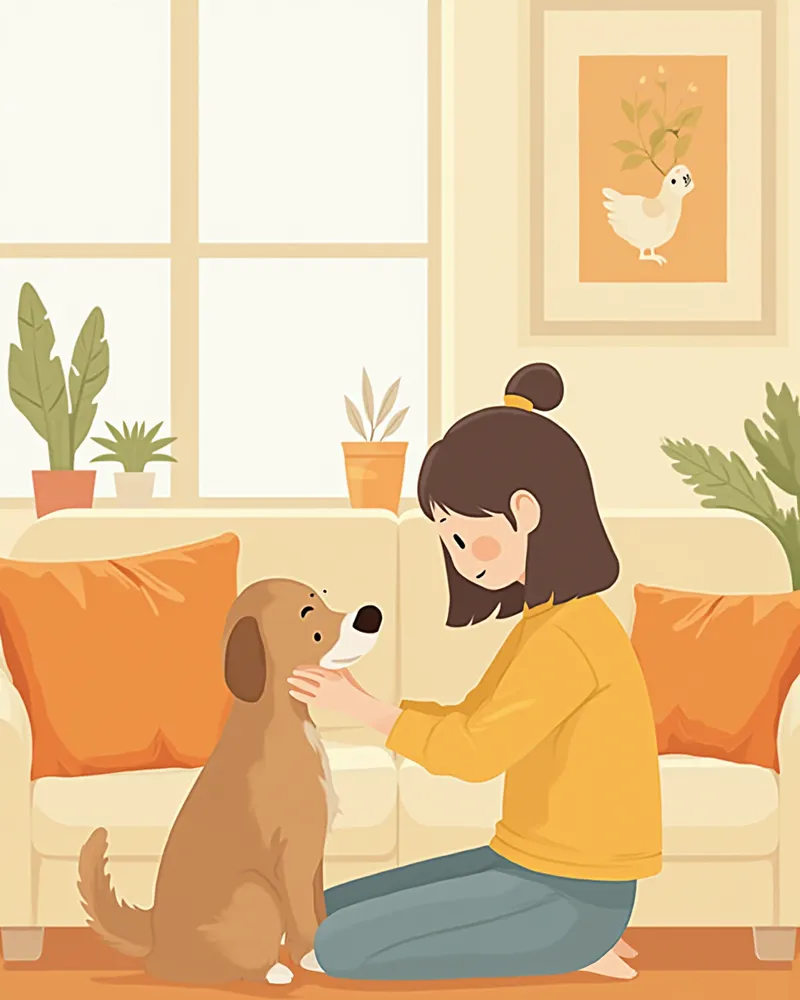
An image of a dog that makes you ponder whether to choose a pet hotel or a pet sitter.
When deciding where and how to care for your pet while you’re away, comparing pet hotels and pet sitters is all about choosing the right type of care. What truly matters isn’t the cost, but your pet’s personality, health status, and level of separation anxiety. If your pet gets stressed easily in unfamiliar environments, a pet sitter who can care for them in their familiar home may be the better choice. On the other hand, if your pet is social and gets along well with other animals, a professional pet hotel might be more suitable.

Key Differences at a Glance

Pet hotels manage multiple animals together in a specialized facility, while pet sitters provide one-on-one care either at your home or theirs. Both options have distinct pros and cons, so rather than asking “which is better,” it’s more helpful to consider “which is right for my pet.” Compare the two side by side using the table below.

Pet Hotel vs. Pet Sitter: Item-by-Item Comparison

ItemPet hotelIn-home pet sitterHost-home pet sitter
LocationProfessional facilityYour homeSitter's home
Care approachManaging many at once1:1 or a few1:1 or a few
Environmental stressCan be highLowestModerate
Emergency responseMany on-site staffLimited outside visit hoursAvailable at all times
Contact with other animalsFrequentNonePossible
CCTV / real-time monitoringProvided in most casesLimitedLimited
Price range (per night)Relatively highModerateModerate to low

Costs and conditions vary greatly depending on the facility, region, and size of the pet. Be sure to confirm individually before signing a contract.

Must-Check Items Before Care Begins

Before leaving your pet, you must provide written documentation of their vaccination records, recent health check-up results, current medications and dosages, and any known allergies. For pets with heart disease, diabetes, or other chronic conditions, it is essential to share an emergency response plan with the sitter or hotel staff in advance. Even with the best facilities and sitters, a lack of information can lead to delayed responses in critical situations.

Pets Better Suited for Pet Hotels

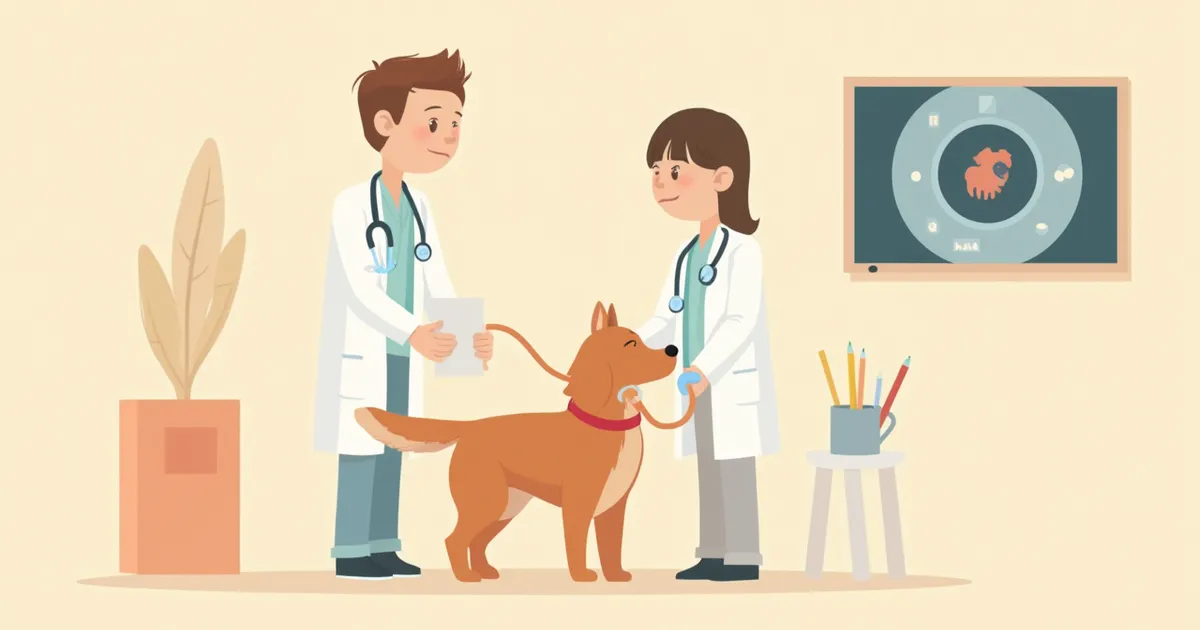
A pet hotel is a great option if your pet meets the following criteria: - Socialization: Gets along well with other animals and shows no aggression - Health Status: Has no chronic conditions and is up to date on core vaccinations - Separation Anxiety: Low or manageable through training - Extended Absence: You’ll be away for three days or more - Emergency Care: You prefer facilities with on-site staff and partnerships with veterinary clinics Professional facilities offer 24-hour staffing and separate hygiene and isolation areas.
A dog resting comfortably at a pet hotel.

Pets Better Suited for Pet Sitters

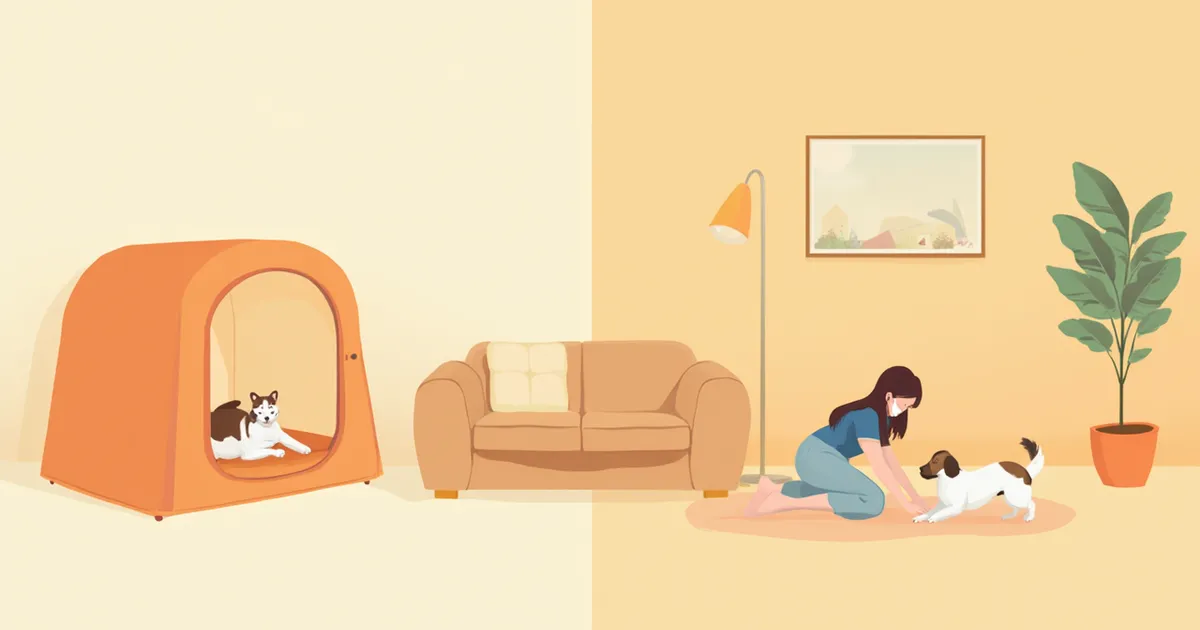
Conversely, a pet sitter may be the safer choice if your pet fits any of the following conditions: - Senior or ill pets: Those prone to significant stress in unfamiliar environments - Chronic conditions: Pets requiring time-sensitive medication, such as insulin or anti-seizure drugs - Severe separation anxiety: Pets that refuse food and water in unfamiliar spaces - Timid temperament: Pets fearful of other animals - Cats: As territorial animals, they can experience significant stress from travel and environmental changes Maintaining their usual routine in a familiar home can help reduce stress-related issues like loss of appetite or diarrhea. However, since individual reactions vary, it is always safest to consult your veterinarian in advance for pets with chronic conditions or those requiring precise medication schedules, regardless of the care arrangement.
An elderly dog spending time with a pet sitter at home

Checkpoints for Choosing a Good Pet Hotel or Pet Sitter

Before making your choice, be sure to check the following items: - Facility and sitter qualifications: Relevant experience such as certified pet care specialists or veterinary technicians - Vaccination verification process: Facilities that require proof of vaccination before admission are safer - CCTV and photo updates: Whether they provide real-time monitoring one to two times a day - Emergency partner clinics: Whether they are connected to a veterinary clinic available 24 hours a day for emergencies - Contract and compensation clauses: Whether the scope of liability in case of an accident is clearly stated - Trial boarding: Whether they allow a trial stay of half a day to one night before long-term boarding If two or more of these points are unclear, it is best to look for another option.

Care Facilities and Sitters to Avoid

Avoid any facility that doesn’t require vaccination records, refuses in-person consultations, or tries to proceed with only a verbal agreement without a written contract. Also, steer clear of places that house multiple animals in one space without a quarantine area, or of individual sitters with no training or qualifications. If the price seems too good to be true, be sure to verify their staffing and hygiene standards.

Why Pet Sitters Are More Recommended for Cats
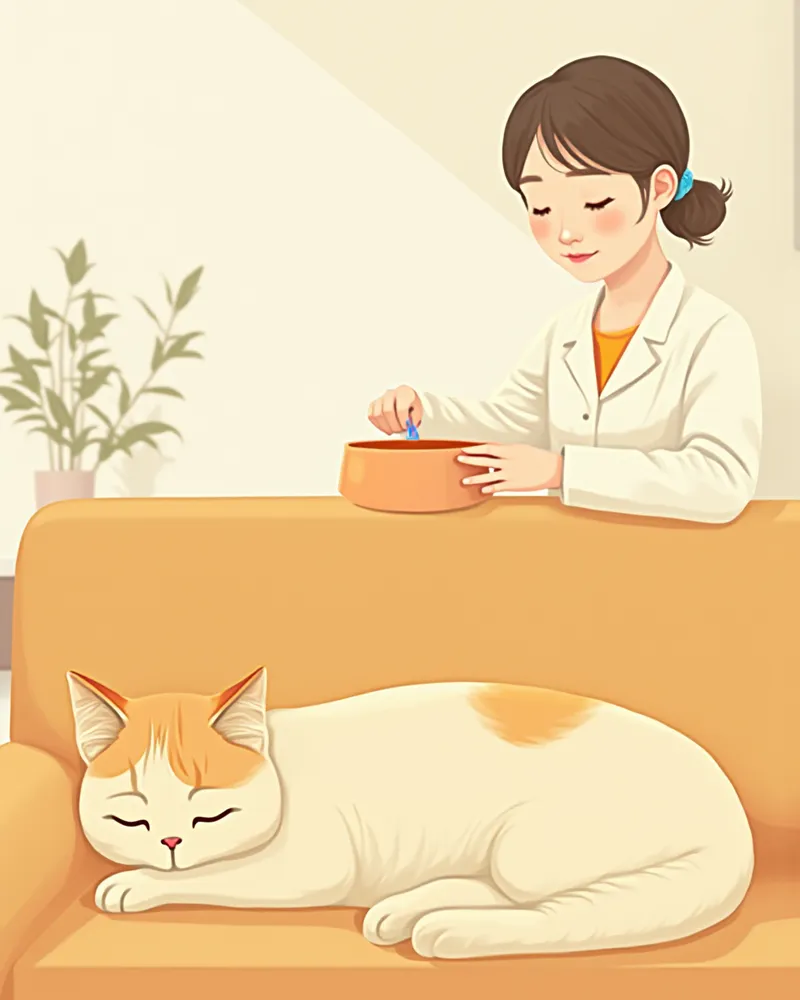
Cats are territorial animals, so changes to familiar scents and spaces can cause significant stress. Environmental changes and stress can lead to health issues such as loss of appetite, stress-related bladder problems, and increased strain on the liver, so caution is advised. However, individual responses vary widely, so not all cats will exhibit the same symptoms. Therefore, whenever possible, keeping your cat in their familiar home environment and maintaining their usual routine can help reduce stress. If you must use a boarding facility, choose a cat hotel with separate, dedicated cat areas, and consult your veterinarian in advance if your cat has any underlying health conditions.
A cat receiving care from a pet sitter at home

Reviewed by a veterinarian

Dr. Tony — Punnawat Phongkittirak

Dr. Tony — Punnawat Phongkittirak

Veterinarian

A veterinarian who majored in veterinary medicine at Khon Kaen University, Thailand, and completed the IVSA program at North Carolina State University in the United States. Drawing on clinical experience at animal hospitals, he works in the pet healthcare field and is dedicated to building a digital care environment that connects pet parents with veterinarians.

Frequently Asked Questions

What vaccinations should I verify before leaving my pet at a boarding facility?
For dogs, check that they are up to date on the DHPPL combination vaccine, kennel cough vaccine, and rabies vaccine. For cats, verify that the FVRCP combination vaccine and rabies vaccine are current. Some boarding facilities may also require an influenza vaccine. It is safest to wait at least two weeks after vaccination before checking in.
Is it safe to give your house keys to a pet sitter?
Be sure to verify that the facility has a signed contract, proper identification on file, and liability insurance. Additional safety measures include using a digital door lock with a temporary password and recording visit times via CCTV. It’s a good idea to start with a half-day trial visit for your pet’s first time.
My child has severe separation anxiety. What would be the best approach to help?
Having a pet sitter visit your home is the least stressful option, as your pet remains in a familiar environment. However, it’s better to have the sitter stay for longer periods rather than making short visits two to three times a day. For pets with severe separation anxiety, it’s safest to consult with a veterinarian before boarding and combine medication with behavior modification training.
How much does the cost difference between a pet hotel and a pet sitter amount to?
Costs vary depending on location, facility, and the size of your pet, so there’s no one-size-fits-all answer. Typically, in-home pet sitters charge per visit, while pet hotels charge per night. If you’re looking into long-term boarding (five days or more), be sure to ask in advance about any discounted packages.
Can I leave my pet with chronic conditions (such as diabetes or heart disease) in your care?
While it may be possible, you must confirm whether medication administration is allowed, which emergency partner clinics are available, and whether a veterinary technician is on-site. For care requiring precise timing, such as insulin injections, it is safer to choose an experienced pet sitter or a hotel affiliated with a veterinary clinic. Please consult your primary veterinarian first.

Share

Related Guides

References

[1] Overall, K.L., Manual of Clinical Behavioral Medicine for Dogs and Cats, 2013

[2] Horwitz, D.F., Mills, D.S., BSAVA Manual of Canine and Feline Behavioural Medicine, 2nd Ed, 2009

[3] American Veterinary Medical Association(AVMA), Boarding Your Pet Guidelines

This information is based on veterinary literature and does not replace diagnosis or treatment. Please consult a veterinarian for specific health concerns.

Metapet Co., Ltd. | CEO: Park Sung-yong | Business Reg. No. 417-88-02562 | Seoul, South Korea | Customer Center

Pet Hotel vs Pet Sitter: Which Care Is Right for You? | Meongsiljang