Like
Share
멍실장
고양이 신장 처방식 비교 — Hill's k/d vs Royal Canin Renal vs Purina NF

Comparing Cat Renal Prescription Diets — Hill’s k/d vs Royal Canin Renal vs Purina NF

KidneyComparisonsMeongsiljang Veterinary Advisory Board

We compare the nutritional formulations of the three leading prescription renal diets for cats—Hill’s k/d, Royal Canin Renal, and Purina NF—and guide you in selecting the most suitable option for your cat based on their IRIS stage.

What Are Cat Renal Prescription Diets?
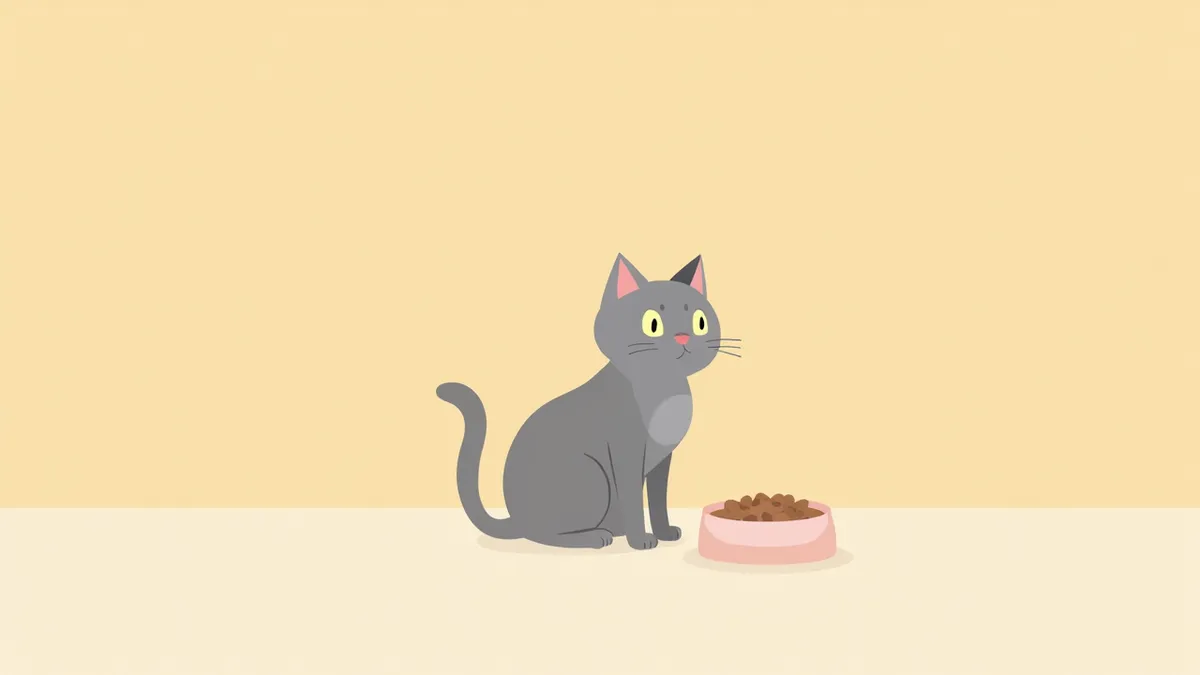
An elderly cat sitting next to a bag of kidney prescription food
Prescription renal diets for cats are formulated by veterinarians to slow the progression of chronic kidney disease (CKD) by carefully adjusting protein, phosphorus, and sodium levels. The key point is that these are not simply "low-protein" foods; they are comprehensive management diets that reduce phosphorus (P)—which places a burden on the kidneys—below levels found in standard maintenance diets, while adding omega-3 fatty acids, antioxidants, and potassium. Veterinary textbooks describe renal prescription diets as those that, on an equal calorie basis, lower protein, phosphorus, and sodium while increasing omega-3 and antioxidant components. Hill's k/d, Royal Canin Renal, and Purina NF are the three most commonly prescribed brands in Korea. Since they differ in nutritional design and palatability, you should choose the one that best fits your cat's eating preferences and IRIS kidney disease stage.

The Key Difference Between Standard Food and Renal Prescription Diets

Unlike standard adult cat food, renal prescription diets are formulated to reduce protein, phosphorus, and sodium content while maintaining the same caloric density (per 100 kcal). The key is not simply reducing the quantity of protein, but using high-quality protein with high biological value for better digestibility and absorption, thereby avoiding excessive restriction. Severely limiting protein can lead to nutrient deficiencies such as muscle loss and hypoalbuminemia, so moderate restriction is recommended. Phosphorus places stress on damaged kidneys, so limiting it helps slow disease progression. These diets also include omega-3 fatty acids (EPA and DHA), antioxidants, and alkalinizing agents like citrate to manage kidney inflammation and acidosis.

Nutritional Comparison of Hill’s k/d, Royal Canin Renal, and Purina NF

ItemHill's k/dRoyal Canin RenalPurina NF
Protein28.5%23.0%29.0%
Phosphorus (P)0.50%0.43%0.55%
Sodium0.30%0.32%0.30%
Omega-3 (EPA·DHA)0.79%0.83%0.45%
Potassium0.85%0.85%0.95%
Calories481 kcal/cup432 kcal/cup461 kcal/cup
FormDry food, cannedDry food, canned, pouchDry food, canned
Recommended IRIS StageStages 2–3Stages 2–4Stage 2

Based on each brand's official Korean website nutrient tables, confirmed May 2026. Figures may vary slightly depending on the product (ingredients/flavor) within the same line. According to veterinary textbooks, renal prescription diets are generally recommended for IRIS Stages 2–4.

Hill’s k/d — The Longest-Standing Standard, Balanced Formulation

Hill’s k/d is the longest-standing brand in the renal prescription diet market, featuring 28.5% protein and 0.50% phosphorus, which is relatively high among the three products compared. Its balanced formulation lowers phosphorus without excessively restricting protein, making it well-suited for cats with good appetites who need to maintain their weight, such as those in the earlier stages like IRIS Stage 2. Veterinary textbooks recommend renal prescription diets for cats in IRIS Stages 2 through 4. With 0.79% omega-3 fatty acids, it also offers potential benefits in suppressing kidney inflammation. The small kibble size is easy for senior cats to chew, and the wet food lineup offers a variety of flavors, including chicken, fish, and beef, allowing even picky eaters to adapt quickly.
Close-up of kibble from a prescription renal diet for cats

Royal Canin Renal — Low Phosphorus, High EPA Formulation for Advanced Stages

Royal Canin’s kidney prescription diet has the lowest protein content at 23% and the lowest phosphorus level at 0.43% among the three products, making it a common choice for cats in advanced IRIS stages 3–4, where kidney burden is significant. With the highest EPA and DHA content at 0.83%, it offers potential anti-inflammatory benefits. Its biggest advantage is the variety of options available. There’s “Renal Special” for senior cats with poor appetite, “Early Stage” for earlier kidney issues, and a wide range of forms and flavors including cans, pouches, and dry food, making it easier to find a suitable option even for picky cats. However, due to its lower protein content, underweight cats should be monitored for weight changes.

Purina NF — High-Protein, High-Potassium Cost-Effective Option

Purina NF (Kidney Function) has the highest protein content of the three products at 29%, making it beneficial for nutritional support in senior cats experiencing decreased appetite and weight or muscle loss. Although its phosphorus level of 0.55% is slightly elevated, it is suitable for use in relatively early stages, such as IRIS Stage 2, where renal prescription diets are recommended. A key feature is its highest potassium content at 0.95%, which is advantageous for cats with chronic kidney disease (CKD) who are prone to potassium loss through diuresis; veterinary textbooks actually recommend potassium supplementation for CKD patients. Additionally, it is the most affordable of the three, reducing the financial burden of long-term feeding. However, the domestic canned lineup is somewhat less varied compared to the other two brands.
A caregiver gently stroking their senior cat while providing attentive care

Always Start Prescription Diets After a Veterinarian’s Diagnosis

Renal prescription diets are intentionally formulated with lower levels of protein and phosphorus, so feeding them to healthy cats over the long term can actually lead to protein deficiency. It is essential to confirm the IRIS stage (1–4) through blood tests (SDMA, creatinine, BUN) and urinalysis (urine specific gravity, UPC) before starting this diet. Additionally, cats often refuse food when switched abruptly from their current diet, so a gradual transition over 7–10 days, increasing the new food by 25% each step, is the standard approach. If your cat’s appetite decreases, try switching to a wet food format, such as cans or pouches, or experiment with a different brand.

How to Choose the Right Product for Your Cat
- Early Stage 2 (IRIS): A good starting point is Hill’s k/d or Purina NF, both of which offer good palatability and high-quality protein. Renal prescription diets are typically recommended starting at IRIS Stage 2. - Advanced Stages 3–4 (IRIS): Royal Canin’s renal prescription diet, which has the lowest phosphorus content and is rich in omega-3 fatty acids, can be beneficial. - Senior cats with inconsistent appetites: Royal Canin offers the widest variety of wet food options, including cans and pouches, giving you more choices to suit your cat’s preferences. - When long-term feeding costs are a concern: Purina NF is the most affordable option and a practical choice. For cats who get bored eating the same food, alternating between dry and wet foods within the same brand can help maintain their appetite.
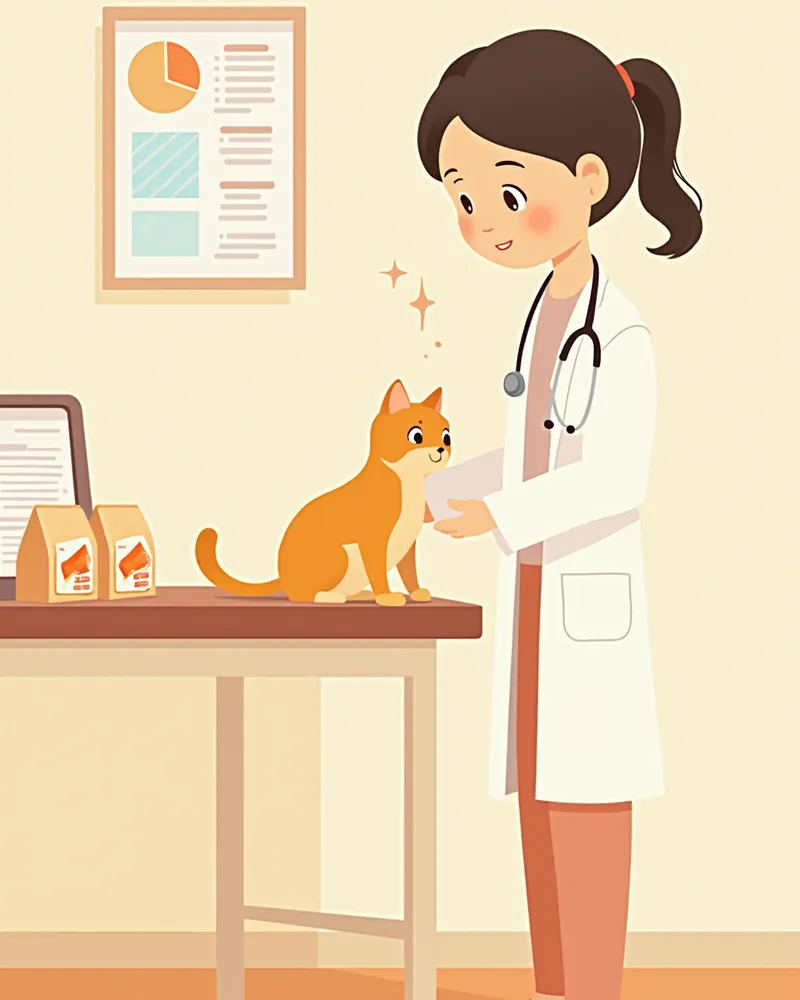
A veterinarian consulting with a pet owner about a prescription diet tailored to the cat’s stage of kidney disease.

Reviewed by a veterinarian

Dr. Tony — Punnawat Phongkittirak

Dr. Tony — Punnawat Phongkittirak

Veterinarian

A veterinarian who majored in veterinary medicine at Khon Kaen University, Thailand, and completed the IVSA program at North Carolina State University in the United States. Drawing on clinical experience at animal hospitals, he works in the pet healthcare field and is dedicated to building a digital care environment that connects pet parents with veterinarians.

Frequently Asked Questions

Do I need to feed my pet a kidney prescription diet for the rest of its life?
Chronic kidney disease is a progressive condition, so once diagnosed, it’s essential to maintain a prescription diet for life. Switching back to regular pet food can increase the burden of protein and phosphorus on the kidneys, potentially accelerating kidney damage. Under your veterinarian’s guidance, continue feeding the appropriate prescription diet based on the stage of the disease.
What should I do if my pet refuses to take its prescribed medication?
Gradual transition over 7 to 10 days is the first principle. If your cat still refuses the new food, try switching to a canned or pouch product from the same brand, or experiment with a different brand. If they continue to reject it, consult your veterinarian about using a senior cat food with high-quality protein as a backup option. Starving your cat is the most dangerous approach.
Is a prescription diet alone sufficient, or should I also give my pet medication?
If the kidney disease is at IRIS stage 2 or higher, medications such as phosphate binders (e.g., aluminum hydroxide), antihypertensives (e.g., amlodipine), and treatments for anemia are often added to the prescription diet. Think of the prescription diet as the foundation of management, with medications added according to the disease stage. Your veterinarian will make the final decision based on regular blood test results.
Can I give regular treats alongside prescription food?
Regular treats are high in phosphorus and sodium, so we don’t recommend them. A safer option is to offer kidney-specific treats or slightly warmed prescription canned food as a treat. Human foods—especially salty items like anchovies, cheese, ham, and bonito flakes—are very high in phosphorus and sodium and should be strictly avoided.
Can I mix three different brands of food together?
Switching between different prescription diets within the same category is possible, but sudden changes can cause gastrointestinal upset. It’s safer to stick with one brand as the main diet and occasionally mix in cans from another brand when your pet’s appetite drops. It’s best to consult your veterinarian to determine the appropriate mixing ratio.

Share

Related Guides

References

[1] Susan Little, The Cat: Clinical Medicine and Management, 2nd Edition, Chapter 35 Urinary Tract Disease, 2022

[2] Drobatz, Hopper, Rozanski, Silverstein, Small Animal Critical Care Medicine, 3rd Edition — Chronic Kidney Disease (Langston, Eatroff), 2022

[3] IRIS (International Renal Interest Society) CKD Staging Guidelines, 2023 Revision

This information is based on veterinary literature and does not replace diagnosis or treatment. Please consult a veterinarian for specific health concerns.

Metapet Co., Ltd. | CEO: Park Sung-yong | Business Reg. No. 417-88-02562 | Seoul, South Korea | Customer Center

Cat Renal Diets — Hill's k/d vs Royal Canin vs Purina NF | Meongsiljang