Like
Share
멍실장
비숑 vs 말티즈 비교 — 성격·건강·관리 총정리

Bichon Frise vs Maltese Comparison — Temperament, Health, and Care Summary

ImmunityComparisonsMeongsiljang Veterinary Advisory Board

We’ll help you choose the right breed for your home by comparing the Bichon Frise and Maltese based on veterinary evidence—covering temperament, coat care, common health issues, and immune vulnerabilities.

Bichon Frise vs Maltese: Which Breed Is Right for Your Home?

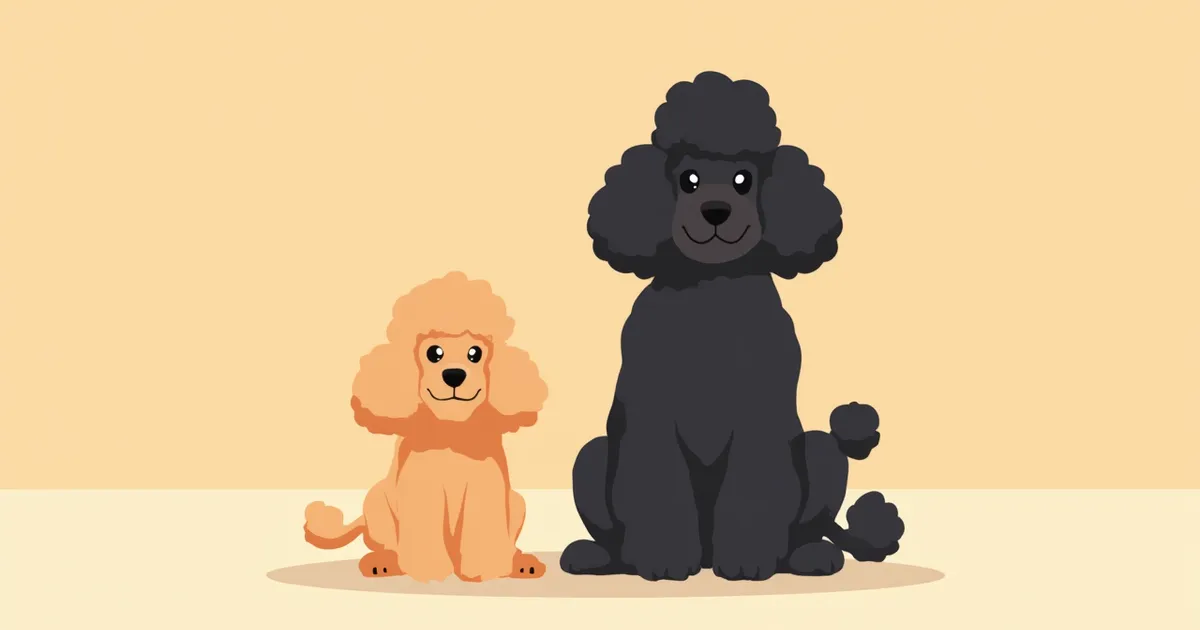
A Bichon Frise and a Maltese sitting side by side in the living room.
Bichon Frises and Maltese are both small white-coated dogs, but they differ significantly in body type, coat texture, temperament, and common health issues. What truly matters is that their distinct health vulnerabilities require different care approaches. If you prefer a playful dog with a curly coat and high energy, the Bichon Frise may be a better fit. If you’re looking for a calmer companion that thrives in indoor living, the Maltese is often the more suitable choice.

Let’s Start with Body Type and Appearance Differences

Bichon Frises are characterized by their round, chubby faces and curly, cotton-candy-like coats. Adult Bichons typically weigh between 5 and 8 kg. Maltese dogs, on the other hand, are smaller and more slender, with long, silky, straight coats. Adult Maltese usually weigh around 3 to 4 kg, making them a size category smaller than Bichons. While pure white is the standard coat color for both breeds, their coat textures are completely different, which also means their grooming methods differ.

Bichon Frise vs Maltese at a Glance

ItemItemBichon FriseMaltese
Adult WeightItem5–8kg3–4kg
Coat TextureItemCurly double coatSilk-like single coat
SheddingItemLowVery low
Activity LevelItemHighModerate
SociabilityItemVery outgoingOwner-attached
Barking TendencyItemModerateRelatively high
Average LifespanItem13–15 years12–15 years

There is individual variation; this is based on general breed characteristics.

Temperament and Lifestyle Patterns Differ Significantly

Bichons are highly sociable and generally get along well with strangers and other dogs. They’re full of energy and need two walks a day, each lasting 20–30 minutes. Maltese, on the other hand, tend to form strong bonds with their owners and are often “one-person dogs.” They’re more prone to separation anxiety than Bichons and may react sensitively to unfamiliar people or noises, leading to frequent barking. Households where the dog will be left alone for long periods should consider this breed carefully.
A comparison of the daily routines of an active Bichon Frise and a calm Maltese

Common Health Issues Vary Quite a Bit

It’s wise to keep in mind health issues commonly seen in small breeds, such as patellar luxation and myxomatous mitral valve disease (MMVD). However, the most important step for these cardiac and joint conditions is to monitor their progression through regular veterinary check-ups. Skin disease predispositions vary by breed; veterinary dermatology textbooks list the West Highland White Terrier, Boxer, Bulldog, and Bull Terrier as breeds with a higher reported incidence of atopic dermatitis. Since the Bichon Frise and Maltese are not necessarily included on that list, it’s best to evaluate issues like allergic dermatitis, cataracts, and urinary tract stones based on each individual dog’s symptoms rather than making definitive assumptions. Regarding liver health, a predisposition to portosystemic shunts (PSS) and portosystemic vascular anomalies (PVH) has been reported in both Bichon Frises and Maltese, and these conditions are particularly well-documented in Yorkshire Terriers and Maltese. Additionally, Maltese are relatively commonly noted for hydrocephalus, periodontal disease, and tear staining (due to tear duct abnormalities).

Key Points to Watch for in Both Breeds

Some small-breed dogs, including Maltese, have been reported to be at risk for vaccination site reactions (vasculitis). According to veterinary dermatology textbooks, injection-site vasculitic skin lesions are more commonly reported in Lhasa Apsos, Maltese, Pekingese, Pomeranians, Poodles, and Yorkshire Terriers. Although Bichon Frises are not listed among the high-risk breeds in the textbook, if either breed develops scabs, hair loss, or red spots at the injection site within a few days after vaccination, please be sure to inform your veterinarian.

Comparison Points: Immune and Skin Characteristics

Bichons have curly coats that limit airflow, making skin care especially important. According to veterinary dermatology textbooks, Malassezia can act as an allergen in some dogs with atopic dermatitis, so diagnosis should be based on skin cytology and clinical signs. Maltese dogs have a single coat that’s easy to manage, but their delicate eye area skin makes them prone to tear staining and pigmentation. For both breeds, it’s important to consult a veterinarian early if you suspect skin issues or allergic reactions.
Grooming the curly coat of a Bichon Frise and the silky fur of a Maltese.

Grooming and Daily Care Also Require Different Approaches

Bichons have curly coats that tangle easily, so they require daily brushing for five minutes and professional grooming every four to six weeks. While their hair doesn't shed much, tangles can develop quickly. Maltese dogs have a single coat layer, which means less shedding, but daily wiping of tear stains and brushing two to three times a week are essential. Many owners opt for the shorter "summer cut" style, which is easier to maintain. Both breeds have small, closely spaced teeth, so brushing their teeth at least three times a week is a must.

Neurological Signs Maltese Owners Should Especially Watch For

Hydrocephalus, a condition in which cerebrospinal fluid accumulates excessively within the brain, is often cited as one of the neurological disorders in Maltese dogs. If your dog has a bulging skull, spins in circles for no apparent reason, presses its head against walls, or suddenly experiences seizures, immediate veterinary care is essential. Veterinary textbooks also classify structural brain diseases like hydrocephalus as potential causes of seizures. Therefore, symptoms such as circling, head pressing, and seizures should be taken seriously as indicators of possible brain dysfunction. It is important to carefully monitor your dog’s behavior and physical condition to detect signs of neurological issues early.

Which Breed Fits Which Household Best?

- Ideal homes for Bichons: Families who enjoy regular walks, have children or other pets, and can dedicate time to grooming. - Ideal homes for Maltese: Families with an indoor-focused lifestyle, who can spend extended time with their dog, and prefer a quiet environment. For both breeds, feeding small-breed-specific food and managing weight to support joint and heart health are the foundations of lifelong wellness.

Reviewed by a veterinarian

Dr. Tony — Punnawat Phongkittirak

Dr. Tony — Punnawat Phongkittirak

Veterinarian

A veterinarian who majored in veterinary medicine at Khon Kaen University, Thailand, and completed the IVSA program at North Carolina State University in the United States. Drawing on clinical experience at animal hospitals, he works in the pet healthcare field and is dedicated to building a digital care environment that connects pet parents with veterinarians.

Frequently Asked Questions

Between the Bichon Frise and the Maltese, which breed sheds less?
Both breeds are considered low-shedding, but the Maltese, with its single-layer coat, tends to shed slightly less than the Bichon Frise. However, regular detangling is essential to keep their coats healthy and tangle-free.
What are the characteristics of a Bichon Maltese (mixed breed)?
A mixed-breed dog resulting from crossing a Bichon Frise and a Maltese (distinct from a Maltipoo) exhibits a blend of traits from both parent breeds. Since coat texture, temperament, and body size can vary significantly from one individual to another, it is important to have thorough health check-ups.
Do both breeds suffer from severe separation anxiety?
Maltese dogs tend to have a stronger predisposition to separation anxiety compared to Bichon Frises. Bichons are generally more sociable and adapt more easily to being left alone.
Should both pets be monitored for heart disease?
Yes, small-breed dogs are generally at risk for mitral valve insufficiency. It is important to detect any abnormalities early through regular cardiac auscultation. We recommend consulting with your veterinarian to determine the appropriate screening schedule and when to begin.
Which breeds tend to have more severe tear staining?
Maltises typically show more prominent tear stains. While Bichons can develop them too, the thicker fur around their eyes tends to make the discoloration less noticeable.

Share

Related Guides

References

[1] BSAVA Manual of Canine and Feline Dermatology, 4th Edition

[2] Textbook of Cardiovascular Medicine in Dogs and Cats

[3] The Dog Care Handbook: Things I Wish My Vet Had Told Me

This information is based on veterinary literature and does not replace diagnosis or treatment. Please consult a veterinarian for specific health concerns.

Metapet Co., Ltd. | CEO: Park Sung-yong | Business Reg. No. 417-88-02562 | Seoul, South Korea | Customer Center

Bichon Frise vs Maltese: Temperament, Health & Care | Meongsiljang