Like
Share
멍실장
토이푸들 vs 스탠다드 푸들 비교

Toy Poodle vs. Standard Poodle Comparison

ImmunityComparisonsMeongsiljang Veterinary Advisory Board

Toy Poodles and Standard Poodles belong to the same breed family, but they differ significantly in size, health risks, and care requirements. Here’s a summary of the key differences you should know before adopting.

Toy Poodle vs. Standard Poodle: What’s the Difference?
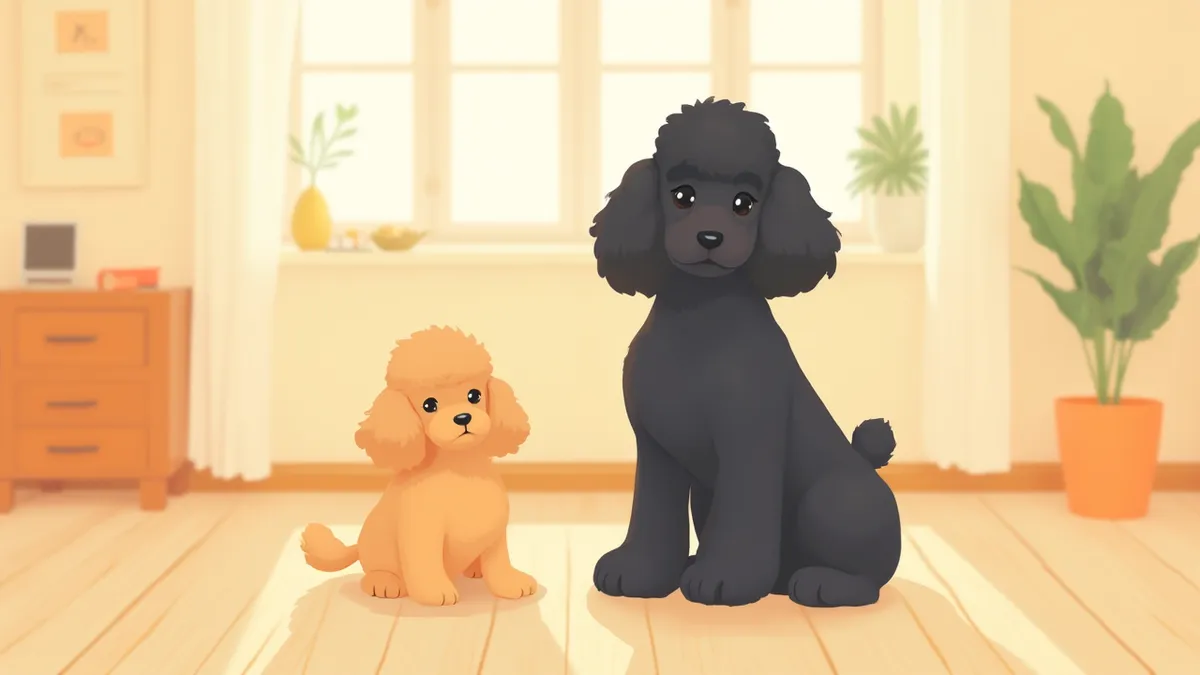
A Toy Poodle and a Standard Poodle sitting side by side in the living room
Toy Poodles and Standard Poodles are size variants within the same Poodle breed. The key point is that the difference in body size significantly affects their energy and exercise needs, as well as orthopedic care requirements. As small dogs, Toy Poodles are more prone to joint issues commonly seen in smaller breeds, such as patellar luxation, so attention should be paid to these concerns. On the other hand, Standard Poodles, being large dogs, require more attention to skeletal development and orthopedic conditions, especially involving the hips. Before adopting, it’s important to assess your living environment and your ability to provide appropriate care.

Basic Differences in Size and Body Type

Poodles are internationally classified into four varieties: Standard, Medium, Miniature, and Toy. In Korea, the most commonly seen are Toy Poodles and Standard Poodles. Although their skeletal structures are similar, the weight difference between them can be as much as 6 to 8 times, leading to completely different joint loads and metabolic rates. Size is not just a matter of appearance; it is a key factor that determines lifespan, disease risk, diet, and exercise needs.

Quick Comparison of Basic Specs

ItemToy PoodleStandard Poodle
Average Height24–28cm45–60cm
Average Weight2–4kg20–32kg
Average Lifespan12–15 years10–13 years
ClassificationSmall breedLarge breed
Daily Exercise30–45 minutesAt least 60 minutes (adjust based on individual, age, and health status)
Coat CareBrushing 2–3 times/weekBrushing 3–4 times/week

There is individual variation; these are average benchmarks.

Health Risks — How Size Changes the Disease Landscape
Poodles require special attention to genetic and developmental conditions due to breed characteristics, and the relatively common health concerns vary depending on their size. - Toy Poodles and other small breeds: Joint issues such as patellar luxation are more frequently reported in smaller dogs. - Standard Poodles and other large breeds: Orthopedic conditions related to skeletal and joint development, including hip dysplasia, require careful monitoring. - Common concerns regardless of size: Skin allergies, ear problems (outer and middle ear), eye-related diseases, and periodontal disease are commonly discussed. Because body weight and skeletal structure differ, health care priorities should vary even within the same breed. The most accurate way to determine specific health conditions is through regular check-ups and veterinary examinations.
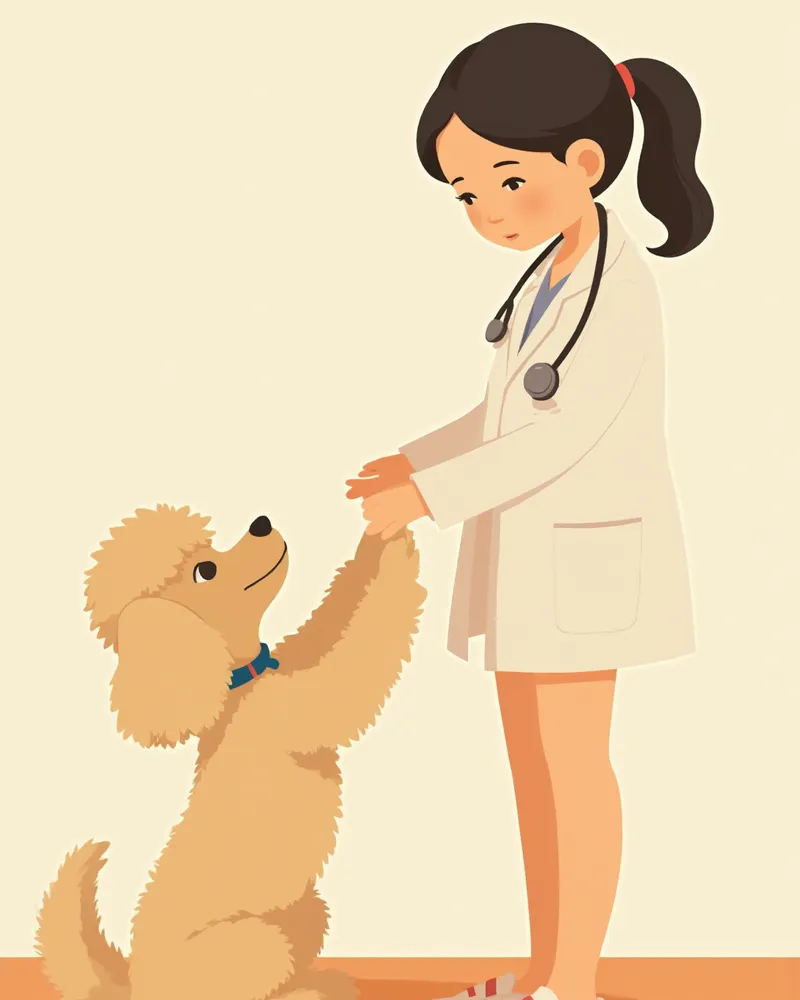
A veterinarian examining a Poodle’s leg at the animal hospital

What to Check Before Adopting a Standard Poodle

Large breeds like the Standard Poodle require extra attention to diet and exercise during their growth phase due to their size. For large-breed puppies, slow, controlled growth is essential for skeletal health, while excessive calcium or energy intake can actually harm bone development. Avoid feeding large meals all at once or allowing vigorous exercise immediately after eating. Instead, consult your veterinarian in advance to determine the appropriate portion sizes and exercise intensity. If you notice sudden abdominal distension, repeated unproductive retching, or other acute symptoms that differ from normal behavior, seek emergency veterinary care immediately.

Differences in Exercise Needs and Energy Levels
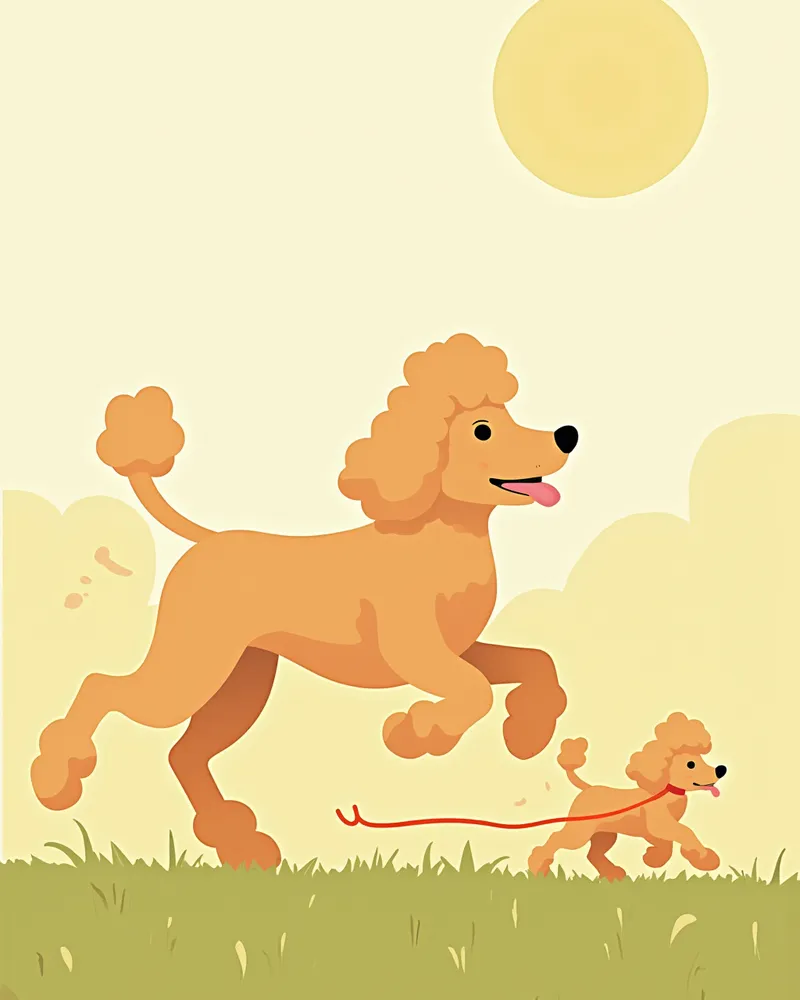
Both Poodles are intelligent and active, but their energy expenditure needs differ. - Toy Poodle: Indoor play plus 30–45 minutes of daily walks is sufficient. Because they are prone to joint stress, jumping and stairs should be limited. - Standard Poodle: They require at least 60 minutes of activity per day, though the exact amount may vary depending on age and health. They enjoy full-body exercises like swimming, running, and nose work. - Common traits: Exercise alone is not enough to prevent behavioral issues; mental stimulation is just as important as physical activity. They tend to suffer from separation anxiety, so leaving them alone for long periods can lead to problem behaviors. Insufficient exercise can lead to increased destructive behavior and barking in both varieties.
A Standard Poodle running on the grass and a Toy Poodle going for a walk

Diet and Nutrition Points

Dietary strategies for Poodles vary depending on their size. - Toy Poodle: Due to their small mouths, small-breed kibble with smaller pieces is easier for them to eat. It’s best to divide their daily food into 2–3 meals. Consistent dental care is also important. - Standard Poodle: For large breeds, especially during growth, it’s essential to choose balanced food that doesn’t contain excessive calcium or energy, allowing them to grow at a controlled pace for healthy skeletal development. Divide their daily food into about 2 meals. - General Recommendation: Providing balanced nutrition tailored to their age and health status is fundamental. The exact feeding amount varies based on weight, activity level, and whether the dog is spayed or neutered, so please consult your veterinarian for adjustments.

What Toy Poodle Owners Must Know

Toy Poodles are small dogs with slender bones and light body weight, making them particularly vulnerable to injuries from falls or jumping impacts. Patellar luxation is relatively common in small breeds, so it's a good idea to provide dog-specific steps or barriers to prevent your pet from frequently jumping off sofas or beds. It's also wise for all small dogs to have their patellar condition checked periodically. If you notice your dog limping or carrying one leg, consult your veterinarian for a joint examination.

Personality and Training Difficulty

Poodles are consistently ranked among the smartest dog breeds. However, their personality expression can vary slightly depending on their size. - Toy Poodle: Affectionate and strongly attached to their owner. They tend to be wary of strangers and may bark frequently at unfamiliar sounds. - Standard Poodle: Calm and independent, forming balanced bonds with the entire family. As a large breed, proper socialization is especially important. - Common Traits: Highly intelligent and quick to learn, but they easily get bored, making mental stimulation play essential.

Reviewed by a veterinarian

Dr. Tony — Punnawat Phongkittirak

Dr. Tony — Punnawat Phongkittirak

Veterinarian

A veterinarian who majored in veterinary medicine at Khon Kaen University, Thailand, and completed the IVSA program at North Carolina State University in the United States. Drawing on clinical experience at animal hospitals, he works in the pet healthcare field and is dedicated to building a digital care environment that connects pet parents with veterinarians.

Frequently Asked Questions

Which is healthier, the Toy Poodle or the Standard Poodle?
Toy Poodles, being a small breed, generally have a longer average lifespan (12–15 years vs. 10–13 years). However, since both breeds are prone to genetic disorders, it’s difficult to definitively say one is “healthier” than the other. What matters most is providing care tailored to their living environment.
Which breed is better suited for apartment living?
Considering space and exercise needs, Toy Poodles are better suited for apartment living. Standard Poodles can also be kept in apartments, but they require at least one hour of daily walks and ample room to move around.
Do both poodles shed very little?
Yes, all Poodle-type breeds have a single coat (curly) rather than a double coat, so they tend to shed less. However, their hair is prone to tangling, so regular brushing and grooming every 2-3 months are necessary regardless of their size.
Can a Toy Poodle grow into a Standard Poodle?
No. Toy, Miniature, and Standard are each managed as distinct, fixed bloodlines. If a puppy grows larger than expected, it may be due to Miniature or mixed-breed ancestry.
Which one is better suited for a home with children?
If you have young children, a Standard Poodle may be a more stable choice, as they are larger in size but have a calm and patient temperament. Toy Poodles, being small, are at risk of being accidentally injured by children, so extra caution is necessary.

Share

Related Guides

References

[1] Ettinger's Textbook of Veterinary Internal Medicine, 8th Ed — Breed Predispositions

[2] BSAVA Manual of Canine and Feline Dermatology, 4th Ed — Breed Predisposition

[3] Textbook of Cardiovascular Medicine in Dogs and Cats — Congenital Heart Disease by Breed

This information is based on veterinary literature and does not replace diagnosis or treatment. Please consult a veterinarian for specific health concerns.

Metapet Co., Ltd. | CEO: Park Sung-yong | Business Reg. No. 417-88-02562 | Seoul, South Korea | Customer Center

Toy Poodle vs. Standard Poodle: Key Differences | Meongsiljang