
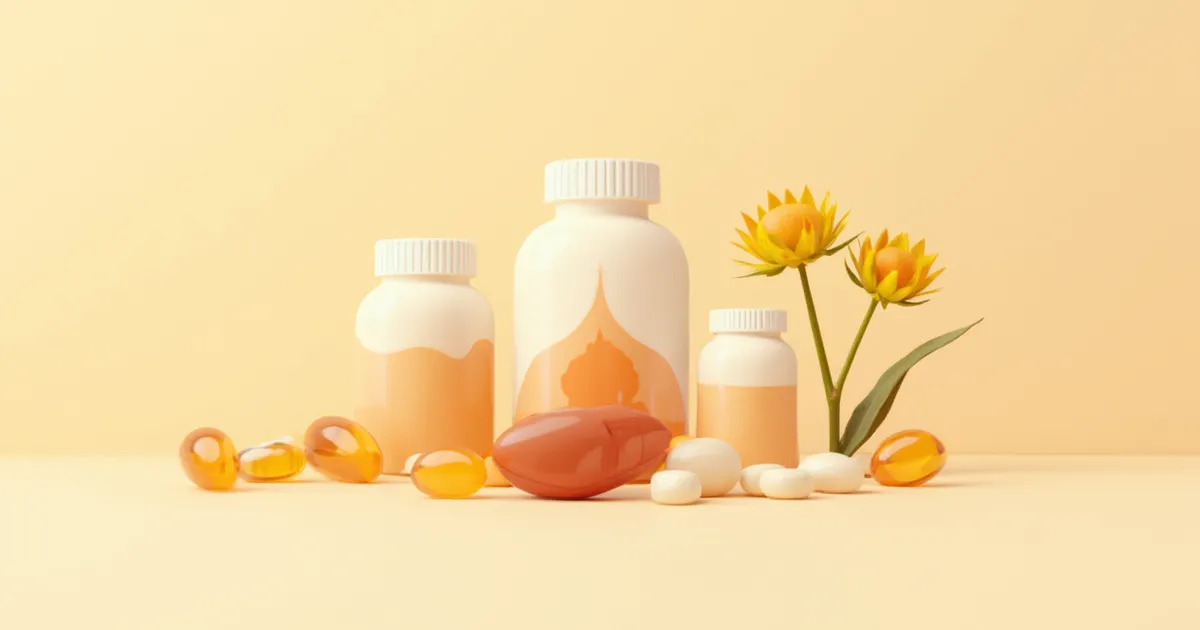
Liver Supplements: SAMe vs. Silymarin vs. UDCA — Which Is Right for Your Pet?
We’ve compared the mechanisms of action and indications for each key ingredient in liver supplements for dogs and cats. We’ve also outlined how to choose the right ingredient based on your pet’s condition.
What Are Liver Supplements?

When Liver Supplements Are Needed
Key Liver Supplement Ingredient Cards
SAMe (S-아데노실메티오닌)
간세포 내 글루타치온 생성 촉진, 세포 회복
Dosage: 체중 1kg당 18~22mg/일, 공복 급여
수의내과학 교과서 권장
실리마린 (Silymarin)
간세포 막 안정화, 독소 유입 차단, 항산화
Dosage: 체중 1kg당 20~50mg/일
엉겅퀴 추출, 장기 복용 안전
우르소데옥시콜산 (UDCA)
담즙 흐름 개선, 담낭 슬러지 감소
Dosage: 수의사 처방 용량 준수
처방약 분류, 자가 급여 금지
비타민 E
지용성 항산화, 세포막 보호
Dosage: 체중 1kg당 10~15 IU/일
L-카르니틴 (L-Carnitine)
지방 대사 촉진, 지방간 예방
Dosage: 소형견 250~500mg/일
콜린 (Choline)
간 내 지방 축적 억제
Dosage: 체중 1kg당 25~50mg/일
At-a-Glance Comparison by Ingredient
| Item | SAMe | Silymarin | Ursodeoxycholic Acid | Vitamin E |
|---|---|---|---|---|
| Main Action | Glutathione production | Cell membrane stabilization | Improves bile flow | Antioxidant |
| Preventive Purpose | True | True | False | True |
| When Liver Values Are Elevated | True | True | True | True |
| Bile Stasis/Gallbladder Problems | False | False | True | False |
| Prescription Status | OTC | OTC | Prescription | OTC |
| Timing of Administration | Empty stomach | Regardless of meal timing | After meals | After meals |
| Long-Term Use Safety | High | High | Under veterinary management | High |
Dosage and timing of administration may vary by manufacturer and body weight, so veterinary confirmation is needed.
SAMe vs. Silymarin: What’s the Difference?

Is Ursodeoxycholic Acid a Supplement or a Medication?
Important Checks Before Feeding Liver Supplements
If your pet’s liver enzymes are already elevated, self-selecting supplements can be dangerous. If the underlying cause is infection, a tumor, toxicity, or a portosystemic shunt, supplements won’t resolve the issue and may even delay diagnosis. If your pet is currently taking steroids, anticonvulsants, or antibiotics, you must also check for potential drug-supplement interactions. Human liver supplements often contain xylitol or high-dose vitamins, which are strictly forbidden for pets. Always consult your veterinarian before starting any new supplement.
Ingredient Selection Guide by Condition
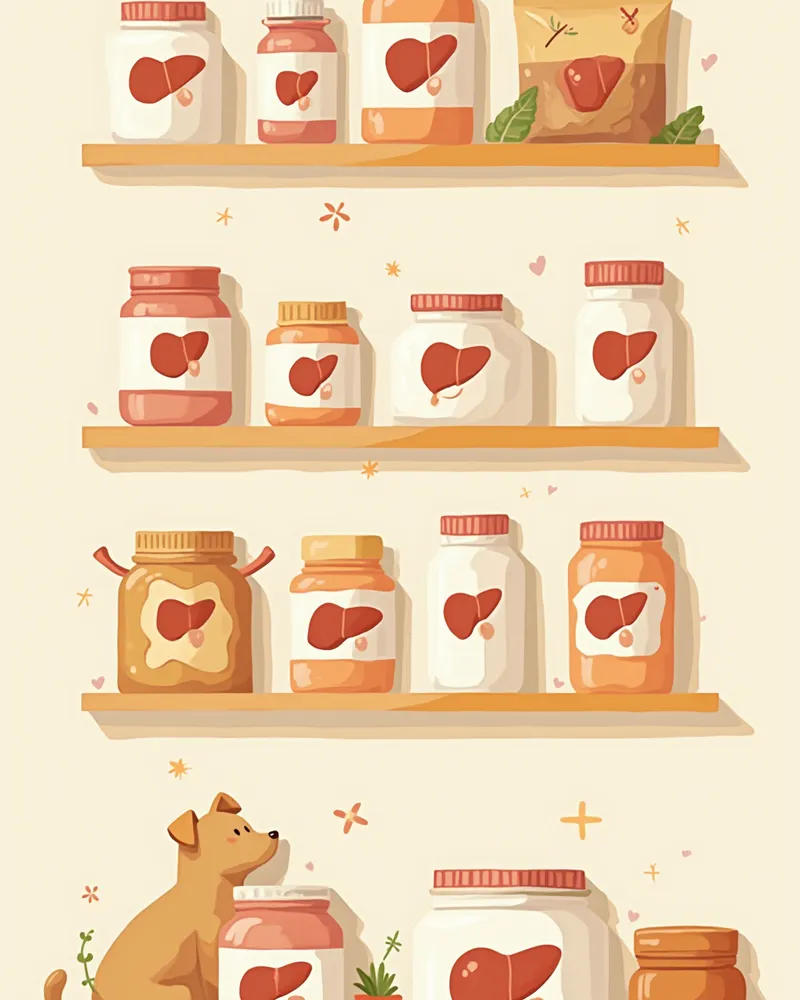
Testing Comes Before Supplements
Before selecting a liver supplement, have your pet’s liver enzymes and overall liver health checked through blood tests. The specific nutrients needed will vary significantly depending on ALT, ALP, albumin, and bile acid levels. If liver enzyme levels have remained elevated for more than six months, an abdominal ultrasound is also recommended. Please remember that supplements only play a supportive role and cannot replace treatment aimed at addressing the underlying cause.
Reviewed by a veterinarian

Dr. Tony — Punnawat Phongkittirak
VeterinarianA veterinarian who majored in veterinary medicine at Khon Kaen University, Thailand, and completed the IVSA program at North Carolina State University in the United States. Drawing on clinical experience at animal hospitals, he works in the pet healthcare field and is dedicated to building a digital care environment that connects pet parents with veterinarians.
Reviewed 2026-04-26
Frequently Asked Questions
Can I give my dog human liver supplements?
How long does it take to see results from liver supplements?
Is it safe to give multiple ingredients at the same time?
Is it beneficial to give it to a healthy pet as a preventive measure?
Can the same ingredients be used for cats?
Share
Related Guides

7 Key Symptoms and Management Essentials for Canine Cholecystitis Recommended by Veterinarians
Top 5 Milk Thistle (Silymarin) Liver Supplements for Dogs — A Comparison Guide Based on Silybin Content and Absorption Rates
Top Prescription Diets for Dogs with Liver Disease and Selection Criteria

Persian vs. Himalayan — Personality, Health, and Care: Which Cat Is Right for Your Home?

Golden Retriever vs Labrador Retriever: The Ultimate Comparison

Toy Poodle vs. Standard Poodle Comparison
Comparison of Senior Comprehensive Supplements

Pet Hotel Rating Comparison Guide — From Premium to Basic

Guide to Comparing Supplement Brands

Royal Canin vs Hill’s vs Purina vs Orijen — Which Brand Is Right for Your Pet, According to Veterinarians?
References
[1] Applied Veterinary Clinical Nutrition, 2nd Ed — Hepatic Disease Nutrition
[2] Plumb's Veterinary Drug Handbook, 9th Ed — S-Adenosylmethionine, Ursodiol, Silybin
[3] Webster CRL, Cooper J. Therapeutic Use of Cytoprotective Agents in Canine and Feline Hepatobiliary Disease. Vet Clin North Am Small Anim Pract. 2009;39(3):631-652.
[4] Center SA. Metabolic, Antioxidant, Nutraceutical, Probiotic, and Herbal Therapies Relating to the Management of Hepatobiliary Disorders. Vet Clin Small Anim. 2004;34:67-172.