Like
Share
멍실장
레스베라트롤 항산화·심혈관 효과

6 Effects of Resveratrol for Pets Noted by Veterinarians — Antioxidant and Cardiovascular Protection

HeartIngredientsMeongsiljang Veterinary Advisory Board

We’ve compiled the veterinary evidence behind resveratrol’s antioxidant and cardiovascular benefits, along with important precautions for feeding it to pets.

What is Resveratrol?
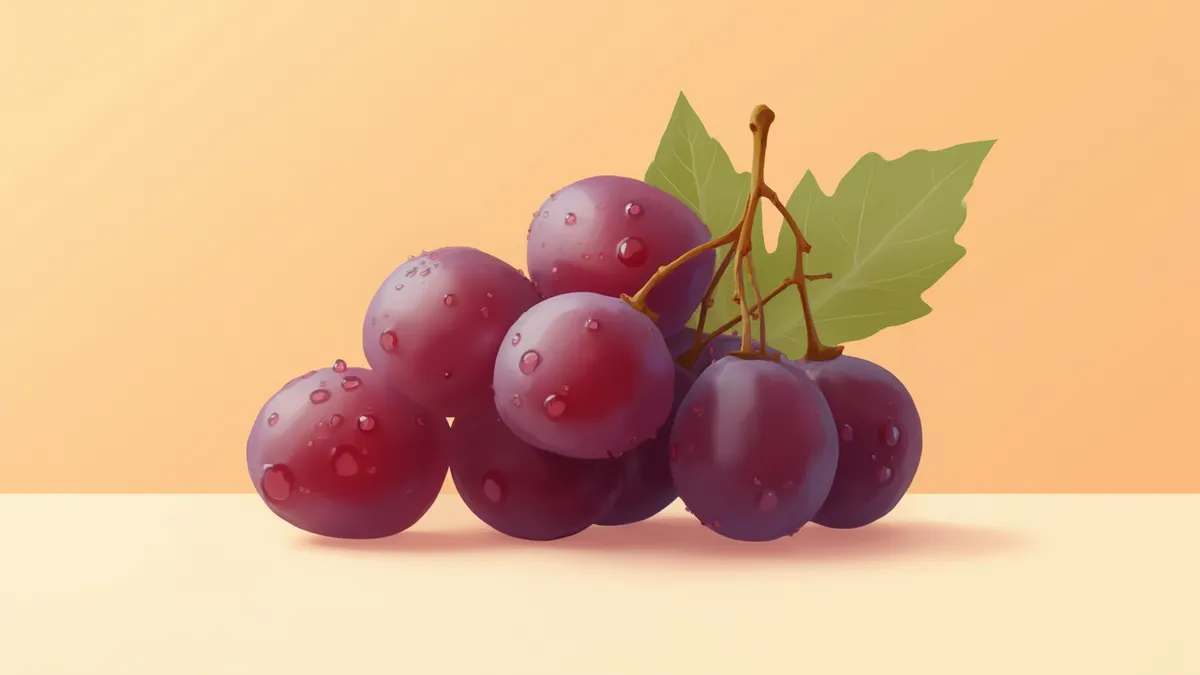
Close-up of grape skins rich in resveratrol
Resveratrol is a natural polyphenolic antioxidant found in plants such as grape skins, blueberries, and peanuts. Studies in experimental animals (mice) have shown improvements in vascular endothelial function and activation of eNOS. While it is well known as a human dietary supplement, evidence for its effects in dogs and cats is primarily based on cellular and animal studies, with large-scale clinical data in pets still limited. If considering resveratrol as a supplementary antioxidant, it is essential to consult your veterinarian and choose products specifically formulated for pets.

Main Benefits of Resveratrol

There are four main potential benefits for pets, but please read the following with an understanding of the current state of research. - Antioxidant support: As a polyphenol antioxidant, it may help reduce oxidative stress. However, clinical evidence for resveratrol alone in pets is limited. - Vascular endothelial function support: Studies in experimental animals (rat cirrhosis models) have reported improved vascular endothelial function through eNOS activation and increased nitric oxide (NO) bioavailability. Clinical application in pets is still under investigation. - Anti-inflammatory support: While its anti-inflammatory potential is being studied, there is currently insufficient clinical trial data for dogs and cats. - Potential mitochondrial support: It is being discussed as a supportive aid for heart function in senior dogs and cats, but clinical studies in pets directly supporting this are not yet established. Overall, the strong effects seen in humans have not yet been proven in pets through large-scale clinical trials.

Resveratrol Ingredient Summary

Caution

레스베라트롤(Resveratrol)

항산화·혈관 내피 보호

Dosage: 체중 1kg당 1~5mg 범위(수의사 상담)

수의영양학 교과서 항산화 조합 근거

Safe

비타민 E(Vitamin E)

세포막 지질 산화 방지

Dosage: 사료 기준 충족 시 추가 불필요

NRC 권장 필수 영양소

Safe

비타민 C(Vitamin C)

수용성 항산화·레스베라트롤 시너지

Dosage: 체중별 소량

How Far Has the Veterinary Evidence Come?

Research in veterinary nutrition and geriatric care has consistently explored the combined use of antioxidant nutrients such as vitamins E and C, and beta-carotene, with some studies reporting that antioxidant-rich diets can help reduce cognitive decline in senior dogs. However, research on resveratrol alone has primarily been conducted at the cellular level or in experimental animal models (such as mice), and controlled clinical trial data specifically involving companion animals remains very limited to date. Therefore, it is most accurate to view resveratrol currently as a "potential supportive ingredient," and definitive claims about its efficacy should be avoided. If you are considering using it, it is best to consult with your veterinarian to determine whether it is appropriate for your pet's specific condition.
Image for managing cardiovascular health in senior dogs

Recommended Feeding Dosage Guidelines

Using human doses of resveratrol can be dangerous for pets. There is currently no established, officially recognized standard dosage for animals, and pet-specific products are formulated with low doses according to the manufacturer’s guidelines. The actual dosing schedule and amount must be determined by a veterinarian, taking into account your pet’s weight, underlying health conditions, and potential interactions with other medications. If your pet is taking heart medications, such as blood pressure drugs or anticoagulants, consult your veterinarian before starting resveratrol.

Pets That May Benefit Particularly
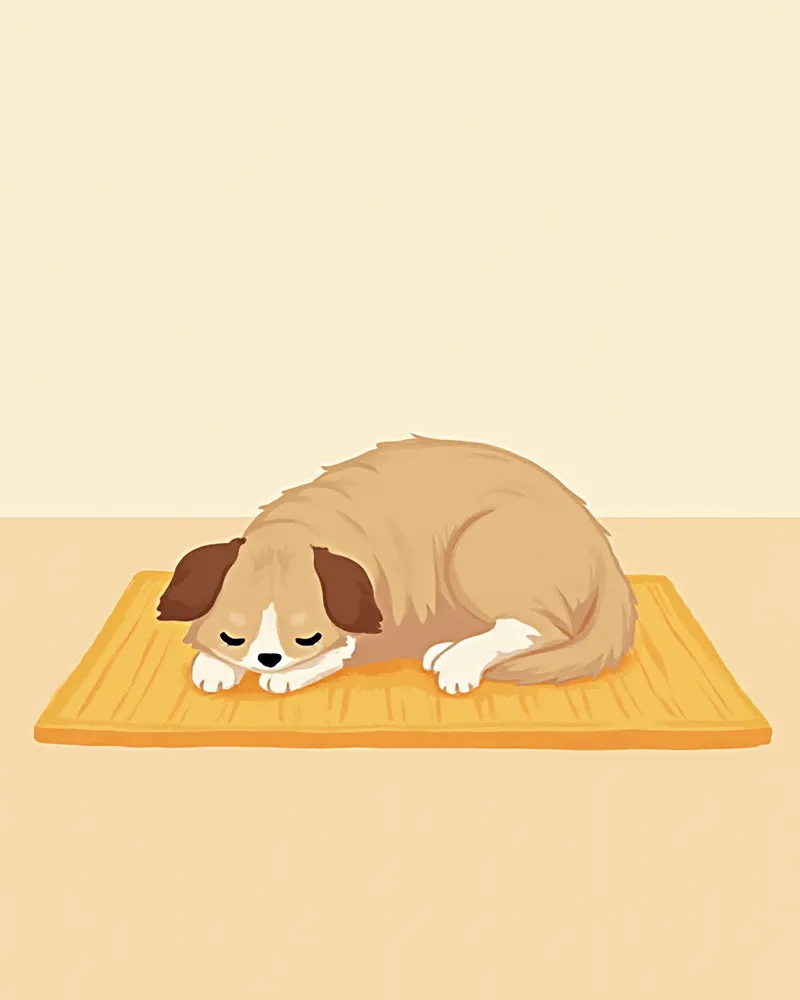
- Senior dogs and cats: May help support antioxidant defenses to counteract the increased free radicals associated with cellular aging. However, the standalone effects of resveratrol are still under investigation. - Pets managing heart disease: Can be considered as a supportive measure for chronic conditions like mitral valve insufficiency, though clinical evidence specifically supporting its use in companion animals is limited. - Recurring chronic inflammation or skin issues: May be considered as a supplementary option for pets requiring antioxidant support. - Obesity and metabolic stress: May play a supportive role for pets experiencing significant strain on their vascular endothelium. However, we do not recommend its use for puppies, kittens, or pregnant and nursing animals due to insufficient safety data.
A peaceful rest scene of senior dogs and cats

Comparison of Resveratrol with Other Antioxidant Ingredients

ItemResveratrolVitamin ECoenzyme Q10
Primary actionVascular endothelium & anti-inflammatory (at the laboratory animal level)Cell membrane lipid protectionMitochondrial energy
Cardiovascular benefitUnder research (limited clinical evidence in pets)ModerateHigh
Whether an essential nutrientFalseTrueFalse
Safety of standalone feedingCautionSafeSafe
Recommended for senior petsAdjunctive purpose (veterinary consultation needed)BasicAdjunctive purpose

If the existing diet meets essential nutritional standards, additional vitamin E supplementation may be unnecessary.

Side Effects and Precautions

Resveratrol is generally safe, but high doses can cause gastrointestinal side effects such as vomiting and diarrhea. Because it can affect vascular endothelial function and hepatic enzyme metabolism, there is a potential for drug interactions when used concurrently with anticoagulants or cardiovascular medications; therefore, it must only be used after consulting with a veterinarian. Pets with liver disease should only use it with explicit veterinary approval. Human wine and grape extract products are strictly prohibited due to their alcohol and sugar content.

How to Choose and Feed Properly
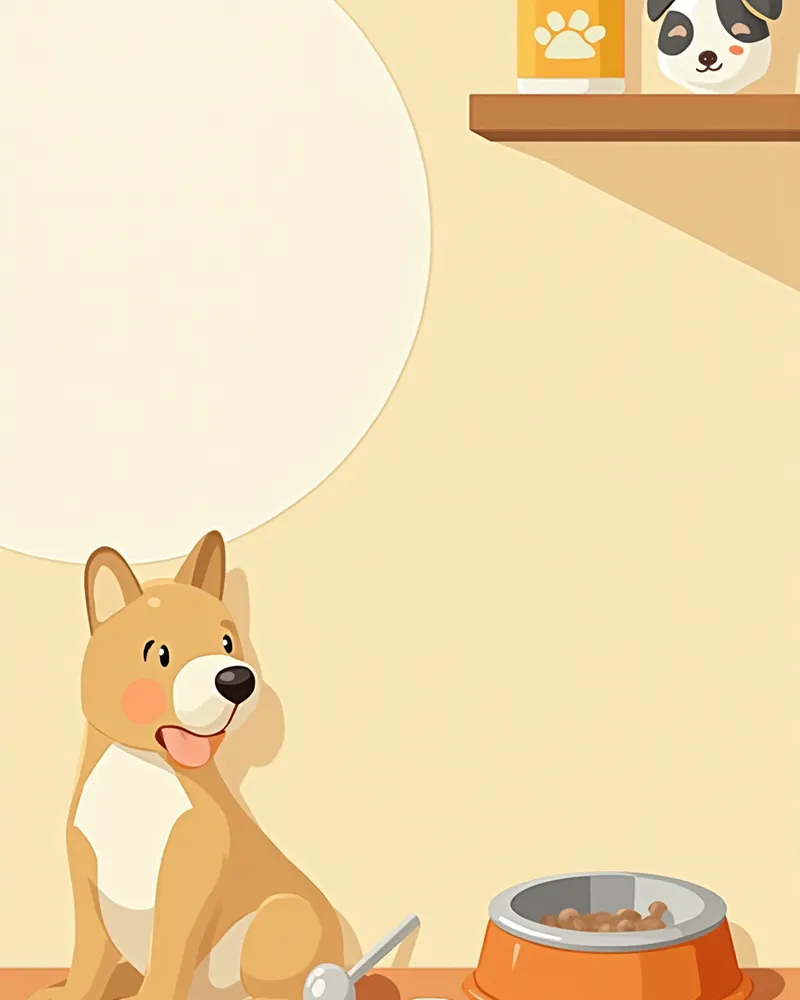
- Choose products specifically for pets: Look for products that clearly state the trans-resveratrol content. - Prefer combination formulas: Products containing vitamins E and C offer greater antioxidant synergy. - Administer with food: Since it is nearly fat-soluble, giving it with meals improves absorption. - Storage: It is sensitive to light and heat. Keep it in a cool place, away from direct sunlight. - Record observations: For about two weeks after starting, monitor changes in appetite, stool condition, and activity levels. If surgery is planned, it is safest to discontinue use at least one to two weeks beforehand.
Antioxidant supplements for pets and their food bowls

Reviewed by a veterinarian

Dr. Tony — Punnawat Phongkittirak

Dr. Tony — Punnawat Phongkittirak

Veterinarian

A veterinarian who majored in veterinary medicine at Khon Kaen University, Thailand, and completed the IVSA program at North Carolina State University in the United States. Drawing on clinical experience at animal hospitals, he works in the pet healthcare field and is dedicated to building a digital care environment that connects pet parents with veterinarians.

Frequently Asked Questions

Can feeding grapes to dogs provide them with resveratrol?
No, grapes and raisins can cause kidney damage in dogs and should never be fed to them. Resveratrol should only be given in products specifically formulated for pets.
Is it safe for cats too?
Cats have different liver metabolic enzymes, so using supplements designed for humans or dogs can be dangerous. Always use products specifically formulated for cats and consult with a veterinarian before administering them.
When will the effects start to show?
Antioxidant supplements may take time to show noticeable effects, as their benefits tend to emerge with consistent, long-term use rather than providing immediate results. In the case of resveratrol, clinical data on the timeline for its effects in pets is still limited, so it’s best to monitor your pet’s progress closely in consultation with your veterinarian after starting supplementation. These supplements are not intended for rapid symptom relief.
Can this be given alongside heart medication?
It can affect vascular endothelial function and liver enzyme metabolism, so caution is needed when used in combination. If you have been prescribed heart medication, be sure to consult your veterinarian before starting.
Can it also be supplemented through food?
Small amounts of blueberries can be given to dogs as a treat. However, because their nutrient content is very low, using a dedicated supplement is more practical if you're aiming for therapeutic benefits.

Share

Related Guides

References

[1] National Research Council, Nutrient Requirements of Dogs and Cats, 2006

[2] Applied Veterinary Clinical Nutrition, 2nd Ed, Wiley-Blackwell

[3] Jewell DE et al., Effect of increasing dietary antioxidants on concentrations of vitamin E and total alkenals in serum of dogs and cats, Vet Ther, 2000

[4] BSAVA Manual of Canine and Feline Cardiorespiratory Medicine, 2nd Ed

This information is based on veterinary literature and does not replace diagnosis or treatment. Please consult a veterinarian for specific health concerns.

Metapet Co., Ltd. | CEO: Park Sung-yong | Business Reg. No. 417-88-02562 | Seoul, South Korea | Customer Center

Resveratrol for Pets: 6 Antioxidant & Heart Benefits | Meongsiljang