Like
Share
멍실장
엽산 효과와 급여 가이드

Folic Acid Benefits and Feeding Guide

ImmunityIngredientsMeongsiljang Veterinary Advisory Board

Folic acid, also known as vitamin B9, is essential for cell division and red blood cell production in dogs and cats. I’ll walk you through its benefits, recommended dosages, and signs of deficiency all in one place.

What Is Folic Acid?
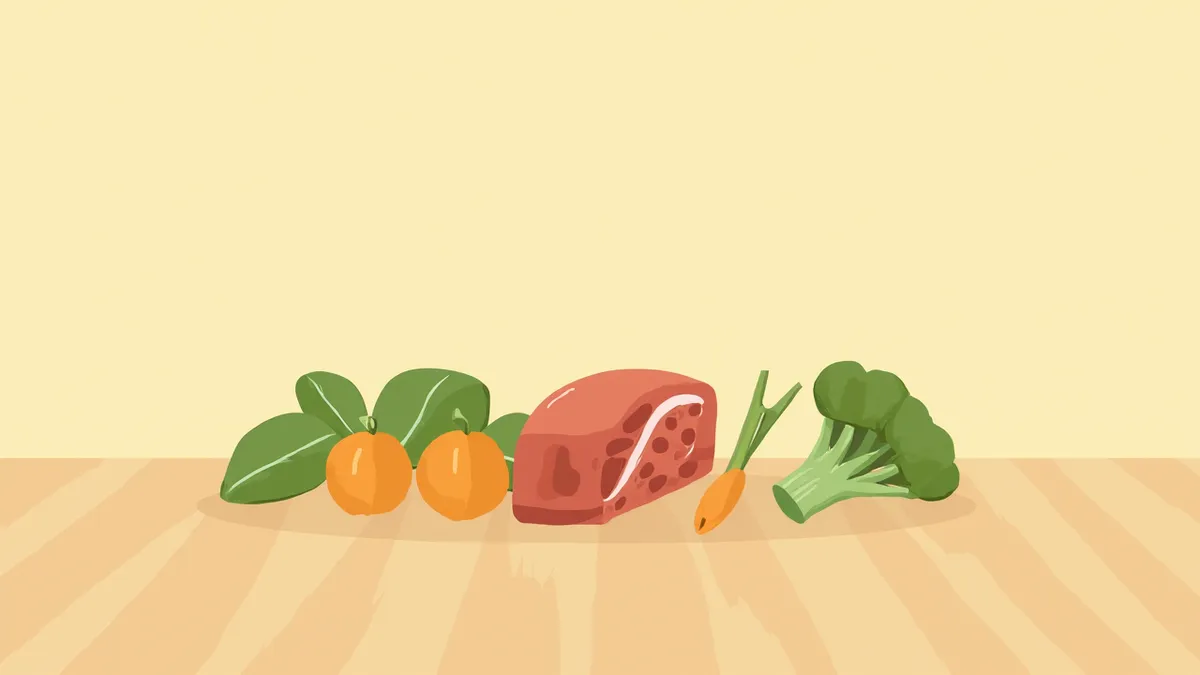
Spinach, liver, and broccoli, which are rich in folic acid
Folate (Vitamin B9) is a water-soluble vitamin essential for cell division, red blood cell production, and DNA synthesis in dogs and cats. What’s particularly important is that prolonged deficiency in growing puppies and kittens, as well as in pregnant or nursing mothers, can lead to anemia and growth retardation. Fortunately, most commercial pet foods contain adequate amounts, so supplementation is rarely necessary. However, if your pet has gastrointestinal disease or is taking folate-antagonist medications such as trimethoprim, pyrimethamine, or methotrexate, it’s crucial to monitor their folate status closely.

5 Key Benefits of Folic Acid

Folic acid plays several vital roles in the body. Here are the key functions that pet owners should know about.
Red blood cell production: It supports the normal formation of red blood cells in the bone marrow, helping to prevent anemia.
Cell division: As a key cofactor in DNA and RNA synthesis, it is involved in the growth of all tissues.
Fetal development: Deficiency has been linked to developmental abnormalities such as cleft palate and reduced growth rates in puppies.
Immune function: Folic acid deficiency can lead to impaired hematopoiesis, including neutropenia (a decrease in neutrophils), highlighting its role in maintaining normal blood cell production.
Amino acid metabolism: Folic acid is a crucial cofactor in the transfer of one-carbon units during amino acid and nucleotide metabolism. Studies have shown that folic acid-deficient kittens exhibit increased excretion of FIGLU (formiminoglutamic acid) after a histidine load, underscoring its important role in regulating amino acid metabolism.

Evidence from Veterinary Research

According to veterinary nutrition textbooks, folate is absorbed through receptors in the upper (proximal) small intestine and then stored in the body. Cats have a separate folate requirement standard compared to dogs. In cases of intestinal diseases (such as inflammatory bowel disease or exocrine pancreatic insufficiency), absorption may be reduced, leading to low blood folate levels, which can also be used as an indicator of intestinal health. Additionally, if there is a concurrent deficiency of cobalamin (vitamin B12), blood folate levels may appear normal even though the body is functionally deficient, making professional interpretation of these results crucial.
A veterinarian reviewing a puppy’s blood test results.

Folic Acid at a Glance

Safe

엽산 (Folate / Folic Acid)

적혈구 생성, DNA 합성, 태아 신경관 발달, 면역 세포 생성

Dosage: 개: 270 μg/kg DM, 고양이: 750 μg/kg DM (사료 건물 기준)

미국국립연구위원회(NRC) 2006 권장

Daily Recommended Dosage

Most commercial pet foods already contain adequate levels of folate, so additional supplementation is rarely necessary. According to the National Research Council (NRC) guidelines, cats require a minimum of approximately 600 micrograms (0.6 mg) of folate per kilogram of dry matter in their diet, while dogs and cats have separate recommended standards. If your pet is pregnant, nursing, or suspected of having a deficiency, your veterinarian will determine the appropriate dosage after conducting a blood test. We do not recommend administering human folate supplements without veterinary guidance.

Foods Rich in Folic Acid

These are excellent sources of folate to keep in mind when preparing supplemental treats or fresh food. However, if your pet’s main diet is a complete and balanced commercial pet food, there’s no need to supplement separately.
Animal liver: Chicken and beef liver are rich in folate (but be mindful of potential vitamin A excess)
Leafy green vegetables: Spinach, broccoli, and asparagus are good sources
Legumes: Lentils and kidney beans contain high levels (offer only in small amounts)
Egg yolk: A highly digestible source of folate
Yeast: Nutritional yeast provides ample folate even in small quantities
A collection of foods rich in folic acid

Signs of Folic Acid Deficiency and Excess

Deficiencies are rare but can occur in specific situations. On the other hand, because it is a water-soluble vitamin, there are almost no reports of toxicity from excess intake.
Deficiency symptoms: Megaloblastic anemia, growth retardation, decreased hemoglobin and hematocrit, and cleft palate reported in puppies
High-risk groups for deficiency: Dogs with chronic intestinal diseases, those receiving folate-antagonist drugs such as trimethoprim, pyrimethamine, or methotrexate, and pregnant or lactating dogs
Risks of excess: No adverse reactions have been reported due to excessive intake; however, because cobalamin (B12) and folate are metabolically closely linked, veterinary monitoring is necessary to assess both nutrients when administering high doses long-term
Hidden deficiency: Even with normal blood levels, a functional folate deficiency may exist if accompanied by cobalamin (B12) deficiency — blood tests are essential

Check Before Giving Folic Acid Supplements

Human folic acid supplements may contain excessive doses for pets or additional ingredients such as iron and vitamin B12. Cats, in particular, have different folic acid requirements than dogs, so human supplements should never be given to them. Cobalamin (vitamin B12) and folic acid are closely linked metabolically; if a cobalamin deficiency is present, it can be difficult to assess the deficiency status based on folic acid levels alone, making it important to test for both. If you suspect intestinal disease or notice signs of anemia, a veterinary examination should take priority over nutritional supplements.

Reviewed by a veterinarian

Dr. Tony — Punnawat Phongkittirak

Dr. Tony — Punnawat Phongkittirak

Veterinarian

A veterinarian who majored in veterinary medicine at Khon Kaen University, Thailand, and completed the IVSA program at North Carolina State University in the United States. Drawing on clinical experience at animal hospitals, he works in the pet healthcare field and is dedicated to building a digital care environment that connects pet parents with veterinarians.

Frequently Asked Questions

Can I split a human folic acid supplement and give it to my dog?
I don't recommend it. The dosage may be excessive, and the presence of other ingredients such as iron and vitamin B12 can pose risks. It is safer to use products specifically formulated for pets under veterinary guidance.
How can I tell if my pet is deficient in folic acid?
We measure blood folate levels through a blood test. If your pet is experiencing chronic diarrhea, weight loss, or anemia, we often check vitamin B12 levels at the same time.
Do pregnant dogs need folic acid supplementation?
Most puppy food for pregnant dogs already contains sufficient nutrients, so additional supplementation is usually unnecessary. However, if you're preparing a homemade diet, consult with your veterinarian to determine whether supplements are needed.
Can cats be given the same amount as dogs?
No, cats and dogs have different recommended levels for folate. Cats have their own specific folate requirements, which are automatically met when they eat a diet formulated specifically for them, so there's no need to worry.
Is it safe to give folic acid long-term without any side effects?
Because it is water-soluble, there are no reported adverse reactions from excessive intake. However, since cobalamin (B12) and folate are closely linked metabolically, veterinary monitoring is necessary to assess both nutrients when high doses are used over a long period.

Share

Related Guides

References

[1] National Research Council. Nutrient Requirements of Dogs and Cats, 2006

[2] Hand MS et al., Small Animal Clinical Nutrition, 5th ed., 2010

[3] Case LP et al., Canine and Feline Nutrition, 3rd ed., 2011

This information is based on veterinary literature and does not replace diagnosis or treatment. Please consult a veterinarian for specific health concerns.

Metapet Co., Ltd. | CEO: Park Sung-yong | Business Reg. No. 417-88-02562 | Seoul, South Korea | Customer Center

Folic Acid for Dogs & Cats: Benefits & Feeding Guide | Meongsiljang