Like
Share
멍실장
피리독신(B6) 효과와 단백질 대사 완벽 가이드

5 Key Benefits of Vitamin B6 (Pyridoxine) for Dogs, According to Veterinarians

DigestiveIngredientsMeongsiljang Veterinary Advisory Board

Pyridoxine is a water-soluble vitamin essential for protein and amino acid metabolism. It is necessary for both dogs and cats, and a deficiency can lead to skin and neurological issues.

What Is Pyridoxine (B6)?

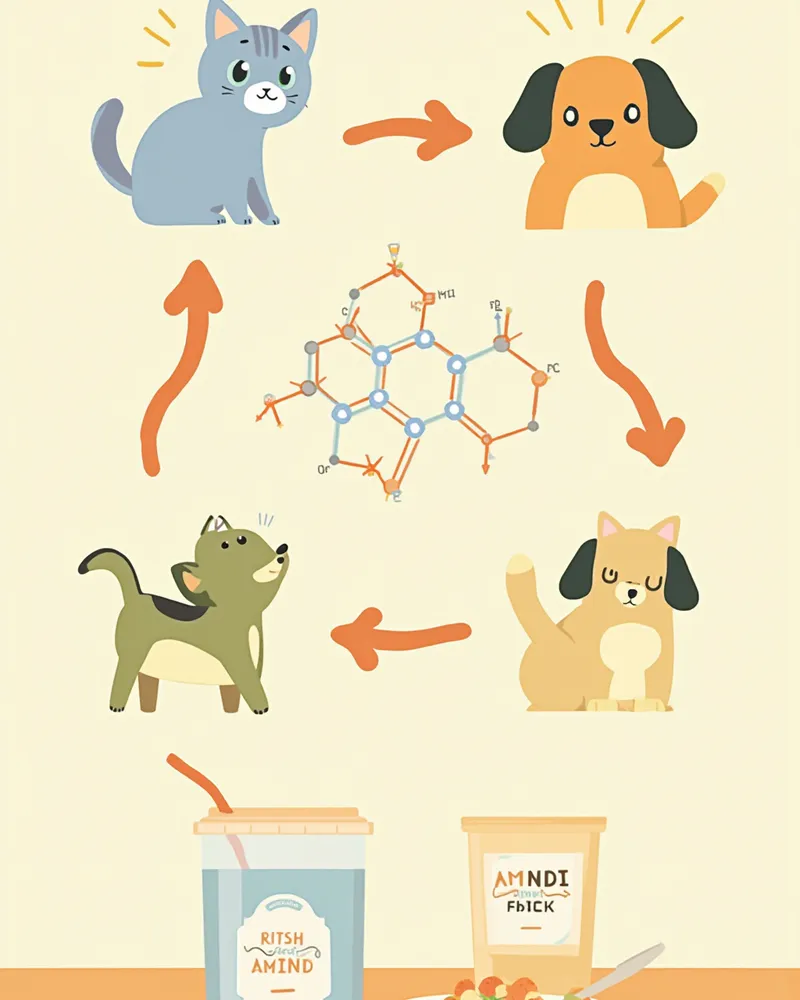
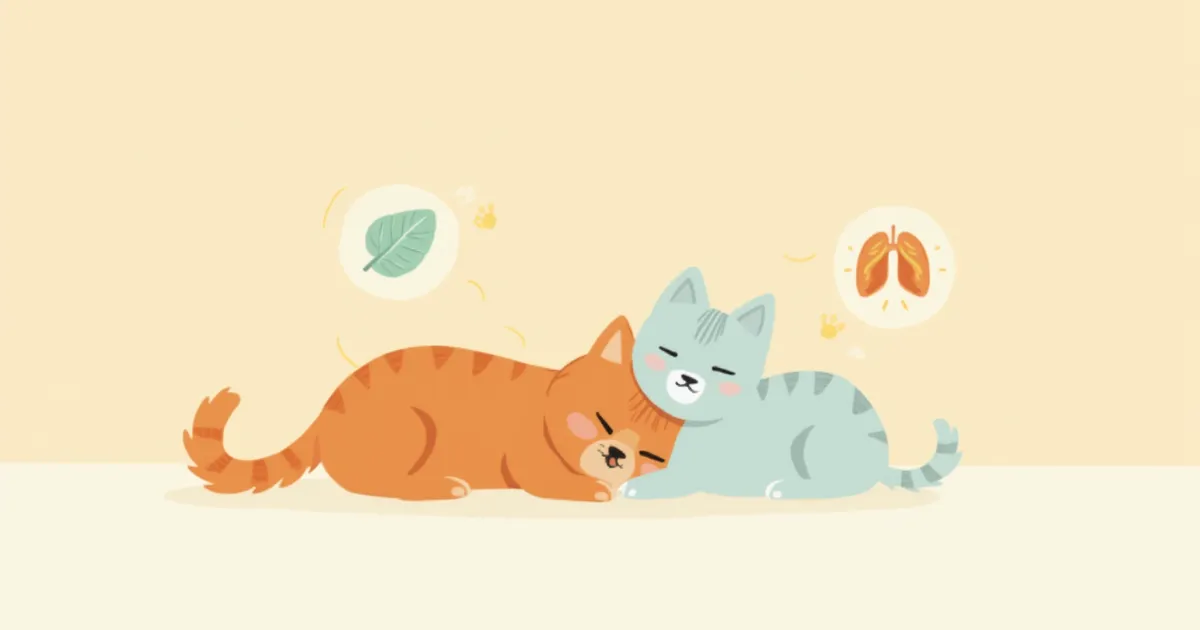
An illustration showing the relationship between pyridoxine (vitamin B6) and nutrition in dogs and cats
Pyridoxine, also known as vitamin B6, is a water-soluble vitamin essential for protein and amino acid metabolism in dogs and cats. Its primary role is to act as a coenzyme that facilitates transamination reactions, which transfer amino groups between amino acids. Cats have a pyridoxine requirement approximately four times higher than that of dogs. This isn’t because they need more protein, but rather because their bodies constantly perform gluconeogenesis, resulting in higher transaminase activity. Since pyridoxine is water-soluble and doesn’t accumulate in the body, it’s important to provide it consistently through daily meals.

Key Benefits of Pyridoxine

Pyridoxine acts as a coenzyme in various enzymatic reactions within the body, particularly in transamination reactions that transfer amino groups from amino acids. Here are its key roles in pets:
Protein Metabolism: It breaks down and synthesizes amino acids to build muscles and tissues.
Red Blood Cell Production: A deficiency can lead to microcytic hypochromic anemia, so it plays a role in maintaining healthy red blood cells.
Nervous System Function: It is essential for maintaining overall nervous system function, and a deficiency may cause neurological symptoms such as seizures, muscle spasms, or ataxia.
Gluconeogenesis Support: In animals like cats that continuously perform gluconeogenesis, it helps maintain amino acid metabolism and energy balance through transamination reactions.
Amino Acid Utilization: As a key coenzyme, it ensures that amino acids obtained from proteins are properly used for energy and tissue maintenance.

Core Role in Protein Metabolism

Pyridoxine is converted in the body into its active form, pyridoxal 5'-phosphate (PLP), which functions as a coenzyme in amino acid metabolism. When protein is consumed, it is broken down into amino acids during digestion, and PLP is essential for these amino acids to be utilized in the synthesis of muscles, enzymes, and hormones. Because cats require significantly more protein than dogs, their pyridoxine requirement is known to be approximately four times higher. Deficiency impairs amino acid utilization, leading to anorexia and weight loss; in young animals, severe deficiency can even result in growth retardation.
Illustration of pyridoxine and protein metabolism process

Deficiency Symptoms Revealed by Veterinary Research

According to veterinary nutrition textbooks, a deficiency in pyridoxine can lead to the following symptoms in dogs and cats:
Weight loss and anorexia: Even with adequate protein intake, impaired amino acid metabolism can result in weight loss and decreased appetite.
Microcytic hypochromic anemia: Inadequate hemoglobin synthesis reduces the blood's oxygen-carrying capacity.
Peripheral nerve demyelination: Damage to the myelin sheath of peripheral nerves can cause sensory and motor dysfunction.
Neurological signs: Symptoms may include seizures, muscle spasms, and ataxia.
Cardiovascular changes: Pathological findings in dogs have included cardiomegaly and cardiac hypertrophy.

Pyridoxine Key Ingredient Card

Safe

피리독신(Pyridoxine)

단백질·아미노산 대사 조효소

Dosage: 강아지 1.5mg/kg 사료, 고양이 2.5mg/kg 사료 (AAFCO 기준)

미국사료관리협회 필수 영양소 지정

Safe

피리독살(Pyridoxal)

PLP 전환 형태, 흡수 빠름

Dosage: 복합 B군 영양제 함량 참고

Caution

피리독사민(Pyridoxamine)

당화 산물 억제, 신장 보호

Dosage: 연구용 수준, 일반 급여 불필요

Recommended Feeding Amounts (AAFCO Standards)

According to the Association of American Feed Control Officials (AAFCO) standards, the minimum pyridoxine content in pet food is 1.5 mg/kg for dog food and 4.0 mg/kg for cat food. Cats have a physiological requirement for pyridoxine that is approximately four times higher than that of dogs. If you feed your pet a commercially available complete and balanced diet, additional supplementation is unnecessary. However, if you are feeding a homemade or raw diet, consult your veterinarian about considering a B-complex vitamin supplement.

Foods Rich in Pyridoxine

If you’d like to supplement pyridoxine through natural foods, the following ingredients can help. However, since some nutrients may be lost during cooking, avoid relying too heavily on these sources and always base your pet’s diet on a complete and balanced commercial pet food.
Chicken liver and beef liver: These are the richest sources, but be cautious of excessive vitamin A intake.
Salmon and tuna: These also provide beneficial omega-3 fatty acids.
Chicken breast: Offers lean protein along with pyridoxine.
Brown rice: If feeding carbohydrates, limit to small amounts.
Egg yolks: Feed in moderation, about 2–3 times per week.
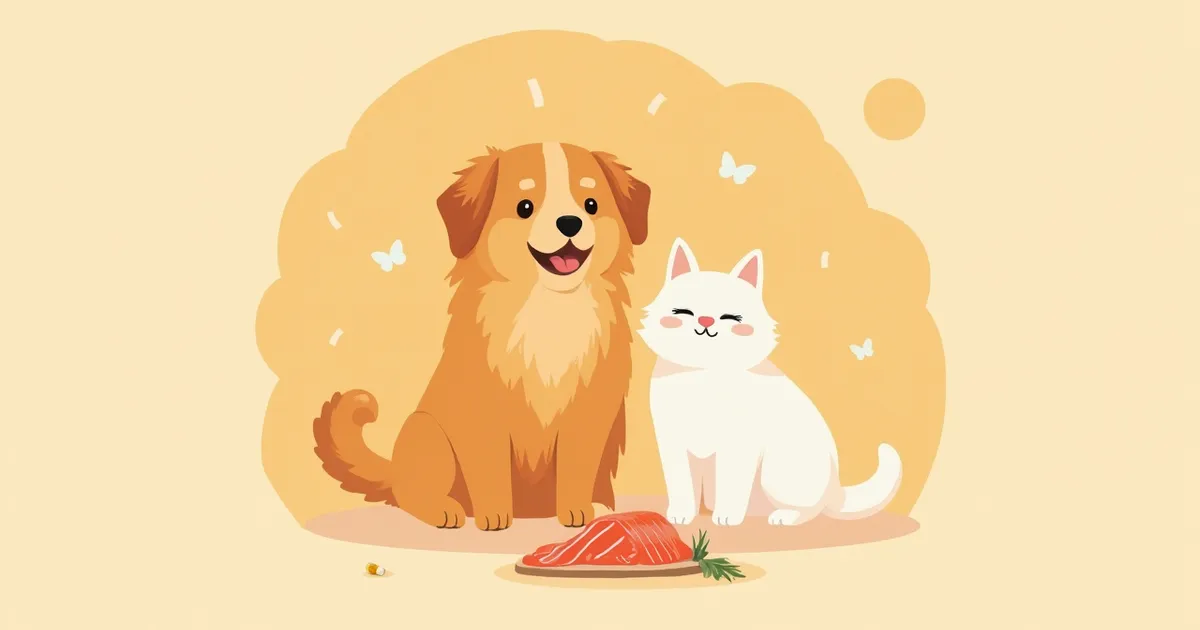
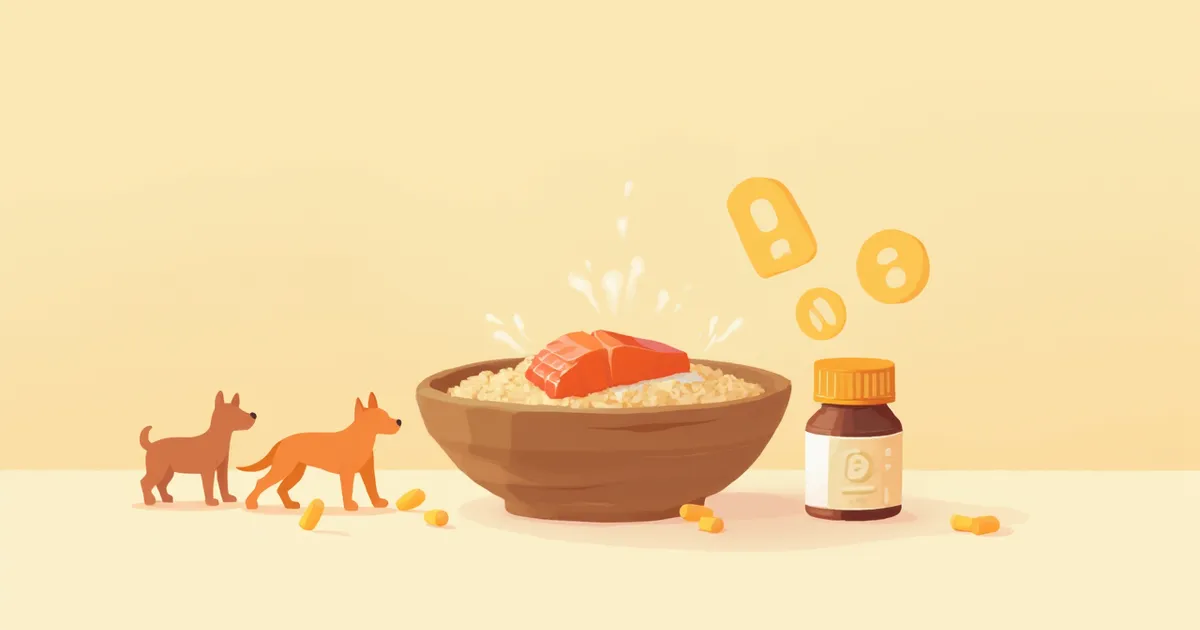
Photo of a salmon, chicken liver, and brown rice food rich in pyridoxine

Precautions for Excess and Side Effects

Although pyridoxine is water-soluble and excess amounts are typically excreted in urine, it is not safe to administer in unlimited quantities. According to veterinary nutrition literature, no studies have reported vitamin B6 toxicity in cats, and a safe upper limit (SUL) has not yet been clearly established (in mice, 250 mg/kg of feed is considered the estimated upper limit when administered for more than 60 days). Given this uncertainty regarding the safety range, do not arbitrarily administer high-dose B6 supplements without a veterinarian’s prescription. This is especially important for cats with compromised liver or kidney function, as their ability to excrete metabolites may be impaired; if your cat has liver or kidney disease, you must consult your veterinarian to adjust the dosage accordingly.

When to Always Consult Your Veterinarian

If any of the following apply, please consult your veterinarian before administering pyridoxine. Unsupplemented supplementation can actually harm your pet’s health. - Feeding a homemade or raw-food-based diet - Diagnosed with chronic kidney disease or liver disease - Experiencing recurrent seizures or neurological symptoms - Already taking a B-complex supplement - Senior dogs or cats aged 7 years and older Your veterinarian will determine the appropriate dosage based on blood tests and nutritional assessment, adjusted for your pet’s body weight.

Reviewed by a veterinarian

Dr. Tony — Punnawat Phongkittirak

Dr. Tony — Punnawat Phongkittirak

Veterinarian

A veterinarian who majored in veterinary medicine at Khon Kaen University, Thailand, and completed the IVSA program at North Carolina State University in the United States. Drawing on clinical experience at animal hospitals, he works in the pet healthcare field and is dedicated to building a digital care environment that connects pet parents with veterinarians.

Frequently Asked Questions

Can I give my dog human vitamin B6?
Human B6 supplements have excessively high dosages and are not recommended. Please consult your veterinarian to select a B-complex supplement specifically formulated for pets.
Why do cats need more pyridoxine than dogs?
Cats are strict carnivores that maintain a continuous state of gluconeogenesis, resulting in very high transaminase activity. Consequently, they require greater amounts of pyridoxine, a coenzyme involved in protein amino acid metabolism.
How can you tell if your pet is deficient in pyridoxine?
If your pet shows signs like weight loss, decreased appetite, microcytic hypochromic anemia, or neurological symptoms such as seizures and ataxia, a deficiency may be suspected. A blood test is necessary for an accurate diagnosis.
Is pyridoxine sufficient when feeding only complete pet food?
Yes, feeding a complete and balanced diet that meets AAFCO standards is usually sufficient. Only provide additional supplements when recommended by your veterinarian.
When is the best time to give a pyridoxine supplement?
Since these are water-soluble vitamins, it is important to provide a consistent daily amount. Adhering to the appropriate dosage recommended by your veterinarian is more important than the timing of administration.

Share

Related Guides

References

[1] National Research Council (NRC), Nutrient Requirements of Dogs and Cats, 2006

[2] Case LP et al., Canine and Feline Nutrition: A Resource for Companion Animal Professionals, 3rd Edition

[3] Hand MS et al., Small Animal Clinical Nutrition, 5th Edition

[4] Association of American Feed Control Officials (AAFCO), Official Publication, 2023

This information is based on veterinary literature and does not replace diagnosis or treatment. Please consult a veterinarian for specific health concerns.

Metapet Co., Ltd. | CEO: Park Sung-yong | Business Reg. No. 417-88-02562 | Seoul, South Korea | Customer Center

5 Vitamin B6 (Pyridoxine) Benefits for Dogs, Per Vets | Meongsiljang