Like
Share
멍실장
구리 효과와 모색·간 건강 완벽 가이드

7 Roles of Copper Explained by Veterinarians — A Key Guide to Coat Color and Liver Health

Liver HealthIngredientsMeongsiljang Veterinary Advisory Board

Copper is an essential trace mineral for dogs and cats, playing a key role in coat color development, iron metabolism, and liver function. Both deficiency and excess can cause health issues, so maintaining the right balance is crucial.

What is Copper?
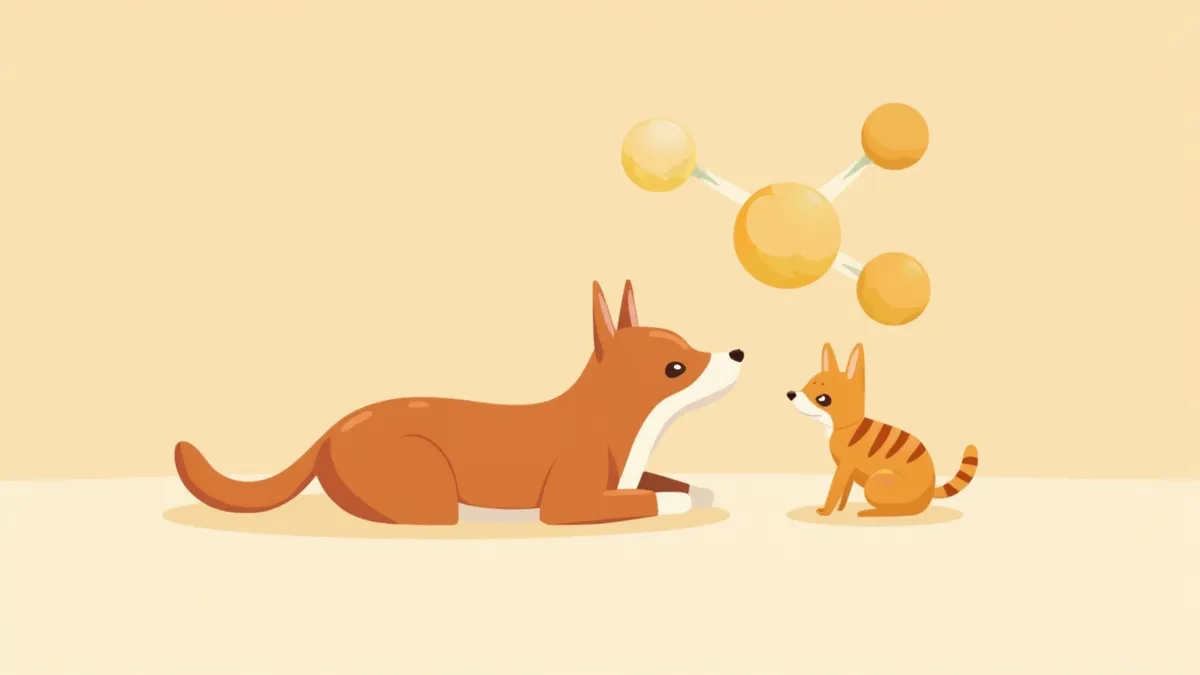
Illustration of the relationship between copper minerals and pet health
Copper is an essential trace mineral for dogs and cats, playing a vital role in iron metabolism, coat pigment synthesis, and liver enzyme activity. The key is maintaining the right balance. Too little copper can lead to faded coat color and anemia, while too much can accumulate in the liver and cause chronic hepatitis. It’s important to consider both the copper content in pet food and breed-specific sensitivities.

Key Roles of Copper in the Body

Copper is a single nutrient, yet it works simultaneously across multiple organs. Here’s a summary of its key roles:
Iron metabolism: Copper-containing enzymes, such as ceruloplasmin, facilitate iron transport within the body, supporting normal blood formation.
Coat color expression: Tyrosinase is involved in melanin synthesis, helping to produce a clear, defined coat color.
Connective tissue formation: Copper is a component of lysyl oxidase, an enzyme essential for maintaining the structure of collagen and elastin.
Keratin formation: It activates thiol oxidase, which is necessary for the formation of keratin fibers in the skin.
Cuproenzyme activity: Copper serves as an essential component for various enzymes (cuproenzymes) that regulate diverse biological functions throughout the body.

Copper and Coat Color — Why Does Fur Color Change?
A copper deficiency can reduce tyrosinase activity, impairing melanin production and causing pigmented hair to fade into a dull grayish hue. This typically begins around the head and muzzle before spreading across the body. However, because modern pet foods are generally well-balanced, copper-deficiency-related depigmentation is rarely seen in clinical practice. It may occur if your pet consumes excessive amounts of minerals like zinc or calcium over a long period, as these can interfere with copper absorption. If your pet’s coat color continues to change, it’s best to check for other potential causes, such as thyroid dysfunction, aging, or zinc imbalances, in addition to copper deficiency.
Illustration comparing coat color changes caused by copper deficiency

Copper and Liver Health — A Double-Edged Sword
Copper is a mineral that is stored and excreted by the liver. When it accumulates in the liver, it can lead to copper-associated hepatitis. According to veterinary internal medicine textbooks, genetic conditions that impair copper excretion and cause its buildup in the liver have been reported in Bedlington Terriers, Doberman Pinschers, Labrador Retrievers, and Dalmatians. Conversely, copper deficiency can impair the function of copper-dependent enzymes (cuproenzymes) such as lysyl oxidase and tyrosinase, leading to abnormalities in connective tissue formation, pigment synthesis, and iron metabolism. This is why providing the right amount of copper is so important.
Illustration explaining the concept of liver and copper accumulation in dogs

Copper at a Glance

Caution

구리(Copper)

철분 대사·모색·간 효소·항산화

Dosage: 강아지 1.5mg/kg DM, 고양이 5mg/kg DM (사료 기준)

미국국립연구위원회(NRC) 권장

Recommended Feeding Levels

The minimum copper requirement for dogs has not yet been clearly defined according to the 2006 NRC (National Research Council) standards. Similarly, while copper is recognized as an essential trace mineral for adult cats based on separate studies, specific values should be verified through the latest official NRC and AAFCO guidelines. Most AAFCO-compliant pet foods sold in Korea contain appropriate levels of copper. Therefore, it is essential to consult with a veterinarian before adding any supplemental nutrients, as diet alone is often sufficient.

Copper Deficiency — Check for These Signs

Deficiencies typically arise after months of nutritional imbalance and are commonly observed.
Coat discoloration: Pigmented fur may fade to a dull, grayish hue.
Anemia: Impaired iron metabolism can hinder normal red blood cell production, leading to pale gums.
Connective tissue abnormalities: A lack of copper-dependent enzymes needed for collagen synthesis may weaken bones and joints.
Joint issues: Reduced connective tissue synthesis can compromise joint structural integrity.
Lethargy: Decreased oxygen delivery due to anemia can result in low energy levels.

Copper Excess — Dangerous When It Accumulates in the Liver
Copper excess can be more serious than deficiency. When copper accumulates in liver cells, it can lead to chronic hepatitis and eventually liver failure. In the early stages, there are often no noticeable symptoms, and it is frequently detected through elevated liver enzyme levels (such as ALT and AST) and increased bilirubin and bile acids in blood tests. If vomiting, lethargy, decreased appetite, or jaundice are observed, the condition has likely progressed significantly. This is why you should never administer copper supplements on your own for extended periods.
Illustration of copper overload symptoms and liver function tests

Breeds That Require Special Caution

Certain breeds are genetically unable to excrete copper from the liver. For Bedlington Terriers (the primary breed affected by hereditary copper toxicosis due to COMMD1 gene mutations), Doberman Pinschers, Labrador Retrievers, Dalmatians, and West Highland White Terriers, it may be necessary to feed a prescription liver diet with reduced copper content or to provide food under veterinary guidance. These dogs require regular monitoring of liver values, along with genetic testing and liver biopsies when indicated.

Comparison of Copper Deficiency vs. Excess Symptoms

ItemDeficiencyExcess
CauseLong-term nutritional imbalance, excess zinc/calciumGenetic excretion disorder, overuse of supplements
Main symptomsCoat depigmentation (grayish), anemia, connective tissue/joint abnormalitiesElevated liver values, jaundice, vomiting
Time of detectionConfirmed by appearance changes after several monthsFound incidentally on blood tests
ResponseReassess diet, copper supplementationHepatic prescription diet, administer chelation (excretion) therapy

Compiled based on veterinary internal medicine textbooks

Reviewed by a veterinarian

Dr. Tony — Punnawat Phongkittirak

Dr. Tony — Punnawat Phongkittirak

Veterinarian

A veterinarian who majored in veterinary medicine at Khon Kaen University, Thailand, and completed the IVSA program at North Carolina State University in the United States. Drawing on clinical experience at animal hospitals, he works in the pet healthcare field and is dedicated to building a digital care environment that connects pet parents with veterinarians.

Frequently Asked Questions

Can I give my pet a separate copper supplement?
If your pet is eating a commercially available pet food well, additional supplements are mostly unnecessary. When a deficiency is suspected, it is safer to administer supplements under a veterinarian's prescription after blood and hair tests.
Does a faded coat always mean a copper deficiency?
Not necessarily. Factors such as sun exposure, aging, hypothyroidism, and zinc deficiency can also be responsible. If your pet’s coat color continues to change, we should first run tests to identify the underlying cause.
Should I also pay attention to copper levels in my cat?
Yes, copper is an essential trace mineral for cats as well. In many cases, feeding a commercially available complete and balanced diet provides sufficient copper without the need for additional supplementation. However, if you suspect a nutritional imbalance, it’s best to consult with your veterinarian.
I just adopted a Bedlington Terrier. Should I have it checked by a vet right away?
Yes. We recommend regular liver function tests and genetic testing from a young age. Starting a copper-restricted diet early can help slow the progression of liver disease.
What foods are high in copper?
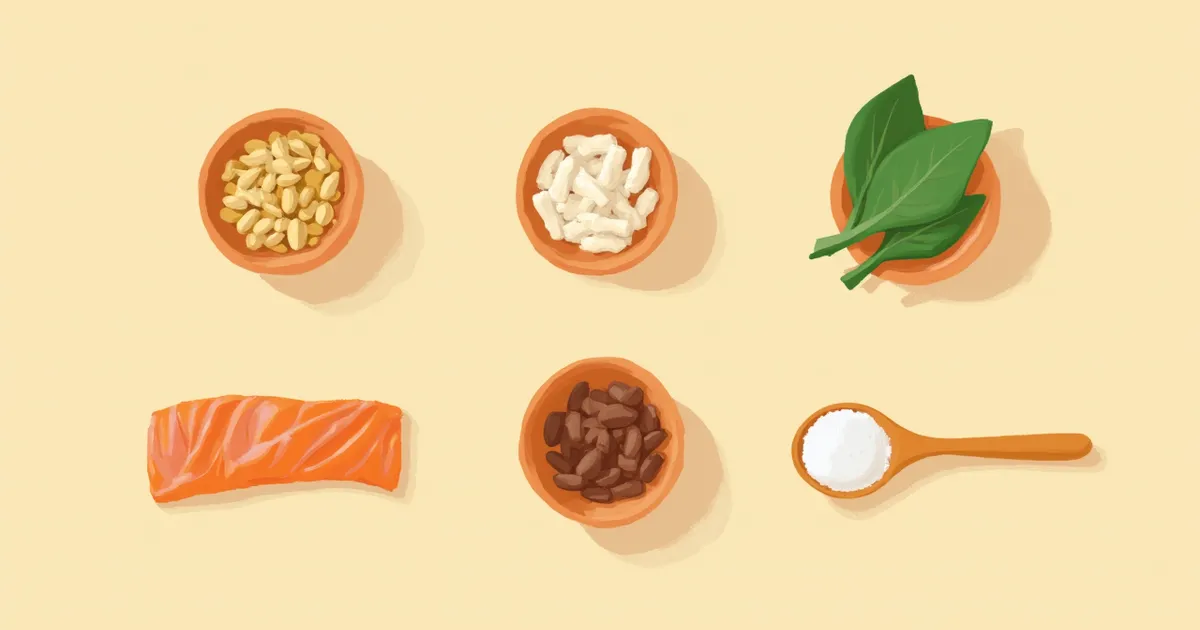
Liver (beef liver, chicken liver), shellfish, nuts, and legumes are rich in copper. Overfeeding liver treats can lead to excessive copper intake, so it’s important to monitor the amount given. For safety, consult your veterinarian to determine the appropriate frequency and quantity of these treats.

Share

Related Guides

References

[1] National Research Council, Nutrient Requirements of Dogs and Cats, 2006

[2] Fascetti AJ, Delaney SJ, Applied Veterinary Clinical Nutrition, 2nd Ed, Wiley-Blackwell, 2012

[3] Riond B et al., Handbook of Veterinary Pharmacology, Wiley-Blackwell

[4] Hoffmann G et al., Copper-associated chronic hepatitis in dogs, J Vet Intern Med, 2006

This information is based on veterinary literature and does not replace diagnosis or treatment. Please consult a veterinarian for specific health concerns.

Metapet Co., Ltd. | CEO: Park Sung-yong | Business Reg. No. 417-88-02562 | Seoul, South Korea | Customer Center

Copper's 7 Roles in Coat Color & Liver Health, Per Vets | Meongsiljang