Like
Share
멍실장
요오드 효과와 갑상선 건강

7 Key Benefits of Iodine for Pet Thyroid Health, Explained by Veterinarians

WeightIngredientsMeongsiljang Veterinary Advisory Board

Iodine is an essential mineral for producing thyroid hormones in dogs and cats. Both deficiency and excess can be harmful, so it's important to ensure your pet's food contains the appropriate amount.

What Is Iodine? The Key Ingredient for Thyroid Hormones
An anatomical illustration showing the location of the thyroid gland in the neck area of dogs and cats.
Iodine is an essential mineral required for the production of thyroid hormones in dogs and cats. Both deficiency and excess can lead to thyroid health issues, making the right dosage crucial. It is important to check the iodine content in pet food and to have cats undergo regular thyroid screenings (total T4) starting at age 10. Avoid supplementing with seaweed-based treats or additives, as this can easily lead to iodine overdose.

The Role of Iodine in the Body

Iodine accumulates in the thyroid gland, a butterfly-shaped organ located at the front of the neck, where it serves as the raw material for thyroid hormones (T3 and T4). These hormones regulate the body's overall metabolic rate, influencing nearly every function, including heart rate, body temperature maintenance, energy expenditure, hair and skin regeneration, and brain development. Therefore, either a deficiency or an excess of iodine can disrupt the body's overall balance.

Key Effects of Iodine

Iodine is more than just a simple mineral; it plays a vital role in regulating your pet’s overall bodily rhythms.
Thyroid hormone synthesis: It serves as a direct building block for T3 and T4 hormones.
Basal metabolic rate regulation: It helps maintain stable heart rate, body temperature, and energy expenditure.
Coat and skin health: A deficiency in thyroid hormones can lead to hair loss and dry skin.
Nervous system and brain development: This is especially critical during the puppy and kitten stages.
Reproductive function: In cases of hypothyroidism, reproductive function may occasionally be affected.
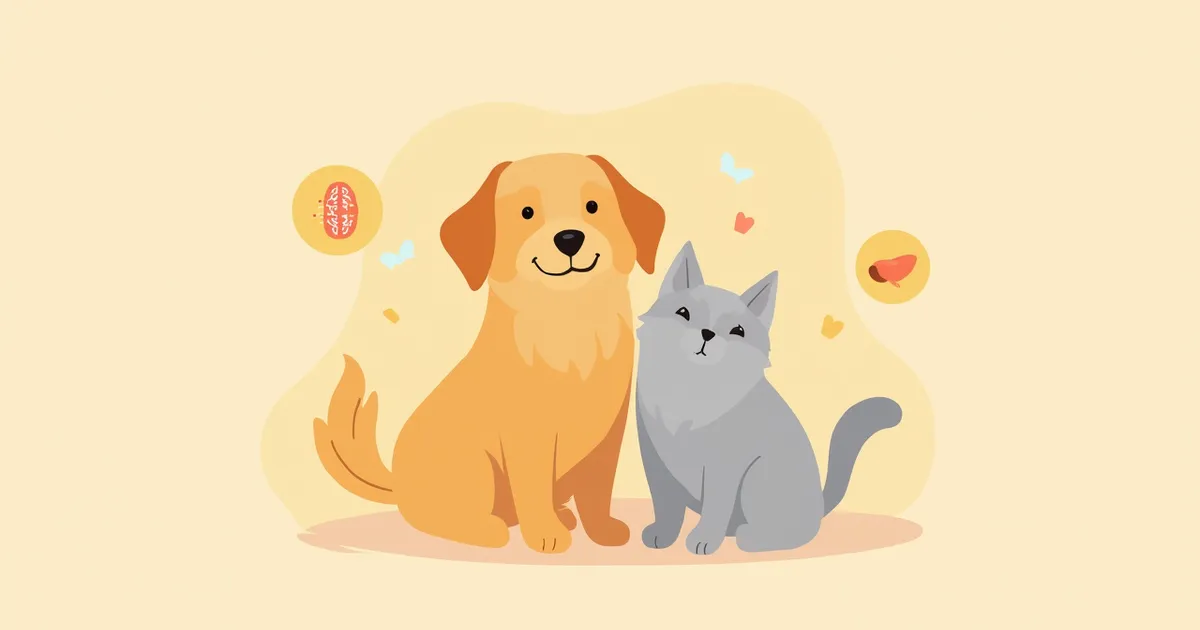
An infographic showing the role of iodine in pets' bodies

Iodine According to Veterinary Research

According to veterinary nutrition textbooks, iodine is classified as an essential mineral for both dogs and cats. Hyperthyroidism is a relatively common endocrine disorder in senior cats, but exact incidence rates vary across sources, making it difficult to pinpoint a definitive figure. Veterinary textbooks identify antithyroid medications, surgical thyroidectomy, and radioactive iodine therapy as effective treatment options for hyperthyroidism. Additionally, prescription diets restricted in iodine are used as a therapeutic option. The most suitable treatment depends on the individual cat’s condition, so a veterinarian’s assessment is necessary.

Recommended Iodine Intake

Dogs and cats each have specific recommended iodine intake levels based on veterinary nutritional standards. However, since there is limited research available on cats' iodine requirements, it's important to keep in mind that appropriate amounts may vary by species and age. If you're feeding a commercially available complete pet food, additional supplementation is rarely necessary. Giving seaweed such as kelp, wakame, or nori as part of human food or supplements can easily lead to iodine excess. If you're considering giving supplements, always consult with your veterinarian first.

Symptoms of Iodine Deficiency

Iodine deficiency is rare in the era of complete commercial pet foods, but it can occur in pets fed homemade diets for extended periods.
Hypothyroidism: Decreased energy levels and increased sleepiness.
Weight gain: Weight increases despite unchanged food intake.
Skin and coat issues: Symmetrical hair loss and darkening of the skin.
Cold intolerance: Difficulty maintaining body temperature.
Bradycardia: Slowed heart rate.
This condition is more commonly reported in dogs.

Excessive Iodine Is Even More Dangerous
Excessive iodine intake can disrupt thyroid hormone levels and cause direct toxic effects. In senior cats, hyperthyroidism often presents with a variety of symptoms, making careful iodine management and regular veterinary check-ups essential.
Excessive tearing, drooling, or nasal discharge: These are signs of mucosal irritation caused by direct iodine overdose.
Dry, rough skin and coat: Iodine excess can deteriorate skin and fur quality.
Weight loss: Cats with hyperthyroidism may lose weight despite having a good appetite.
Hyperactivity and restlessness: You may notice increased vocalization and pacing, even at night.
Rapid heart rate (tachycardia): The heart rate may remain abnormally fast even when the cat is at rest.
Vomiting and diarrhea: Gastrointestinal symptoms may recur frequently.
An elderly cat that has lost weight rapidly sits on the examination table.

Iodine Management Changes With Thyroid Disease

If your cat has been diagnosed with hyperthyroidism, your veterinarian will recommend one of three treatment options: an iodine-restricted prescription diet (such as the y/d line), antithyroid medication, or radioactive iodine therapy. Because treats, dental chews, and human foods can all be sources of iodine, strict management is essential to prevent unintended exposure. Your veterinarian will determine the most appropriate treatment plan and diet based on your cat’s weight and hormone levels. Please avoid changing the prescribed diet or administering supplements without veterinary guidance, as doing so can compromise the effectiveness of the treatment.

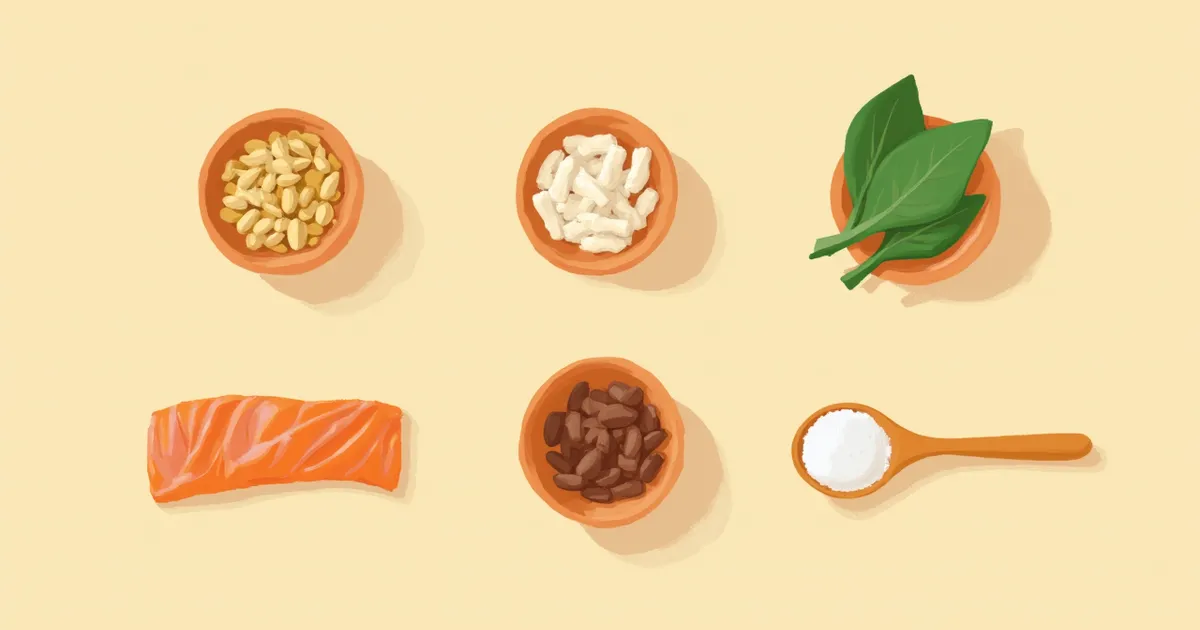
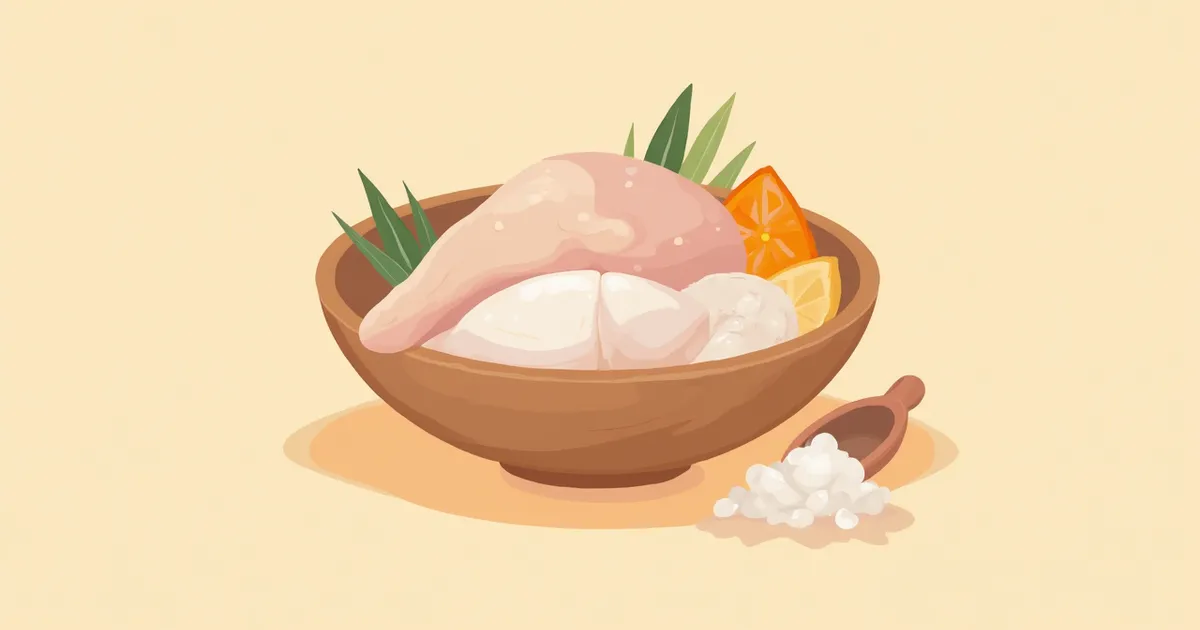
Common Ingredients Containing Iodine

Safe

완전사료(AAFCO 기준)

적정 요오드 자동 공급

Dosage: 제품 급여 가이드대로

미국사료관리협회 권장

Caution

생선·해산물

천연 요오드 공급원

Dosage: 주 1~2회 소량

익혀서 소량만 급여

High risk

다시마·미역 분말

고농도 요오드

Dosage: 임의 급여 금지

과잉 섭취 위험

Caution

요오드 제한 처방식

갑상선 항진 관리

Dosage: 수의사 처방

Paetau-Robinson 등, 2018

Reviewed by a veterinarian

Dr. Tony — Punnawat Phongkittirak

Dr. Tony — Punnawat Phongkittirak

Veterinarian

A veterinarian who majored in veterinary medicine at Khon Kaen University, Thailand, and completed the IVSA program at North Carolina State University in the United States. Drawing on clinical experience at animal hospitals, he works in the pet healthcare field and is dedicated to building a digital care environment that connects pet parents with veterinarians.

Frequently Asked Questions

Can I give my dog kelp or wakame?
A very small amount is fine, but I don’t recommend giving it regularly. Complete pet foods already contain sufficient iodine, so additional intake can easily lead to excess. It’s safest to offer it only as an occasional treat.
Do I need to give iodine supplements separately?
If your pet is already eating a complete and balanced commercial diet, there’s no need to supplement. Only consider adding supplements after consulting with your veterinarian if you’ve been feeding a homemade diet for an extended period.
Is feline hyperthyroidism caused by iodine?
Current veterinary evidence does not clearly establish a direct causal link between excessive iodine intake and hyperthyroidism. In fact, some studies suggest that too much iodine can temporarily lower thyroid hormone levels. Hyperthyroidism typically results from a combination of factors, including age, genetics, and environmental hormones. For cats aged 10 and older, the most reliable way to detect the condition early is through an annual total T4 blood test.
How can iodine deficiency be diagnosed?
A blood test to check thyroid hormone (T4) levels can provide the answer. If your pet is experiencing symmetrical hair loss or a sudden drop in energy, it's a good idea to have them examined at a veterinary clinic.
Do dogs and cats have the same iodine requirements?
It’s different. However, there is very limited research available on cats’ iodine requirements, making it difficult to pinpoint an exact amount. Since recommended intake levels and physiological responses can vary by species, avoid feeding dog food to cats or cat food to dogs, and consult your veterinarian for specific dietary needs.

Share

Related Guides

References

[1] Little SE. The Cat: Clinical Medicine and Management, 2nd Edition. Elsevier, 2020

[2] Fuentes VL, Johnson LR, Dennis S. BSAVA Textbook of Cardiovascular Medicine in Dogs and Cats

[3] Peterson ME, Kintzer PP, Hurvitz AI. Methimazole treatment of 262 cats with hyperthyroidism. J Vet Intern Med. 1988;2:150

[4] Paetau-Robinson I, Melendez LD, Forrester SD, et al. Comparison of health parameters in normal cats fed a limited iodine prescription food vs. a conventional diet. J Feline Med Surg. 2018;20(2):142-148

[5] 미국사료관리협회(AAFCO) Dog and Cat Food Nutrient Profiles, 2024

This information is based on veterinary literature and does not replace diagnosis or treatment. Please consult a veterinarian for specific health concerns.

Metapet Co., Ltd. | CEO: Park Sung-yong | Business Reg. No. 417-88-02562 | Seoul, South Korea | Customer Center