Like
Share
멍실장
DHA 인지·뇌 건강 효과와 급여

DHA Cognitive and Brain Health Benefits and Feeding

Brain & CognitionIngredientsMeongsiljang Veterinary Advisory Board

DHA is an essential omega-3 fatty acid that forms a key component of the brain, retina, and nervous system in dogs and cats. It plays an important role in cognitive development, retinal health, and anti-inflammatory processes.

What is DHA?

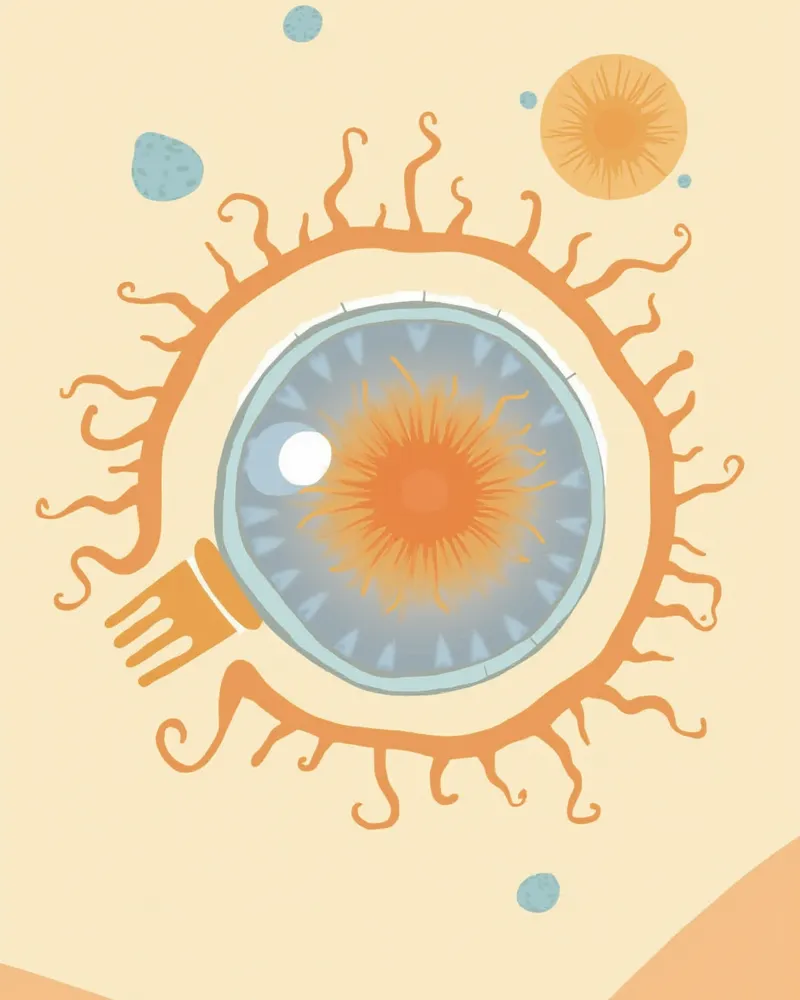
An image illustrating how DHA acts on the brain and retina.
DHA (docosahexaenoic acid) is a key omega-3 fatty acid that forms the structural basis of the brain, retina, and nervous tissue in dogs and cats. What’s truly important is that the body’s ability to convert alpha-linolenic acid (ALA) into DHA is limited, so dietary supplementation is especially recommended for cats and growing animals. In pregnant and nursing mothers and their young, DHA directly supports brain and retinal development, and it may also help maintain cognitive function in senior pets.

Key Benefits of DHA

DHA is not just a simple supplement; it is a building block for neural tissue. The following effects are reported in veterinary nutrition literature:
Brain and cognitive development: Plays a crucial role in early brain development in fetal and neonatal puppies and kittens.
Retinal and visual function: As a major component of retinal phospholipids, it helps maintain visual function.
Anti-inflammatory action: Integrated into cell membranes, it is involved in the production of inflammatory mediators and helps regulate inflammatory responses in joint and skin tissues.
Cardiovascular health: Integrated into cell membranes, including those in heart tissue, it is used in veterinary medicine to support the management of cardiovascular diseases.
Cognitive maintenance in senior dogs: Diets containing omega-3 fatty acids are reported to help delay cognitive decline in dogs, while research on cats in this area remains limited.

Veterinary Research Evidence

According to veterinary nutrition textbooks, DHA accumulates at high concentrations in the retinal tissue of both dogs and cats, making it essential for visual function. During late pregnancy and the neonatal period, there is a rapid accumulation of brain fatty acids, with DHA being the primary component. Because the conversion rate from alpha-linolenic acid (ALA) to DHA is low, it is much more efficient to provide DHA in its preformed form, such as from fish oil.
How DHA accumulates in retinal photoreceptor cells and brain neurons

Comparison of DHA and Other Omega-3s

Safe

DHA (도코사헥사엔산)

뇌·망막·신경 구성, 인지 발달

Dosage: 25mg/kg/일 (심혈관 기준)

NRC·수의영양학 교과서 권장

Safe

EPA (에이코사펜타엔산)

항염증, 관절·피부 건강

Dosage: 40mg/kg/일 (심혈관 기준)

Plumb's 수의약리학 교과서

Safe

ALA (알파-리놀렌산)

DHA·EPA 전구체 (전환율 낮음)

Dosage: 식물성 유래

보조적 공급원

Recommended Feeding Dosage Guidelines

Most omega-3 products sold for pets contain both EPA and DHA. For cardiovascular disease management, veterinary pharmacology textbooks recommend a daily dose of 40 mg EPA and 25 mg DHA per kilogram of body weight, administered once daily. However, dosages may vary for other conditions such as arthritis or skin diseases, so always consult your veterinarian before determining the appropriate dose.

DHA-Rich Dietary Sources

DHA is primarily abundant in fish from cold oceans. Here’s a summary of safe sources for pets to consume:
Salmon oil: The most commonly used source of DHA and EPA.
Refined fish oil: Pet-specific products that reduce rancidity and quality issues are safer.
Krill oil: A source containing EPA and DHA in phospholipid form.
Algae oil: A plant-based alternative for pets sensitive to the fishy smell.
Avoid general human-grade fish oil due to potential additive and dosage concerns; instead, choose products specifically formulated for pets.
A variety of oil products rich in DHA

Side Effects and Precautions

While pets generally tolerate DHA well, cats in particular require caution with long-term or excessive supplementation, as there is no clearly established safe upper limit for EPA and DHA.
Diarrhea or soft stools: This may occur initially if your pet has difficulty adjusting to the oily ingredients.
Blood clotting concerns: Consult your veterinarian before use if your pet is scheduled for surgery or is currently taking anticoagulant medication.
Weight gain: Since this is a fat source, be sure to account for its calories in your pet’s daily intake.
Risk of rancidity: Store in the refrigerator after opening. Oxidized products lose their efficacy, so use them within the expiration date.
Allergies: If your pet has a fish protein allergy, substitute with an algae oil.

When to Consult a Veterinarian

It is essential to consult your veterinarian before giving DHA to pets that are pregnant or nursing, scheduled for surgery, prone to bleeding, or have underlying conditions such as liver or pancreatic disease. This is especially important for cats, as their ability to convert fatty acids is more limited than that of dogs, making the choice of product and dosage critical.

Reviewed by a veterinarian

Dr. Tony — Punnawat Phongkittirak

Dr. Tony — Punnawat Phongkittirak

Veterinarian

A veterinarian who majored in veterinary medicine at Khon Kaen University, Thailand, and completed the IVSA program at North Carolina State University in the United States. Drawing on clinical experience at animal hospitals, he works in the pet healthcare field and is dedicated to building a digital care environment that connects pet parents with veterinarians.

Frequently Asked Questions

Can I give my dog or cat human omega-3 supplements?
We do not recommend it. Products intended for humans often contain added fragrances, sweeteners, and vitamins, and it is difficult to calculate the appropriate dosage based on a pet’s body weight. It is safer to choose products specifically formulated for pets.
Is it okay to feed DHA alone?
DHA and EPA work synergistically when taken together. Most commercial products already contain both components, so there’s no need to isolate DHA alone.
When can I start noticing the effects?
The time it takes to see results varies depending on the individual, the purpose of use, and the pet’s overall health. External changes, such as improved skin and coat shine, often appear gradually, while improvements in cognitive and joint function typically require consistent, long-term administration. Even if you don’t notice immediate effects, it’s important not to stop abruptly; instead, continue use and consult with your veterinarian for guidance.
Can it be given during pregnancy and lactation?
In fact, it’s recommended. DHA is essential for the brain and retinal development of fetuses and newborn puppies and kittens. However, the dosage should be determined in consultation with a veterinarian.
What should I do if my pet can’t swallow the capsule?
You can open the capsule and sprinkle its contents over your pet’s food, or opt for a liquid formulation from the start. Avoid giving a large amount all at once; instead, divide the dose into smaller portions to help your pet gradually adjust.

Share

Related Guides

References

[1] National Research Council, Nutrient Requirements of Dogs and Cats, 2006

[2] Plumb's Veterinary Drug Handbook, 10th Ed

[3] BSAVA Manual of Canine and Feline Dermatology, 4th Ed

[4] Abedin et al., Retinal DHA accretion in dogs, 1999

[5] Delton-Vanderbroucke et al., Retinal fatty acid metabolism, 1998

This information is based on veterinary literature and does not replace diagnosis or treatment. Please consult a veterinarian for specific health concerns.

Metapet Co., Ltd. | CEO: Park Sung-yong | Business Reg. No. 417-88-02562 | Seoul, South Korea | Customer Center

DHA for Dogs & Cats: Brain & Cognitive Benefits | Meongsiljang