
7 Anti-Inflammatory Effects of Quercetin Noted by Veterinarians — Feeding Guide for Dogs
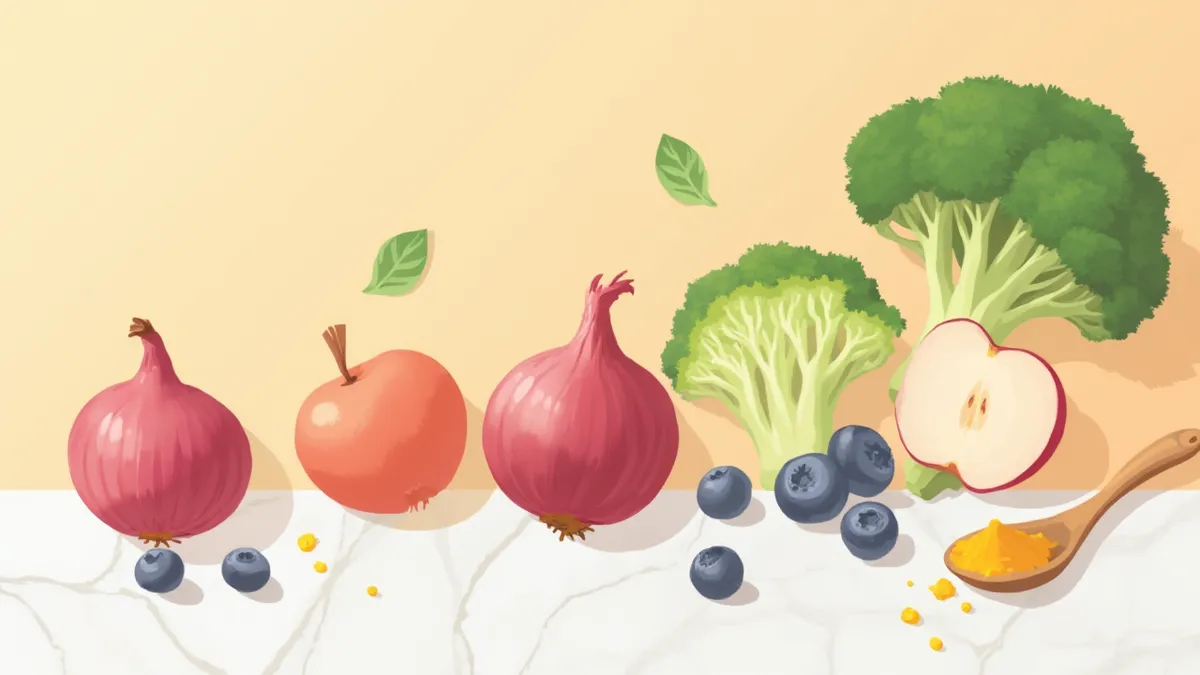
Quercetin is a natural flavonoid found abundantly in onions, apples, and berries, and it is used to help alleviate allergic itching and chronic inflammation in dogs and cats. Here’s a summary of weight-based dosages, administration on an empty stomach, and breeds to watch out for.
What Is Quercetin?
Key Effects of Quercetin
How Far Does the Veterinary Evidence Go?
Ingredients Frequently Used with Quercetin
케르세틴(Quercetin)
항히스타민·항염·항산화
Dosage: 체중 1kg당 8mg (1일 1~2회)
수의피부과학 보조 요법 권장
브로멜라인(Bromelain)
케르세틴 흡수율 증가, 소염
Dosage: 케르세틴 용량의 1/2
흡수 보조제로 병용
오메가3(EPA/DHA)
피부 장벽·항염 시너지
Dosage: 체중 1kg당 EPA+DHA 50~75mg
아토피 관리 1차 보조
비타민E
항산화 시너지
Dosage: 소형견 25~50IU/일
과량 시 출혈 경향
Recommended Feeding Dosage Guide
The appropriate dosage of quercetin varies depending on the product’s concentration, your pet’s weight and health status, and the presence of any underlying conditions. Currently, there is no single, standardized veterinary recommendation for dosing. Because cats and dogs differ in their liver metabolism, especially cats, it’s important to start with a much lower dose than for dogs and closely monitor their response. Since quercetin has low bioavailability, administering it with a meal containing fat may improve absorption. Ingredient concentrations vary by product, so always check the label. For safety, consult your veterinarian to determine the correct dosage and frequency based on your pet’s weight and overall health.
Side Effects and Situations to Watch Out For
Do Not Use in These Pets
Breeds with known drug-sensitivity gene (MDR1/ABCB1) mutations, such as Collies, Shetland Sheepdogs, and Australian Shepherds, require careful consideration even when using supplemental ingredients like quercetin. Pets diagnosed with liver or kidney disease should also avoid high doses of supplements. Particular caution is needed when administering high-dose antioxidants to pets undergoing cancer treatment, due to concerns that antioxidants may interfere with the efficacy of cancer therapy. Caution is also advised when giving various supplements during the pre- and post-operative periods. If your pet is already taking steroids or immunosuppressants, do not add supplements on your own; instead, share a list of all current supplements with your veterinarian before making any decisions.
How to Feed for Better Effectiveness
Reviewed by a veterinarian

Dr. Tony — Punnawat Phongkittirak
VeterinarianA veterinarian who majored in veterinary medicine at Khon Kaen University, Thailand, and completed the IVSA program at North Carolina State University in the United States. Drawing on clinical experience at animal hospitals, he works in the pet healthcare field and is dedicated to building a digital care environment that connects pet parents with veterinarians.
Reviewed 2026-04-23
Frequently Asked Questions
Can I share human quercetin supplements with my dog?
When will I start seeing results?
I heard it contains onions. Is it safe to feed onions to my pet?
Can I use this on my cat too?
Can it be used together with other allergy medications?
Share
Related Guides

Primary vs. Secondary Veterinary Hospitals: A Comparison
5 Easy-to-Raise Cat Breeds for First-Time Owners — Grooming Difficulty Comparison

Top 7 Short-Legged Dog Breeds

Vitamin E Benefits and Feeding Guide
Vitamin C Benefits and Feeding Guide
What is Lutein? Effects on Dog Eye Health
Fish Oil Benefits and EPA·DHA Content Comparison

Creatine Effects and Feeding Guide for Active Dogs
What Are Pet Antioxidants? A Guide to Key Ingredients for Immune Support

What is Chondroitin for Dogs? Joint Health Benefits and Dosage
References
[1] Plumb DC, Plumb's Veterinary Drug Handbook, 9th Edition, 2018
[2] Ettinger SJ, Feldman EC, Textbook of Veterinary Internal Medicine, 8th Edition, 2017
[3] Hill RC et al., Nutraceuticals in veterinary medicine, Journal of Small Animal Practice, 2019
[4] Miller WH, Muller and Kirk's Small Animal Dermatology, 7th Edition, 2013