Like
Share
멍실장
강아지 간성 뇌증 관리 추천 BEST와 고르는 기준 총정리

7 Key Management Essentials for Hepatic Encephalopathy in Dogs That Owners Must Know

Liver HealthTop PicksMeongsiljang Veterinary Advisory Board

Hepatic encephalopathy in dogs is a condition in which toxic substances accumulate in the brain due to impaired liver function, making proper management essential. Here’s a guide to choosing effective supplements and care strategies.

Hepatic Encephalopathy in Dogs Is a Brain Dysfunction Caused by Impaired Liver Function
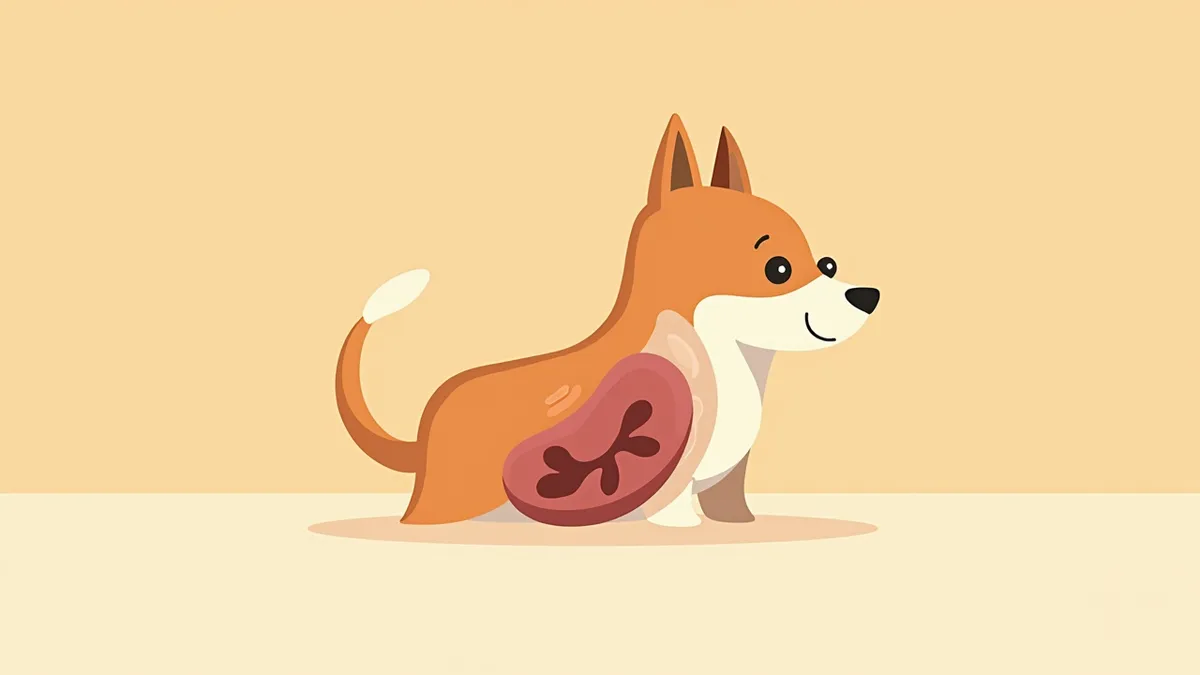
Medical illustration of a dog's brain scan showing the accumulation of toxic substances in the brain due to impaired liver function.
Hepatic encephalopathy in dogs occurs when the liver fails to properly process toxic substances, allowing nitrogenous compounds like ammonia to enter the bloodstream and affect the brain. In addition to ammonia, other substances such as glutamate, GABA (gamma-aminobutyric acid), and aromatic amino acids are also known to be involved. The most common cause in dogs is portosystemic shunt (PSS). Rather than being a condition specific to senior dogs, it often presents in younger dogs with recurring abnormal symptoms or growth retardation. Neurological signs such as disorientation, confusion, and changes in sleep patterns may appear intermittently and subtly, making early detection and consistent management crucial. To reduce the toxic substances reaching the brain, the key is to appropriately regulate dietary protein and modify the gut microbiota to lower ammonia production and absorption. Working closely with a veterinarian to develop an individualized nutrition and care plan is the safest and most effective approach. - Dietary Protein Management: Choose products with adjusted protein levels and types to reduce the burden on the liver. However, avoid excessive restriction and adjust under veterinary guidance. - Improving Gut Environment: Approaches that alter the gut microbiota, such as using lactulose or soluble fiber, can help reduce ammonia absorption. - Hepatoprotective Support: Antioxidant and liver-protective ingredients such as vitamin E, SAMe, and milk thistle are recommended as supportive measures.

What Are the Key Criteria for Selecting Management Products for Hepatic Encephalopathy in Dogs?

When selecting a product to manage hepatic encephalopathy in dogs, prioritize scientific evidence and stability of the ingredients, as well as veterinary recommendations. It is especially important to verify that the formulation aligns with textbook-recognized management strategies, namely dietary protein modulation and regulation of the gut microbiota. - Dietary Protein Modulation: Check whether the product is designed to reduce the burden of nitrogenous compounds, such as ammonia, by controlling the amount and type of protein. Proteins from soy or dairy are generally better tolerated. - Gut Microbiota Management: Ingredients that modify the gut environment to reduce ammonia production and absorption, such as lactulose and soluble fiber, can be helpful. - Hepatoprotective Supportive Ingredients: Antioxidant and hepatoprotective ingredients such as vitamin E, SAMe, and milk thistle are recommended as supportive measures. Additionally, the product should clearly specify feeding amounts appropriate for individual body weight and health status, and you should choose one that maintains stable quality for long-term use. However, excessively restricting protein can be harmful, so be sure to consult your veterinarian before making a decision.
A veterinarian reviewing nutritional supplements for managing hepatic encephalopathy, alongside medical documents

BEST 1: Nutritional Supplement with Potent Hepatoprotective Ingredients

This product is marketed as a nutritional supplement to support liver health, with a formulation centered on antioxidant and hepatoprotective ingredients. In textbook liver disease management, ingredients such as vitamin E, SAMe, and milk thistle are cited as having evidence-based supportive roles, particularly in inflammatory liver diseases. However, the definitive claim that glutamine “neutralizes” ammonia to eliminate neurotoxicity is not supported by current evidence, and there is no scientific basis for the liver-specific benefits of glucosamine, saponins, or lutein; these should therefore be understood only as minor supporting ingredients. With any supplement, long-term use requires careful attention to product quality stability and guidance from a veterinarian. - Supportive liver care: Antioxidant and hepatoprotective ingredients may offer supportive benefits. - Managing protein load: Consider dietary protein adjustments to reduce the burden of nitrogenous compounds. - Safe usage: Avoid overestimating the efficacy of individual ingredients, and consult your veterinarian to determine the appropriate dosage.
A bottle of a powerful supplement containing liver-protective ingredients is placed on a wooden table.

BEST 2: Low-Protein Dietary Supplement for Hepatic Encephalopathy

This product is designed to reduce the burden on the liver by adjusting both the amount and type of protein, while still providing a balanced supply of essential amino acids. According to standard veterinary guidelines, rather than simply reducing overall protein intake, it is recommended to limit proteins high in aromatic amino acids and instead use more easily tolerated sources, such as soy or dairy products. It is best to avoid red meat, fish, and organ meats. While some claims suggest that specific amino acids like alanine and glycine can support liver metabolism and reduce toxin accumulation, these effects have not been conclusively proven by available evidence, so they should be viewed as supplementary benefits only. - Protein Management: For dogs with compromised liver function, a diet with carefully adjusted protein levels and sources is appropriate. However, avoid excessive restriction. - Nutritional Balance: The diet should reduce protein intake while ensuring no nutritional deficiencies occur. - Safe Usage: Consult your veterinarian to determine the appropriate serving size based on your dog’s individual weight, and verify the product’s quality and stability for long-term use.
A dog food bowl provided alongside a low-protein dietary supplement specifically formulated for hepatic encephalopathy.

BEST 3: Product Containing Probiotics Specialized in Removing Neurotoxins
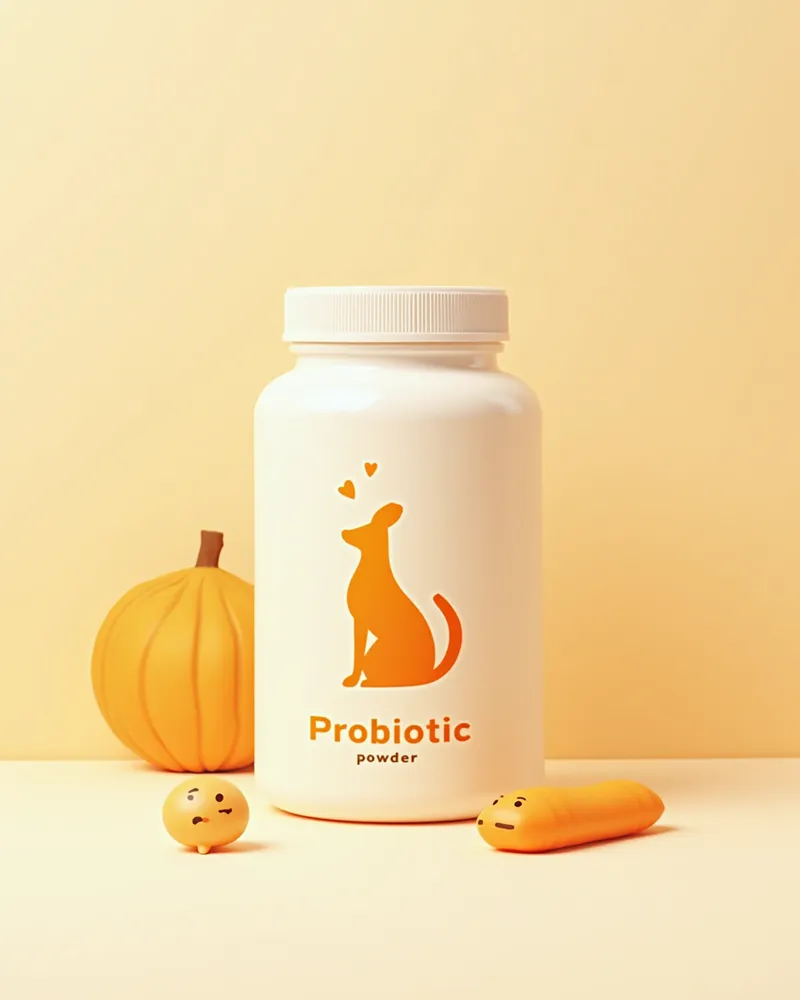
This product is formulated primarily with probiotics, aiming to modulate the gut microbiota to reduce ammonia production and absorption. Textbook approaches to altering the gut microbiota (such as lactulose, soluble fiber, and antibiotics) help alleviate hepatic encephalopathy symptoms by reducing the bacterial burden responsible for ammonia production. However, the efficacy of specific strains like Lactobacillus acidophilus or Bifidobacterium longum is not confirmed by the provided evidence, so it is best to view this product as a supplementary aid. - Improved Gut Environment: Modulating the gut microbiota may help reduce ammonia production and absorption. - Reduced Neurotoxicity: Decreasing the absorption of nitrogenous compounds produced in the gut reduces the burden on the brain. - Safe Usage: Do not over-rely on the efficacy of specific strains; consult your veterinarian before use.
A probiotic product specialized in removing brain toxins, packaged in a transparent bottle.

Comparison Table of BEST 1–3 Products

ItemBEST 1BEST 2BEST 3
Key IngredientsGlutamine, saponins, glucosamineAlanine, glycine, low proteinLactobacillus acidophilus, Bifidobacterium longum
Function (supportive)Antioxidant/liver protection supportSupport for regulating amount and type of dietary proteinSupport for regulating gut microbiota
When to ConsiderWhen liver protection support is neededWhen protein regulation is neededWhen gut microbiota management is needed
NoteBenefits are supportive in nature (not proven)Avoid excessive protein restrictionInsufficient evidence for specific strain effects

The ingredient benefits in the table are not conclusively proven but are supportive in nature. For hepatic encephalopathy, confirming hyperammonemia and impaired liver function is central to diagnosis, and excessively restricting protein may actually be harmful. Always choose after consulting your veterinarian and adjust the feeding amount to each animal's body weight and condition.

Caution: Overdosing May Increase Liver Burden

Don’t overestimate the efficacy of supplements or adjunctive therapies; it’s crucial to follow the dosage prescribed by your veterinarian based on your pet’s weight and condition. In managing hepatic encephalopathy, rather than strictly limiting protein intake, adjust the amount and type of protein to suit your pet’s individual needs, as excessive restriction can be harmful. For dogs with severely compromised liver function, close veterinary monitoring and careful adjustment of dietary components are essential.

Tips for Managing Hepatic Encephalopathy in Dogs

Managing hepatic encephalopathy in dogs goes beyond simply administering supplements; daily care is equally important. It is essential to maintain a consistent feeding schedule and a protein-controlled diet tailored to your dog’s individual needs, while providing a low-stress environment. Regular veterinary check-ups are also crucial to monitor blood ammonia levels, liver function, and neurological symptoms.
Dietary Management: Adjust the amount and type of protein to reduce the burden on the liver. Utilize plant-based proteins such as soy and dairy, while avoiding red meat, fish, and organ meats. However, be careful not to restrict protein intake excessively.
Stress Management: Ensure your dog can rest comfortably in a quiet environment.
Regular Check-ups: Have your veterinarian periodically assess liver function and neurological status.
Hydration: Encourage adequate water intake.
A dog resting comfortably in a quiet environment, next to a water bowl.

Reviewed by a veterinarian

Dr. Tony — Punnawat Phongkittirak

Dr. Tony — Punnawat Phongkittirak

Veterinarian

A veterinarian who majored in veterinary medicine at Khon Kaen University, Thailand, and completed the IVSA program at North Carolina State University in the United States. Drawing on clinical experience at animal hospitals, he works in the pet healthcare field and is dedicated to building a digital care environment that connects pet parents with veterinarians.

Frequently Asked Questions

Can hepatic encephalopathy in dogs be cured?
The prognosis depends on the underlying cause. In cases where surgical correction, such as ligation for a portosystemic shunt, is feasible, improvement can be expected. However, if surgical correction is not possible or if the condition is chronic liver disease, management focuses on medical treatment. Because the outlook varies based on the cause and the response to therapy, it is essential to work with your veterinarian to establish a long-term management plan.
How many capsules of the supplement should I give my pet per day?
The appropriate dosage varies depending on your pet’s weight and the specific product. A veterinarian should determine the recommended amount based on your pet’s body weight. Overdosing can place unnecessary strain on your pet, so it’s important to strictly follow the prescribed dosage.
What tests should be performed if hepatic encephalopathy is suspected?
Blood tests to assess liver function, particularly checking blood ammonia levels (hyperammonemia), are key. Hepatic encephalopathy is diagnosed when neurological symptoms, hyperammonemia, and liver dysfunction are all present. Your veterinarian may recommend additional tests, such as imaging, as needed.
Why is dietary management important?
Protein breakdown produces nitrogenous compounds like ammonia, which can place a strain on the liver and brain. Therefore, it is important to carefully manage both the amount and type of protein in your pet’s diet. However, overly restrictive protein limitation can be harmful, so adjustments should always be made under veterinary guidance.
Why are probiotics helpful?
Approaches that help regulate the gut microbiota, such as lactulose and soluble fiber, can reduce ammonia production and absorption. However, since the efficacy of specific probiotic strains is not yet well-supported by evidence, it’s best to view them as complementary measures.

Share

Related Guides

References

[1] Plumb's Veterinary Drug Handbook, 9th Edition, 2022

[2] Ettinger, S.J. & Feldman, E.C. (2017). Textbook of Veterinary Internal Medicine, 8th ed. Elsevier.

[3] AAFCO (2023). Nutrient Profiles for Canine Diets. American Association of Feed Control Officials.

This information is based on veterinary literature and does not replace diagnosis or treatment. Please consult a veterinarian for specific health concerns.

Metapet Co., Ltd. | CEO: Park Sung-yong | Business Reg. No. 417-88-02562 | Seoul, South Korea | Customer Center

Hepatic Encephalopathy in Dogs: 7 Management Essentials | Meongsiljang