Like
Share
멍실장
고양이 간 비대(간종대) 관리 추천 BEST와 고르는 기준 총정리

7 Causes of Feline Hepatic Enlargement and Management Guidelines Explained by a Veterinarian

Liver HealthTop PicksMeongsiljang Veterinary Advisory Board

Feline hepatic enlargement requires different management approaches depending on the underlying cause. The key is selecting tailored nutritional supplements and care strategies.

Best Recommendations and Selection Criteria for Managing Feline Hepatic Enlargement (Hepatomegaly)
Cat liver-support diets and supplements
Hepatic enlargement (hepatomegaly) in cats is a condition in which the liver becomes abnormally enlarged, and management strategies vary depending on the underlying cause, such as hepatic lipidosis (fatty liver), congestion, hepatitis, tumors (e.g., lymphoma), or amyloid deposition. While nutritional management plays a supportive role in most liver diseases, it is the cornerstone of treatment for feline idiopathic hepatic lipidosis, making cause-specific management essential. - Hepatoprotective ingredients: Consider products containing vitamin E or ursodeoxycholic acid (UDCA), which are used for cholestatic and inflammatory liver diseases. - Antioxidant ingredients: Antioxidants such as vitamin E (10–15 IU/kg/day) or S-adenosylmethionine (SAMe) may help protect hepatocytes from oxidative damage. - Hepatic support ingredients: Products containing liver-supporting ingredients recommended by veterinarians (e.g., L-carnitine, taurine) are safe options. - Dietary management: Since protein is necessary for liver recovery, it is important to provide a diet with adequate protein tailored to the underlying disease. Consulting with your veterinarian to select an effective product based on these criteria is the first step in proper management.

Criteria for Selecting Nutritional Supplements for Feline Hepatic Enlargement Management
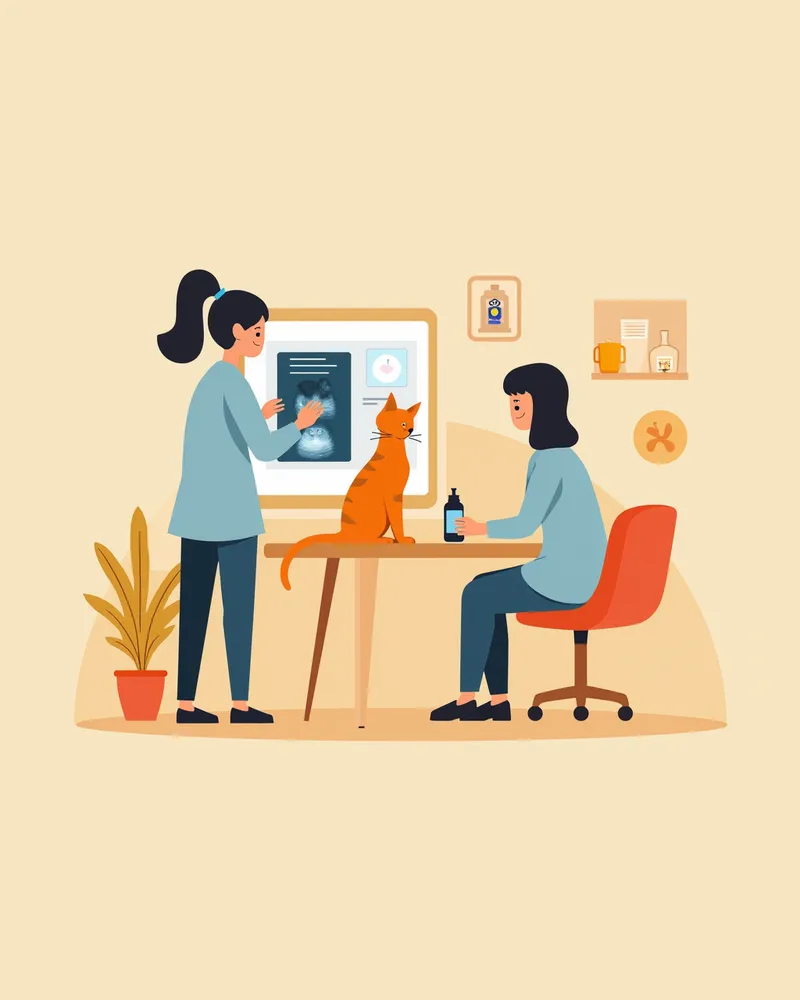
When choosing a nutritional supplement to manage feline hepatic enlargement, it’s important that the product contains ingredients suited to the underlying cause and the cat’s condition. For the safest choice, consult your veterinarian before selecting a product.
Ingredient transparency: Look for products that clearly list evidence-based ingredients for liver health, such as vitamin E, S-adenosylmethionine (SAMe), and ursodeoxycholic acid (UDCA).
Veterinary recommendation: Products prescribed or recommended by a veterinary clinic are generally more reliable.
Product form: Choose a form—liquid, powder, or capsule—that your cat will readily accept.
Side effects: Select a product that does not cause gastrointestinal discomfort or allergic reactions.
Compatibility with diet: Opt for supplements that can be safely administered alongside your cat’s current food.
Prioritizing scientific evidence and safety is key.
A veterinarian examining a cat with hepatomegaly

BEST 1: Hepatocyte-Protective Protein Capsules
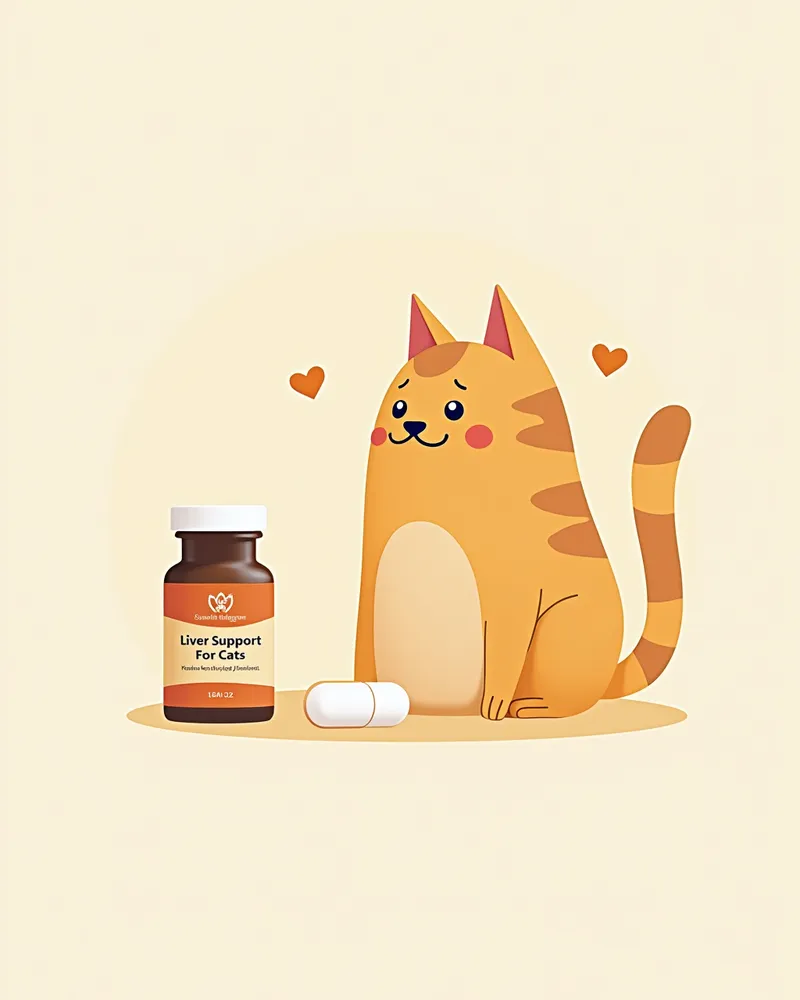
This product primarily contains vitamin E, which is used as an adjunctive treatment for cholestatic and inflammatory liver diseases in cats, helping to protect liver cells from oxidative damage. For safety, please consult your veterinarian before use.
Recommended Vitamin E Dosage: The textbook-recommended dosage is approximately 10–15 IU/kg/day; please verify the content listed on the product label.
Capsule Form: The capsules are small and soft, making them easy for cats to swallow.
No Preservatives: The absence of synthetic preservatives minimizes stress on gastrointestinal health.
Liver Support Effect: Used as an adjunctive therapy for liver disease, the actual efficacy and dosage should be adjusted based on your veterinarian’s diagnosis and liver enzyme test results.
If liver dysfunction is confirmed, it is best to use this product under veterinary guidance.
Cat Liver Support Capsules

BEST 2: Lutein and Vitamin E Complex Liquid
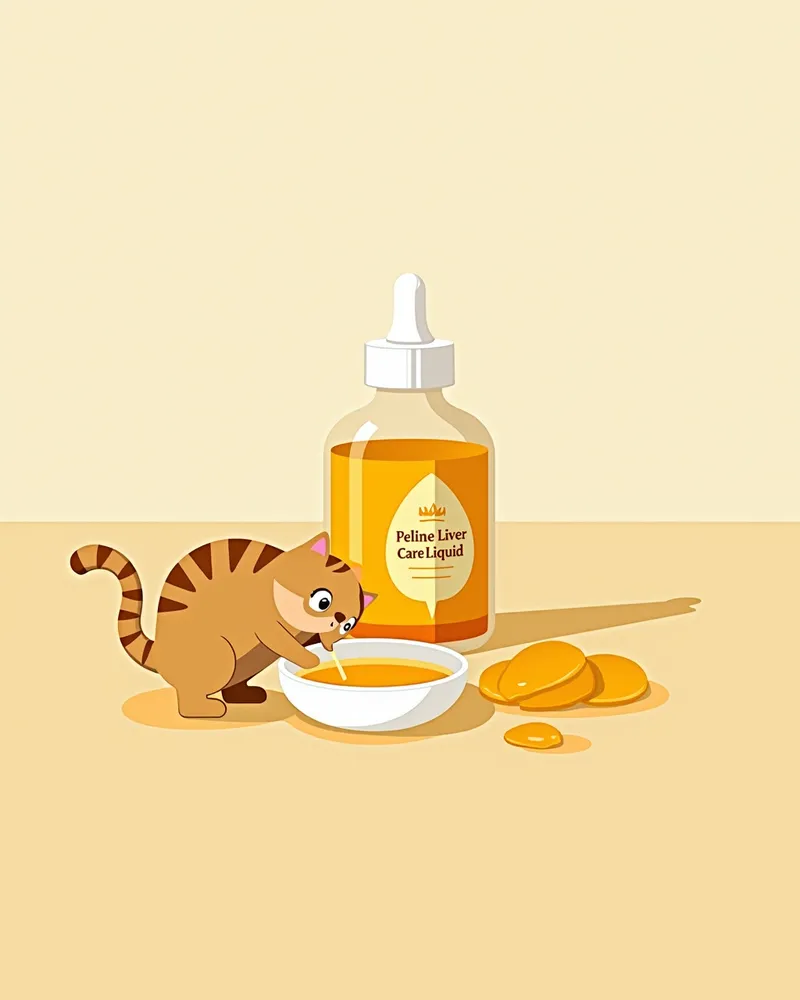
This product is a liquid formulation enriched with antioxidants to help protect liver cells from oxidative damage. Its liquid form makes it easy for cats to consume and convenient to administer.
Vitamin E: An antioxidant used at a dosage of 10–15 IU/kg/day for cholestatic and inflammatory liver disease.
SAMe (S-adenosylmethionine): An antioxidant adjunct used to protect liver cells.
Liquid form: Can be easily mixed into food for simple administration.
No flavor enhancers: The natural taste helps prevent rejection by cats.
Precautions for long-term use: Consult your veterinarian to determine the appropriateness of long-term use and the correct dosage.
This product can be referenced as a supplement to support and protect liver health.
Liquid supplement for protecting your cat's liver

BEST 3: Liver Function Improvement Compound Powder
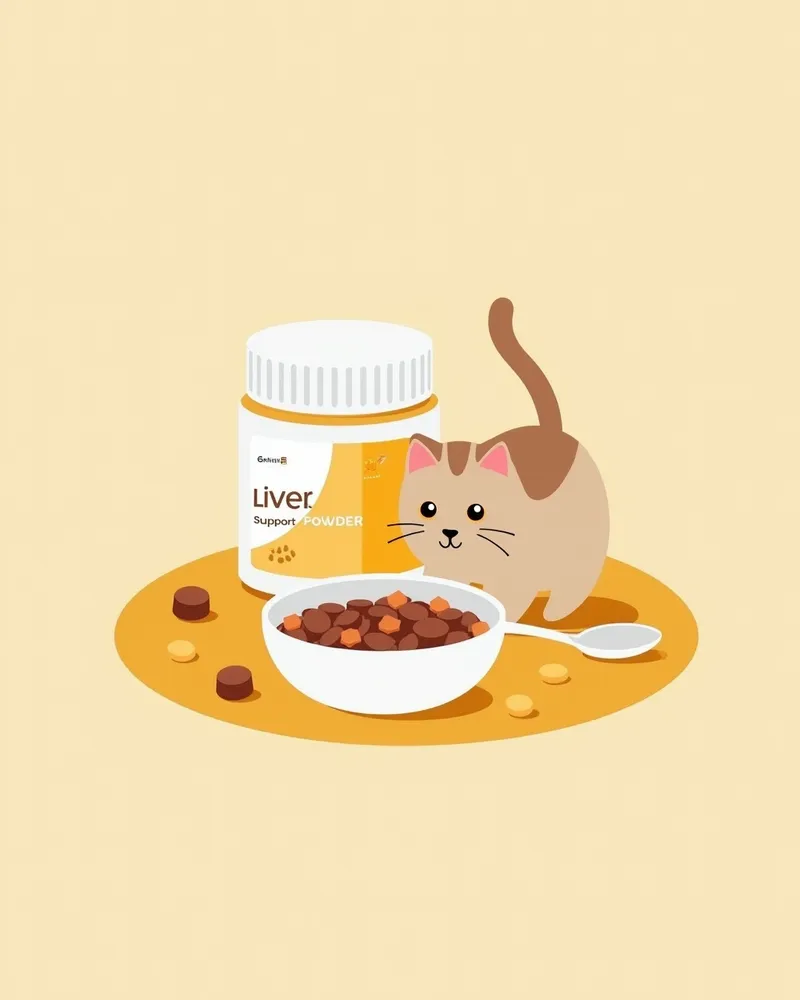
This product is a compound powder that combines ingredients known to support liver health, with multiple components working in harmony to help maintain your cat’s liver function. It can be a helpful addition when used alongside dietary management.
Multi-ingredient formula: Contains vitamin E, S-adenosylmethionine (SAMe), ursodeoxycholic acid (UDCA), and L-carnitine.
Powder form: Easily mixed into food or treats for convenient administration.
Protein considerations: Since protein is essential for liver recovery, ensure nutritional restrictions are not overly strict.
Supports dietary management: Can be used in conjunction with diet plans tailored to the underlying condition.
Veterinary consultation recommended: For best results, discuss the ingredients and dosage with your veterinarian.
Use this as a supportive solution for managing hepatic enlargement.
Cat Liver Support Complex Powder

Comparison Table of BEST 1–3 Products

ItemBEST 1 CapsuleBEST 2 LiquidBEST 3 Powder
Main IngredientsVitamin EVitamin E, SAMeVitamin E, SAMe, UDCA, L-carnitine
FormCapsuleLiquidPowder
Ease of AdministrationModerateHighHigh
Long-term Use PossibilityVeterinary consultation neededVeterinary consultation neededVeterinary consultation needed
Additional AdvantageProtects hepatocytes from oxidative damageAntioxidant supportComplex composition of liver-supportive ingredients

Comparison is based on veterinarian-recommended products. Since the evidence and safety of ingredients depend on the veterinary diagnosis and the cat's condition, choose after consultation.

Precautions and Contraindications

Depending on the cause of liver enlargement, use may be contraindicated or require caution. Always consult your veterinarian before use.

Usage Tips and Management Points

In addition to using the right products, daily care is essential for managing feline hepatic enlargement. Please follow these tips for effective management.
Regular check-ups: Schedule regular tests for liver enzymes (ALT and ALP) and ultrasounds to monitor for lesions.
Dietary management: Since protein is necessary for liver recovery, choose a diet that provides adequate protein tailored to the underlying condition, and avoid overfeeding.
Hydration: Encourage your cat to drink plenty of water.
Stress reduction: Maintain a quiet environment and ensure dedicated playtime.
Medication management: Avoid medications that are contraindicated in liver disease or place additional strain on the liver, such as diazepam, and administer all medications strictly according to your veterinarian’s instructions.
Consistent care is the key to restoring liver health.
A Stable Environment for Your Cat's Liver Health

Reviewed by a veterinarian

Dr. Tony — Punnawat Phongkittirak

Dr. Tony — Punnawat Phongkittirak

Veterinarian

A veterinarian who majored in veterinary medicine at Khon Kaen University, Thailand, and completed the IVSA program at North Carolina State University in the United States. Drawing on clinical experience at animal hospitals, he works in the pet healthcare field and is dedicated to building a digital care environment that connects pet parents with veterinarians.

Frequently Asked Questions

Can feline hepatic enlargement be treated?
It depends on the underlying cause. In some cases, such as fatty liver disease, nutritional management is the cornerstone of treatment, while conditions like tumors require targeted therapy based on the specific cause. With early identification of the cause and appropriate management, recovery can be expected.
When should I start giving my pet nutritional supplements?
Once a veterinarian confirms liver dysfunction through diagnosis, it is best to begin with supportive therapy as directed by the vet.
Is it safe to take liver-enlargement supplements long-term?
It varies depending on the active ingredients and the underlying condition. Be sure to consult your veterinarian to determine the appropriate dosage and whether long-term use is necessary.
How should I manage my pet’s diet?
Since protein is essential for liver recovery, provide adequate protein tailored to the underlying condition, avoid overfeeding, and encourage sufficient water intake.
If my pet develops an enlarged liver, do I need to take them to the vet?
Yes, it's important to identify the cause of liver enlargement and receive appropriate treatment. A visit to the vet is necessary to confirm the cause through blood tests, ultrasound, and other diagnostic methods.

Share

Related Guides

References

[1] Feldman EC, Nelson RW. Canine and Feline Endocrinology and Reproduction. 2nd ed. Philadelphia: Elsevier; 2017.

[2] Patterson-Kane JC, et al. Feline Hepatic Disease: A Review of Pathogenesis, Diagnosis, and Management. J Feline Med Surg. 2020;22(1):3-15.

[3] Plumb's Veterinary Drug Handbook. 9th ed. Ames, IA: Wiley-Blackwell; 2021.

This information is based on veterinary literature and does not replace diagnosis or treatment. Please consult a veterinarian for specific health concerns.

Metapet Co., Ltd. | CEO: Park Sung-yong | Business Reg. No. 417-88-02562 | Seoul, South Korea | Customer Center

7 Causes of Feline Hepatic Enlargement & Vet Care Guidelines | Meongsiljang