Like
Share
멍실장
고양이 탈수와 신장 손상 관리 추천 BEST와 고르는 기준 총정리

Veterinarian-Recommended Top 7 Products for Preventing and Managing Dehydration and Kidney Damage in Cats, Plus Selection Criteria

KidneyTop PicksMeongsiljang Veterinary Advisory Board

Early detection is key to saving your cat’s life when it comes to dehydration and kidney damage. Here’s a roundup of effective management products and care strategies.

Early Intervention Is Key to Managing Dehydration and Kidney Damage in Cats
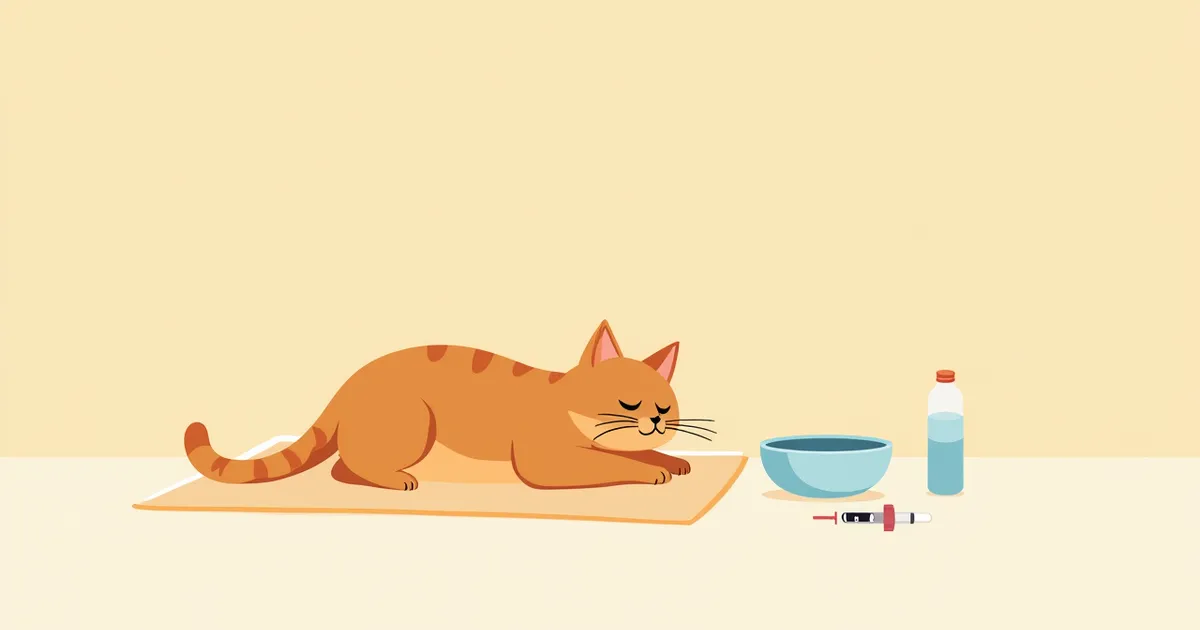
A veterinarian checking a cat for dehydration.
Dehydration and kidney damage in cats often present with subtle early symptoms, making them easy for pet owners to overlook. The risk is especially high in senior cats, so early detection is key to saving their lives. Regular check-ups with your veterinarian and consistent daily hydration management are essential. Early intervention can prevent complications and improve quality of life. Effective care requires both proper hydration and dietary adjustments. Creating an environment that enables prompt response to early signs is the most important step.

Check These Four Key Factors When Choosing a Product
When choosing a product to manage dehydration and kidney damage in cats, be sure to check these four key factors. Following these guidelines will help you make a confident and safe choice.
Hydration-supporting ingredients: The product should contain ingredients that quickly replenish water and electrolytes.
Minimizing kidney burden: Products with low levels of excessive protein and phosphorus are preferable.
Considering feline taste preferences: Many cats are more likely to drink products that taste good to them.
Veterinarian recommendation: Products with a history of use in clinical practice tend to be more reliable.
A cat drinking from a water bottle equipped with a special nozzle.

BEST 1: Hydration Supplement 'Fluid Care' (Feline Hydration Care)
- Hydration-supporting ingredients: This feline-specific hydration supplement contains electrolytes to help cats who typically drink insufficient water maintain their daily fluid intake. - Palatability and absorption: With a chicken flavor that most cats accept readily, it can help increase voluntary water consumption. - Kidney-friendly formulation: Designed with reduced protein and phosphorus levels, this formula helps minimize dietary burden for cats requiring kidney care. - Precautions for use: This product is intended only as an aid for preventing mild dehydration and supporting hydration. It cannot resolve acute or severe dehydration accompanied by lethargy, exhaustion, or refusal to drink water; in such cases, veterinary intravenous (IV) or subcutaneous (SC) fluid therapy is necessary. - Long-term management: For preventive care, use this as a daily hydration supplement while always providing fresh water.
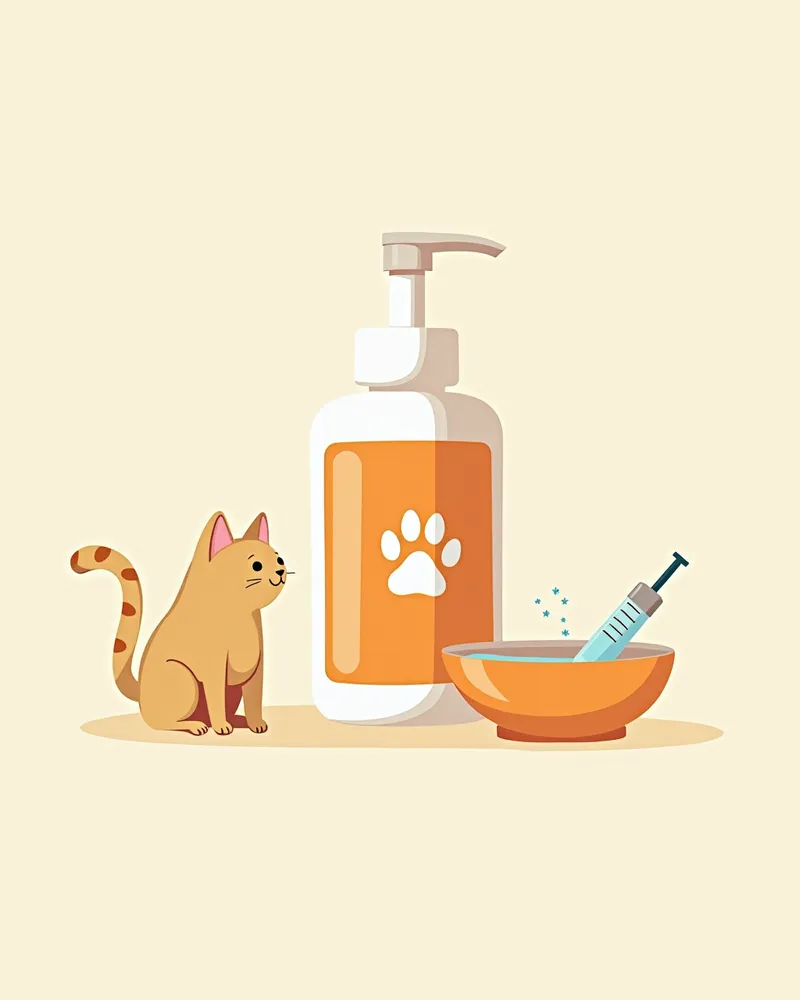
Product photo of 'Fluid Care', a hydration supplement exclusively for cats

BEST 2: Renal Health Care Diet 'Renolif Can' (Renolif Can)
- Low-protein, low-phosphorus formula: This renal-support wet canned food is formulated with adjusted levels of protein and phosphorus to reduce the burden on the kidneys. Because canned food has a high moisture content, it can help cats with kidney disease who may not drink enough water. - Palatability in mind: Rather than simply increasing protein levels, we’ve focused on using an appropriate amount of high-quality protein to enhance flavor, making it easier for cats with reduced appetites to eat. - Suitable for long-term management: Renal therapeutic diets are known to help extend the lifespan and improve the quality of life for cats with chronic kidney disease, making them ideal for ongoing health management. - Feeding guidelines: Divide the daily recommended amount into multiple feedings, but above all, ensure your cat receives the full daily caloric requirement. - Appetite stimulation: The soft texture and appealing aroma naturally encourage eating, helping to ensure adequate food intake.
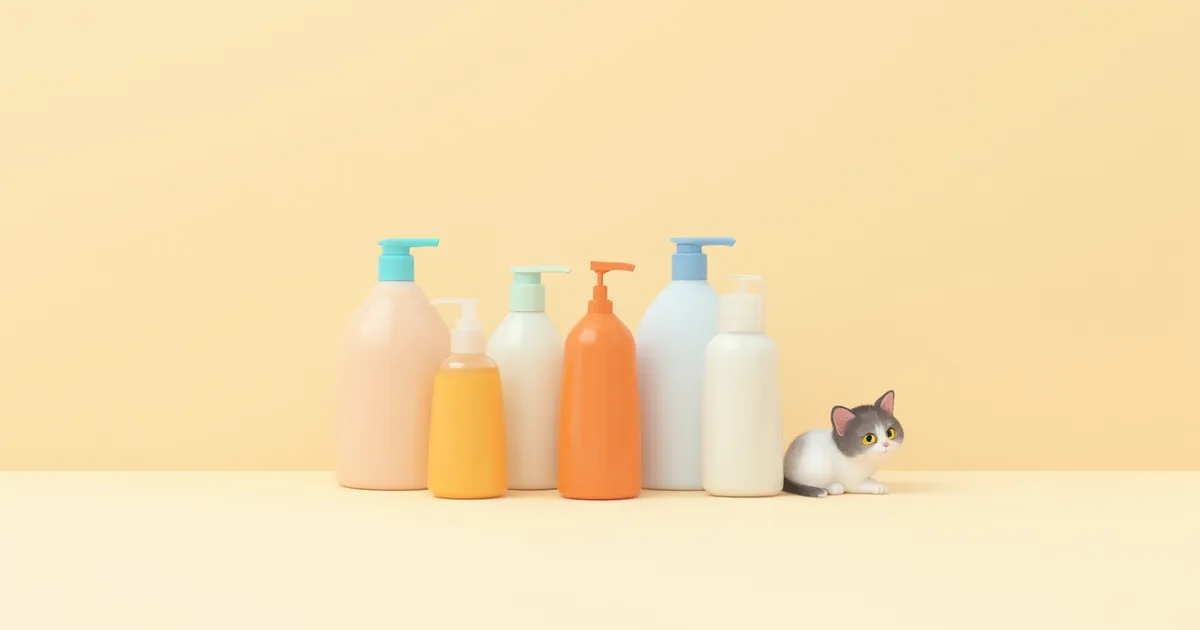
A photo featuring the renal health care diet product "Renorif Can" alongside a cat.

BEST 3: Hydration Pet Bottle 'WaterPlus Cat' (WaterPlus Cat)
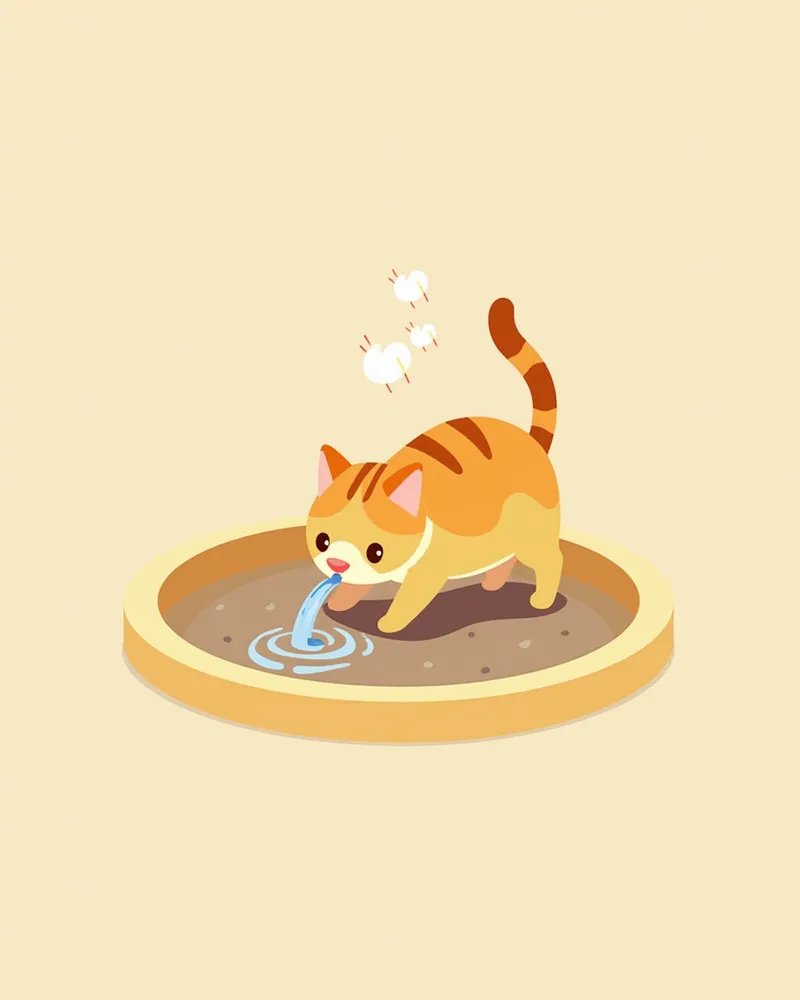
- Continuous Water Flow: The design features a constant flow of water, which captures your cat’s interest and encourages them to drink more frequently. - Low-Noise Design: The smooth water flow produces minimal noise, allowing your cat to drink without stress. - Easy to Clean: The detachable design makes cleaning simple and helps maintain hygiene with ease. - Dehydration Prevention: By replacing the water 2–3 times a day, your cat’s water intake naturally increases. - Special Design: The angle and height of the water stream are tailored to your cat’s head level, making it comfortable for them to drink.
A cat drinking from a water bottle that continuously dispenses fresh water.

Comparison Table of Products BEST 1–3

ItemMain IngredientsPurpose of UseRecommended Timing
Fluid CareElectrolytes, chicken flavorPreventing mild dehydration and supporting hydrationWhen water intake is usually insufficient (severe dehydration requires hospital fluid therapy)
Renolief CanLow-protein, low-phosphorus renal management wet canLong-term kidney managementAfter diagnosis of kidney damage
Water Plus CatWater-flow system, odorless materialEncouraging increased water intakeFor prevention, daily management

This is a product recommended by veterinarians and is effective for early management. However, for severe/acute dehydration, veterinary intravenous or subcutaneous fluid therapy is needed instead of oral products.

Caution: Seek Veterinary Care Immediately If Dehydration Symptoms Worsen

If your cat is panting with its mouth open, staring blankly, or collapsed and refusing to drink water, seek veterinary care immediately. These are signs of severe dehydration or declining kidney function, and your veterinarian may need to administer intravenous fluids to restore hydration.

Usage Tips: Prevent with Daily Care
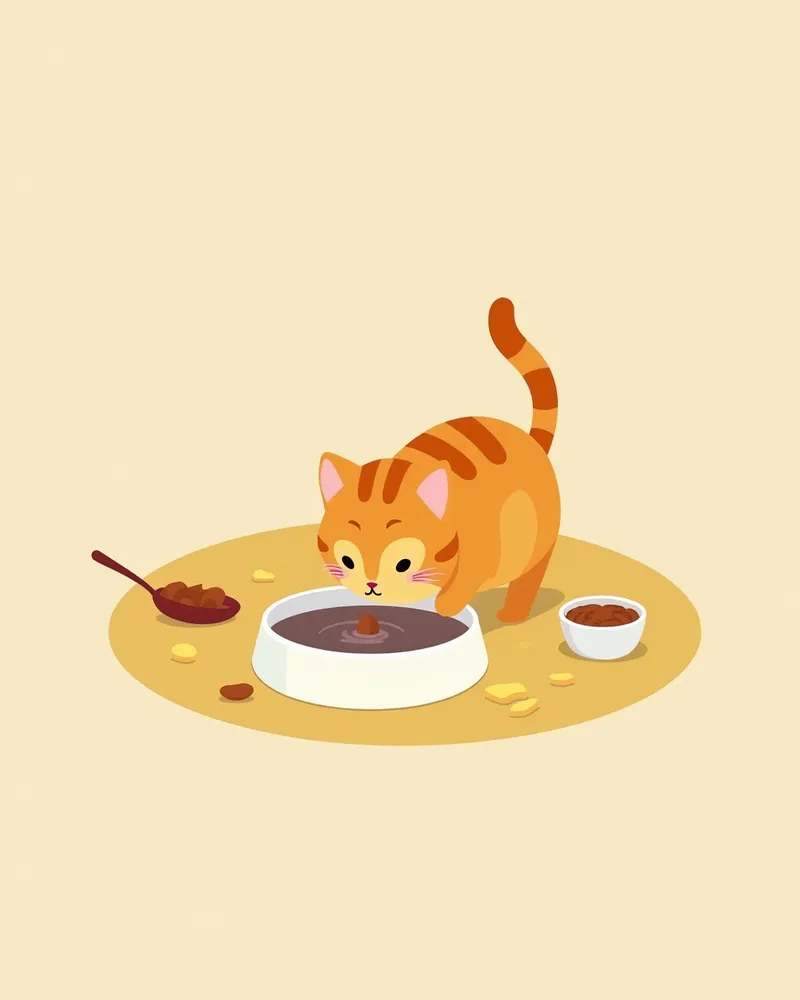
- Water Bowl Care: Make it a habit to wash the bowl daily and change the water frequently. In hot weather, it is recommended to change the water 2–3 times a day. - Dietary Adjustments: Mixing in a measured amount of canned food can naturally increase your cat’s water intake. - Water Bowl Placement: Place water bowls in multiple locations to ensure your cat can easily access them. - Observation Habits: Carefully monitor changes in appetite, activity levels, and litter box habits during daily life. - Regular Check-ups: Regular veterinary check-ups are the most effective preventive measure.
A cat eating canned food while drinking from a clean water bowl.

Reviewed by a veterinarian

Dr. Tony — Punnawat Phongkittirak

Dr. Tony — Punnawat Phongkittirak

Veterinarian

A veterinarian who majored in veterinary medicine at Khon Kaen University, Thailand, and completed the IVSA program at North Carolina State University in the United States. Drawing on clinical experience at animal hospitals, he works in the pet healthcare field and is dedicated to building a digital care environment that connects pet parents with veterinarians.

Frequently Asked Questions

What should I do if my cat isn’t drinking enough water?
Try placing multiple water bowls around your home, or use a pet water fountain to provide fresh, flowing water. Mixing in some canned food can also help increase your pet's water intake naturally.
What tests should be done if kidney damage is suspected?
We check creatinine and BUN levels through blood and urine tests, and evaluate structural abnormalities using renal ultrasound.
How many times a day should I use the hydration supplement?
If your pet shows signs of dehydration, administer it 2–3 times daily; for preventive purposes, once a day is sufficient. Please follow the dosage recommended by your veterinarian.
Will cats like Lenorif Can?
It contains chicken and fish flavors, so most cats enjoy it. To help them adjust, start by mixing a small amount with their regular food.
Can the Water Plus Cat be used without electricity?
No, it’s an electric product, so it does require a power source. However, it operates quietly and produces a natural water flow that cats tend to enjoy.

Share

Related Guides

References

[1] Langston, C.E. et al. (2023) Small Animal Critical Care Medicine, 3rd Edition. Elsevier.

[2] The Cat, Clinical Medicine and Management, 2nd Edition (2022). Elsevier.

[3] Plumb's Veterinary Drug Handbook, 9th Edition (2022). Wiley.

This information is based on veterinary literature and does not replace diagnosis or treatment. Please consult a veterinarian for specific health concerns.

Metapet Co., Ltd. | CEO: Park Sung-yong | Business Reg. No. 417-88-02562 | Seoul, South Korea | Customer Center

Vet's Top 7 Products to Prevent Cat Dehydration & Kidney Damage | Meongsiljang