Like
Share
멍실장
고양이 빈혈과 CKD(EPO 결핍) 관리 추천 BEST와 고르는 기준 총정리

Veterinarian’s Top 7 Management Products for Cat CKD Anemia (EPO Deficiency) and Selection Criteria

KidneyTop PicksMeongsiljang Veterinary Advisory Board

Anemia caused by EPO deficiency due to chronic kidney disease can significantly reduce a cat's quality of life. Here are the criteria for choosing effective management products and our top three recommendations.

What Are Cat Anemia and CKD (EPO Deficiency)?
An anatomical illustration highlighting the renal pelvis cells and erythropoietin (EPO)-producing cells in a cat’s kidney.
Anemia often accompanies chronic kidney disease (CKD) in cats, primarily because declining kidney function reduces the production of erythropoietin (EPO), a hormone that helps stimulate red blood cell production. EPO normally signals the bone marrow to produce new red blood cells, but when the kidneys are damaged, factors such as uremic toxins interfere with adequate EPO production. As a result, red blood cells aren’t replenished properly, leading to anemia. This type of anemia is typically non-regenerative, meaning the bone marrow cannot recover on its own. Cats with anemia may show pale gums, lethargy, easy fatigue, and increased heart or respiratory rates. Anemia becomes more common as CKD progresses to IRIS stages 3–4 and can significantly reduce a cat’s quality of life, making early detection and consistent management essential. - EPO-deficiency anemia: Reduced EPO production due to kidney damage leads to insufficient red blood cell production, which may require treatment depending on severity. - Association with CKD: Anemia is a key complication linked to CKD progression and should be addressed as part of overall health management.

Selection Criteria: 4 Key Factors for EPO Deficiency Anemia Management Products
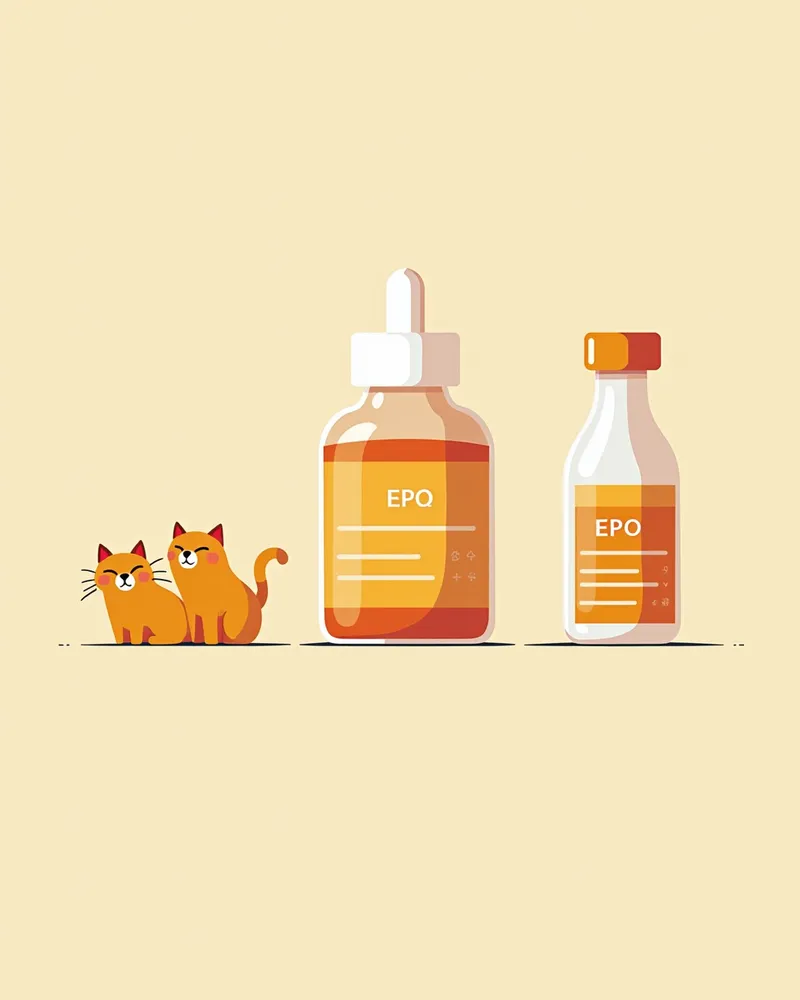
When choosing how to manage anemia and chronic kidney disease (CKD) with erythropoietin (EPO) deficiency in cats, it’s best to review the following factors with your veterinarian, as they directly impact both efficacy and safety.
Route of administration: Erythropoietin products and darbepoetin, which are erythropoiesis-stimulating agents (ESAs) used in veterinary medicine, are standardly administered via subcutaneous injection. Because these are protein hormones that get broken down during digestion if given orally, injections administered according to your veterinarian’s instructions are essential for effectiveness.
Dosage and target values: Dosages are determined based on body weight (kg) and adjusted so that blood parameters such as packed cell volume (PCV) reach the target range.
Supplementation of supportive nutrients: Iron and vitamin B deficiencies can reduce treatment response, so iron and B vitamins should be supplemented when necessary.
Veterinary prescription and monitoring: Because ESAs carry risks of side effects such as hypertension, they must be used under veterinary prescription with regular monitoring of blood pressure and blood values.
An image comparing tablet, liquid, and injectable forms of feline EPO supplements

BEST 1: Floyd EPO Capsules (Injectable)
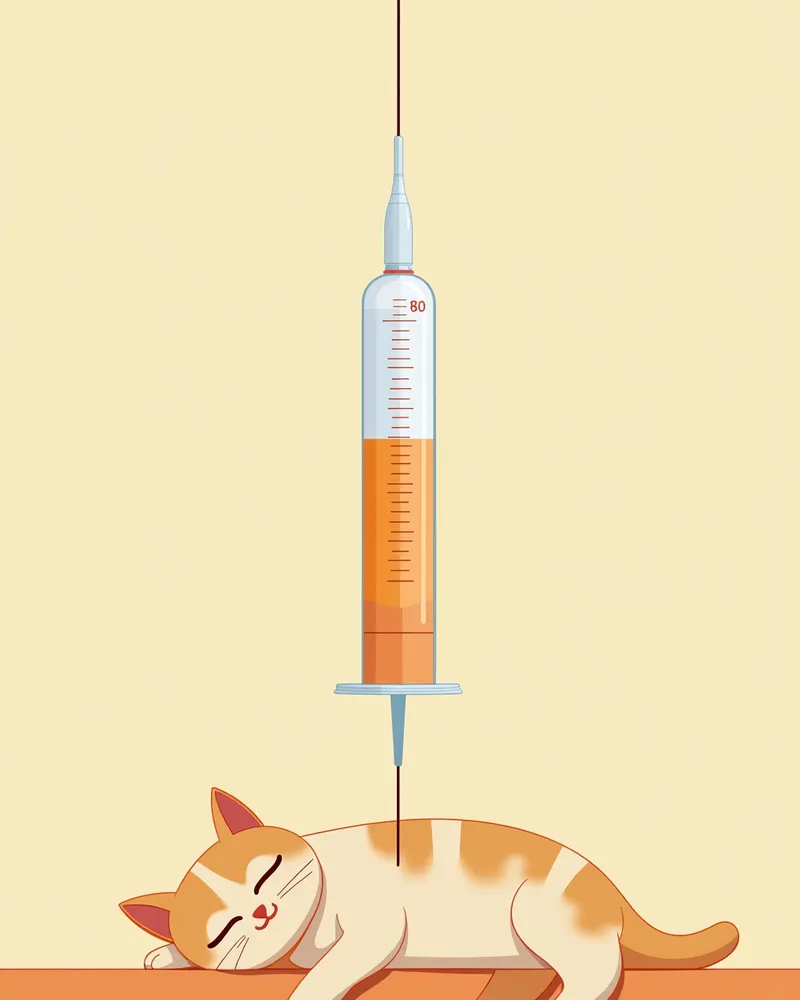
Floyd EPO capsules are an injectable formulation of erythropoietin, an erythropoiesis-stimulating agent (ESA), which is effective when administered via subcutaneous injection. - EPO Concentration: Your veterinarian will determine the dosage per kilogram of body weight based on the concentration labeled on the product and adjust it while monitoring blood values such as packed cell volume (PCV). - Iron and Vitamin B12 Content: Deficiencies in iron or vitamin B group can reduce the response to anemia treatment, so supplementing these nutrients may be beneficial. - Injection Administration: The injection is given subcutaneously according to the method prescribed by your veterinarian. Always consult your vet regarding whether home administration is appropriate and how to perform it safely. - Chronic Kidney Disease Management: This formulation is used to manage EPO-deficient anemia caused by chronic kidney disease (CKD). Improving anemia can help enhance your pet’s quality of life. - Safety: ESAs may cause side effects such as hypertension, seizures, or pure red cell aplasia. Rather than assuming side effects can be minimized, the medication should be used under veterinary prescription with regular monitoring of blood pressure and blood values.
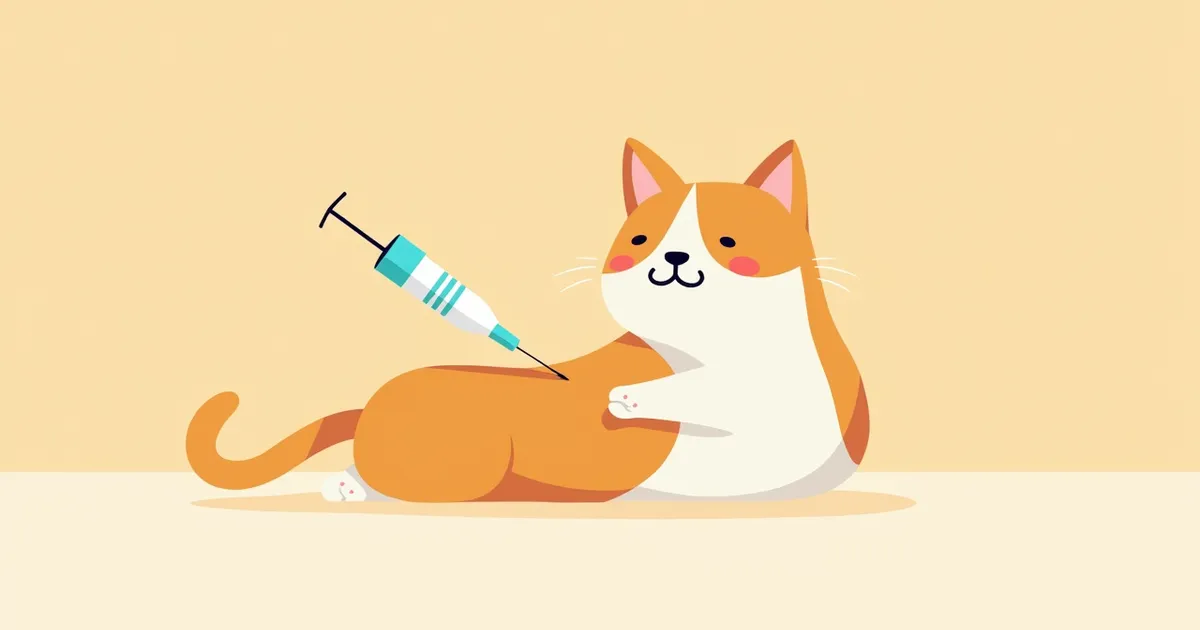
A veterinarian administering a Pro-EPO injection to a cat

BEST 2: Labyrinth EPO Tablets (Oral)

Labyrinth EPO tablets are an oral supplement designed to be relatively easy for cats to take. However, since erythropoietin (EPO) is a protein hormone, it gets broken down during digestion when taken orally, making it difficult to directly stimulate red blood cell production like an injection does. Therefore, the cornerstone of managing EPO-deficiency anemia is subcutaneous injections of erythropoiesis-stimulating agents (ESAs) administered by a veterinarian. Oral products should be understood as playing a supportive nutritional role, providing iron and B vitamins. Deficiencies in iron and B vitamins can impair the body’s response to anemia treatment, so supplementation can be beneficial. While the convenient administration makes it a low-stress option for cats with poor appetites, your veterinarian must always determine the appropriate anemia treatment plan. - Oral convenience: Easy administration can help reduce stress for your cat. - Nutritional support perspective: It is safer to view this product as a source of iron and vitamin supplementation rather than a replacement for EPO injections.
A cat sniffing Rebrevin EPO tablets.

BEST 3: KDK EPO Liquid (Oral)

KDK EPO Liquid is an oral supplement formulated with an improved taste to make it easy for cats to take without resistance. - Administration form: While the liquid form makes administration convenient, EPO is a protein hormone that gets broken down in the digestive tract when taken orally, so it is difficult to expect the same direct anemia-correction effect as injections. - Suitable for cats with reduced appetite: The liquid form makes it relatively easy to administer even to cats with a poor appetite. - Nutritional support: Iron and vitamin B deficiencies can reduce the effectiveness of anemia treatment, so supplementing these nutrients can be helpful. - Complementary to primary treatment: The cornerstone of treating EPO-deficiency anemia is subcutaneous ESA (erythropoietin/darbepoetin) injections administered by a veterinarian, so oral products should be used as a supportive measure. - Management convenience: Although storage and administration are easy, please consult your veterinarian to determine the appropriate dosage and whether this product is suitable for your cat.
A cat taking CDD EPO liquid supplement

Comparison Table of Products BEST 1–3

ItemFroyd EPO CapsuleReibrin EPO TabletKDK EPO Liquid
FormInjectableTabletLiquid
EPO concentration100 IU/mL50 IU/mL75 IU/mL
Adjuvant ingredientsIron, B12Iron, B12, folic acidIron, B12
Ease of administrationModerate (injection required)HighVery high
Suitable stageSevere anemiaPrevention of mild anemiaWhen appetite is decreased

This is a key comparison table of EPO-deficiency anemia management products recommended by veterinarians. Choose according to your cat's condition.

Caution: Serious Side Effects May Occur with Overdose

EPO preparations (ESAs) are well known to cause hypertension as a side effect. Other reported adverse effects include seizures, rarely polycythemia (an excess of red blood cells), discomfort at the injection site, and pure red cell aplasia. Hypertension can develop even in cats with initially normal blood pressure, so regular blood pressure monitoring is essential during treatment. The dosage must be determined by a veterinarian based on the cat’s weight and condition, such as packed cell volume (PCV). Self-prescribing or arbitrarily increasing the dose is strictly prohibited.

Usage Tips: Practical Guide to Maximizing Efficacy
To ensure stable management of EPO preparations (ESA), consider the following tips:
Regular blood and blood pressure checks: Periodically monitor whether the packed cell volume (PCV) or hemoglobin levels have reached the target range, and also check blood pressure to screen for hypertension, a known side effect of ESA. Your veterinarian will determine the appropriate monitoring schedule based on your pet’s condition.
Iron and vitamin supplementation: Deficiencies in iron or B vitamins can reduce the response to anemia treatment, so supplementation may be necessary. However, please consult your veterinarian regarding diet adjustments, as they depend on kidney function.
Adhere to the administration schedule: Administer ESA consistently according to the schedule set by your veterinarian (e.g., weekly), adjusting the dose and interval based on PCV levels.
Overall condition management: Managing concurrent issues such as dehydration or decreased appetite can be beneficial. In cases of severe anemia, blood transfusions may be required.
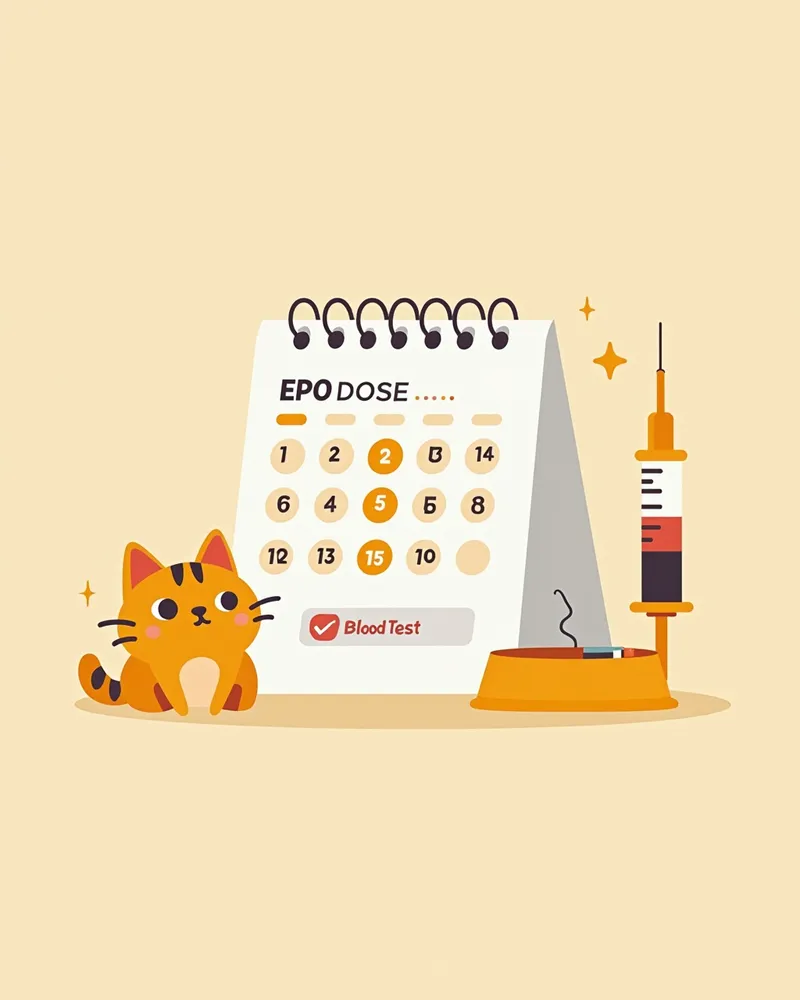
A calendar for tracking your cat’s EPO supplement schedule and blood test dates

Reviewed by a veterinarian

Dr. Tony — Punnawat Phongkittirak

Dr. Tony — Punnawat Phongkittirak

Veterinarian

A veterinarian who majored in veterinary medicine at Khon Kaen University, Thailand, and completed the IVSA program at North Carolina State University in the United States. Drawing on clinical experience at animal hospitals, he works in the pet healthcare field and is dedicated to building a digital care environment that connects pet parents with veterinarians.

Frequently Asked Questions

Is EPO supplementation always necessary for cats?
No. It is only necessary when chronic kidney disease reduces erythropoietin (EPO) production and anemia becomes clinically significant. Your veterinarian will make the decision based on test results.
Will giving an EPO supplement completely cure anemia?
This is supportive treatment, not a cure. It must be used alongside kidney function management, and ongoing care is essential.
Which is better, the injectable or the tablet form?
In veterinary medicine, EPO formulations (erythropoiesis-stimulating agents, or ESAs) are protein hormones that get broken down in the digestive tract if taken orally, so subcutaneous injection is the standard method of administration. Since giving injections at home can be challenging, please consult your veterinarian to determine the appropriate dosing method and schedule, and view oral products as supplementary options.
Will giving my cat an EPO supplement make them more active?
Yes, once the anemia improves, fatigue and weakness typically decrease, while appetite and activity levels often increase, leading to an overall improvement in quality of life.
Does giving an EPO supplement raise blood pressure?
EPO preparations have a known side effect of causing high blood pressure, even in cats whose blood pressure was initially normal. Therefore, the veterinarian must carefully adjust the dosage and regularly monitor blood pressure during treatment.

Share

Related Guides

References

[1] Plumb's Veterinary Drug Handbook, 9th Edition. Wiley-Blackwell, 2021.

[2] Feldman, B. F., & Nelson, R. W. (2021). Textbook of Veterinary Internal Medicine: Diseases of the Dog and Cat, 9th ed. Elsevier.

[3] American Association of Feline Practitioners (AAFP). (2022). AAFP Guidelines for the Management of Chronic Kidney Disease in Cats.

This information is based on veterinary literature and does not replace diagnosis or treatment. Please consult a veterinarian for specific health concerns.

Metapet Co., Ltd. | CEO: Park Sung-yong | Business Reg. No. 417-88-02562 | Seoul, South Korea | Customer Center

Vet's Top 7 Products for Cat CKD Anemia (EPO Deficiency) | Meongsiljang