Like
Share
멍실장
강아지 아밀로이드성 신증 관리 추천 BEST와 고르는 기준 총정리

Top Recommended Products and Selection Criteria for Managing Canine Amyloid Nephropathy

UrinaryTop PicksMeongsiljang Veterinary Advisory Board

Canine amyloid nephropathy is a degenerative kidney disease with a strong genetic component, and early diagnosis along with proper management are key to extending life expectancy. We’ve outlined the criteria for selecting tailored management products and dietary plans.

Canine Amyloid Nephropathy Is a Hereditary Kidney Damage Disease

A microscopic image showing the accumulation of amyloid proteins in a puppy’s kidney tissue
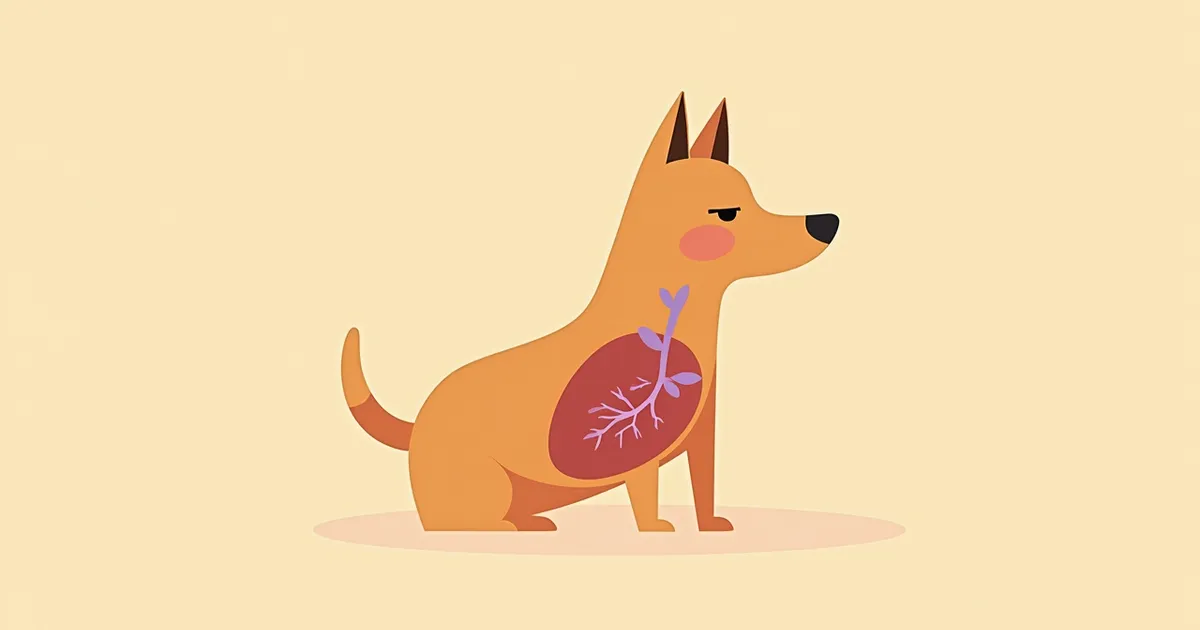
Canine amyloid nephropathy is a condition in which abnormal amyloid proteins with a beta-pleated sheet structure accumulate outside cells in the glomeruli and renal interstitium, leading to progressive kidney damage. A hereditary predisposition has been reported in certain breeds, such as English Foxhounds, Beagles, and Abyssinian cats. When amyloid deposits primarily in the glomeruli, moderate to severe proteinuria typically occurs; when it deposits mainly in the interstitium, proteinuria may be minimal or absent. Proteinuria and hypoalbuminemia are common in this disease, and as it progresses, azotemia characterized by elevated creatinine and blood urea nitrogen (BUN) levels may develop. The severity and frequency of azotemia are generally greater than those seen in typical glomerulonephritis, making early diagnosis and ongoing monitoring of kidney function crucial for survival and quality of life. It is essential to work with your veterinarian to establish a kidney-protective management plan and to regularly monitor your pet’s condition through blood and urine tests.

What Are the Key Criteria for Managing Canine Amyloid Nephropathy?

To manage amyloid nephropathy in dogs, it is important to choose products that support kidney protection, reduce proteinuria, alleviate oxidative stress, and allow for dietary management. When kidney function is impaired, low-protein or low-phosphorus diets can help reduce the burden on the kidneys, contributing to the maintenance of renal function. Antioxidants can be used to mitigate kidney cell damage in states of increased oxidative stress, while omega-3 fatty acids can help regulate inflammatory responses. Consulting with a veterinarian to develop a customized management plan tailored to your dog’s weight and condition is the safest and most effective approach.
A puppy eating special food for kidney health

BEST 1: Kidney Protection Specialized Food (Premium Line)
This food is formulated with low protein, low phosphorus, and low sodium to minimize the workload on the kidneys, while optimized amino acid balance ensures efficient nutrient use. - Kidney-supporting ingredients: Antioxidants and omega-3 fatty acids help reduce cellular damage from oxidative stress and support healthy kidney function. - High digestibility: High-biological-value proteins are easily absorbed, producing fewer waste products and providing steady, reliable nutrition. - Low-burden diet: Reduced levels of protein, phosphorus, and sodium make this food suitable for long-term management. As a veterinarian-recommended prescription diet, it offers trusted quality. - Easy portion control: Simple meal adjustments make it easier to follow a care plan. Combining this diet with regular veterinary check-ups enhances its benefits.
Product image of a premium dog food formulated for managing amyloid nephropathy

BEST 2: Kidney Function Support Supplement (Omega-3 + Antioxidant Complex)

This supplement contains highly concentrated omega-3 fatty acids, vitamin E, and selenium, which can help reduce oxidative stress in kidney cells. Since the breakdown of protein generates oxygen free radicals that may cause kidney cell damage and inflammation, these antioxidant ingredients can help alleviate such effects. Omega-3 fatty acids can help regulate inflammatory responses and improve blood flow within the kidneys, contributing to a reduction in glomerular proteinuria and the protection of kidney tissue. Administration is simple, at just one tablet per day, and most dogs readily accept it. However, because the dosage should be adjusted based on the amount of omega-3 in the diet, following your veterinarian’s recommended dosage ensures safe, long-term management.
Product image of omega-3 and antioxidant supplements for supporting your dog’s kidney health

BEST 3: Low-Protein Dietary Supplement (Treat-Style)

This treat-style supplement is formulated with low protein and low sodium to reduce the burden on the kidneys. - Maintains nutritional balance: Although low in protein, it provides ample essential amino acids and minerals. - Taste and texture: It preserves the flavor and chewy texture dogs love, making it effective for stimulating appetite. - Ideal as a between-meal snack: It allows for easy portion control, integrating flexibly into your pet’s dietary plan. - Easy to manage: Recommended by veterinarians for dietary management, it is suitable for long-term care. Even when given as a treat, it does not compromise nutritional balance.
Image of a low-protein treat product for managing amyloid nephrosis in dogs

Comparison Table of BEST 1–3 Products

ItemMain ingredientsDietary characteristicsAdditional effects
BEST 1 FoodLow protein, low phosphorus, omega-3Low protein, low sodium, low phosphorusHelps maintain kidney function
BEST 2 SupplementOmega-3, vitamin E, seleniumFor dietary supplementationRelieves oxidative stress and controls inflammation
BEST 3 TreatLow protein, low sodium, natural ingredientsSnack-type supplementary foodFor serving between meals, maintains nutritional balance

Consult with a veterinarian before administration and adjust the intake amount.

Caution: Side Effects May Occur with Excessive Intake

Excessive intake of omega-3 fatty acids or antioxidants beyond the recommended amounts can lead to side effects such as digestive upset. This is especially important for pets with underlying health conditions or those taking other medications. Since the amount of omega-3s already present in your pet's diet should be considered when determining the appropriate dosage, it's best to have your veterinarian calculate the right amount based on their weight and health status, rather than increasing the dose on your own.

Tips for Managing Canine Amyloid Nephropathy

Keep a daily log of your dog’s weight and urine output. Encourage adequate water intake, and seek immediate veterinary care if you notice a sudden loss of appetite or vomiting. Monitor changes in kidney function through regular blood and urine tests. Maintain consistent food portions and supplement dosages. Minimize stress by providing a quiet, comfortable environment. Regularly consult with your veterinarian to review and adjust the management plan as needed.
Daily Record Notebook Image for Managing Canine Amyloid Nephropathy

Reviewed by a veterinarian

Dr. Tony — Punnawat Phongkittirak

Dr. Tony — Punnawat Phongkittirak

Veterinarian

A veterinarian who majored in veterinary medicine at Khon Kaen University, Thailand, and completed the IVSA program at North Carolina State University in the United States. Drawing on clinical experience at animal hospitals, he works in the pet healthcare field and is dedicated to building a digital care environment that connects pet parents with veterinarians.

Frequently Asked Questions

Can amyloid nephropathy in dogs be cured?
While a complete cure remains difficult at present, early diagnosis and consistent management can significantly extend life expectancy and improve quality of life.
When should dietary management begin?
Rather than starting a low-protein diet from a young age, it is better to begin a renal prescription diet after consulting with your veterinarian once proteinuria or decreased kidney function has been confirmed through regular blood and urine tests. Renal prescription diets are generally recommended for cats in IRIS stage 2 or higher.
How long should my pet take the supplement?
Your veterinarian may adjust or change the dosage based on your pet’s kidney condition and test results. For safety, do not stop the medication on your own; follow your veterinarian’s instructions and undergo regular monitoring.
Is amyloid nephropathy contagious to other dogs?
This condition has a hereditary predisposition in certain breeds and is not contagious to other dogs, so it’s perfectly safe for them to live together.
What blood test parameters should I pay attention to?
It's a good idea to regularly check creatinine, BUN, phosphorus levels, and proteinuria in the urine (UPC). These values are key indicators for assessing kidney function.

Share

Related Guides

References

[1] de Morais, H.S., DiBartola, S.P., and Chew, D.J. (1996). Juvenile renal disease in golden retrievers: 12 cases (1984–1994). J. Am. Vet. Med. Assoc. 209: 792–797.

[2] Mason, N.J. and Day, M.J. (1996). Renal amyloidosis in related English foxhounds. J. Small Anim. Pract. 37: 255–260.

[3] Boyce, J.T., DiBartola, S.P., Chew, D.J. et al. (1984). Familial renal amyloidosis in Abyssinian cats. Vet. Pathol. 21: 33–38.

This information is based on veterinary literature and does not replace diagnosis or treatment. Please consult a veterinarian for specific health concerns.

Metapet Co., Ltd. | CEO: Park Sung-yong | Business Reg. No. 417-88-02562 | Seoul, South Korea | Customer Center

Best Products for Canine Amyloid Nephropathy Care | Meongsiljang