Like
Share
멍실장
강아지 장난감 자원 보호 행동 관리 추천 BEST와 고르는 기준 총정리

Growling When Toys Are Taken — Top 7 Management Tools for Dog Resource Guarding

Brain & CognitionTop PicksMeongsiljang Veterinary Advisory Board

We’ve outlined the correct principles for addressing resource-guarding behavior—such as growling when a dog fears losing a toy—and recommended toy types and selection criteria that can help alleviate these symptoms.

Understanding Dog Resource Guarding Behavior to Correct It
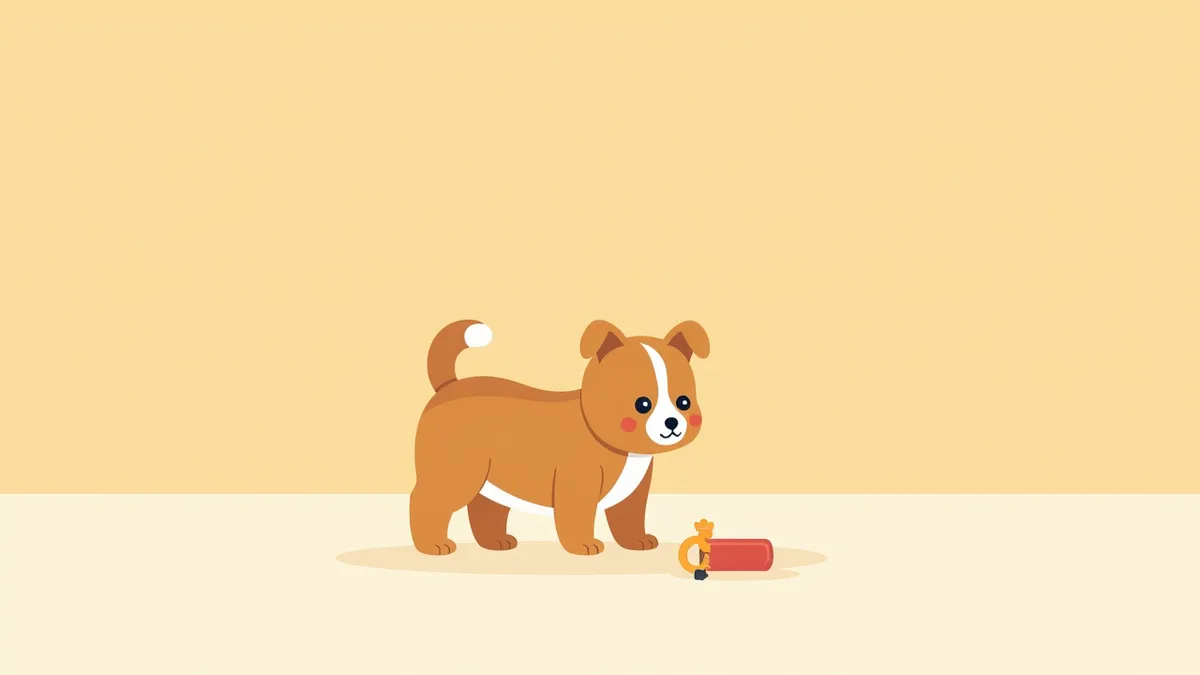
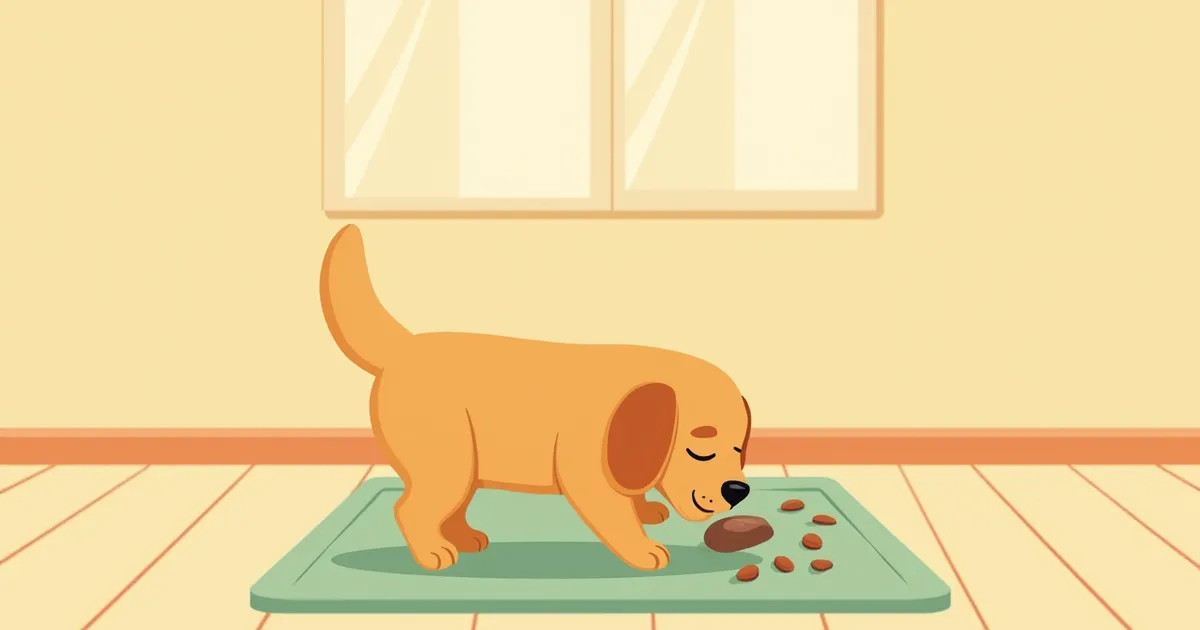
An image explaining the concept of resource guarding behavior in dogs
Resource guarding in dogs is an instinctive behavior that stems from the drive to protect valued items such as food, toys, or space, often manifesting as growling or aggressive lunging. The key takeaway is that this isn’t a sign of a “bad temperament,” but rather a natural instinctual response. However, since it can pose a risk to people or other pets, early and appropriate intervention can effectively improve the behavior.

What Stage Is Your Dog At? Severity Check

The management approach for resource guarding varies significantly depending on its severity. First, assess your dog’s current behavior using the following stages:
Stage 1 — Guarding: Stiffening, lowering the body, or maintaining a fixed stare around the toy.
Stage 2 — Warning: Low growling or baring teeth.
Stage 3 — Aggression: Lunging or actual biting.
If your dog is exhibiting Stage 2 behaviors or higher, it is safer to work alongside a veterinary behavior specialist rather than attempting to correct the behavior on your own.

When Professional Consultation Comes First

If your pet has ever lunged at or bitten family members, children, or other pets, you must consult a veterinary behaviorist or a certified behavior modification specialist before attempting any toy-based training. Attempting to correct the behavior on your own can inadvertently reinforce the aggression.

Three Core Principles for Correcting Resource Guarding Behavior
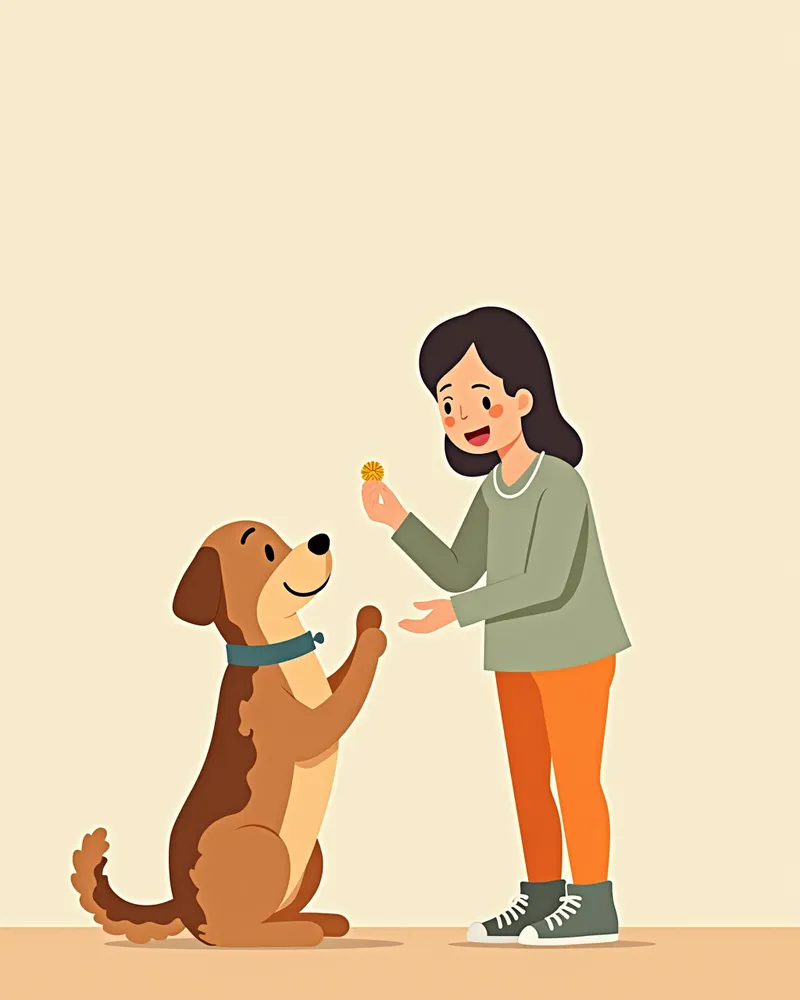
This is a principle commonly emphasized in veterinary behavior textbooks.
1. Never forcibly take items away: Forcibly removing an item reinforces resource guarding behavior, making the reaction stronger.
2. Exchange training: Use a "drop it" cue while offering a higher-value treat or a different toy to encourage the pet to voluntarily release the item.
3. Increase predictability: Consistent play and meal times reduce resource anxiety and decrease obsessive tendencies.
Key principles for correcting resource guarding behavior in dogs

Top Criteria for Choosing Toys That Alleviate Resource Guarding
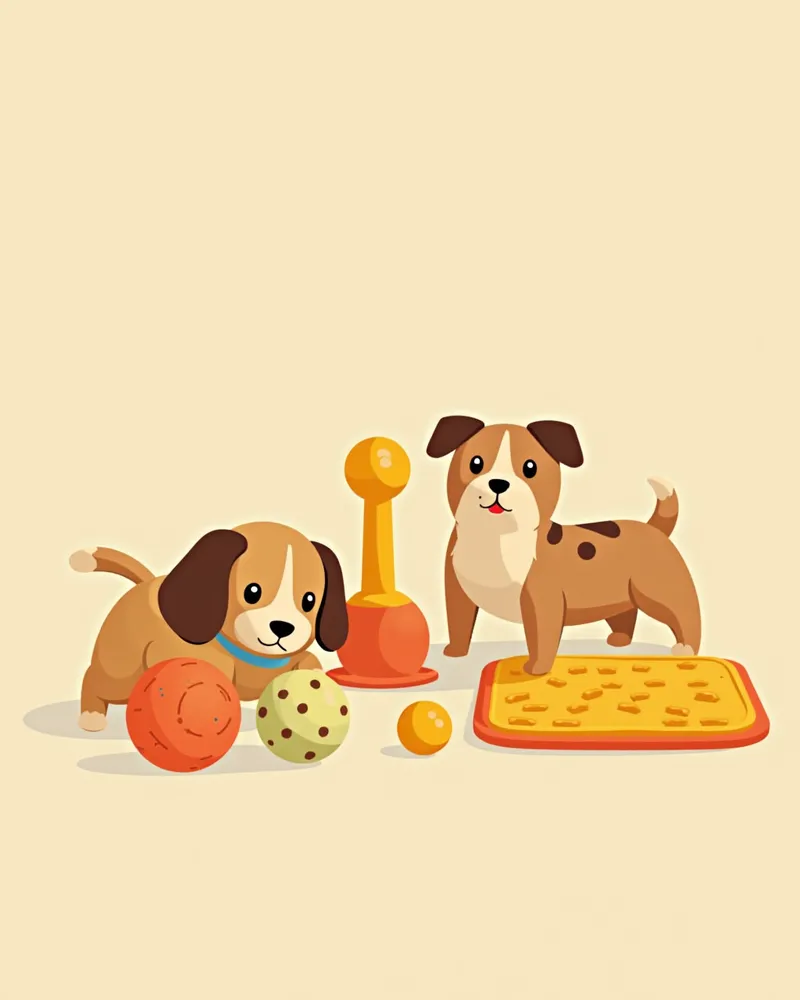
Resource guarding can either worsen or improve depending on the type of toy. Here are three key criteria for choosing the right one.
Consumable vs. Reusable: Consumable puzzle toys that dispense treats and then disappear are less likely to become objects of fixation.
Difficulty Level: If a toy is too easy, your pet may lose interest; if it’s too hard, they may become frustrated. It’s best to start with a moderate difficulty level.
Durability: Toys that break easily pose a choking hazard from ingested fragments, so always check the material quality and stitching.
Recommended toys to help ease resource guarding in dogs: a comparison of types

Comparing Resource Guarding Risk by Toy Type

ItemResource Guarding RiskRecommended ForUsage Tips
Puzzle/treat-dispensing toysLow ✅All dogs with resource-guarding tendenciesEstablish a pattern of collecting it immediately when finished
Nosework matLow ✅Dogs lacking olfactory activityCan be used as a meal substitute
Tug toysMedium ⚠️Dogs trained with the 'drop it' cueUse only after cue training is complete
Plush/stuffed toysHigh ❌Recommended to introduce after modification is completeNot recommended before modification
Chew/bone toysHigh ❌Conditionally allowed only in mild casesProvide only when the dog is alone

For dogs with resource-guarding behavior, it's safest to start with puzzle/nosework toys.

Step-by-Step Exchange Training Method — Do It Like This
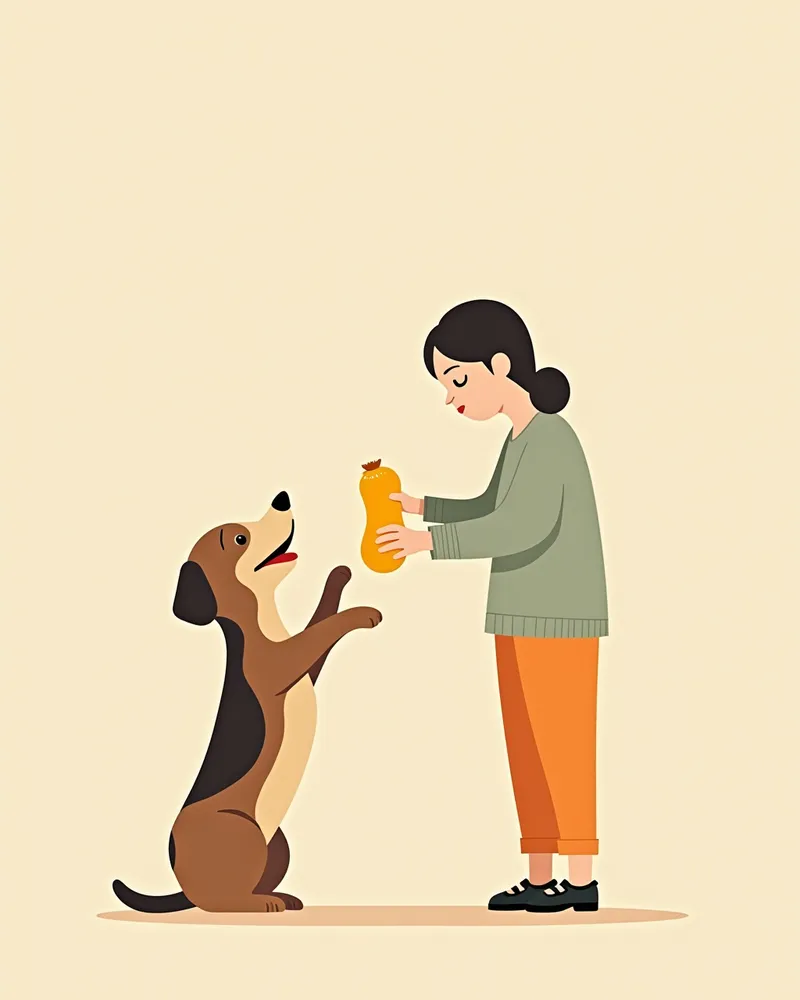
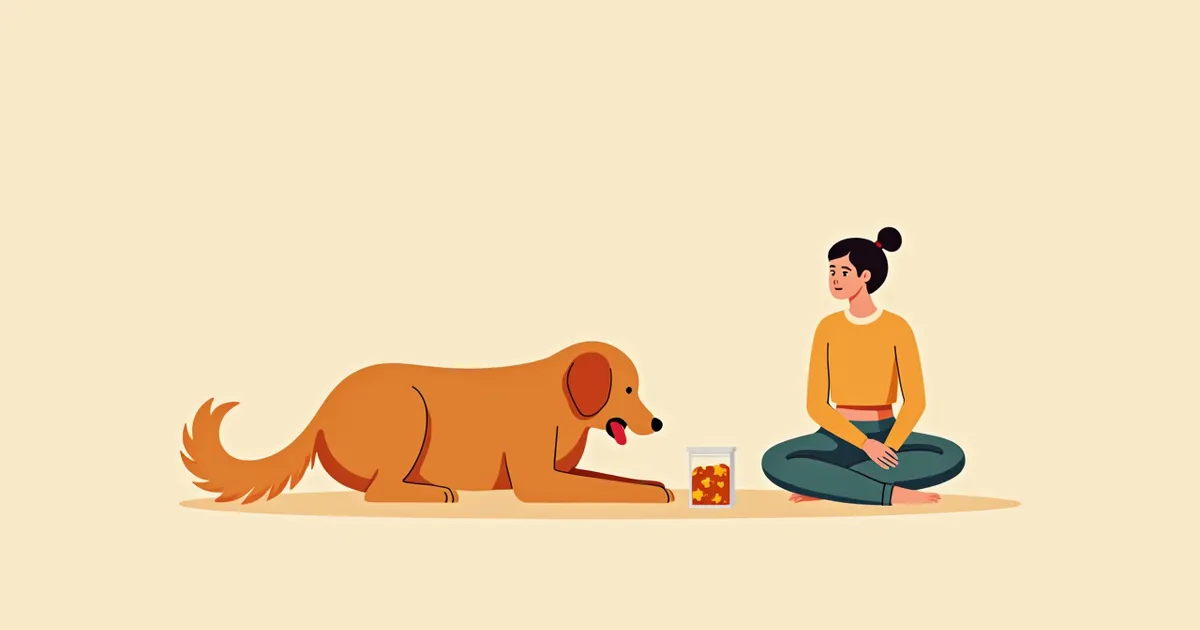
Exchange training is a proven method for correcting resource guarding. 1. When your dog has a toy, show a treat from about 1 meter away to naturally encourage them to approach you. 2. As they come closer, give the treat and quietly take the toy in that moment. 3. After a short while, return the toy. Repeat this to reinforce the experience that "letting go leads to something better." 4. Once they’re comfortable, introduce the cue "give." Short, daily 5-minute sessions are far more effective than longer, less frequent ones.
Step-by-step guide to teaching your dog the "trade" command, with images

Behaviors to Absolutely Avoid

Forcing a dog’s mouth open to take away a toy, using physical punishment, ignoring growls, or issuing threats can intensify resource-guarding behavior and escalate into aggression. According to veterinary behavior textbooks, forcibly removing a guarded resource can actually heighten the desire to protect it.

Management Points to Reduce Resource Guarding Behavior in Daily Life

Changing the toy environment itself is also important.
Adjust the number of toys: Providing too many toys at once can actually lead to obsessive behavior. Rotate and offer one to two toys per day.
Establish a playtime routine: Play together at set times, and have the caregiver put the toys away when playtime ends.
Multi-dog households: For dogs showing resource guarding, provide toys in a separate space away from other dogs.
Adequate exercise: Sufficient physical activity tends to reduce obsessive attachment to resources.

Reviewed by a veterinarian

Dr. Tony — Punnawat Phongkittirak

Dr. Tony — Punnawat Phongkittirak

Veterinarian

A veterinarian who majored in veterinary medicine at Khon Kaen University, Thailand, and completed the IVSA program at North Carolina State University in the United States. Drawing on clinical experience at animal hospitals, he works in the pet healthcare field and is dedicated to building a digital care environment that connects pet parents with veterinarians.

Frequently Asked Questions

My dog only resource guards toys, not his food bowl. Why is that?
Resource guarding varies in intensity depending on the type of resource and the individual pet. While it may appear more strongly with long-term possessions like toys, food and bowl guarding is also very common and requires careful attention. Veterinary behavior textbooks emphasize not touching a dog’s bowl during meals or removing food bowls while they’re eating, highlighting the significance of food-related resource guarding. Therefore, even if your pet seems fine with their bowl now, don’t take it for granted. Instead, feed them in a safe, separate space away from other people or pets, and promptly remove the bowl once they’ve finished eating. If your dog growls over toys, avoid forcibly taking them away and instead begin exchange training.
I tried to correct my dog’s behavior by forcibly taking things away when he was young, but it actually made the problem worse. Why did that happen?
Forcing a dog to give up items reinforces the idea that they need to guard them more fiercely. According to veterinary behavior textbooks, touching a dog's food bowl during meals or forcibly taking away resources can increase resource guarding behavior. However, it's possible to improve this behavior by switching to exchange training from now on.
I gave my dog a puzzle toy, but it seems to have developed an obsession with it. What should I do?
Puzzle toys can also become objects of obsession if left out for too long. Establish a “put away when done” routine from the start. Once your pet finishes the treats, gently remove the toy by offering a different treat as a trade, then bring it out again later. This helps your pet learn that toys come and go, reducing the likelihood of fixation.
How long does it take to correct resource guarding behavior?
The duration of behavior modification varies significantly among individual dogs, depending on factors such as the stage of the problem, age, temperament, and the consistency of the owner. Therefore, it is difficult to definitively state that the process will be completed within a few days. In mild cases, consistent exchange training may lead to observable changes relatively quickly. However, if aggression is present, such as growling or biting, it is safer and often requires a longer timeframe to work alongside a veterinary behavior specialist. The most important aspect is to consistently repeat the same approach every day.
Is tug-of-war a safe game for a dog that exhibits resource guarding behavior?
Tug-of-war itself doesn’t cause resource guarding. However, your dog must first be trained to respond to the “drop it” cue. If your dog has already practiced releasing toys on command, tug-of-war can actually be a great tool for exchange training. On the other hand, playing tug-of-war without prior cue training can reinforce resource guarding behaviors.

Share

Related Guides

References

[1] Introduction to Animal Behavior and Veterinary Behavioral Medicine, Ch.5 Resource Guarding — food dish removal and trade training

[2] Veterinary Guide to Preventing Behavior Problems in Dogs and Cats, Table 4.6 Benefits of food dispensing and puzzle toys

This information is based on veterinary literature and does not replace diagnosis or treatment. Please consult a veterinarian for specific health concerns.

Metapet Co., Ltd. | CEO: Park Sung-yong | Business Reg. No. 417-88-02562 | Seoul, South Korea | Customer Center

Dog Resource Guarding: 7 Best Tools to Stop the Growling | Meongsiljang