Like
Share
멍실장
강아지 비만 관리법과 다이어트 — 건강한 체중 되찾기

Canine Obesity Management and Diet — Regaining a Healthy Weight

WeightQ&AMeongsiljang Veterinary Advisory Board

Canine obesity can lead to serious complications such as joint problems, heart disease, and diabetes. We’ve put together a comprehensive guide to your dog’s diet plan, covering everything from how to assess body condition scores to proper nutrition and exercise routines.

Why Is Canine Obesity Dangerous?
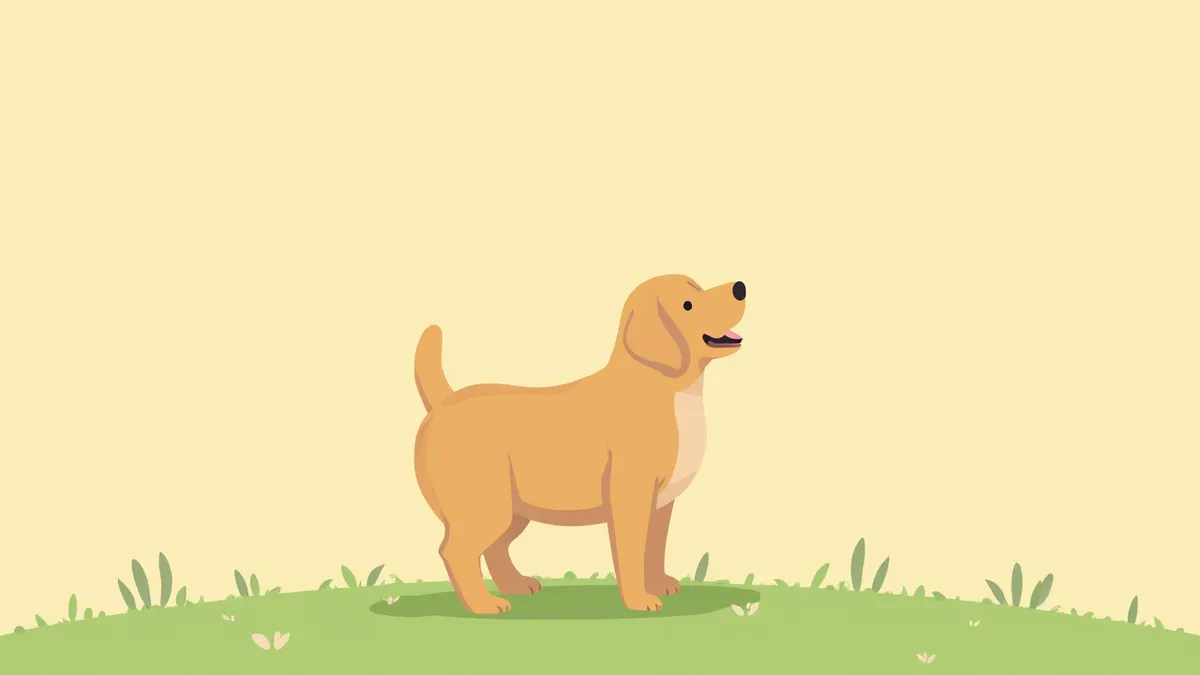
A side view of a chubby Labrador Retriever standing in the park
Canine obesity is more than just extra weight; it’s a medical condition that can lead to serious complications such as cruciate ligament tears, diabetes, dermatitis, and a weakened immune system. Veterinary studies show that approximately 20–40% of dogs are overweight or obese. On the 9-point Body Condition Score (BCS) scale, an ideal score is 4–5. A score of 6 or higher indicates overweight, while 8 or higher is classified as obese. The good news is that with proper dietary management and exercise, dogs can successfully return to a healthy weight. Let’s go through some practical steps you can implement at home.

How to Check If Your Dog Is Obese

You can easily check this at home. Using the 9-point body condition score scale commonly used in veterinary medicine, look for these three indicators:
Rib palpation: Feel your pet’s ribs with your hands. If you can feel the ribs with light pressure, that’s normal. If a thick layer of fat makes them difficult to feel, it may be a sign of overweight.
Waistline: When viewed from above, there should be a visible waist indentation. If the waistline is not apparent, weight management may be needed.
Side profile: When viewed from the side, the abdomen should slope upward slightly behind the ribs. A sagging or drooping belly may indicate obesity.

Body Condition Score Criteria by Stage

The body condition score ranges from 1 to 9, with higher scores indicating excess body fat. 1–3 (Underweight): Ribs and hip bones are visible, with little to no fat cover. This may indicate malnutrition. 4–5 (Ideal Weight): Ribs are easily felt, and a waist is visible when viewed from above. This represents the healthiest condition. 6–7 (Overweight): At a score of 6, a slight fat layer covers the ribs, which remain palpable, while the waistline becomes less distinct. At a score of 7, the fat layer thickens, making ribs difficult to feel, and the waistline and abdominal turgor disappear. Weight loss is necessary at this stage. 8–9 (Obese): Ribs cannot be felt at all, and the abdomen is pendulous. Active weight management and consultation with a veterinarian are essential.

Why Dogs Gain Weight

While there are many causes of obesity, most are linked to lifestyle habits.
Overfeeding: Estimating food portions by eye or giving frequent treats can significantly increase calorie intake.
Lack of exercise: Spending too much time indoors or not getting enough walks reduces calorie expenditure.
Neutering: After neutering, hormonal changes can lead to behavioral shifts—such as increased appetite and decreased activity—making it easier to gain weight even when eating the same amount. It is known that these behavioral changes, rather than a direct effect on metabolic rate, are the primary drivers of weight gain.
Age: Senior dogs tend to gain weight more easily because their reduced activity levels lead to lower energy expenditure.
Breed predisposition: Breeds such as Labrador Retrievers, Cocker Spaniels, Pugs, and Bulldogs are more prone to obesity.
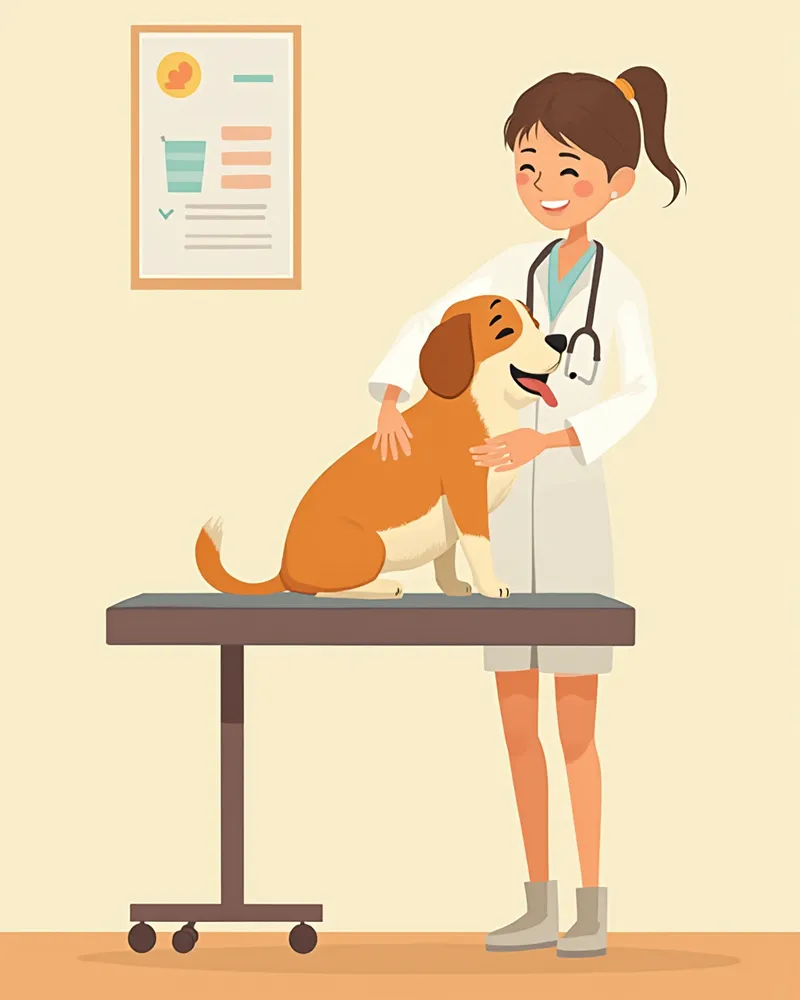
A veterinarian gently palpating the ribs of a chubby beagle.

When to Consult a Veterinarian

If your pet has a body condition score of 8 or higher, indicating severe obesity, or if their weight has increased rapidly despite no change in food intake, a hormonal disorder such as hypothyroidism may be the cause. If obesity is causing heavy panting, difficulty walking, or signs of joint pain, please visit a veterinarian immediately. It is also important to have your pet’s health checked before starting any diet plan.

Dietary Management — How to Lose Weight Healthily
The key to a dog’s diet is proper nutritional management. Simply reducing the amount of food can lead to nutritional imbalances, so it’s important to approach weight loss correctly.
Adjusting portion sizes: Start by reducing the current feeding amount by about 20%. The recommended serving size on the food packaging is based on an ideal weight, so recalculate according to your dog’s target weight.
High-protein weight management food: Weight management formulas are lower in calories but higher in protein, making them effective for weight loss. Veterinary nutrition supports high-protein diets as beneficial for healthy weight reduction. However, the effect of fiber in increasing satiety is still scientifically uncertain, so simply reducing the current food portion is also a valid starting point. Consult with your veterinarian to determine the best approach for your dog.
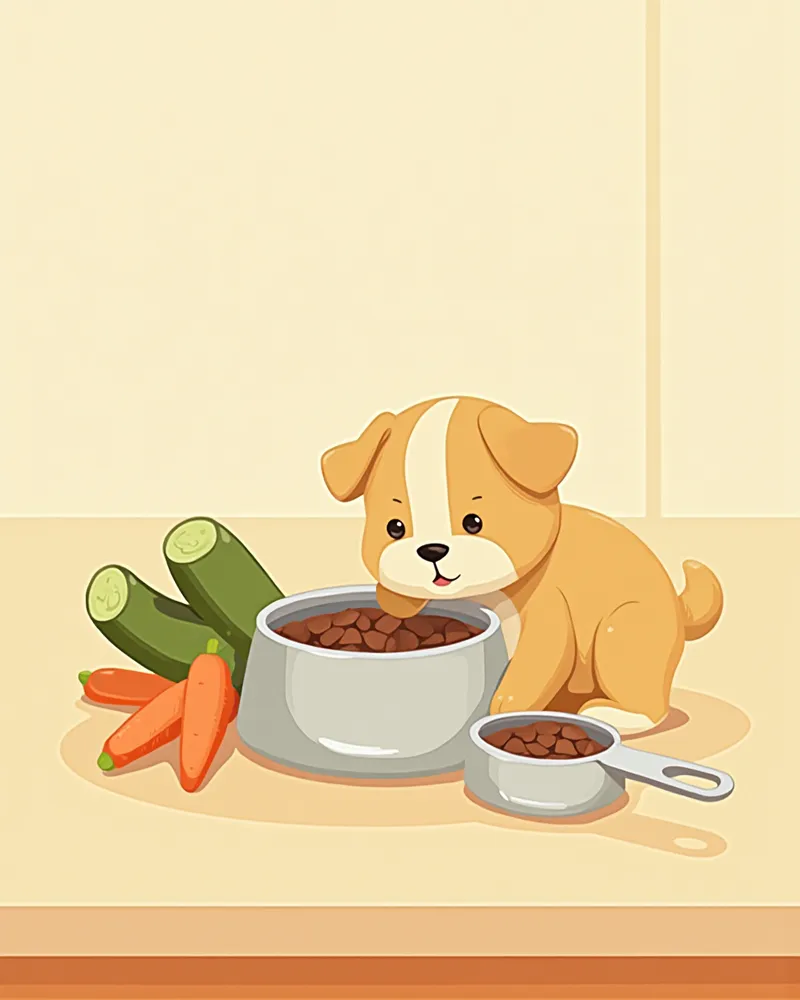
Treat management: Limit treats to no more than 10% of your dog’s daily caloric intake, and consider switching to low-calorie options like carrots or cucumbers.
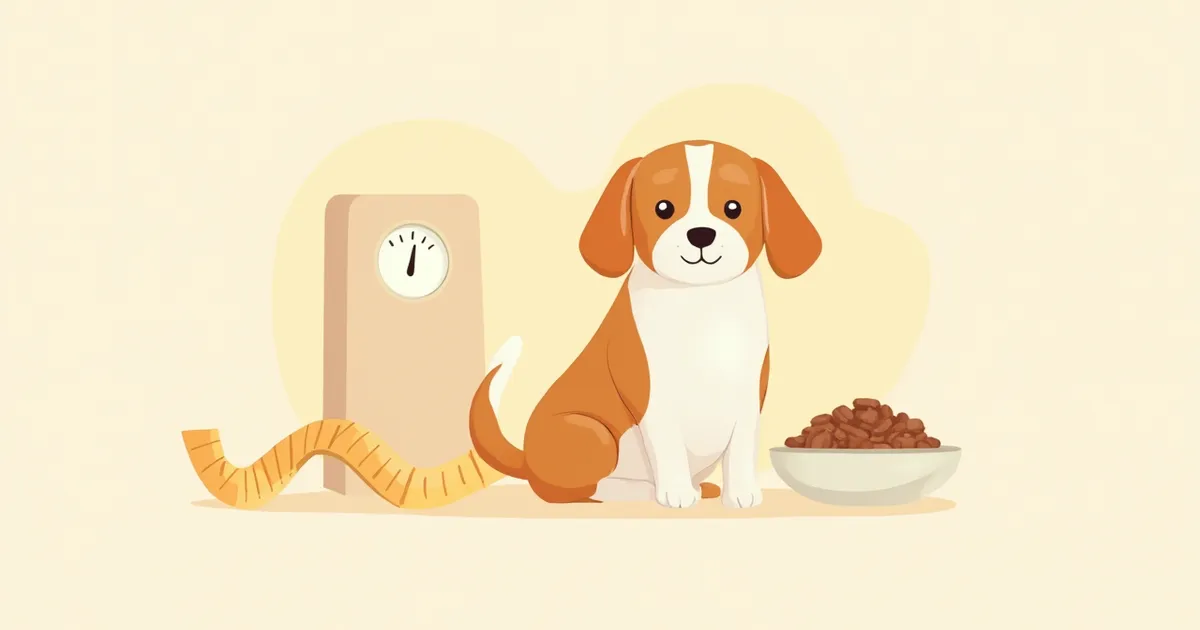
A measured cup of kibble, along with carrot and cucumber treats

How to Lose Weight Healthily Through Exercise
Combining dietary management with appropriate exercise yields much better results. However, since obese dogs place significant stress on their joints, strenuous activity should be avoided.
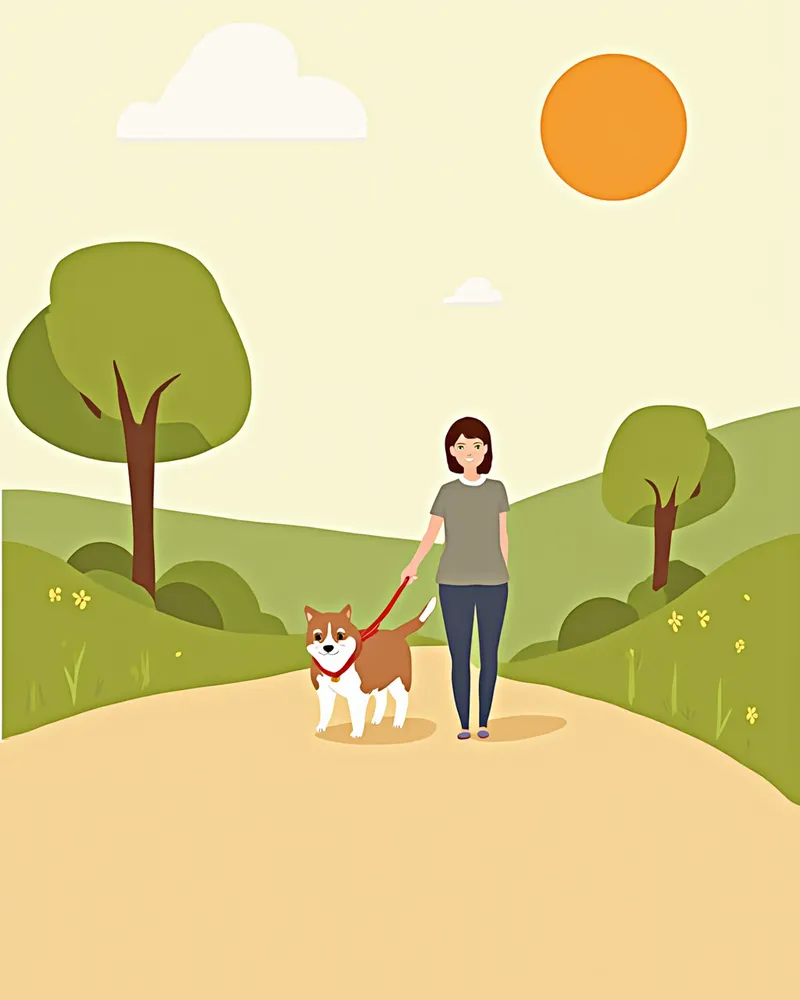
Walking: Start with light walks of 15–20 minutes per day, gradually increasing the duration by 5 minutes every two weeks. The ultimate goal is 30–40 minutes per day.
Hydrotherapy: Swimming and underwater treadmill exercises are excellent for obese dogs, as they burn calories while placing minimal stress on the joints.
Play Activities: Activities such as fetch, tug-of-war, and nose work provide both physical exercise and mental stimulation. Aim for consistent sessions of 10–15 minutes daily.
A puppy taking a walk in the park with its owner.

Breed-Specific Obesity Management Considerations

Labrador Retrievers are at a higher risk of obesity compared to other breeds, so they require special attention to diet and exercise. For long-bodied breeds like Dachshunds and Welsh Corgis, maintaining a healthy weight is especially important because excess weight can put additional strain on their spine and joints. Brachycephalic breeds such as Pugs and Bulldogs may experience increased respiratory burden if they gain weight. It’s best to work with your veterinarian to set a target weight that suits your dog’s breed-specific needs.

Reviewed by a veterinarian

Dr. Tony — Punnawat Phongkittirak

Dr. Tony — Punnawat Phongkittirak

Veterinarian

A veterinarian who majored in veterinary medicine at Khon Kaen University, Thailand, and completed the IVSA program at North Carolina State University in the United States. Drawing on clinical experience at animal hospitals, he works in the pet healthcare field and is dedicated to building a digital care environment that connects pet parents with veterinarians.

Frequently Asked Questions

How can I accurately tell if my dog is overweight?
You can assess this using a 9-point body condition score. If you can’t easily feel the ribs when you run your hands along the chest and the waistline isn’t visible when viewed from above, your pet is overweight. For the most accurate assessment, have a veterinarian evaluate your pet’s body condition score.
Are weight-management dog foods really necessary?
While not strictly necessary, weight-management diets can be helpful for weight loss because they’re lower in calories yet higher in protein. Simply reducing the amount of regular food can lead to essential nutrient deficiencies, so it’s best to consult with your veterinarian before making any changes.
How long does it take for a dog to lose weight?
A healthy weight loss rate is about 1-2% of body weight per week. Losing weight too quickly can lead to muscle loss or nutritional imbalances. It's important to consistently manage your pet's weight over a period of 3-6 months to reach the target weight.
Should I completely stop giving treats?
You don’t need to eliminate treats entirely. Just limit them to no more than 10% of your pet’s daily calorie intake, and swap regular treats for low-calorie options like carrots, cucumbers, or boiled broccoli. If you do give treats, you can also slightly reduce the amount of regular food to compensate.
Does spaying or neutering always lead to weight gain?
It’s not strictly necessary to steam the food. However, behavioral changes after neutering—such as increased appetite and decreased activity levels—can be a primary cause of weight gain. Rather than a direct drop in metabolic rate, these behavioral shifts make it easier for calorie intake to exceed expenditure. After neutering, you can prevent weight gain by appropriately adjusting portion sizes and maintaining regular exercise.

Share

Related Guides

References

[1] Burkholder WJ. Use of body condition scores in clinical assessment of the provision of optimal nutrition. J Am Vet Med Assoc 2000;217(5):650-4.

[2] Robertson ID. The association of exercise, diet and other factors with owner-perceived obesity in privately owned dogs from metropolitan Perth, WA. Preventive Veterinary Medicine 2003;58(1-2):75-83.

[3] Fascetti AJ, Delaney SJ. Applied Veterinary Clinical Nutrition, 2nd Ed. Chapter 9: Nutritional Management of Body Weight. Wiley-Blackwell.

[4] Schaer M. Clinical Medicine of the Dog and Cat, 4th Ed. Chapter 26: Management of the Obese Dog or Cat. CRC Press.

[5] Englar RE. The Veterinary Workbook of Small Animal Clinical Cases. 5M Publishing.

This information is based on veterinary literature and does not replace diagnosis or treatment. Please consult a veterinarian for specific health concerns.

Metapet Co., Ltd. | CEO: Park Sung-yong | Business Reg. No. 417-88-02562 | Seoul, South Korea | Customer Center

Canine Obesity Management & Diet: Healthy Weight Guide | Meongsiljang